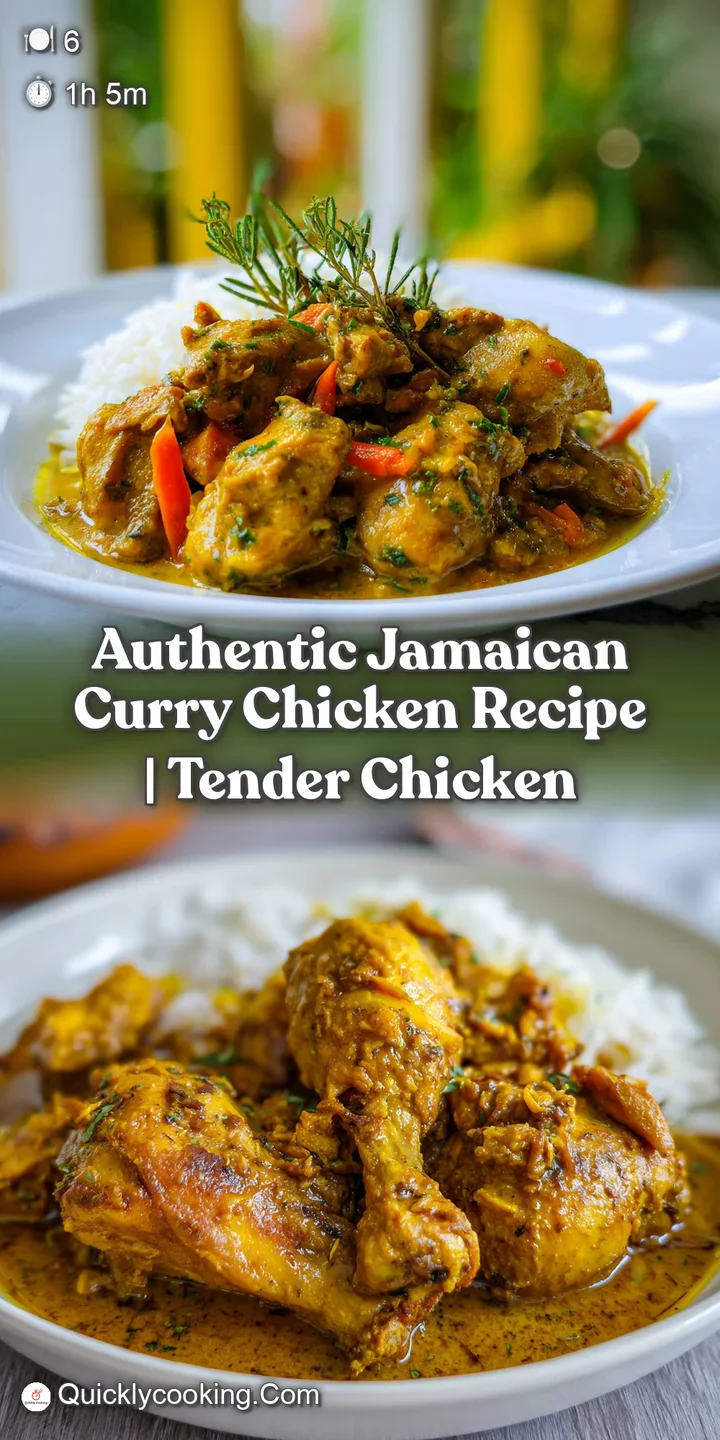
Authentic Jamaican Curry Chicken Recipe
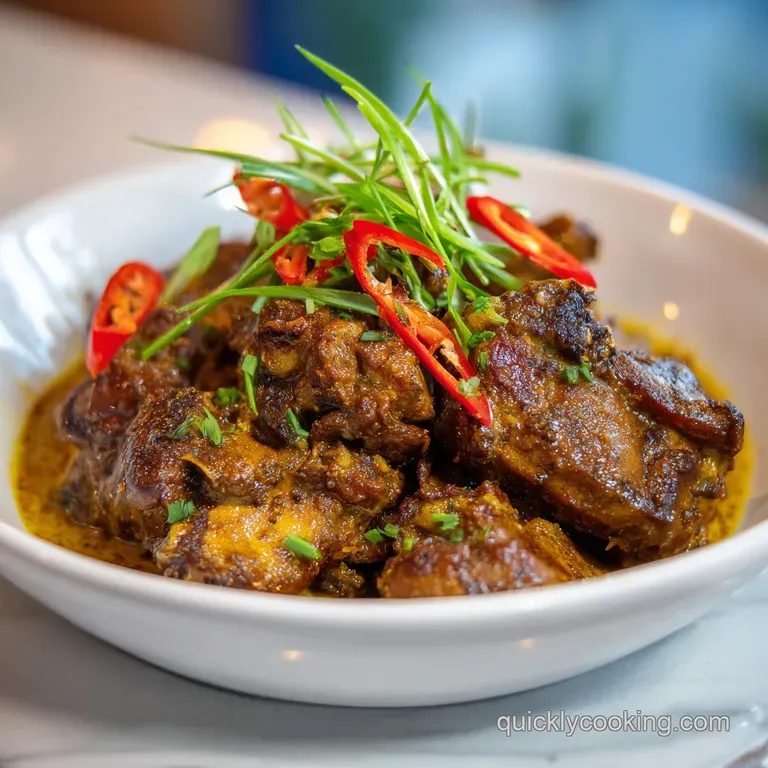
- Time: Active 20 minutes, Passive 45 minutes, Total 1 hours 5 mins
- Flavor/Texture Hook: Savory, spiced, and velvety sauce
- Perfect for: Sunday family dinners or high protein meal prep
- Mastering the Authentic Jamaican Curry Chicken Flavor
- Why You Will Crave This
- Essential Spices and Fresh Aromatics
- Ingredients and Substitutes
- Tools for a Flawless Braise
- Step by Step Cooking Guide
- Fixing Common Jamaican Curry Errors
- Easy Swaps for New Flavors
- The Truth About Curry Myths
- Storing Your Leftover Curry Properly
- Best Sides for Jamaican Chicken
- Recipe FAQs
- 📝 Recipe Card
Mastering the Authentic Jamaican Curry Chicken Flavor
The second that 3 tbsp Jamaican Curry Powder hits the hot oil, your kitchen transforms. There’s this specific, nutty aroma that starts to fill the air it’s earthy, slightly floral from the pimento berries, and sharp with ginger.
I remember the first time I tried to make this without "burning" the curry; the sauce tasted flat and grainy. Now, I never skip that step because it's what creates that signature deep yellow hue and the complex flavor profile we're chasing.
We aren't just making a stew here; we are building layers. From the 8 pimento berries being crushed to release their woody oils to the way the 2 medium potatoes break down slightly to thicken the liquid, every part of this authentic jamaican curry chicken has a job to do.
It’s a dish that feels like a warm hug, but with a spicy kick that wakes up every single taste bud.
You don't need to be a pro to nail this, but you do need to be patient. We’re going to talk about why bone in meat is non negotiable and how to handle a Scotch Bonnet pepper without turning your dinner into a fire hazard.
If you've been looking for that soul warming, pot lickingly good Caribbean classic, you've found it. Let’s get that oil shimmering and start cooking.
Why You Will Crave This
Maillard Reaction: Searing the chicken pieces after they've been coated in the all purpose seasoning creates a savory crust that forms the flavor foundation.
Spice Volatility: Heating the curry powder in neutral oil before adding liquid dissolves fat soluble flavor compounds that stay trapped in the powder otherwise.
Starch Emulsification: As the potatoes simmer, they release amylose molecules into the 2 cups water, which naturally thickens the sauce without needing a flour roux.
Capsaicin Control: Keeping the Scotch Bonnet whole allows the fruity aroma to infuse the liquid while keeping the intense heat contained inside the pepper's ribs.
Timing and Serving Size Guide
Before you start chopping, it's helpful to know exactly what you're getting into. This recipe is designed to feed a family or leave you with the best leftovers of your life.
| Servings | Chicken Amount | Potato Count | Liquid Ratio |
|---|---|---|---|
| 2 People | 1 lb | 1 medium | 0.75 cup water |
| 4 People | 2 lbs | 1.5 medium | 1.5 cups water |
| 6 People | 3 lbs | 2 medium | 2 cups water |
If you're looking for more global poultry inspiration, this Chicken Jollof Rice recipe uses a similar braising technique but with totally different spice notes that pair beautifully with a side of plantains.
Essential Spices and Fresh Aromatics
This table breaks down the heavy hitters in your spice cabinet. Getting these right is the difference between a "good" curry and one that people talk about for weeks.
| Component | Science Role | Pro Secret |
|---|---|---|
| Jamaican Curry Powder | Flavor Foundation | Always toast it in oil for 3 minutes to remove the "raw" spice taste. |
| Pimento Berries | Aromatic Depth | Also known as Allspice; crush them just before adding to release volatile oils. |
| Scotch Bonnet | Heat & Aroma | Use it whole for a mild floral heat; poke it with a fork only if you love fire. |
| Fresh Ginger | Enzyme Tenderizer | Contains zingibain which helps break down the chicken proteins while adding zing. |
The pimento berries are really the unsung heroes here. They provide that woody, cloves meet cinnamon meet pepper vibe that is strictly Caribbean. When you crush those 8 berries, the scent should be immediate. If you can't smell them, your spices might be too old, and you’ll want to refresh your stash.
Ingredients and Substitutes
To get that real deal authentic jamaican curry chicken, you need a mix of pantry staples and fresh aromatics. Don't worry if you're missing one or two things; I've got the swaps that won't ruin the vibe.
- 3 lbs bone in skinless chicken thighs and legs: Why this? Bones add gelatin and depth to the sauce that breasts simply can't match.
- Substitute: Chicken drumsticks or chopped whole chicken.
- 3 tbsp Jamaican Curry Powder: Why this? Specific turmeric to cumin ratio that defines the island flavor profile.
- Substitute: Madras curry powder (it's similar but slightly different in spice).
- 1 tbsp all purpose seasoning: Why this? Adds a savory salt base that highlights the herbs.
- Substitute: 1 tsp salt, 1 tsp onion powder, and 1 tsp garlic powder mixed.
- 1 Scotch Bonnet pepper: Why this? Essential for that specific fruity, tropical heat.
- Substitute: Habanero pepper (it's the closest relative in terms of heat and fruitiness).
- 2 medium potatoes: Why this? They provide bulk and natural thickening power through starch.
- Substitute: Sweet potatoes or extra carrots (though the sauce will be thinner).
- 3 tbsp neutral oil: Why this? High smoke point needed for blooming the spices effectively.
- Substitute: Vegetable oil or canola oil.
Chef's Tip: Freeze your fresh ginger for 10 minutes before grating. It makes it much firmer and prevents it from turning into a stringy mess on your microplane.
Tools for a Flawless Braise
You don't need a high tech kitchen for this, but a heavy bottomed pot is your best friend. I usually reach for my seasoned cast iron Dutch oven because it holds heat so consistently.
When you add the 2 cups water, a thin walled pot might lose its temperature too fast, slowing down the simmer and making your chicken tough.
| Method | Time | Texture | Best For |
|---|---|---|---|
| Stovetop (Dutch Oven) | 45 minutes | Velvety sauce, fall apart meat | Maximum flavor control and traditional results. |
| Oven (Braised) | 1 hours | Evenly cooked, less stirring | Hands off cooking once the base is started. |
| Slow Cooker | 6 hours | Shredded texture, very moist | Convenience, though the sauce won't thicken as well. |
For a faster weeknight fix that still brings the heat, check out my Spicy Chicken Wings Recipe. They hit that spicy craving in a fraction of the time it takes to braise a whole bird.
step-by-step Cooking Guide
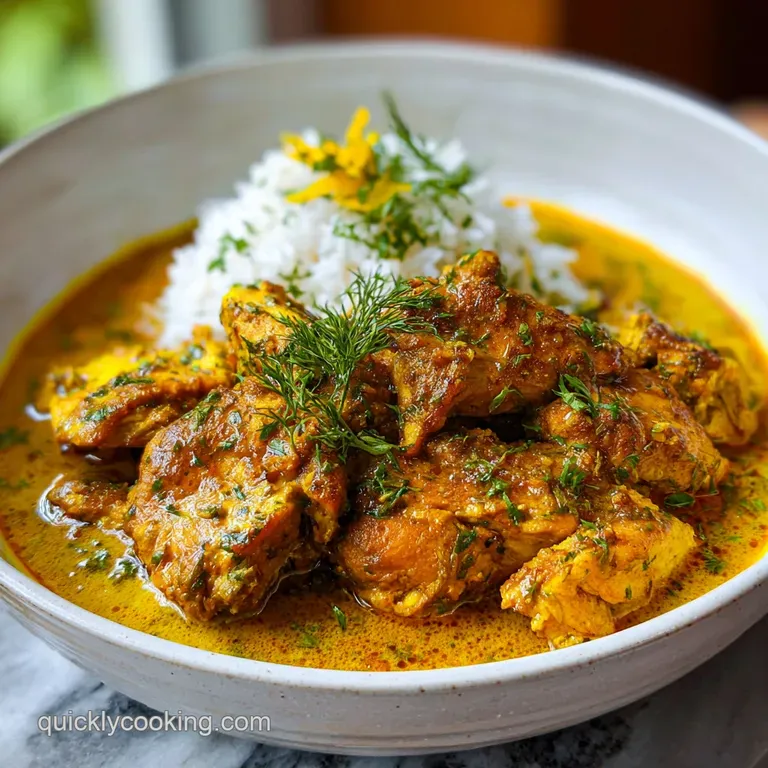
Let's get into the actual cooking. Follow these steps, and you’ll have a pot of gold on your hands.
- Prep the chicken. Cut 3 lbs chicken into 2 inch pieces. Note: Smaller pieces cook faster and allow more surface area for the spices to cling to.
- Season thoroughly. Toss the chicken with 1 tbsp all purpose seasoning, 1 tsp black pepper, 1 tbsp grated ginger, and 4 cloves minced garlic. Let it sit for at least 20 minutes.
- Burn the curry. Heat 3 tbsp oil in your pot over medium high heat. Add 3 tbsp curry powder and stir for 3 minutes until it turns a deep, dark yellow and smells nutty.
- Sear the meat. Add the chicken pieces to the pot. Cook until the edges are golden and the meat is opaque.
- Build the base. Stir in 1 chopped yellow onion, 3 chopped scallions, 4 sprigs thyme, and 8 crushed pimento berries.
- Add liquid. Pour in 2 cups water. Place the whole Scotch Bonnet pepper on top. Note: Do not cut the pepper if you want to control the spice level.
- Simmer. Bring to a boil, then reduce heat to low. Cover and simmer for 20 minutes.
- Add vegetables. Stir in 2 cubed potatoes and 1 sliced carrot.
- Finish the braise. Cook for another 25 minutes until the potatoes are tender and the sauce is thick and velvety.
- Final touch. Remove the Scotch Bonnet and thyme sprigs before serving.
Fixing Common Jamaican Curry Errors
Even the best of us run into trouble sometimes. The most common issue I see is people being afraid of the heat or rushing the reduction of the sauce.
Why Your Curry Tastes Bitter
If your curry has a sharp, metallic, or bitter aftertaste, you likely "burnt" the curry powder too long or at too high a heat. When spices scorch, they release bitter alkaloids.
Why the Sauce is Too Thin
A watery curry is usually the result of not letting the potatoes do their job or using too much water. The 2 cups water should reduce significantly during the 45 minutes of total cook time.
| Problem | Root Cause | Solution |
|---|---|---|
| Tough Chicken | Cooked too fast at high heat | Lower the flame; braising requires a gentle simmer to break down connective tissue. |
| Lack of Flavor | Spices weren't bloomed in oil | Add a teaspoon of toasted curry powder mixed with a little oil at the end to boost the profile. |
| Overpowering Heat | Scotch Bonnet burst in the pot | Stir in a tablespoon of brown sugar or a splash of coconut milk to neutralize the capsaicin. |
Common Mistakes Checklist:
- ✓ Pat the chicken dry before seasoning to ensure the spices stick.
- ✓ Don't skip the "burn" phase - it's the soul of the dish.
- ✓ Leave the Scotch Bonnet whole to avoid a heat explosion.
- ✓ Use bone in thighs; breasts will dry out before the sauce thickens.
- ✓ Give the chicken at least 20 minutes to marinate for better flavor depth.
Easy Swaps for New Flavors
While the traditional way is king, I’m all for making things work with what you’ve got. If you want a richer experience, try the authentic jamaican curry chicken with coconut milk variation. Just swap 1 cup of the water for 1 cup of full fat coconut milk.
It makes the sauce incredibly creamy and adds a tropical sweetness that balances the heat.
If you are a fan of crispy textures, you might think curry is too "wet," but you can serve this with a side of Publix Fried Chicken recipe if you're hosting a massive Caribbean style Sunday feast. It’s an unconventional pairing, but the crunch of the fried chicken against the velvety curry sauce is a texture lover’s dream.
- For a creamier finish: Add 1/2 cup heavy cream or coconut milk in the last 10 minutes.
- For more veggies: Toss in some chopped bell peppers or green peas at the very end.
- For a shortcut: Use a slow cooker after searing the chicken, but reduce the water by half.
The Truth About Curry Myths
One major myth is that all Jamaican food has to be "blow your head off" spicy. That’s just not true. The Scotch Bonnet provides a floral, citrus like aroma that is just as important as the heat. By leaving it whole, you get the fragrance without the burn.
Another misconception is that you need to wash your chicken with vinegar or lime. While this is a common cultural practice in Jamaica to remove "freshness" (the raw smell of meat), from a food safety standpoint, it doesn't kill bacteria. If you do it, do it for the flavor and tradition, not for sterilization!
Finally,, some think you can just use any old "curry powder" from the grocery store. Jamaican curry is heavy on the turmeric and pimento, whereas Indian curry powders often lean more on coriander and cardamom. For that authentic taste, look for brands like Blue Mountain Country or Betapac.
Storing Your Leftover Curry Properly
Curry is one of those magical dishes that actually tastes better the next day. As it sits, the spices continue to marry, and the potatoes soak up even more of that savory liquid.
- Fridge: Store in an airtight container for up to 4 days. The sauce will thicken into a gel like consistency when cold; this is just the natural gelatin from the chicken bones.
- Freezer: You can freeze this for up to 3 months. However, be aware that potatoes can sometimes get a bit grainy after thawing.
- Reheating: Use a small splash of water or chicken broth when reheating on the stovetop to loosen the sauce back to its velvety state.
Zero Waste Tip: Don't throw away those scallion ends or onion peels! Keep a "stock bag" in your freezer. Once it's full, boil those scraps with any leftover chicken bones to make a rich, spiced stock for your next soup or rice dish.
Best Sides for Jamaican Chicken
You cannot have curry chicken without something to soak up that liquid gold. The absolute gold standard is jamaican curry chicken and rice recipe style specifically Rice and Peas (which are actually kidney beans).
The creaminess of the coconut infused rice is the perfect foil for the earthy curry.
If you want something simpler, plain white jasmine rice works perfectly. For a real island experience, serve it with some fried ripe plantains. The sweetness of the plantains cuts through the salt and spice of the chicken beautifully.
- Decision Shortcut:
- If you want maximum comfort, serve with buttery white rice.
- If you want traditional vibes, go with Rice and Peas.
- If you want a low carb option, cauliflower rice works surprisingly well with this thick sauce.
Whatever you do, make sure you have enough sauce to drown your side dish. That velvety, spice infused liquid is where the real magic happens. Trust me, you'll be scraping the bottom of the pot with a piece of hard dough bread before the night is over. Enjoy!
Recipe FAQs
What is the difference between Jamaican curry and Indian curry?
Jamaican curry uses pimento (allspice) heavily. Jamaican curry powder typically contains a higher proportion of turmeric and pimento berries, giving it a distinct woody, sweet, and earthy profile that differs significantly from South Indian blends which often prioritize cumin, coriander, and chili
heat.
What do Jamaicans put in their curry?
Jamaicans prioritize pimento, Scotch Bonnet, and fresh aromatics. Key additions include crushed pimento berries for depth, thyme, fresh ginger, and, crucially, the whole Scotch Bonnet pepper for its fruity heat, which is essential for the authentic flavor.
What is the best cut of chicken for Jamaican curry chicken?
Bone-in, skinless thighs and legs are recommended. The bones release collagen and gelatin into the liquid as they simmer, creating the signature velvety texture and depth of flavor that chicken breasts cannot replicate.
What are the secret ingredients to a good curry?
The secret is blooming the spices in hot oil first. This technique, often called "burning the curry," dissolves fat-soluble flavor compounds trapped in the dry powder, unlocking the true intensity of the turmeric and spices before liquid is added.
Is it true that I must use bone-in meat for the sauce to thicken properly?
No, but bone-in meat significantly improves texture. While potatoes provide starch for thickening, the gelatin released from the bones and connective tissue creates a richer, more mouth coating sauce compared to lean cuts.
If you are using boneless meat, consider adding a potato to break down completely to compensate for the lost gelatin.
How to control the heat when using a Scotch Bonnet pepper?
Keep the pepper whole and submerged without puncturing the skin. This allows the pepper's fruity aroma to infuse the liquid gently, providing flavor without releasing the volatile capsaicin oils stored near the ribs. If you master flavor infusion here, you’ll enjoy the technique in many other dishes, similar to balancing acid in our Sweet Spicy Hot recipe.
Can I substitute Madras curry powder for Jamaican curry powder?
Yes, but the flavor profile will shift noticeably. Madras powder typically lacks the high pimento content characteristic of true Jamaican blends, resulting in a flatter, less complex final dish. To offset this, consider adding a pinch of ground allspice to mimic the missing woody notes.
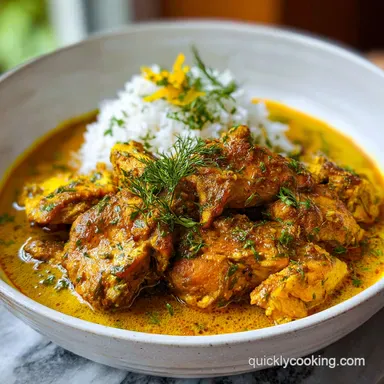
Authentic Jamaican Curry Chicken
Ingredients:
Instructions:
Nutrition Facts:
| Calories | 412 kcal |
|---|---|
| Protein | 36.5 g |
| Fat | 21.4 g |
| Carbs | 17.8 g |
| Fiber | 2.6 g |
| Sugar | 3.1 g |
| Sodium | 780 mg |
