Beef Chow Mein: Takeaway Style
- Master the Perfect Beef Chow Mein at Home
- The Chemistry of the Wok Sizzle
- Component Analysis for Maximum Flavor
- Ingredients and Smart Budget Swaps
- Tools for High Efficiency Cooking
- Step-by-Step for Wok Mastery
- Fix Common Stir Fry Mistakes
- Tasty Variations and Easy Substitutes
- Proper Storage and Zero Waste
- Plating and Serving Like Pro
- Very High in Sodium
- Recipe FAQs
- 📝 Recipe Card
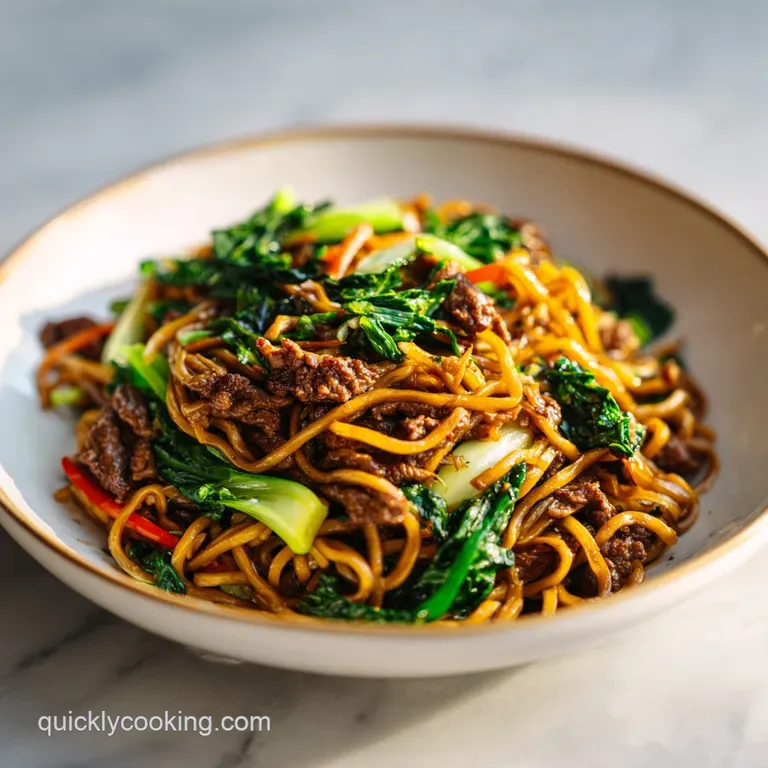
Master the Perfect Beef Chow Mein at Home
The moment that thin sliced flank steak hits the screaming hot metal, you hear it that rhythmic, aggressive sizzle that tells you the Maillard reaction is working its magic.
I remember the first time I actually got this right; the kitchen was filled with the nutty, toasted aroma of sesame oil and the sharp, nose tingling scent of searing ginger. For years, my stir fries were soggy, gray, and honestly pretty depressing, mostly because I was crowding the pan and treating my stove like a gentle simmer pot instead of a jet engine.
We’ve all been there, standing over a lukewarm wok, watching "steam" happen when we wanted "sear." But once you nail the balance between the velvety beef and those slightly charred, chewy egg noodles, you’ll never look at a takeaway menu the same way again.
This recipe is all about high efficiency moves getting maximum flavor out of a few budget friendly ingredients while keeping the prep time under 20 minutes. We're going for that specific "wok hei" vibe without needing a commercial kitchen setup.
The Chemistry of the Wok Sizzle
Alkaline Tenderizing: Baking soda raises the pH on the surface of the beef, physically preventing the proteins from bonding too tightly when heated. This ensures the meat stays velvety rather than becoming a rubbery mess.
Gelatinous Binding: Cornstarch in the marinade creates a microscopic barrier that traps moisture inside the meat fibers while simultaneously helping the sauce cling to every surface. This prevents that "watery puddle" at the bottom of your bowl.
Noodle Dehydration: Air drying the fresh noodles briefly before they hit the oil allows the surface starches to toughen up. This results in noodles that "shatter" slightly on the edges while remaining chewy in the center.
| Beef Thickness | Internal Temp | Rest Time | Visual Cue |
|---|---|---|---|
| 3mm (Paper Thin) | 55°C | 2 mins | Browned edges, slight pink center |
| 5mm (Standard) | 60°C | 3 mins | Uniformly opaque, glossy surface |
| 8mm (Thick) | 65°C | 5 mins | Firm to touch, deep sear |
Getting the beef right is about half the battle here. If you're looking for another way to use up protein efficiently, you might want to try our Korean Spicy Chicken recipe for a different heat profile. But for today, we are sticking to the classic savory sweet balance that makes this noodle dish a staple.
Component Analysis for Maximum Flavor
| Ingredient | Science Role | Pro Secret |
|---|---|---|
| Flank Steak | High protein structure | Slice against the grain to break tough fibers |
| Baking Soda | pH Modifier | Rinse off if marinating longer than 30 mins |
| Dark Soy Sauce | Pigment and Caramelization | Adds the "takeaway" brown color, not just salt |
| Fresh Egg Noodles | Structural Foundation | Par boil for 1 min less than the packet says |
When you're working with these components, think of them as building blocks. The beef provides the heavy umami, while the cabbage and sprouts give you that much needed structural "crunch." It's a high speed dance where every ingredient has a specific entry time to ensure nothing turns to mush.
Ingredients and Smart Budget Swaps
- 450g flank steak: Sliced thin against the grain. Why this? It’s lean but absorbs marinades perfectly for that velvety texture. (Swap: Chuck steak or even thinly sliced pork loin).
- 0.5 tsp baking soda: The secret weapon for tenderizing. (Swap: None, it’s essential for the "velveting" effect).
- 1 tbsp soy sauce: For the base savory layer. (Swap: Tamari for a gluten-free option).
- 1 tsp cornstarch: To lock in juices. (Swap: Potato starch or arrowroot).
- 1 tsp toasted sesame oil: For that signature nutty finish. (Swap: A tiny drop of peanut oil).
- 400g fresh thin egg noodles: The heart of the dish. Why this? Fresh noodles have more "spring" and chew than dried ones. (Swap: Spaghetti if you're in a pinch, but boil with a pinch of baking soda).
- 2 tbsp neutral oil: Like canola or grapeseed. (Swap: Any high smoke point oil).
- 2 tbsp oyster sauce: The source of deep, salty sweet umami. (Swap: Mushroom based stir fry sauce).
- 1 tbsp light soy sauce: For saltiness. (Swap: Salt plus a splash of water).
- 1 tsp dark soy sauce: Purely for that gorgeous mahogany color. (Swap: Extra light soy + 1/2 tsp molasses).
- 1 tbsp Shaoxing wine: Adds complexity. (Swap: Dry sherry or a splash of apple juice).
- 1 tsp granulated sugar: To balance the salt. (Swap: Honey or brown sugar).
- 0.25 tsp ground white pepper: For a subtle, floral heat. (Swap: Black pepper, but use half the amount).
- 2 cups shredded cabbage: Provides volume and crunch. (Swap: Bok choy or kale).
- 1 cup mung bean sprouts: For freshness. (Swap: Sliced snap peas).
- 3 scallions: Cut into batons. (Swap: Chives or a small red onion).
- 3 cloves garlic: Minced. (Swap: Garlic powder in the sauce if desperate).
- 1 tbsp fresh ginger: Grated. (Swap: 1/2 tsp ground ginger).
Chef's Tip: Freeze your ginger for 20 minutes before grating. It prevents the ginger from turning into a stringy mess and lets you grate it into a fine, snowy powder that distributes evenly throughout the sauce.
Tools for High Efficiency Cooking
To get this done in 30 minutes, you need a setup that allows for speed. I personally use a carbon steel wok because it reacts to heat changes instantly, but a large cast iron or heavy stainless steel skillet works too. You want something with a lot of surface area.
You’ll also want a set of long kitchen tweezers or tongs. Chopsticks are traditional, but if you're moving fast, tongs give you the leverage to toss 400g of noodles without them clumping together. Have all your ingredients prepped in small bowls (mise en place) before you even turn on the gas.
Once the oil starts shimmering, there’s no time to go looking for the garlic.
step-by-step for Wok Mastery
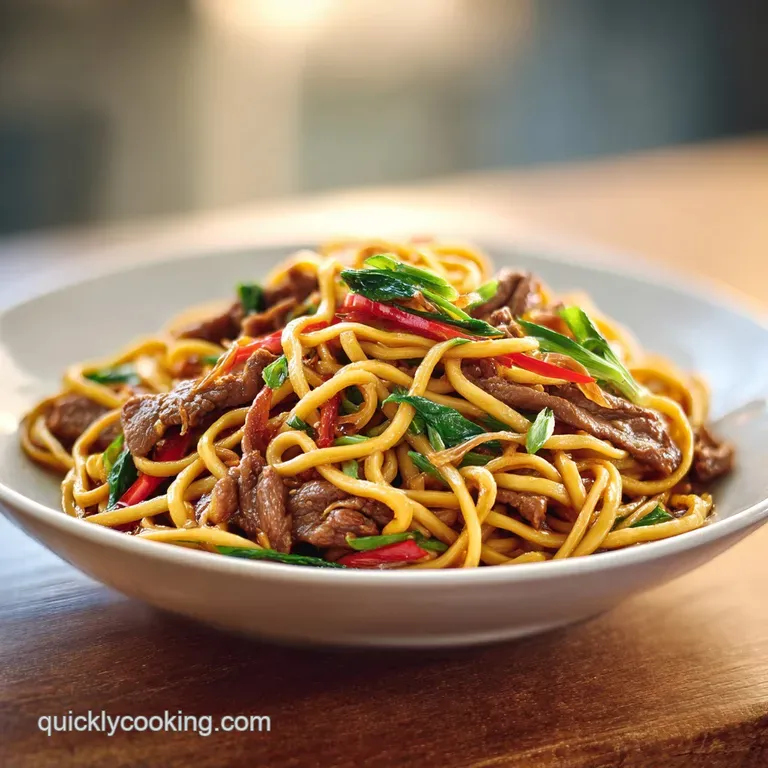
- Prep the beef. Toss the 450g sliced flank steak with 0.5 tsp baking soda, 1 tbsp soy sauce, 1 tsp cornstarch, and 1 tsp sesame oil. Note: Let this sit for 20 mins to tenderize.
- Boil the noodles. Cook 400g egg noodles in boiling water for 1 min less than the package directions until al dente and bouncy.
- Dry the noodles. Drain and spread the noodles on a tray. Note: This prevents them from steaming in the wok later.
- Whisk the sauce. Mix the oyster sauce, light soy, dark soy, Shaoxing wine, sugar, and white pepper in a small bowl.
- Sear the beef. Heat 1 tbsp oil in the wok until wisps of smoke appear. Add the beef in a single layer and don't touch it for 60 seconds to develop a crust.
- Remove and set aside. Toss the beef for another minute until just browned, then move it to a plate. Note: We will finish cooking it in the residual heat later.
- Sauté aromatics. Add the remaining oil, then the ginger and garlic until the air smells fragrant (about 30 seconds).
- Wilt the greens. Throw in the 2 cups of cabbage and 3 scallions. Stir fry for 1 minute until the cabbage edges soften.
- Combine and toss. Add the noodles, the seared beef, and the mung bean sprouts into the wok.
- Finish with sauce. Pour the sauce over the noodles and toss vigorously over high heat for 2 minutes until the sauce is glossy and the noodles are dark.
If you find you have leftovers or want a different vibe for your next meal prep, this flavor profile works surprisingly well if you use the sauce technique for a Fast Ground Beef recipe. It's the same efficiency mindset but with even less prep time on the meat.
Fix Common Stir Fry Mistakes
Why Your Noodles Are Soggy
If your noodles feel more like a pasta bake than a stir fry, it's usually due to excess moisture. This happens if you add the noodles while they are still dripping wet or if you crowd the pan so much that the temperature drops, causing the vegetables to release their water instead of searing.
Why Your Beef Is Tough
If you skipped the baking soda or sliced with the grain, the beef will be chewy. Also, if you overcook it in the first step, it will turn into leather by the time it's tossed with the sauce. Always pull it out when it's about 80% done.
| Problem | Root Cause | Solution |
|---|---|---|
| Greasy Noodles | Oil temp was too low | Wait for the oil to shimmer/smoke before adding food |
| Salty/Bitter Sauce | Too much dark soy | Balance with a teaspoon of sugar or a splash of water |
| Burnt Garlic | Added too early | Add garlic only after the wok is oiled and right before the veggies |
- ✓ Pat the beef completely dry before adding the marinade.
- ✓ Ensure the wok is "smoking hot" before the first drop of oil goes in.
- ✓ Work in two batches if your stove doesn't have a high BTU output.
- ✓ Use a "toss and fold" motion to keep the noodles from breaking.
- ✓ Don't skip the white pepper; it provides the "back of-the throat" heat typical of authentic versions.
Tasty Variations and Easy Substitutes
If you want to keep this budget friendly, you can easily swap the flank steak for chicken thighs or even firm tofu. The key is to treat the tofu the same way press it dry, toss it in a little cornstarch, and sear it until it has a golden crust.
| Original Ingredient | Substitute | Why It Works |
|---|---|---|
| Shaoxing Wine | Dry Sherry | Similar dry, fermented profile. Note: Adds a slightly fruitier note |
| Mung Bean Sprouts | Shredded Carrots | Provides a similar structural crunch and volume |
| Oyster Sauce | Hoisin Sauce | Thick and sweet. Note: Makes the dish much sweeter and less "oceanic" |
Looking for a way to use up the noodles but want something more Mediterranean? You could actually use the same quick boil technique for a Beef Rigatoni Cheese recipe if you're pivoting to a different cuisine mid week.
Proper Storage and Zero Waste
Storage: This keeps beautifully in the fridge for up to 3 days. The noodles actually absorb more of the sauce as they sit, making them even more flavorful the next day. To reheat, avoid the microwave if possible; a quick 2 minute toss in a hot pan with a splash of water will bring back the texture.
Freezing: I don't recommend freezing the finished dish, as the bean sprouts and cabbage will turn to mush upon thawing. However, you can freeze the marinated raw beef for up to 3 months.
Zero Waste: Don't throw away those scallion roots! Put them in a jar of water on your windowsill, and they’ll regrow in a week. Also, if you have leftover cabbage, it’s a great addition to a Haitian Spaghetti Recipe for extra bulk and nutrients.
Plating and Serving Like Pro
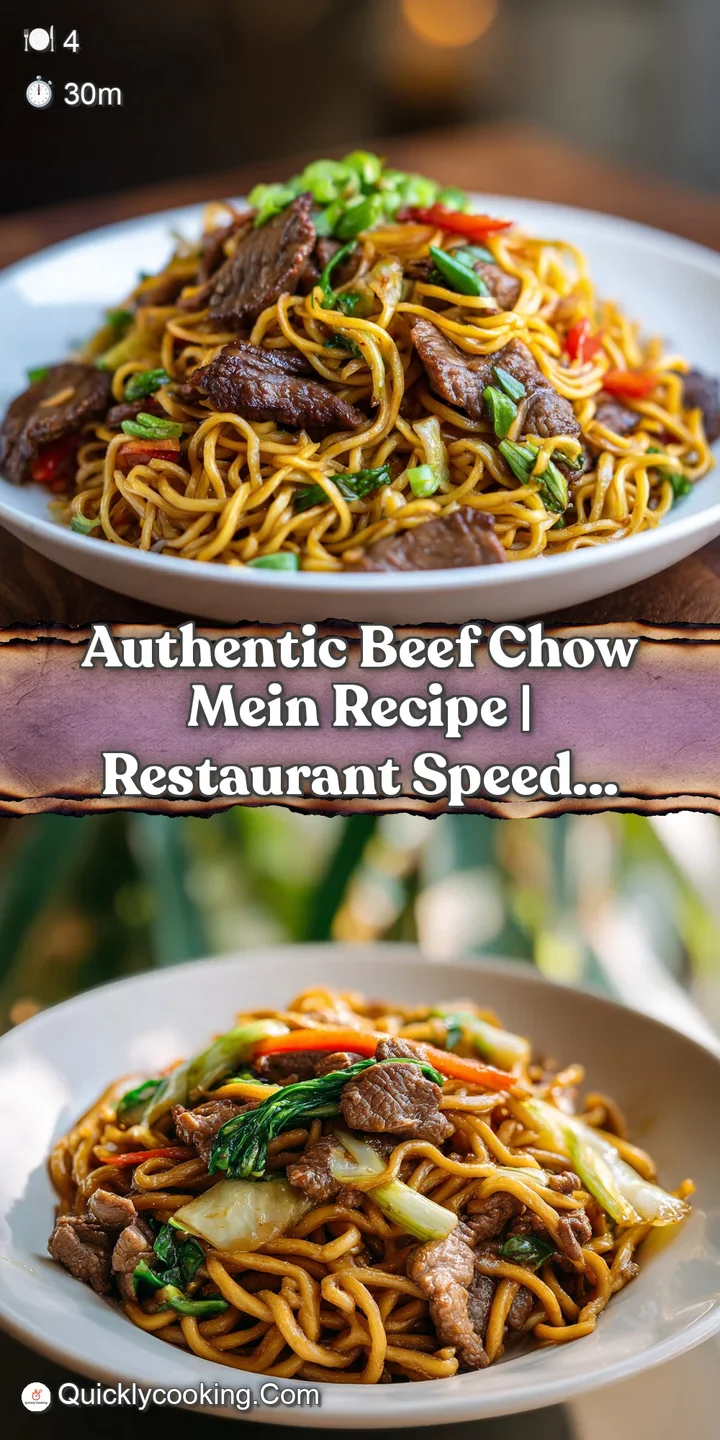
To get that restaurant look, don't just dump the noodles onto a plate. Use your tongs to twirl a large portion into a nest and place it in the center of the bowl. Make sure some of the glossy beef pieces and bright green scallions are sitting right on top rather than buried at the bottom.
- If you want a smoky flavor, let the noodles sit undisturbed on the bottom of the wok for 30 seconds at the very end to get a "char."
- If you want it "wet", double the sauce recipe but add an extra teaspoon of cornstarch to keep it thick.
- If you want it spicy, add a tablespoon of chili crisp or sambal oelek right into the sauce mixture.
Myths About Wok Cooking
One common misconception is that you need a 100,000 BTU burner to make good chow mein. While heat is important, heat retention is what matters for home cooks. By using a heavy pan and cooking in smaller batches, you can achieve the same results on a standard electric or gas stove.
Another myth is that you must use "Chow Mein" labeled noodles. In reality, any thin wheat and egg noodle will work perfectly as long as you don't overcook it during the boiling stage. Properly drying them is far more important than the brand on the bag.
Very High in Sodium
1140 mg mg of sodium per serving (50% of daily value)
The American Heart Association recommends limiting sodium intake to about 2,300mg per day for overall cardiovascular health.
Tips to Reduce Sodium in Your Noodle Dish
-
Low-Sodium Soy Sauce-25%
Replace regular soy sauce (1 tbsp, plus another tbsp used in marinade) with a low-sodium version. This can significantly reduce the sodium content. Look for soy sauce labeled 'reduced sodium' or 'low sodium'.
-
Reduce Oyster Sauce-20%
Oyster sauce is a significant source of sodium. Reduce the amount from 2 tbsp to 1 tbsp, or substitute it with a homemade alternative using mushroom broth and a touch of molasses for umami flavor.
-
Omit Dark Soy Sauce-10%
Dark soy sauce primarily adds color and a slight sweetness. Consider omitting it altogether or using a small amount of molasses instead to achieve a similar color without the added sodium.
-
Choose Fresh Noodles Carefully-10%
Some fresh egg noodles can contain added sodium. Check the label and opt for no-salt added or low-sodium noodles, if available. Alternatively, consider making your own.
-
Limit Salt Additions-5%
Be mindful of any additional salt you add during cooking. Taste the dish before adding any extra salt, as the sauces already contribute a significant amount of sodium.
-
Flavor with Herbs & Spices
Enhance the flavor of the dish with fresh herbs and spices like ginger, garlic, and white pepper. These additions boost the taste without increasing the sodium content.
Recipe FAQs
What is a beef chow mein?
It is a classic Chinese American stir fry dish. It consists of thin slices of marinated beef quickly tossed with par-boiled egg noodles, crisp vegetables like cabbage and sprouts, and a savory, soy-based sauce.
What is the difference between beef lo mein and beef chow mein?
Chow mein noodles are stir fried until slightly crisp, while lo mein noodles are boiled and then tossed softly in sauce. Chow mein emphasizes a drier, sometimes crunchy texture, whereas lo mein is saucier and softer.
Which is healthier, lo mein or chow mein?
It depends entirely on the preparation and oil used, but chow mein often absorbs less sauce and oil. Lo mein tends to be slicker due to the heavier saucing required to coat the softer noodles; if you control the oil in your chow mein, it can be leaner.
What to marinate beef in for chow mein?
Marinate the beef using baking soda, light soy sauce, cornstarch, and a touch of sesame oil. The baking soda tenderizes the meat fibers beautifully, which is key to achieving that velvety texture typical in restaurants.
How do I get the beef searing hot without it steaming in the wok?
Heat your oil until it shimmers slightly or just begins to smoke before adding the beef. Cook the meat in small batches only, ensuring every piece has contact with the hot metal surface to promote browning, not steaming. If you enjoyed mastering this high heat searing technique here, see how the same principle of rapid conduction works in our Fast Tuna Melt recipe for crisp bread.
Can I use dried spaghetti if I don't have egg noodles?
Yes, you can substitute dried pasta, but you must boil it briefly and dry it thoroughly first. Boil it for about one minute less than the package suggests, drain it well, and let it air dry slightly to mimic the necessary texture of fresh noodles.
What is the secret to the dark, glossy color of takeaway chow mein?
Use dark soy sauce sparingly, as it is primarily for color, not salt. Mix it with oyster sauce and a pinch of sugar in your main sauce mixture to achieve that rich mahogany sheen while balancing the saltiness.
Beef Chow Mein Recipe
Ingredients:
Instructions:
Nutrition Facts:
| Calories | 472 kcal |
|---|---|
| Protein | 29.6 g |
| Fat | 22.8 g |
| Carbs | 34.8 g |
| Fiber | 2.8 g |
| Sugar | 3.5 g |
| Sodium | 1140 mg |
