Best Simple Side Salad: Tangy & Snappy
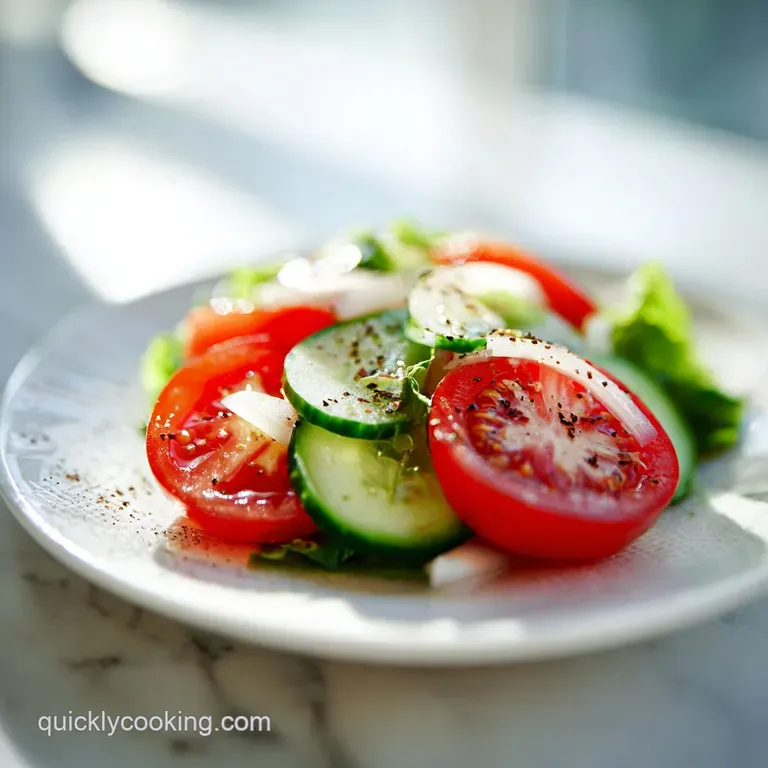
- Time: Active 5 minutes, Passive 0 minutes, Total 5 minutes
- Flavor/Texture Hook: Vibrant, snappy greens with a tangy, herbaceous finish
- Perfect for: Busy weeknights, budget conscious meal planning, or balancing heavy pasta dishes
- Master the Best Simple Side Salad
- Why This Recipe Succeeds
- Component Analysis for Peak Freshness
- Essential Budget Friendly Ingredients
- Tools For Maximum Speed
- Fast Preparation Steps
- Pro Tricks Avoiding Pitfalls
- Smart Dietary Adaptations
- Keeping Your Greens Crisp
- Pairing Suggestions For Dinner
- Recipe FAQs
- 📝 Recipe Card
Master the Best Simple Side Salad
The sound of a Persian cucumber hitting a cutting board with a sharp, glass like snap is one of the most underrated joys in a kitchen. I remember one Tuesday night when my main dish a complicated risotto that shall not be named turned into a gummy, uninspired mess.
I needed a win, something fast, bright, and reliable to rescue the meal. I grabbed what was in the crisper, focused on the ratio rather than the quantity, and realized that a great salad isn't about how many ingredients you can cram into a bowl.
It's about the contrast between the peppery bite of arugula and the cool, watery crunch of a radish. This best simple side salad isn't just a "throwaway" side; it's the acid trip your palate needs to cut through richness. We've all been there, staring at a bag of wilted greens wondering where it went wrong.
Usually, it's the water. Too much water on the leaves or too much water in the dressing makes everything slide right off.
Trust me, once you stop treating the side salad as an afterthought, your whole dinner game changes. This specific blend of spring mix and romaine provides both a soft, velvety mouthfeel and a structural crunch that holds up under the lemon oregano vinaigrette.
It's efficiency at its finest, turning five minutes of prep into the most refreshed your plate has ever looked. We're going for maximum impact with minimal spend, proving that budget ingredients can behave like high end bistro fare when treated with a bit of science.
Why This Recipe Succeeds
The secret to why this works lies in the chemistry of the dressing and the mechanical prep of the vegetables. Most people just pour oil and vinegar over leaves, which results in a pool of grease at the bottom and dry leaves on top.
- Surface Tension Management: The Dijon mustard acts as a natural emulsifier, linking the water based lemon juice to the fat based olive oil.
- Volatile Oil Activation: Rubbing the dried oregano between your palms before adding it to the dressing releases dormant oils, intensifying the herbal aroma without needing fresh herbs.
- Aromatic Suppression: Slicing the red onion into translucent half moons increases surface area, allowing the lemon juice to quickly "tame" the harsh sulfur compounds.
- Structural Hybridization: Mixing soft spring greens with sturdy Romaine creates a multi tonal texture that doesn't collapse immediately under the weight of the dressing.
| Method | Time | Texture | Best For |
|---|---|---|---|
| Fast Shake | 1 minute | Light/Zesty | Weeknight dinners |
| Emulsified Whisk | 3 minutes | Velvety/Rich | Hosting guests |
| Classic Toss | 5 minutes | Traditional | Larger crowds |
Using the emulsified whisk method ensures the dressing stays thick enough to cling to the cucumbers and radishes. If you just shake it, the oil separates faster, leading to that "greasy leaf" problem we all want to avoid. This small shift in technique is the difference between a soggy bowl and a crisp experience.
Component Analysis for Peak Freshness
Understanding how each part of the best simple side salad functions helps you make smart swaps without losing that signature crunch. We aren't just looking for color; we're looking for structural integrity.
| Ingredient | Science Role | Pro Secret |
|---|---|---|
| Persian Cucumbers | Moisture Reservoir | Slicing into rounds maintains the internal turgor pressure for a better snap. |
| Lemon Juice | Protein Denaturant | The citric acid "cooks" the raw edge off the onions and radishes instantly. |
| Extra Virgin Olive Oil | Flavor Carrier | Fat carries the oregano and pepper notes across the tongue for a longer finish. |
| Dijon Mustard | Emulsifying Agent | Contains mucilage that prevents the oil and acid from separating. |
Selecting the right oil is also a budget smart move. While a top tier finishing oil is great, a standard, high-quality extra virgin olive oil works brilliantly here because the lemon and oregano provide the primary flavor profile. You don't need to spend $30 on a bottle to get a result that feels expensive.
Essential Budget Friendly Ingredients
This list uses accessible staples that most of us already have in the pantry, but the way we combine them is what creates the "best" result.
- 5 oz Spring Mix or Baby Spinach/Arugula blend: This provides the soft, peppery base. Why this? Pre washed mixes save time and offer varied flavor profiles in one go.
- 2 cups Romaine hearts: Roughly torn for structural support. Why this? Romaine adds a watery crunch that spring mix lacks.
- 1 cup Persian cucumbers: Sliced into thin rounds. Why this? They have thinner skins and fewer seeds than English cucumbers.
- 1/2 cup Red radishes: Paper thin mandoline slices. Why this? They provide a sharp, earthy "bite" that mimics expensive microgreens.
- 1/4 cup Red onion: Shaved into translucent half moons. Why this? Thin slices prevent the onion from overpowering the delicate greens.
- 3 tbsp Extra virgin olive oil: The fat base for our vinaigrette.
- 1 tbsp Freshly squeezed lemon juice: For bright, clean acidity.
- 1 tsp Dijon mustard: To hold the emulsion together.
- 1/2 tsp Dried oregano or Italian seasoning: For a Mediterranean aromatic profile.
- 1/4 tsp Fine sea salt: To draw out vegetable juices and season.
- 1/4 tsp Freshly cracked black pepper: For a subtle, woody heat.
| Original Ingredient | Substitute | Why It Works |
|---|---|---|
| Lemon Juice | Apple Cider Vinegar | Similar pH level. Note: Adds a fruitier, fermented depth instead of citrus. |
| Persian Cucumbers | English Cucumber | Similar thin skin. Note: Larger seeds might make the salad slightly more watery. |
| Dijon Mustard | Yellow Mustard + Pinch of Sugar | Provides the same binding. Note: Yellow mustard is more aggressive; sugar balances it. |
| Red Onion | Shallots | Shallots are milder and sweeter. Note: Perfect if you find raw onion too pungent. |
Using a substitute like apple cider vinegar is a great way to use what's on hand. It lacks the floral scent of lemon but provides a sharper "zing" that many people actually prefer when serving this alongside a heavy steak.
Tools For Maximum Speed
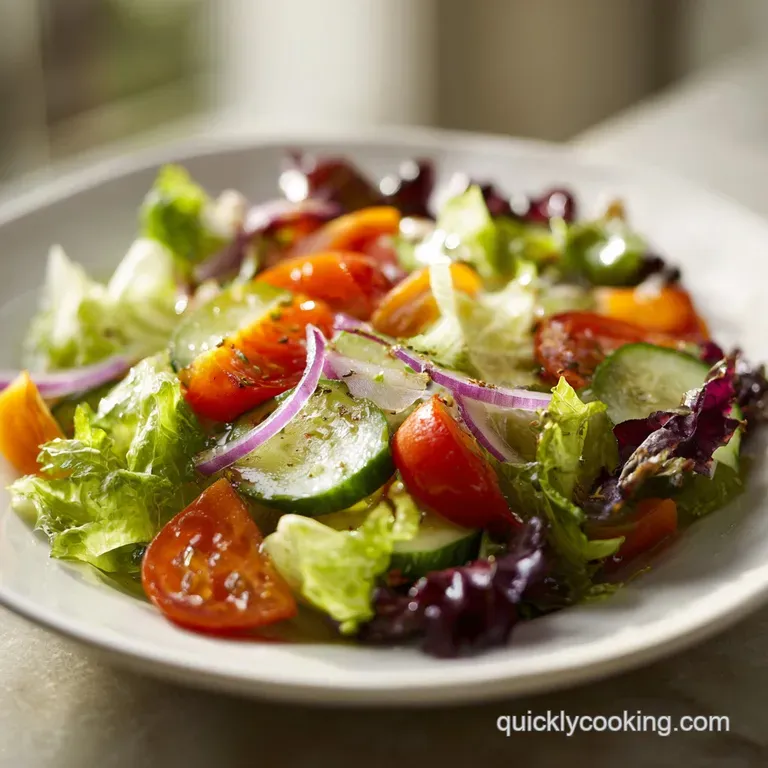
You don't need a professional kitchen, but a few specific items will turn this from a chore into a 5 minute win. Efficiency is about reducing the number of dishes you have to wash later.
- A large stainless steel bowl: Metal gets cold and stays cold, which helps keep the greens from wilting while you toss.
- Small glass jar with a lid: For shaking the dressing. It’s faster than whisking and doubles as a storage container if you have leftovers.
- A sharp chef's knife or mandoline: The thinner the radish and onion, the more "shatter" you get in the texture.
- Salad spinner: This is non negotiable. Even "pre washed" greens often have residual moisture that will ruin your emulsion.
If you don't have a salad spinner, you can place the washed greens in a clean pillowcase and swing it around in circles outside or in the shower. It sounds ridiculous, but centrifugal force is the most efficient way to get greens bone dry.
Dry leaves are the only way to ensure the dressing clings rather than diluting into a watery mess.
Fast Preparation Steps
Follow these steps in order to ensure the onions have time to mellow and the dressing fully integrates.
- Mellow the onions. Place the shaved red onions in a small bowl with the lemon juice. Note: The acid "pickles" them slightly, removing the harsh aftertaste.
- Whisk the base. In your dressing jar, combine the olive oil, Dijon, oregano, salt, and pepper.
- Emulsify the dressing. Add the lemon juice (leave the onions in the bowl for now) to the jar and shake vigorously for 30 seconds until thick and opaque.
- Prep the greens. Tear the Romaine into bite sized pieces and combine with the spring mix in a massive bowl.
- Add the crisp elements. Toss in the cucumber rounds and the paper thin radish slices.
- Layer the aromatics. Add those mellowed red onions on top of the vegetables.
- The aerated toss. Pour the dressing around the edges of the bowl rather than directly on top. Note: This prevents "bruising" the delicate spring mix leaves.
- Incorporate gently. Use your hands or large tongs to lift the greens from the bottom until every leaf has a silky sheen.
- Final seasoning check. Taste one leaf and add a tiny pinch more salt if the flavors don't "pop."
When you're tossing, think about incorporating air. You want the salad to feel light and voluminous, not compressed. If you're looking for more ways to prep ahead, my Healthy Mason Jar recipe uses a similar layering technique to keep things fresh for days.
Pro Tricks Avoiding Pitfalls
The biggest mistake people make with the best simple side salad is over dressing or under drying. If you see liquid pooling at the bottom of the bowl, you've gone too far.
Why Your Salad Is Soggy
The most common culprit is residual water on the leaves. When water meets the oil in the dressing, they repel each other. The oil slides off the leaf, and the salt in the dressing draws even more water out of the greens, creating a swamp.
To fix this, always pat your veggies dry with a paper towel after slicing, especially the cucumbers.
Balancing the Sharpness
If your dressing tastes too sour, don't just add more oil. A tiny pinch of sugar or a drop of honey can neutralize the acid without making the salad feel heavy. This is a budget smart trick that saves you from wasting expensive olive oil trying to "fix" a flavor balance.
| Problem | Root Cause | Solution |
|---|---|---|
| Wilted Greens | Dressing added too early | Only toss the salad right before the plates hit the table. |
| Bland Flavor | Lack of salt | Salt the vegetables before adding the dressing to draw out flavor. |
| Oily Texture | Broken emulsion | Re shake the dressing with a teaspoon of warm water to re bind. |
Common Mistakes Checklist:
- ✓ Never dress the salad more than 5 minutes before eating.
- ✓ Ensure all vegetables are at room temperature for the best flavor release.
- ✓ Use a bowl twice as big as you think you need to allow for a proper "aerated" toss.
- ✓ Avoid using bottled lemon juice; the flavor is too flat and metallic for a simple dish.
- ✓ Don't skip the mustard it is the glue that makes the dressing "velvety."
Smart Dietary Adaptations
This recipe is naturally gluten-free and vegan, making it a powerhouse for entertaining. However, you can tweak it based on who is at your table without spending extra money.
Side Salad Recipes Without Lettuce
If you're out of greens, you can use this exact dressing on a "crunch" base. Swap the lettuce for shaved Brussels sprouts or thinly sliced cabbage. The sturdier vegetables actually benefit from sitting in the dressing for 10-15 minutes, as the acid softens the tough fibers.
dairy-free and Vegan
While this version is already plant based, adding a tablespoon of nutritional yeast to the dressing adds a "cheesy" umami flavor that mimics Parmesan without the dairy cost. It’s an efficient way to add depth.
Protein Boost
If you want to turn this into a main, add a can of rinsed chickpeas or some leftover shredded chicken. It’s a great way to use up scraps from a Sheet Pan Chicken recipe you might have made earlier in the week.
Keeping Your Greens Crisp
Storage is the enemy of the side salad. Once dressed, this dish has a shelf life of about 20 minutes before the salt collapses the cell walls of the greens.
- Fridge
- Store the chopped vegetables and the dressing in separate airtight containers. The veggies will stay crisp for up to 2 days, and the dressing is good for a week.
- Zero Waste Tip
- If your radishes or cucumbers are starting to look a little sad and soft, soak them in a bowl of ice water for 10 minutes. This rehydrates the cells and brings back that "shatter" crunch.
- Leftover Dressing
- Use any extra vinaigrette as a marinade for chicken or fish. The lemon and oregano profile is universal and helps tenderize meat efficiently.
Don't throw away the stems of the romaine! If you're feeling adventurous, you can actually regrow romaine in a small dish of water on your windowsill. It’s the ultimate budget smart hack for an endless supply of "best simple side" ingredients.
Pairing Suggestions For Dinner
This salad is designed to be a "cleaner." It resets the palate between bites of rich, savory foods.
The Italian Night Pairing Serve this alongside a heavy lasagna or a creamy fettuccine Alfredo. The lemon juice cuts through the dairy fat, making the whole meal feel less heavy. I love doing this when I'm hosting because it keeps people from feeling "stuffed" too early.
The Sunday Roast Companion If you're doing a big roast chicken or beef, the oregano and black pepper in the salad mirror the savory notes of the meat. It provides a cool contrast to the hot, roasted elements on the plate.
The Decision Shortcut: If you want more crunch, double the amount of Romaine and cucumbers. If you want more spice, add a pinch of red pepper flakes to the dressing.
If you want more sweetness, swap the red onion for sliced strawberries (trust me, it works).
Ultimately, the best simple side salad is about confidence. Don't be afraid to get your hands in the bowl and really move those greens around. You want that dressing to be a thin, invisible film that enhances the vegetables rather than a heavy sauce that hides them.
It’s fast, it’s cheap, and it’s the most efficient way to make a basic meal feel like a complete experience. Right then, let's crack on and get those greens in the bowl!
Recipe FAQs
Can I skip drying the lettuce if I am in a rush?
No, this is the fastest way to ruin the salad. Water on the leaves repels the oil-based dressing, causing the seasoning to pool at the bottom of the bowl instead of clinging to the greens.
How to keep the simple side salad from wilting if I dress it ahead of time?
Do not dress the salad until 5 minutes before serving. Store the chopped vegetables and the dressing in separate containers in the refrigerator.
What is the best way to make the vinaigrette stick evenly to every leaf?
Use the emulsified whisk method to combine the oil and acid. The mustard acts as a binding agent, creating a thicker coating that adheres well to the vegetables; if you enjoyed mastering this emulsion, see how the same principle works in our Quick Breakfast Burritos for recipe where stable sauces are key.
Is it necessary to use Dijon mustard in the simple lemon vinaigrette?
No, but it is highly recommended for texture. Dijon mustard contains mucilage that stabilizes the oil and lemon juice, preventing immediate separation for a more velvety mouthfeel.
How to make this side salad heartier without adding heavy ingredients?
Swap the tender greens for sturdy vegetables like cabbage or shaved Brussels sprouts. These firmer bases can absorb the dressing without collapsing, making the salad texturally substantial.
Can I substitute the fresh lemon juice with another acid?
Yes, apple cider vinegar works well for a similar pH level. It provides a sharp tang, although it lacks the bright, floral scent of fresh lemon; for pairing, this acidic profile works well alongside rich dishes like our one pot creamy recipe.
What vegetable substitution maintains the necessary crunch if I don't have radishes?
Use thinly sliced fennel bulb for a crisp, slightly anise flavored crunch. Slice it paper thin so the acid has a chance to mellow its stronger raw flavor before serving.
Best Simple Side Salad
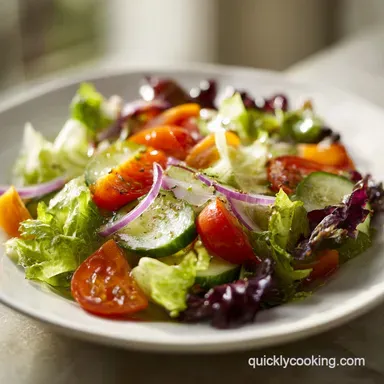
Ingredients:
Instructions:
Nutrition Facts:
| Calories | 114 kcal |
|---|---|
| Protein | 1.5 g |
| Fat | 10.4 g |
| Carbs | 4.8 g |
| Fiber | 1.5 g |
| Sugar | 2.1 g |
| Sodium | 185 mg |
