Deviled Eggs: Creamy with Smoky Bacon
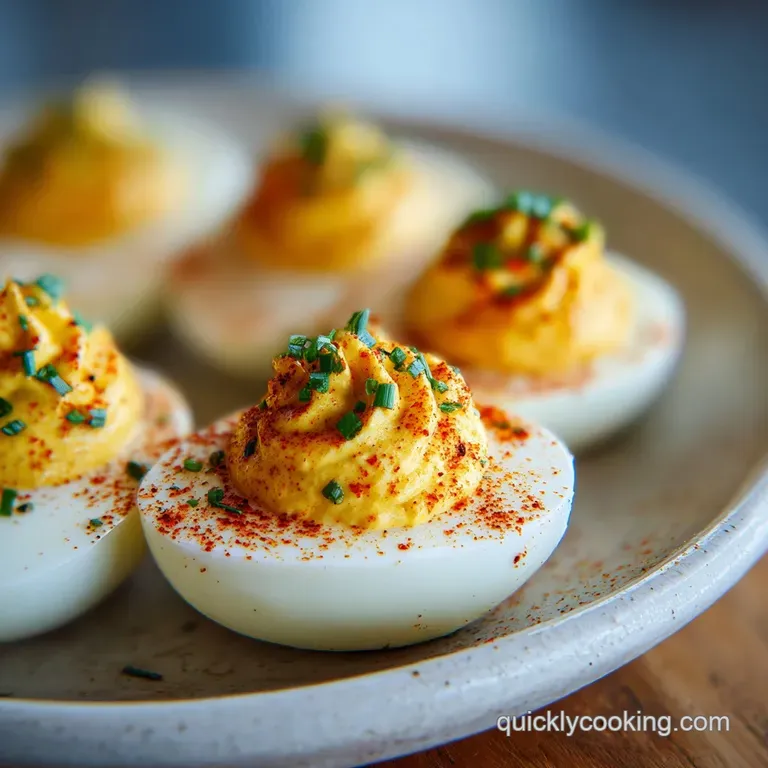
- Time: Active 32 minutes, Passive 13 minutes, Total 45 minutes
- Flavor/Texture Hook: Velvety yolks with a smoky, salty bacon crunch
- Perfect for: budget-friendly holiday appetizers or Sunday backyard BBQs
- The Best Ever Deviled Eggs for Crowds
- Why the Steam Method Works
- Essential Specs for Successful Cooking
- Component Deep Dive Analysis
- Budget Ingredients and Simple Substitutions
- Necessary Tools for Silky Fillings
- Step-by-Step Guide for Perfect Results
- Avoiding Common Texture Mistakes
- Flavor Variations and Creative Swaps
- Debunking Egg Cooking Myths
- Safe Storage and Leftover Ideas
- Professional Presentation and Plating
- Recipe FAQs
- 📝 Recipe Card
The Best Ever Deviled Eggs for Crowds
There’s a specific "thwack crunch" sound that happens when you strike a perfectly hard boiled egg against a granite countertop. It’s the sound of potential. I remember one specific Easter morning where I was tasked with making four dozen of these for the family brunch.
I was stressed, rushing, and ended up mangling half the whites because the shells just wouldn't let go. It looked like a pack of wolves had gotten into the kitchen. That was the day I realized that if you're going to make Deviled Eggs, you need a plan that doesn't rely on luck.
We've all been there standing over a sink, picking off tiny shards of shell while the delicate egg white tears into a jagged mess. It’s frustrating and, frankly, a waste of good food. But then I tried steaming. The first time I lifted the lid and saw those eggs sitting in the basket, I was skeptical.
But after a quick ice bath, the shells practically fell off in one piece. The joy was real. I texted my sister immediately; it felt like I’d discovered fire for the first time.
Today, we’re keeping things budget friendly and fast without sacrificing that high end texture. You don't need expensive truffle oils or fancy salts to make the best ever deviled eggs. You just need a few pantry staples, a little bit of patience with a mesh sieve, and the right timing.
We're going to focus on a filling so smooth it feels like silk, topped with the smoky sizzle of crumbled bacon that adds just the right amount of salt to cut through the richness.
Why the Steam Method Works
- Thermal Shock: Dropping eggs into active steam rather than cold water prevents the membrane from fusing to the shell.
- Vapor Pressure: Steam penetrates the porous shell more evenly than boiling water, creating a tiny cushion of air for easier peeling.
- Sieve Aeration: Pushing yolks through a fine mesh breaks down fat molecules into a fine powder, ensuring a lump free finish.
- Acid Stabilization: Vinegar prevents the proteins in the yolk from feeling too heavy or "cloggy" on the tongue.
| Method | Time | Texture | Peeling Ease |
|---|---|---|---|
| Precision Steam | 13 minutes | Creamy & Bright | 10/10 - Shells slide off |
| Traditional Boil | 10-12 minutes | Denser center | 6/10 - Often sticks |
| Pressure Cooker | 5 minutes | Firm & Solid | 9/10 - Very reliable |
The steam method is my absolute favorite because it is remarkably consistent regardless of how fresh your eggs are. If you start with cold eggs in boiling water, they often crack from the pressure, but steam is gentler. It’s the fastest way to get a professional result with zero wasted eggs.
Essential Specs for Successful Cooking
When we talk about the best ever deviled eggs, we have to look at the timeline. You can’t rush the cooling process, or your filling will turn into a runny mess as the mayo melts against the warm yolks. Trust me, I’ve tried to shortcut the ice bath before, and it resulted in "deviled soup." Not a good look.
1. The 45 Minute Timeline
We are looking at exactly 13 minutes of cook time followed by a mandatory 10 minute chill. The rest of the time is spent on the "finishing school" for our eggs peeling, sieving, and piping. If you follow this flow, you’ll never have a rubbery white or a chalky yolk.
2. The Three Step Flow
First, we handle the heat by steaming the eggs to a perfect medium firm set. Second, we move to the "Silk Phase," where we pulverize the yolks and whisk in our fats and acids. Finally, we execute the "Finish," which is all about the garnish and presentation.
3. Numerical Checkpoints
- Water Level: Exactly 1 inch in the bottom of the pot.
- Steam Time: 13 minutes for a large egg (do not guess!).
- Rest Time: 10 minutes in the ice bath to stop carryover cooking.
Component Deep Dive Analysis
| Component | Role | Pro Secret |
|---|---|---|
| Large Eggs | Structure | Use eggs that are 7-10 days old for even easier peeling. |
| Dijon Mustard | Emulsifier | Adds a sharp "bite" that balances the heavy mayonnaise fat. |
| Apple Cider Vinegar | Acid Profile | Brightens the flavor and prevents the yolk from looking dull. |
| White Pepper | Seasoning | Provides heat without the black specks, keeping the filling looking clean. |
A quick note on the eggs: while I love farm fresh eggs for frying, for this recipe, store-bought eggs that have sat in your fridge for a week are actually better. As eggs age, the pH level rises, which causes the membrane to pull away from the shell.
It’s a budget friendly hack that saves you a massive headache during the peeling phase.
Budget Ingredients and Simple Substitutions
For this ever deviled eggs recipe, we are using ingredients you likely already have in the door of your fridge. We’re keeping the cost low while keeping the flavor high. If you don’t have Dijon, don't sweat it regular yellow mustard works, though it’s a bit more "picnic style" and a little less sophisticated.
- 12 Large Eggs: Why this? The foundation of the dish; provides the protein and the vessel. (Sub: Medium eggs, but reduce steam time by 1 minute).
- 0.5 cup high-quality mayonnaise: Why this? Provides the creamy fat base for a velvety mouthfeel. (Sub: Plain Greek yogurt for a tangier, lower cal version).
- 1.5 tbsp Dijon mustard: Why this? Adds depth and acts as a binder for the emulsion. (Sub: 1 tbsp dry mustard powder).
- 1 tsp apple cider vinegar: Why this? The acid cuts through the richness of the yolk. (Sub: Fresh lemon juice or white wine vinegar).
- 0.5 tsp fine sea salt: Why this? Enhances all other flavors without being overpowering. (Sub: Table salt, but use slightly less).
- 0.25 tsp white pepper: Why this? Adds floral heat without visual black specks. (Sub: Finely ground black pepper).
- 0.5 tsp sugar: Why this? A tiny amount balances the vinegar’s sharp edge. (Sub: Honey or agave nectar).
- 0.25 tsp garlic powder: Why this? Adds a savory, umami background note. (Sub: Very finely grated fresh garlic).
- 1 tsp smoked paprika: Why this? For that classic color and a hint of woodsmoke. (Sub: Sweet paprika for less smoke).
- 1 tbsp fresh chives, minced: Why this? Adds a fresh, oniony pop and bright green color. (Sub: Green onion tops, sliced very thin).
- 2 strips thick cut bacon, fried and crumbled: Why this? The ultimate salty, crunchy topper. (Sub: Smoked salt or bacon bits).
| Original Ingredient | Substitute | Why It Works |
|---|---|---|
| Dijon Mustard | Yellow Mustard | Same acidity but a more aggressive, vinegary punch. |
| Apple Cider Vinegar | Pickle Juice | Adds a salty, herbal complexity that everyone loves. |
| White Pepper | Cayenne Pepper | Adds a more noticeable "kick" and a reddish tint. |
If you decide to use pickle juice as your acid substitute, go easy on the salt initially. Most pickle brines are already quite salty, and you don't want to tip the balance too far. I once made that mistake and had to add an extra yolk just to save the batch!
Necessary Tools for Silky Fillings
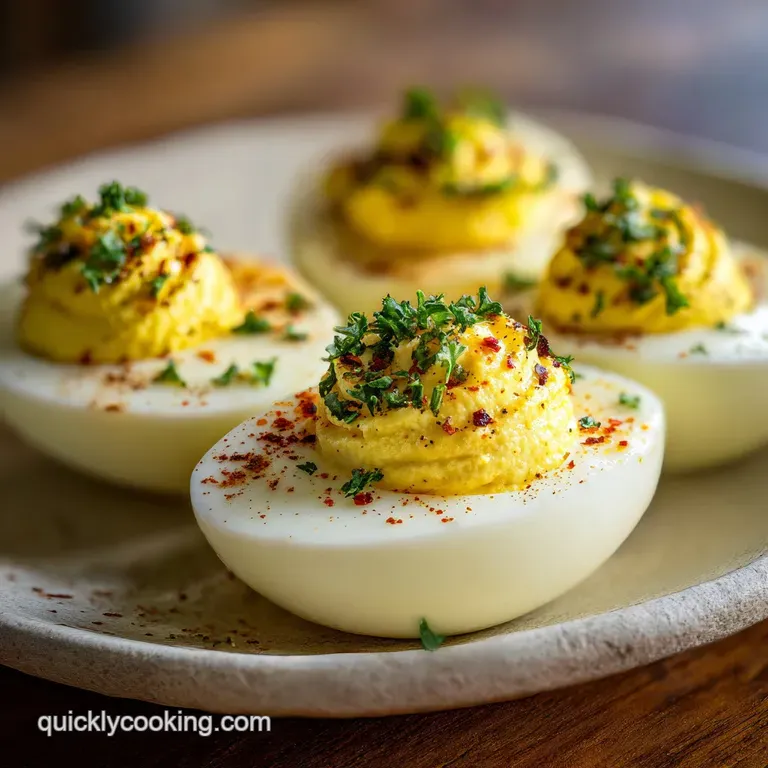
You don’t need a professional kitchen, but a few specific tools make this "fast and flavor" approach much easier. If you don't have a steamer basket, you can use a metal colander that fits inside a large pot. Just make sure the lid can still close tightly to trap that heat.
The real "secret weapon" here is the fine mesh sieve. Most people just mash their yolks with a fork, which is fine for a Tuesday night, but for the best deviled eggs with bacon, you want that powdery, airy texture. Pushing the yolks through the mesh ensures there are zero lumps.
It takes an extra three minutes, but it's the difference between "good" and "wow, how did you make these?"
For the piping, you don’t even need a real piping bag. A heavy duty Ziploc bag with the corner snipped off works perfectly. If you want that fancy star shape, you can drop a plastic tip into the corner of the bag before adding the filling.
It’s a cheap hack that makes the final plate look like it came from a caterer.
step-by-step Guide for Perfect Results
- Boil the water. Bring 1 inch of water to a rolling boil in a large pot. Note: Using less water means it reaches temperature faster, saving energy.
- Steam the eggs. Place 12 eggs in a steamer basket, lower into the pot, cover, and steam for 13 minutes until the centers are fully set but not chalky.
- Shock the eggs. Immediately transfer the eggs to a bowl filled with ice and cold water for 10 minutes until they are cold to the touch.
- Peel under water. Crack the shells gently all over, then peel them under cold running water to help the shell shatter and slide away effortlessly.
- Sieve the yolks. Slice eggs lengthwise, pop out the yolks, and press them through a fine mesh sieve into a bowl until they resemble a fine, pale powder.
- Build the emulsion. Whisk in the mayo, Dijon, vinegar, salt, pepper, sugar, and garlic powder until the mixture is velvety and smooth.
- Fill the whites. Transfer the mixture to a piping bag and pipe generous mounds into the hollowed egg whites until they are over filled.
- Prepare the garnish. Fry your bacon until crispy and sizzling, then crumble into small bits.
- Add the finish. Dust with smoked paprika, then top with the bacon crumbles and fresh chives until the eggs look vibrant and textured.
Chef's Tip: If your filling feels a bit too stiff after sieving, add a teaspoon of warm water. It loosens the fats in the mayo and makes the piping much more fluid without changing the flavor.
Avoiding Common Texture Mistakes
The biggest heartbreak in the deviled egg world is the "Rubbery White." This usually happens when the eggs are boiled too hard or for too long. By using steam, the heat is more consistent and less aggressive than bubbling water, which keeps the whites tender.
If you find your eggs are hard to peel, try cracking the "fat" end of the egg first that’s where the air pocket usually lives.
Achieving the Perfect Yolk Center
If you see a green or grey ring around your yolk, you've overcooked them. That’s iron and sulfur reacting, and while it’s safe to eat, it tastes a bit like a matchstick. Stick to that 13 minute timer like your life depends on it. Also, make sure your ice bath is actually icy.
If the water is just lukewarm, the eggs will keep cooking inside their shells.
| Problem | Root Cause | Solution |
|---|---|---|
| Runny Filling | Too much vinegar or warm yolks | Chill yolks completely before mixing; add mayo slowly. |
| Grainy Texture | Improper mashing | Use a fine mesh sieve or a food processor for the yolks. |
| Torn Whites | Peeling too fast | Peel under a stream of cold water to lubricate the membrane. |
Common Mistakes Checklist
- ✓ Never skip the ice bath (it stops the cooking instantly).
- ✓ Don't use brand new eggs if you can help it (older eggs peel better).
- ✓ Avoid mashing with a fork if you want a professional, silky look.
- ✓ Ensure the bacon is extra crispy so it doesn't go limp on the egg.
- ✓ Pat the egg whites dry with a paper towel before piping to prevent sliding.
Flavor Variations and Creative Swaps
If you want to move away from the classic deviled eggs recipe, there are endless ways to play with the profile. Because the base is so budget friendly, you can afford to experiment with one or two "premium" additions if you're feeling fancy. But honestly, the bacon chive combo is a classic for a reason.
1. The Smokehouse Version
This is my favorite way to serve them. You use the smoked paprika and the bacon, but you can also add a drop of liquid smoke to the filling. It gives it a "campfire brunch" vibe that is absolutely addictive.
2. The "Everything" Egg
Take some "Everything Bagel" seasoning and use that as your primary garnish. It adds poppy seeds, dried garlic, and sesame seeds for a massive crunch. If you do this, skip the sea salt in the filling, as the seasoning is usually quite salty already.
| Servings | Egg Count | Mayo Amount | Tray Size |
|---|---|---|---|
| 6 People | 6 Eggs | 1/4 Cup | Small Plate |
| 12 People | 12 Eggs | 1/2 Cup | Large Platter |
| 24 People | 24 Eggs | 1 Cup | Two Platters |
3. Decision Shortcuts
- If you want more kick: Add a teaspoon of horseradish or a dash of Sriracha.
- If you want more creaminess: Swap half the mayo for softened cream cheese.
- If you want it lighter: Use mashed avocado instead of half the mayo.
Debunking Egg Cooking Myths
There’s a long standing myth that adding vinegar or baking soda to the boiling water makes eggs easier to peel. Honestly, I've tried both side-by-side, and the difference is negligible. The real factor is the age of the egg and the "hot start" (putting cold eggs into hot steam).
Starting eggs in cold water allows the membrane to bond to the shell as it heats up, which is exactly what we want to avoid.
Another common misconception is that you need to "spin" the egg to see if it's hard boiled. While that works to tell if it's raw or cooked, it doesn't tell you how cooked it is. Trust the timer, not the spin. Also, don't worry about the yolk being perfectly centered.
While some people swear by storing eggs on their sides overnight to center the yolks, it's a lot of work for a very small visual gain.
Safe Storage and Leftover Ideas
Storage: Deviled eggs are best eaten within 24 hours. You can keep them in the fridge for up to 3 days in an airtight container, but the whites will start to get a bit rubbery and the filling may "weep" or release moisture.
If you are making them ahead of time, store the whites and the filling separately. Put the filling in a piping bag and seal the end with a clip. Pipe them right before the party starts for the freshest look.
Freezing: Just don't. Cooked egg whites turn into a watery, spongy mess in the freezer. It’s one of those things that simply doesn't survive the thawing process.
Zero Waste Tips: If you have leftover filling but no whites left (maybe a couple of them tore?), it makes an incredible spread for toast or a sandwich. You can also chop up any mangled egg whites and mix them back into the filling for a quick egg salad.
If you have extra chives or bacon, toss them into your morning scrambled eggs or a baked potato. Nothing goes to waste in a budget friendly kitchen!
Professional Presentation and Plating
To make these look truly high end, it's all about the height. When you pipe the filling, don't just fill the hole build a spiral that goes upward. This creates shadows and texture that make the plate look expensive.
I like to use a star tip because those little ridges catch the smoked paprika and make the colors pop.
For the garnish, try to be intentional. Instead of just dumping the bacon on top, place one nice, crispy piece of bacon and a couple of cross cut chives at an angle. It looks like something you’d pay $15 for at a trendy bistro.
If you're transporting them, use a egg carrier or a bed of microgreens to keep them from sliding around on the platter. There is nothing sadder than a deviled egg that has flipped over in the car!

Recipe FAQs
What is the secret ingredient to perfect deviled eggs?
Pressing the yolks through a fine mesh sieve is the secret. This technique turns the yolks into a fine powder, ensuring your final filling is perfectly smooth and velvety rather than chunky.
What does Martha Stewart put in her deviled eggs?
She emphasizes classic, balanced flavors like mayonnaise and Dijon mustard. This recipe mirrors that professional standard by combining those staples with apple cider vinegar, garlic powder, and a touch of sugar for a balanced profile.
How does Gordon Ramsay make deviled eggs?
Steam your eggs for exactly 13 minutes to achieve the perfect texture. Following this by immediately shocking them in an ice water bath for 10 minutes stops the cooking process and prevents that unwanted green ring around the yolk.
What is the forgotten ingredient I always add to my deviled eggs?
White pepper is frequently overlooked but essential. It provides a sophisticated, earthy heat that complements the richness of the egg yolks without the black specks that black pepper would leave in your smooth mixture.
Is it true I must boil eggs for 20 minutes to get them hard boiled?
No, this is a common misconception. Steaming your eggs for exactly 13 minutes is the optimal method to reach a fully set center without making the yolks chalky or overcooked.
How to ensure the filling stays inside the egg white halves?
Pat the egg white cavities dry with a paper towel before piping. Any residual moisture on the surface of the whites will cause the creamy filling to slide off, so keeping them dry ensures the filling adheres properly.
How to get the cleanest, most professional look for my eggs?
Use a piping bag fitted with a star tip for your filling. This tool adds height and decorative ridges to the yolk mixture, which looks far more professional than using a spoon, especially when topped with a dusting of smoked paprika.
Creamy Bacon Deviled Eggs
Ingredients:
Instructions:
Nutrition Facts:
| Calories | 75 kcal |
|---|---|
| Protein | 3.5 g |
| Fat | 6.4 g |
| Carbs | 0.4 g |
| Fiber | 0 g |
| Sugar | 0.2 g |
| Sodium | 105 mg |
