Crispy Lemon Pepper Chicken Wings Recipe
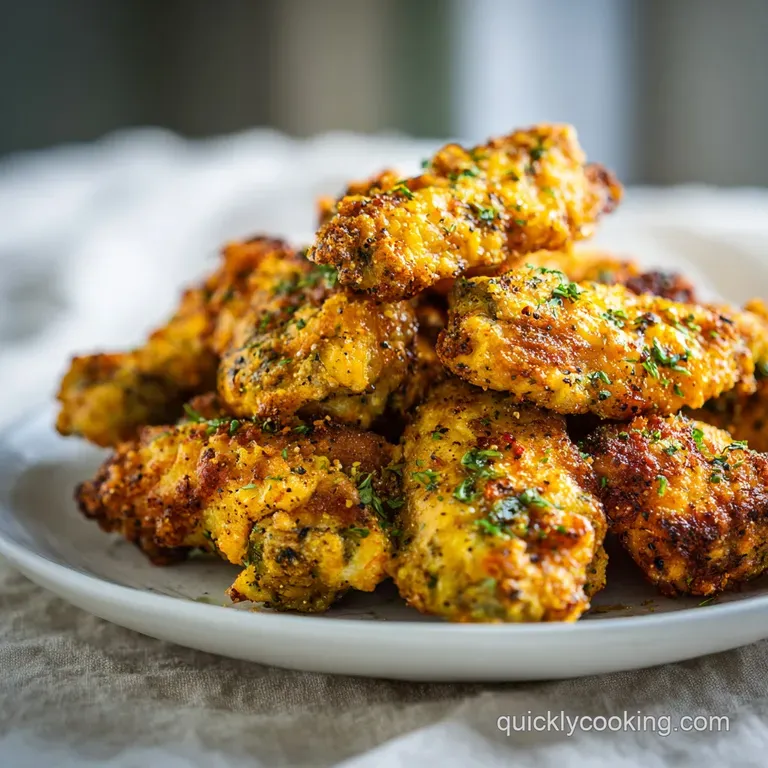
- Time: Active 15 minutes, Passive 45 minutes, Total 60 minutes
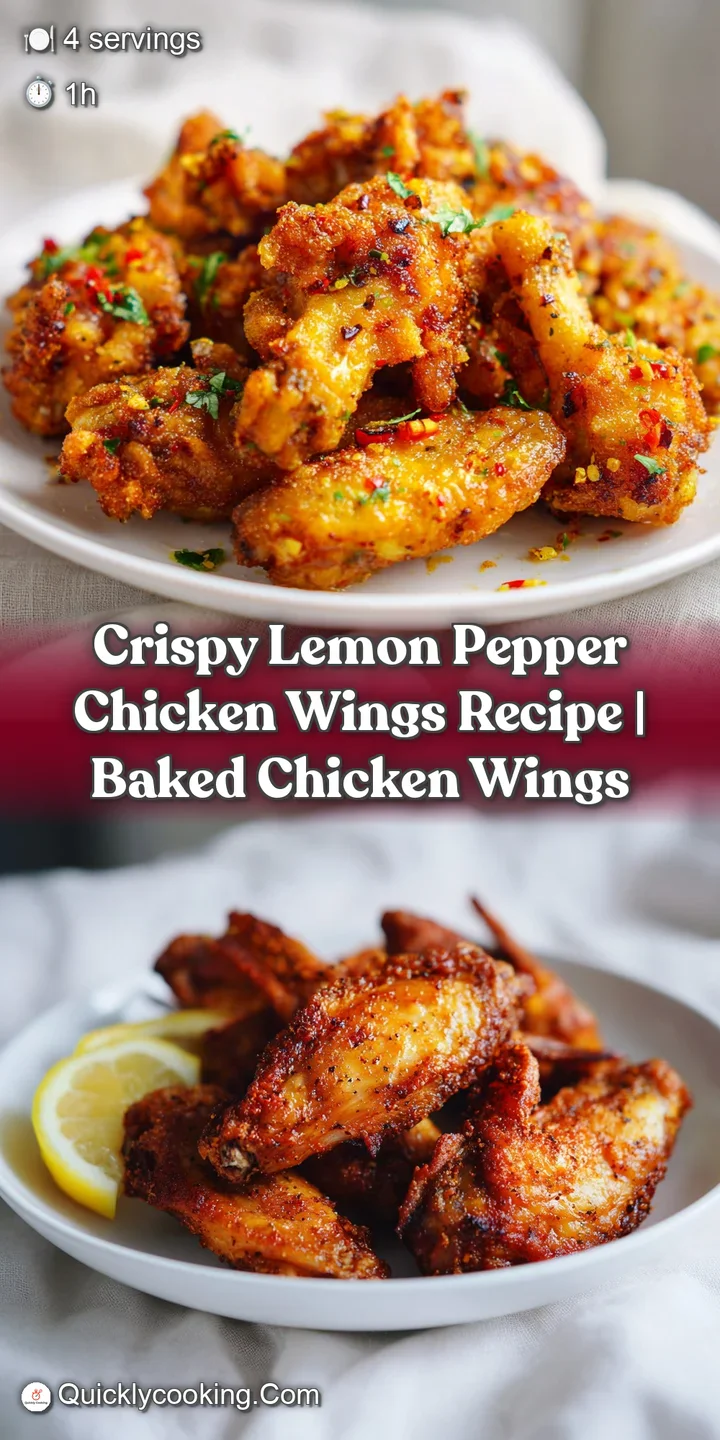
- Flavor/Texture Hook: Shatter crisp skin with a velvety, zesty lemon butter finish
- Perfect for: High speed game day snacks or efficient weeknight protein prep
- The Best Crispy Lemon Pepper Chicken Wings Recipe
- The Science of the Crunch
- Ingredient Deep Dive Analysis
- Fresh Ingredients for This Wings Recipe
- Gadget Powered High Speed Equipment
- High Heat Execution and Steps
- Troubleshooting Common Wing Failures
- Scaling for Different Batch Sizes
- Decoding Kitchen Myths
- Storage and Zero Waste Guidelines
- Tasty Sides That Pair With Wings
- High in Sodium
- Recipe FAQs
- 📝 Recipe Card
The Best Crispy Lemon Pepper Chicken Wings Recipe
The sharp hiss of lemon zest hitting melted butter is the first sign that things are going right. I remember the first time I tried to make these. I followed a generic recipe that called for frying them in a pool of oil, and my kitchen smelled like a grease pit for three days.
The wings were okay, but they lacked that high speed "snap" I crave. I knew there had to be a more efficient, gadget focused way to get that crunch without the mess.
After a few failed experiments involving soggy skin and under seasoned meat, I stumbled upon the science of pH levels in poultry skin. It turns out, you don't need a vat of oil, you just need a little chemistry and a hot oven.
The secret isn't in the heat alone, it's in how you prep the surface of the wing to react to that heat. Once I figured that out, it was a total pivot for my wing game.
We're going to use a specific convection style approach that mimics a professional air fryer. This recipe isn't about standing over a stove. It's about setting up your equipment, timing your intervals, and letting the thermodynamics do the heavy lifting.
You'll get wings that crackle when you bite into them, followed by that punchy, citrus forward zip that only fresh lemon can provide.
The Science of the Crunch
The Alkaline Reaction: Baking powder raises the skin's pH, breaking down peptide bonds and allowing the surface to brown and crisp much faster. This creates tiny micro bubbles that increase surface area, leading to a shatter like texture once the heat hits.
- High Speed Evaporation: Salting the skin early draws out deep moisture, which then evaporates rapidly in the oven, preventing the dreaded "steaming" effect.
- Maillard Acceleration: The garlic powder and lemon pepper seasoning contain trace sugars and proteins that react under high heat to create a complex, savory crust.
- Fat Emulsification: Whisking fresh lemon juice into melted butter creates a temporary emulsion that clings to the crispy skin without making it soggy.
- Thermal Stability: Using aluminum free powder ensures no metallic aftertaste occurs during the high temperature chemical transition.
| Cooking Method | Total Time | Texture Profile | Best For |
|---|---|---|---|
| Air Fryer | 25 minutes | Ultra dry and light | Quick individual batches |
| Standard Oven | 45 minutes | Deeply rendered fat | Feeding a crowd (4+ people) |
| Classic Deep Fry | 15 minutes | Greasy but traditional | Maximum calorie indulgence |
If you're looking for another gadget friendly poultry win, my Homemade Crispy Air recipe uses a similar high speed airflow technique to get a perfect crust every time.
Ingredient Deep Dive Analysis
| Ingredient | Science Role | Pro Secret |
|---|---|---|
| Baking Powder | pH Modifier | Must be aluminum free to avoid a bitter, "tinny" flavor profile. |
| Unsalted Butter | Flavor Carrier | Provides the fat needed to suspend the lemon zest oils against the wing. |
| Lemon Zest | Essential Oils | Contains limonene, which provides 90% of the actual citrus aroma. |
| Kosher Salt | Moisture Extractor | Larger grains draw out moisture more effectively than fine table salt. |
The choice of seasoning is vital for this Crispy Lemon Pepper Chicken Wings Recipe. I always reach for a salt free lemon pepper blend so I can control the sodium levels myself.
Most store-bought "lemon pepper" is actually 60% salt, which ruins the chemical balance we're trying to achieve with the baking powder and kosher salt.
Fresh Ingredients for This Wings Recipe
- 1.4 kg (3 lbs) chicken wings: Separated into flats and drumettes. Why this? Separated pieces cook more evenly and maximize the surface to heat ratio.
- 1 tbsp aluminum free baking powder: Not baking soda! Why this? It's the primary engine for that shatter crisp texture.
- 1 tsp kosher salt: Use Diamond Crystal if possible. Why this? It has a lower density, making it harder to over salt the meat.
- 1 tsp freshly cracked black pepper: Grind it fresh. Why this? Pre ground pepper loses its spicy volatile oils very quickly.
- 4 tbsp unsalted butter: Melted and slightly cooled. Why this? Fat carries the lemon flavor across every nook and cranny.
- 2 tsp salt free lemon pepper seasoning: Check the label. Why this? Allows for intense lemon flavor without a salt bomb effect.
- 1 tbsp fresh lemon zest: About one large lemon. Why this? Zest provides the aroma; juice provides the acidic bite.
- 1 tbsp fresh lemon juice: Squeezed just before use. Why this? Bottled juice has a dull, metallic flavor that ruins the finish.
- 1/2 tsp garlic powder: Fine mesh powder. Why this? Fresh garlic would burn at these high roasting temperatures.
| Original Ingredient | Substitute | Why It Works |
|---|---|---|
| Unsalted Butter | Ghee | Higher smoke point and more intense nutty flavor notes. |
| Baking Powder | Cornstarch | Provides a crunch, but lacks the alkaline pH boost for browning. |
| Lemon Juice | Apple Cider Vinegar | Provides the necessary acid hit but lacks the citrus aroma. |
Gadget Powered High Speed Equipment
To get these results, you need a setup that promotes airflow. I use a large rimmed baking sheet paired with a stainless steel wire cooling rack. This is non negotiable. If the wings sit directly on the metal pan, they will sit in their own rendered fat and turn soggy.
Elevating them allows the hot air to circulate 360 degrees, effectively "air frying" them in the oven.
Chef's Tip: Freeze your butter for 10 minutes before melting it. This might sound counter intuitive, but cold butter that is rapidly melted just before emulsifying with lemon juice creates a thicker, more velvety sauce that "grips" the wings better than butter that has been sitting at room temperature.
High Heat Execution and Steps
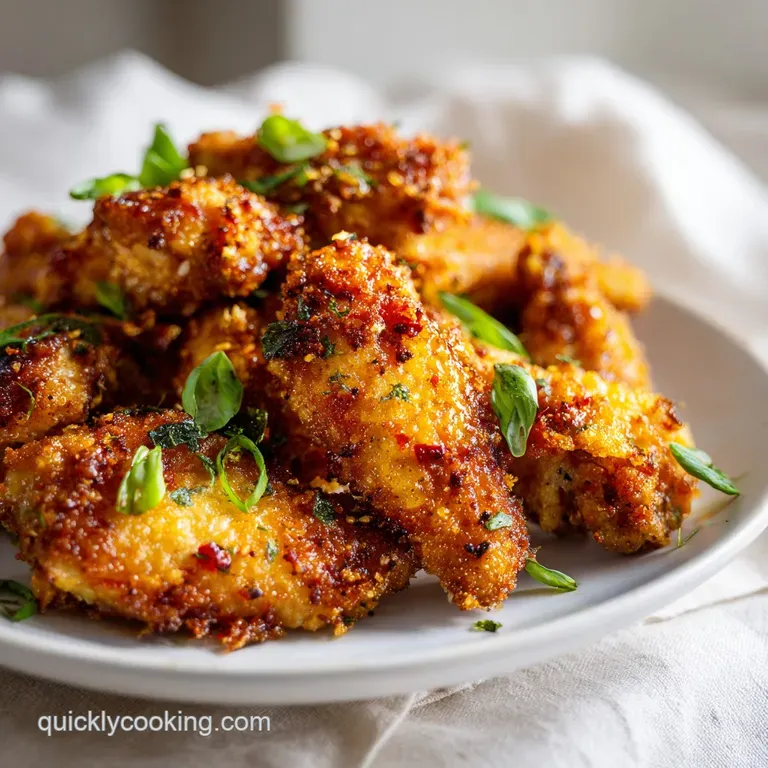
- Prep the wings. Pat the 1.4 kg of chicken wings completely dry with paper towels until the skin feels tacky. Note: Surface moisture is the enemy of the crunch.
- Apply the rub. Whisk baking powder, salt, and black pepper in a large bowl.
- Coat the chicken. Toss the wings in the powder mixture until every crevice is lightly dusted. Note: You don't want clumps, just a fine veil of powder.
- Arrange for airflow. Place wings on a wire rack set over a baking sheet until they are spaced 2 cm apart.
- Initial roast. Bake at 120°C (250°F) for 20 minutes until the fat begins to render and the skin looks translucent.
- Crank the heat. Increase the oven to 220°C (425°F).
- Final crisp. Roast for another 25 minutes until the skin is golden brown and audibly crackles when tapped with a fork.
- Prepare the infusion. While wings roast, whisk melted butter, lemon pepper, zest, juice, and garlic powder in a massive bowl.
- The big toss. Transfer hot wings directly into the lemon butter mixture.
- Emulsify. Toss vigorously for 30 seconds until the sauce transforms into a velvety glaze that coats the wings.
If you're doing a multi course spread, these wings pair exceptionally well with a Greek Chicken Souvlaki recipe if you want to keep the citrus theme going across your grazing board.
Troubleshooting Common Wing Failures
Why Your Wings Stay Rubbery
The most common culprit is surface moisture. If the wings aren't "bone dry" before the baking powder hits them, the powder turns into a paste instead of a chemical leavener. This paste acts as an insulator, keeping the skin soft and rubbery rather than allowing it to crisp.
Why Your Wings Taste Metallic
If you used baking powder containing sodium aluminum sulfate, the high heat can trigger a bitter, metallic reaction. Always double check your label for "Aluminum Free." Also, ensure you didn't accidentally use baking soda, which is much stronger and will taste soapy in these quantities.
| Problem | Root Cause | Solution |
|---|---|---|
| Soggy Bottoms | Lack of airflow | Use a wire rack; do not place wings directly on the pan. |
| Bland Flavor | Old Seasoning | Toast the lemon pepper seasoning in a dry pan for 30 seconds before use. |
| Burned Garlic | Fresh Garlic used | Stick to garlic powder; fresh bits burn at 220°C and turn bitter. |
Common Mistakes Checklist ✓ Never crowd the pan - if they touch, they'll steam each other. ✓ Don't skip the "low heat" first phase; it renders the fat so the skin can crisp later. ✓ Use a bowl twice as big as you think for the final toss to ensure even coating.
✓ Ensure the baking powder is fresh; if it's over 6 months old, the reaction will be weak. ✓ Resist the urge to flip them too often; let the air circulation do the work.
Scaling for Different Batch Sizes
Scaling Down (2 servings): If you're just cooking for two, use 700g of wings. You can cut all ingredients exactly in half. Use a smaller toaster oven if it has a convection setting it’s more efficient than heating a full sized oven for a small batch.
Scaling Up (8-12 servings): When doubling or tripling, do not just double the baking powder linearly. For 3 kg of wings, use 2.5 tbsp of baking powder instead of 3. Too much powder can leave a gritty texture.
Work in batches for the final toss to ensure the butter doesn't cool down and break the emulsion before the last wing is coated.
Decoding Kitchen Myths
One common misconception is that you need to deep fry wings to get a "restaurant style" crunch. In reality, modern convection technology and pH manipulation (the baking powder trick) can actually produce a drier, crunchier skin because it doesn't absorb the heavy frying oil.
Another myth is that you should marinate wings in lemon juice before cooking. This is a mistake! The acid in the lemon juice will "cook" the protein (denaturation), making the meat tough and the skin mushy.
Always apply your acid the lemon juice at the very end as a glaze to maintain the structural integrity of that crispy skin.
Storage and Zero Waste Guidelines
Storage: Keep leftovers in an airtight glass container in the fridge for up to 4 days. Note that the lemon butter glaze will solidify, so they won't be as "shatter crisp" as they were fresh out of the oven.
Freezing: You can freeze the roasted wings (before tossing in sauce) for up to 2 months. To reheat, go straight from the freezer to a 200°C oven for 15 minutes. Toss in fresh lemon butter after reheating.
Zero Waste: Don't throw away those lemon husks! After zesting and juicing, toss the spent lemon halves into your dishwasher's cutlery basket for a fresh scent, or boil them with some water and vinegar to steam clean your microwave.
Tasty Sides That Pair With Wings
To balance the high fat content of the wings, I love serving these with a crisp, cold vegetable. A classic celery and carrot plate is standard, but try a shaved fennel salad with a light vinaigrette to echo the citrus notes. If you want something more substantial, a Spicy Chicken Wings Recipe alongside these provides a great "Hot vs. Zesty" contrast for a party spread.
For a dipping sauce, skip the heavy blue cheese. A light yogurt based dip with fresh dill and a crack of black pepper complements the lemon without masking it. The goal is to keep the palate refreshed so you can keep coming back for "just one more" wing. Trust me, with this level of crunch, they go fast.
High in Sodium
985 mg of sodium per serving (43% of daily value)
The American Heart Association recommends limiting sodium intake to about 2,300mg per day.
Tips to Reduce Sodium in Your Chicken Wings
-
Reduce Added Salt-25%
Decreasing the amount of kosher salt from 1 tsp to 1/2 tsp could significantly reduce the sodium content. Salt plays a big role in flavor so reduce it gradually.
-
Lemon Power-15%
Omit the salt free lemon pepper seasoning entirely and increase the fresh lemon zest to 2 tbsp to add more flavor without increasing sodium. Fresh lemon juice also helps.
-
Garlic Enhancement-5%
Increase the garlic powder to 3/4 tsp for a more pronounced garlic flavor, helping to compensate for the reduced salt.
-
Spice It Up!
Experiment with salt free herbs and spices like smoked paprika, onion powder, or cayenne pepper to enhance the flavor of the wings without adding sodium.
Recipe FAQs
What is the secret ingredient to crispy wings?
Aluminum free baking powder. It raises the skin’s pH, which breaks down peptide bonds, allowing the surface to dehydrate and brown rapidly in the high heat.
What's the best way to make crispy wings?
Bake them on a wire rack set over a baking sheet. Elevating the wings ensures hot air circulates 360 degrees, mimicking an air fryer and preventing the bottom from steaming in rendered fat.
What are some common mistakes to avoid when making lemon pepper wings?
Avoid applying lemon juice before cooking or using too much salt. Acidic marinades soften the skin, and too much salt inhibits the crucial early drying phase; apply the acidic glaze only after they are fully cooked.
Is Wingstop's lemon pepper a dry rub?
Yes, it is typically applied as a dry rub after frying. However, for a zestier flavor profile similar to this recipe, tossing them in a light lemon butter emulsion post cook provides superior flavor adherence.
Why must I use a wire rack and not just a baking sheet?
False. Placing wings directly on the pan causes soggy bottoms. The rack allows gravity to pull rendered fat away from the skin so the heat can crisp all sides simultaneously; this same thermal principle applies when you are trying to achieve even cooking in recipes like our Roasted Garlic Herb recipe.
How do I maximize the lemon flavor without making the wings tough?
Use only fresh lemon zest and juice at the very end. The oils in the zest provide the aroma, while the acid in the juice should be whisked into melted butter immediately before coating the finished, crispy wings.
Can I use baking soda instead of baking powder?
No, stick with aluminum free baking powder. Baking soda is much stronger; using it in this quantity will result in a soapy, metallic off-taste once cooked at high temperatures.
Crispy Lemon Pepper Wings
Ingredients:
Instructions:
Nutrition Facts:
| Calories | 748 kcal |
|---|---|
| Protein | 53.6 g |
| Fat | 56.2 g |
| Carbs | 1.9 g |
| Fiber | 0.3 g |
| Sugar | 0.4 g |
| Sodium | 985 mg |
