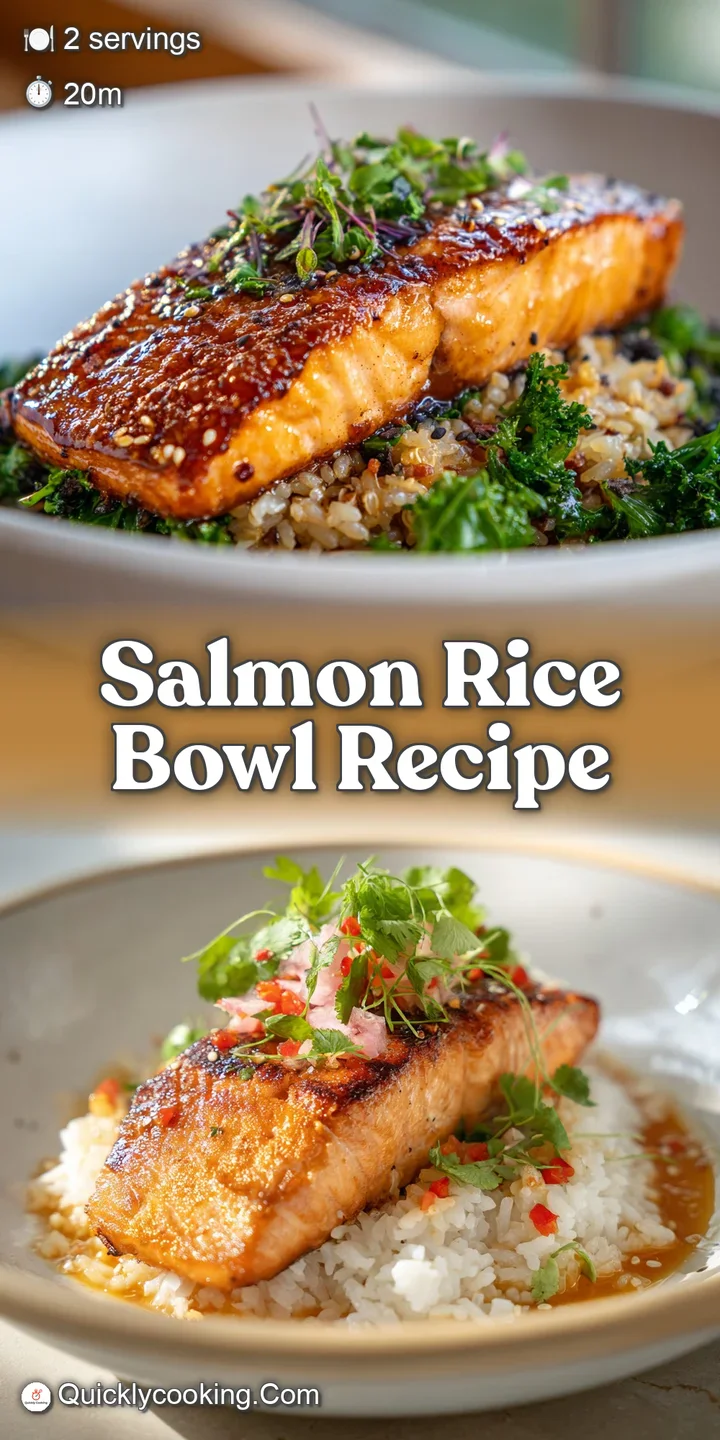
Crispy Salmon Rice Bowl in 20 Minutes
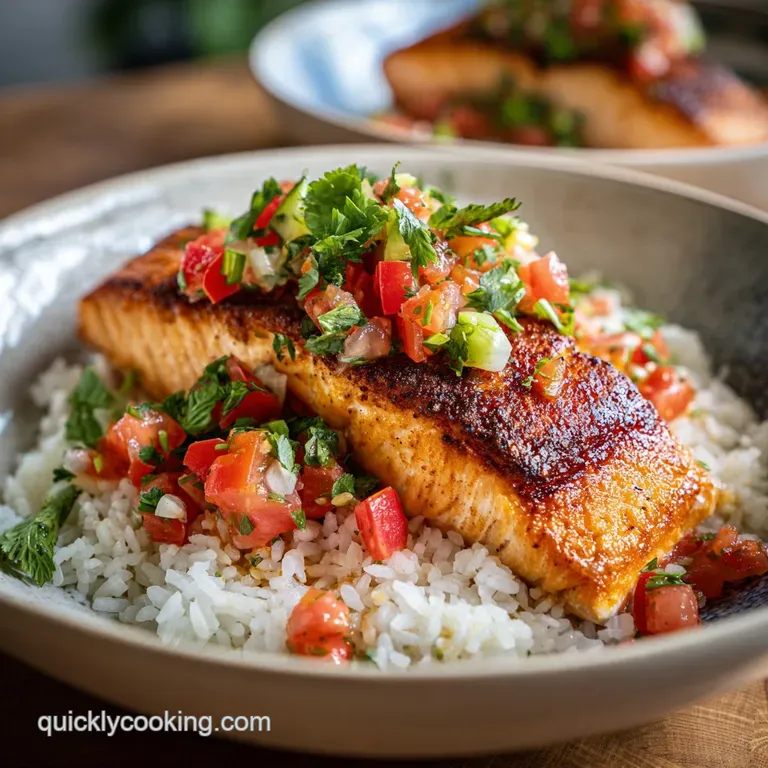
- Time: Active 10 mins, Passive 10 mins, Total 20 mins
- Flavor/Texture Hook: Shatter crisp skin meets buttery avocado and zesty ginger
- Perfect for: High efficiency weeknight dinners or rapid muscle recovery fuel
- The Ultimate 20 Minute Salmon Rice Bowl
- The Science of Texture
- Essential Ingredient Deep Dive
- Prime Pantry Components
- Minimal Tools Required
- From Prep to Plate
- Solving Common Issues
- Scaling the Portions
- Debunking Kitchen Myths
- Smart Storage Tips
- Perfect Meal Pairings
- Very High in Sodium
- Recipe FAQs
- 📝 Recipe Card
The Ultimate 20 Minute Salmon Rice Bowl
The moment that 6 oz salmon fillet hits the hot oil, the high pitched sizzle tells you everything you need to know. It's a sharp, aggressive crackle that signals the skin is transforming from soft protein into a glass like wafer.
I remember the first time I got this right; I was so hungry after a long shift that I almost ate it straight out of the pan, but the aroma of toasted sesame oil and fresh ginger hitting the warm rice stopped me in my tracks.
You aren't just making a meal here; you're engineering a contrast of temperatures and textures. We're talking about the icy crunch of English cucumber against the warmth of freshly steamed Jasmine rice, all tied together by a soy honey glaze that’s thick enough to coat a spoon but light enough not to drown the fish.
It's the kind of dish that makes you feel like a pro even when you've only got twenty minutes before your next commitment.
We’ve all had those sad, soggy salmon bowls where the skin is rubbery and the rice is a flavorless clump. That ends today. We're stripping away the unnecessary steps and focusing on the high efficiency moves that actually move the needle on flavor.
You'll learn exactly how to manage the heat so your fish stays medium rare in the center while the exterior achieves a deep, golden crust that practically snaps when you poke it with a fork.
The Science of Texture
- Thermal Shock Skin Crisping: Pressing cold, dry skin into a preheated pan causes rapid moisture evaporation, which prevents steaming and ensures the skin reaches the 300°F required for the Maillard reaction.
- Starch Retrogradation Control: Adding rice vinegar and sugar to warm rice disrupts the hydrogen bonds between starch molecules, keeping the grains distinct and preventing them from turning into a gummy mass.
- Emulsified Fat Barrier: Coating the rice in toasted sesame oil creates a hydrophobic layer that prevents the soy sauce from soaking in too quickly, maintaining the structural integrity of each grain.
| Thickness | Internal Temp | Rest Time | Visual Cue |
|---|---|---|---|
| 1 inch | 125°F | 3 mins | Opaque sides, translucent center |
| 1.25 inch | 130°F | 4 mins | Flakes easily with slight pressure |
| 1.5 inch | 135°F | 5 mins | Fully opaque and firm to touch |
Getting the temperature right is the difference between a silky bite and a dry, chalky experience. If you’re looking for a different vibe, like something charred over an open flame, you might want to look at my Grilled Salmon with recipe for those summer weekend vibes. But for a quick Tuesday night, the stovetop method in this bowl is unbeatable for speed.
Essential Ingredient Deep Dive
| Ingredient | Science Role | Pro Secret |
|---|---|---|
| Salmon Fillet | Lipid Source | Pat the skin with a paper towel three times to ensure zero surface moisture. |
| Rice Vinegar | pH Balancer | Season the rice while it’s steaming hot so the grains absorb the acidity deeply. |
| Fresh Ginger | Protease Enzyme | Grate it directly into the sauce to release the volatile oils and juices instantly. |
| Toasted Sesame Oil | Flavor Volatiles | Add this last; the low smoke point means it loses its nutty punch if overheated. |
Adding these specific components isn't just about following a list; it's about building a flavor profile that hits every part of your palate. If you find yourself enjoying the balance of grains and protein, you’ll definitely appreciate the depth of flavor in my Chicken Jollof Rice recipe which uses a similar rice centric approach but with a totally different spice profile.
Prime Pantry Components
- 2 (6 oz) Salmon fillets: Center cut, skin on. Why this? The skin protects the flesh from overcooking and provides essential texture.
- Substitute: Steelhead trout. Similar fat content and texture.
- 1 tbsp Neutral oil: Avocado or grapeseed. Why this? High smoke point allows for a hard sear without burning.
- Substitute: Ghee. Adds a nutty richness but handles the heat.
- 2 cups Cooked Jasmine white rice: Warm. Why this? Jasmine has a floral aroma that complements the ginger perfectly.
- Substitute: Brown rice. Note: Adds nuttier flavor and a much chewier texture.
- 1 tbsp Rice vinegar: Why this? Provides a mild acidity that cuts through the fatty salmon.
- Substitute: Apple cider vinegar. Use 25% less as it's more pungent.
- 1 tsp Freshly grated ginger: Why this? Adds a sharp, spicy bite that wakes up the soy sauce.
- Substitute: Ginger paste. Convenient but slightly less "zing" than fresh.
- 1 stalk Green onion: Bias cut. Why this? Adds freshness and a mild onion crunch.
- Substitute: Chives. Finer texture but similar mild flavor.
- 1 tsp Furikake: Why this? The seaweed and sesame blend adds a final layer of umami.
- Substitute: Toasted sesame seeds and a pinch of torn nori.
Minimal Tools Required
For this dish, we are keeping the cleanup minimal. You really only need a heavy bottomed skillet cast iron is the gold standard here because it holds onto heat like a champ, which is exactly what you need for that crispy skin.
A small glass jar or bowl is all you need to whisk together the glaze, and a sharp knife is essential for those thin cucumber slices.
Chef Tip: If you're using a stainless steel pan and the salmon seems stuck, leave it alone! The fish will "release" itself naturally once the skin has formed a proper crust. If you force it, you'll leave half the skin on the pan, which is a kitchen tragedy.
From Prep to Plate
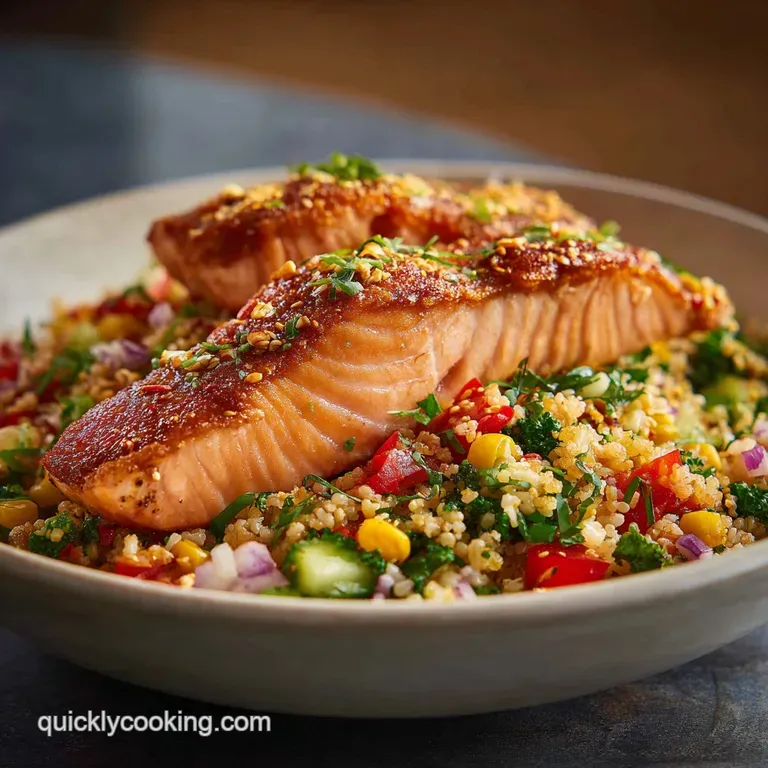
- Dry the fish. Use paper towels to pat the 2 (6 oz) salmon fillets completely dry on all sides. Note: Surface moisture is the enemy of a good sear.
- Season the salmon. Sprinkle 0.5 tsp Kosher salt and 0.25 tsp cracked black pepper over the fillets.
- Prepare the glaze. In a small jar, shake together 2 tbsp soy sauce, 1 tsp toasted sesame oil, 1 tsp freshly grated ginger, and 1 tsp honey until the honey is fully dissolved.
- Heat the skillet. Add 1 tbsp neutral oil to your pan over medium high heat until it shimmers and just begins to smoke.
- Sear the skin. Place the salmon skin side down. Press firmly with a spatula for 30 seconds to prevent curling.
- Cook the base. Sear for 6 minutes until the skin is dark gold and sounds hollow when tapped.
- Flip and finish. Turn the fillets and cook for 2 more minutes. Remove from the pan and let rest.
- Season the rice. Fold 1 tbsp rice vinegar and 1 tsp granulated sugar into the 2 cups of warm Jasmine rice.
- Build the bowl. Divide the rice between two bowls, top with sliced cucumber, avocado, and the rested salmon.
- Final touch. Drizzle the glaze over everything and garnish with bias cut green onion and 1 tsp furikake until the colors look vibrant and fresh.
Solving Common Issues
The Rubbery Skin Dilemma
If your salmon skin comes out soft or chewy, it’s almost always a moisture issue. Even if the fish looks dry, the skin can trap water. I’ve made the mistake of taking the fish straight from the fridge to the pan, but letting it sit for five minutes on a paper towel makes a world of difference.
Also, check your heat; if the oil isn't hot enough, the skin will boil in its own fat rather than frying.
The Sticky Rice Disaster
Jasmine rice should be fluffy, not a paste. If yours is clumping, you might be over stirring it while adding the vinegar. Use a "folding" motion or a rice paddle to gently cut through the grains. If the rice is too dry, it’s likely it sat out too long uncovered.
Keep it in the pot with the lid on until the very second you are ready to assemble your bowl.
| Problem | Root Cause | Solution |
|---|---|---|
| Salmon sticking | Pan was too cold | Wait for the oil to shimmer before adding the fish. |
| Glaze is too thin | Not enough honey | Whisk in an extra 0.5 tsp of honey or simmer for 60 seconds. |
| Rice is mushy | Excess water during boiling | Use a 1:1.25 ratio of rice to water for Jasmine. |
Common Mistakes Checklist
- ✓ Never crowd the pan; if the fillets are touching, they will steam instead of sear.
- ✓ Don't skip the "press" step; salmon skin naturally curls when it hits heat, which prevents even browning.
- ✓ Avoid using extra virgin olive oil for the sear; its smoke point is too low and will turn bitter.
- ✓ Slice the avocado at the last possible second to prevent oxidation and browning.
- ✓ Ensure the rice is still warm when adding vinegar to allow for better absorption.
Scaling the Portions
If you're cooking for a crowd, you'll need to work in batches. Don't try to cram four fillets into one pan; you'll drop the temperature of the oil too significantly, and you'll end up with gray, poached fish instead of that beautiful golden crust.
For the rice, you can double the volume easily, but reduce the water by about 10% when cooking large quantities to prevent the bottom layer from becoming soggy.
When scaling down for a solo lunch, you can actually use leftover rice quite effectively. Just splash a teaspoon of water over it and microwave it with a damp paper towel on top to restore that "freshly steamed" moisture before adding your vinegar and sugar. If you're a fan of quick salmon prep, my Air Fryer Salmon recipe is a fantastic alternative for single servings since it requires zero pan watching.
Debunking Kitchen Myths
A common misconception is that you should bring salmon to room temperature before cooking to ensure evenness. In reality, with a over high heat sear, keeping the center of the fish cool actually helps you achieve a perfect medium rare without overcooking the outer layers of the flesh.
The cold center acts as a buffer against the intense heat of the pan.
Another myth is that you need to wash Jasmine rice until the water is completely clear. While rinsing is good to remove excess surface starch, over washing can actually strip away the floral aroma that makes Jasmine rice special.
A quick 30 second rinse is all you need for the perfect balance of stickiness and grain definition.
Smart Storage Tips
Storage: Store the salmon and rice in separate airtight containers in the fridge for up to 2 days. The skin will lose its crunch in the fridge, but the flavor will remain intact. For the best experience, keep the avocado and cucumber separate and slice them fresh when you're ready to eat the leftovers.
Zero Waste: Don't throw away those green onion roots! Place them in a small glass of water on your windowsill, and they’ll regrow in about a week. If you have leftover rice that’s gone a bit hard, it’s the perfect base for a quick fried rice the next morning.
Just toss it in a pan with any leftover glaze and an egg.
Perfect Meal Pairings
This bowl is a complete meal on its own, but if you want to round it out, a side of quick pickled radishes adds a beautiful pink pop and an extra hit of acidity. For a similar flavor profile but on a budget, this Frugal Meal with recipe uses many of the same pantry staples like soy sauce and rice to create a filling, affordable alternative.
If you’re serving this for a date night, a chilled glass of dry Riesling or a crisp Japanese lager perfectly complements the fatty salmon and the salty umami of the furikake. The effervescence of the beer or the acidity of the wine cleanses the palate between bites of the rich avocado.
Trust me, once you master this 20 minute flow, it’ll become your go to move for impressing people without breaking a sweat.
Very High in Sodium
1240 mg mg of sodium per serving (54% % of daily value)
The American Heart Association recommends limiting sodium intake to no more than 2,300mg per day for most adults.
Sodium Reduction Tips for Your Salmon Bowl
-
Reduce Soy Sauce-25%
Soy sauce is a major sodium contributor. Reduce the amount used from 2 tbsp to 1 tbsp or use low-sodium soy sauce to significantly cut sodium.
-
Limit Added Salt-20%
Reduce or eliminate the 0.5 tsp of kosher salt added to the salmon. Taste the dish before adding any salt, and consider replacing it with salt free seasoning blends.
-
Unsalted Rice-15%
Ensure the cooked jasmine rice is prepared without added salt. This seemingly small change can make a noticeable difference in the overall sodium content. Consider brown rice as a healthier alternative.
-
Furikake Moderation-10%
Furikake often contains dried seaweed, sesame seeds, salt, and sugar. Use it sparingly, or consider making your own lower sodium version with unsalted seaweed flakes and sesame seeds.
-
Spice It Up!
Enhance the flavor with sodium free herbs and spices like garlic powder, onion powder, smoked paprika, or red pepper flakes to compensate for the reduction in salt.
Recipe FAQs
What goes well in a salmon rice bowl?
A variety of textures and sharp flavors work best. I highly recommend adding thinly sliced cucumber, creamy avocado, and a generous sprinkle of salty furikake for crunch and umami. You can find similar balancing techniques when creating a fresh side salad, like in our Roasted Beet Sweet recipe.
Can you eat salmon and rice together?
Yes, absolutely. Salmon and rice form a classic, nutritionally complete pairing, common in Japanese cuisine. The mild, starchy rice serves as a perfect neutral base to absorb the rich omega-3 fats and savory glaze from the salmon.
Is salmon rice bowl healthy?
Yes, generally it is very healthy. It provides lean protein, high-quality fats from the salmon, and complex carbohydrates from the rice. The health factor depends on keeping the added sugars in the glaze low and watching the sodium content of your soy sauce.
Are rice bowls actually healthy?
Yes, if you prioritize balance over bulk. A truly healthy rice bowl relies on a high ratio of lean protein and colorful vegetables to the rice portion. If you are interested in packing nutritious meals to take to work, review our strategies in the Healthy Mason Jar recipe for efficient layering.
How to get restaurant quality crispy skin on the salmon?
Start with extremely dry skin, then use high, consistent heat. Pat the skin thoroughly dry, and place it presentation side down in a shimmering hot pan with high smoke point oil. Do not move the fish for at least six minutes until it releases naturally from the pan surface.
What can I use instead of salmon if I am allergic?
Substitute with another firm, high fat fish like trout or mackerel. For a completely different but equally satisfying texture, you could use crispy tofu or even seared chicken thigh. If you enjoy quick, high heat protein preparation, apply the searing technique you learned here to our simple Avocado Toast with recipe for a different meal entirely.
Is it necessary to season the rice separately?
Yes, seasoning the rice prevents it from tasting bland. While the salmon is flavorful, warm rice should be immediately folded with rice vinegar, a pinch of sugar, and salt. This quick acid/sweet combination brightens the starches, preventing the gummy texture associated with unseasoned rice.
Crispy Salmon Rice Bowl
Ingredients:
Instructions:
Nutrition Facts:
| Calories | 808 kcal |
|---|---|
| Protein | 42 g |
| Fat | 43 g |
| Carbs | 59 g |
| Fiber | 6 g |
| Sugar | 5 g |
| Sodium | 1240 mg |
