Cucumber Cream Cheese Spread: Velvety and Herby

- Time: Active 20 minutes, Passive 30 minutes, Total 50 minutes
- Flavor/Texture Hook: Zesty, herby, and velvety
- Perfect for: High tea sandwiches, bagel brunches, or budget-friendly party appetizers
- Mastering Your Own Cucumber Cream Cheese Spread
- Key Timing and Recipe Details
- The Best Fresh Ingredient Selection
- Essential Tools for Best Results
- Step by Step Making Guide
- Pro Advice for Better Flavor
- Creative Swaps and Recipe Variations
- Storage and Safe Reheating Tips
- Perfect Pairings and Serving Ideas
- Recipe FAQs
- 📝 Recipe Card
Mastering Your Own Cucumber Cream Cheese Spread
I still remember the first time I tried to make a cucumber dip for a friend's baby shower. I thought I could just chop everything up, throw it in a bowl, and call it a day. Within twenty minutes, the beautiful spread had turned into a literal puddle of gray water. It was a disaster, honestly.
That was the day I learned that the cucumber is about 95% water, and if you don't treat it with respect, it will absolutely ruin your cream cheese.
The secret to this whole operation is the English cucumber. I call it the hero of the dish because its thin skin and lack of watery seeds give us a much better yield of actual vegetable pulp.
When you grate it, you get these beautiful green shards that provide texture without the bitterness you find in those thick skinned garden varieties. This isn't just a recipe; it's a method for controlling moisture while maximizing that fresh, garden aroma that makes people hover over the snack table.
We are going for a texture that is light and aerated, almost like a savory mousse. By the time you finish this, you'll have a spread that grips onto a cracker and refuses to let go. No more soggy bread, no more runny dips.
Just a punchy, herb forward spread that tastes like a fancy hotel brunch but costs about five dollars to make. Let's get into how we actually make this work without the mess.
Key Timing and Recipe Details
| Method | Time | Texture | Best For |
|---|---|---|---|
| Chilled Fridge | 50 minutes | Firm, whipped, airy | Sandwiches and crackers |
| Warm Stovetop | 15 minutes | Silky, pourable, thin | Warm veggie dip or pasta sauce |
Taking the time to let the cucumber sit is the most important part of this timeline. If you rush the thirty minute "cook" time (which is really just the salt doing its job), you'll end up with a spread that thins out as it sits.
If you want a denser result, you can even let it drain for an hour, but thirty minutes is the sweet spot for a weeknight prep.
The Best Fresh Ingredient Selection
Osmosis Control: Salt draws internal moisture out of the vegetable cells through the cell walls, ensuring the final spread stays thick and stable.
Fat Aeration: Beating the cheese and sour cream incorporates tiny air bubbles, creating a light, spreadable volume rather than a dense, heavy block.
Flavor Maturity: The garlic paste and dried spices hydrate in the dairy fat over time, which is why it actually tastes better after two hours in the fridge.
| Component | Science Role | Pro Secret |
|---|---|---|
| English Cucumber | Structural fiber | Keep the skin on for color and extra crunch. |
| Cream Cheese | Fat based stabilizer | Use the brick version, not the tub, for better structure. |
| Garlic Paste | Aromatic infusion | Microplaning creates more surface area for instant flavor. |
While many people try to use low-fat versions, I really suggest sticking to the full fat brick. The water content in low-fat cream cheese is much higher, which works against the goal of a stable, thick spread.
The sour cream adds just enough acidity to cut through the richness of the cheese without making it taste like plain yogurt.
Essential Tools for Best Results
You don't need a professional kitchen, but a few simple tools make this a whole lot easier. A box grater with large holes is better than a food processor here. Why? Because the food processor tends to turn the cucumber into a puree, and we want distinct shreds for texture.
A fine mesh sieve is also non negotiable for the draining process.
You'll also want a hand mixer if you have one. You can do this with a whisk and some elbow grease, but the hand mixer gets that whipped, aerated texture in two minutes flat. Finally,, grab some cheesecloth or a very clean, thin kitchen towel. You'll need this to squeeze the living daylights out of the cucumber pulp.
If you think you've squeezed enough, squeeze it one more time.
step-by-step Making Guide
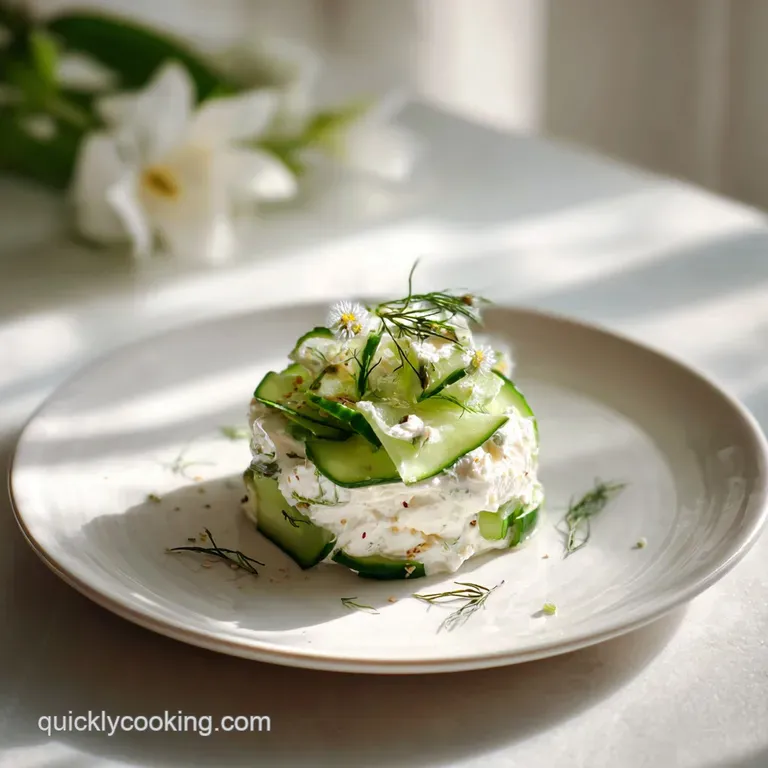
- Grate the English cucumber using the large holes of a box grater. Note: Keeping the skin on adds a beautiful flecked green color.
- Place the shreds in a fine mesh sieve over a bowl and toss with 6g of kosher salt.
- Allow the cucumber to sit for 30 minutes until a pool of green liquid collects in the bowl.
- Use cheesecloth to aggressively squeeze the pulp until no more droplets fall and the pulp feels like a dry ball.
- In a separate bowl, beat 450g of softened cream cheese and 60g of sour cream with a hand mixer.
- Continue mixing for 2 minutes until the mixture looks fluffy and holds soft peaks.
- Fold in the dry cucumber pulp, 10g of minced dill, garlic paste, lemon zest, black pepper, and onion powder.
- Stir with a spatula until the green herbs are evenly speckled throughout the white base.
- Serve immediately or let it set in the fridge for 1 hour until the flavors have fully melded.
Pro Advice for Better Flavor
One mistake I used to make was just throwing in minced garlic. It stayed crunchy and gave people "garlic breath" for three days. Now, I always use a microplane to turn the garlic into a paste.
It melts into the fat of the cream cheese, giving you a consistent flavor in every single bite without the sharp sting of a raw chunk.
Chef's Tip: If you want an even deeper flavor, toast your onion powder in a dry pan for 30 seconds before adding it. It brings out a savory, toasted note that makes people wonder what your "secret ingredient" is.
Another trick is the lemon zest. Don't skip it! We aren't using the juice because we don't want more liquid, but the oils in the zest provide a bright, citrusy punch that wakes up the whole dish. For another great party snack, you might want to try this alongside my Mozzarella Sticks recipe for a nice mix of hot and cold textures.
Avoiding the "Watery Dip" Syndrome
The biggest pitfall is impatience. If you don't let the salt work for the full thirty minutes, the cucumber will continue to release water after you've mixed it with the cheese. This results in a separated mess. Always use a heavy hand when squeezing the pulp.
Choosing the Right Cucumber
If you can't find an English cucumber, a Persian cucumber is a great backup. They are small and crunchy with very few seeds. Just avoid the large, waxy "slicing" cucumbers found in the produce bin unless you plan on peeling them and scooping out the entire middle with a spoon.
Creative Swaps and Recipe Variations
| Original Ingredient | Substitute | Why It Works |
|---|---|---|
| Full fat Sour Cream | Plain Greek Yogurt | Adds more tang and protein, but a slightly thinner texture. |
| Fresh Dill | Fresh Chives | Changes the profile from "ranch adjacent" to "onion savory". |
| Kosher Salt | Celery Salt | Adds an extra layer of vegetal seasoning to the base. |
If you want to take this in a different direction, try adding a tablespoon of prepared horseradish. It gives it a massive kick that pairs perfectly with roast beef sandwiches. For a spicy version, a teaspoon of red pepper flakes or some finely diced jalapeño (seeds removed!) works wonders.
If you are looking for a sweet follow up to this savory snack, my Pudding in 20 Minutes recipe is a classic way to end a brunch or party. The creamy textures actually complement each other quite well across the meal.
Storage and Safe Reheating Tips
This spread is best enjoyed within three days. Because we are using fresh cucumber, it will eventually start to release a bit of liquid even with our salt trick. If you see a little liquid on top after a day, just give it a quick stir with a spoon to re incorporate everything.
Keep it in an airtight glass container to prevent it from picking up other fridge smells. I don't recommend freezing this spread. Cream cheese undergoes a structural change when frozen, becoming grainy and crumbly once thawed. It loses that velvety mouthfeel we worked so hard to get with the hand mixer.
For a zero waste hack, don't throw away that green cucumber juice you collected in the bowl! It's basically a concentrated spa water. Toss it into a gin and tonic, add it to a morning smoothie, or use it as a base for a chilled gazpacho. It's full of vitamins and flavor that shouldn't go down the drain.
Why Your Spread Split
Watery Separation Issues
The main cause of a split spread is usually temperature or moisture. If the cream cheese was too cold when you started, it won't emulsify properly with the sour cream. Always make sure your dairy is truly room temperature before you start the mixer.
| Problem | Root Cause | Solution |
|---|---|---|
| Lumpy Texture | Cold cream cheese | Microwave the cheese for 10 seconds or let sit longer. |
| Liquid at Bottom | Poor squeezing | Re drain the pulp or stir in a teaspoon of milk powder to absorb. |
| Bland Flavor | Not enough salt/acid | Add an extra pinch of salt or a drop of lemon juice. |
Common Mistakes Checklist
- ✓ Use a kitchen towel to squeeze the cucumber until your knuckles turn white.
- ✓ Beat the cream cheese for at least two minutes to get enough air inside.
- ✓ Ensure the garlic is a fine paste, not chunks, to avoid "hot spots".
- ✓ Don't substitute bottled lemon juice for fresh zest; the flavor isn't the same.
- ✓ Use a "folding" motion when adding the cucumber to keep the air in the cheese.
Perfect Pairings and Serving Ideas
This spread is the absolute king of the tea sandwich. To do it right, get some high-quality white bread, cut off the crusts, and spread a thick layer on both sides. Add some thinly sliced radishes for a peppery crunch. It's also incredible on a toasted bagel with a slice of smoked salmon on top.
If you are hosting a party, serve it in a hollowed out bell pepper for a cute presentation. It pairs naturally with carrot sticks, celery, and pita chips. Because it's budget friendly, you can make a double batch without breaking the bank, which is always a win in my book.
Scaling the Recipe Up
If you need to feed a crowd (32 servings), just double everything exactly. The only change is that you should work in two batches when squeezing the cucumber. If the ball of pulp is too big, you won't be able to get the moisture out of the very center as effectively.
Scaling the Recipe Down
For a small snack (8 servings), cut everything in half. Since you only need half an English cucumber, you can slice the other half and serve it alongside the dip. Use a smaller bowl for mixing so the beaters can actually reach the ingredients and incorporate air.
Debunking Kitchen Myths
One common myth is that you have to peel cucumbers for spreads. You don't! As long as you use an English cucumber, the skin is tender and provides a beautiful color. Another myth is that you need a food processor for a "smooth" dip.
Honestly, the manual grating gives a much better "bite" and prevents the spread from becoming a homogenized green paste.
Finally, people think you can't make this ahead of time. You absolutely can! In fact, the flavors of the dill and garlic need at least an hour to move from the herbs into the fat of the cheese. Making it the night before is actually the pro move for the best possible flavor.

Recipe FAQs
Do cream cheese and cucumber go together?
Yes, they are a classic pairing. The creaminess of the cheese balances the crisp, cooling texture of the cucumber perfectly when the moisture is properly removed.
How to make Queen Elizabeth's cucumber sandwiches?
Remove the crusts from thinly sliced white bread and spread the cream cheese mixture evenly to the edges. Top with a second slice of bread and cut the sandwich into small, dainty triangles for a traditional tea-time presentation.
What is the best spread to use on a cucumber sandwich?
Use a mixture of softened cream cheese and sour cream. Beating these ingredients together for two minutes creates an aerated, velvety base that holds the cucumber pulp without becoming watery.
Do Heinz still make cucumber spread?
No, this is a common misconception. Commercial spreads often lack the fresh, vibrant flavor of homemade versions, and most major brands do not currently produce a cucumber specific variety.
Why is my spread becoming watery after a day in the fridge?
The cucumber has not been squeezed dry enough. If you enjoyed learning to control moisture levels here, see how we apply similar texture and absorption principles in our dessert recipes.
How to ensure the spread stays light and fluffy?
Beat the cream cheese and sour cream for exactly two minutes using a hand mixer. This incorporates enough air to create a stable, airy structure before you gently fold in the cucumber pulp.
How long can I keep this cucumber spread?
Consume within three days for the best quality. Store it in an airtight container to prevent the cheese from absorbing other odors in your refrigerator.
Cucumber Cream Cheese Spread
Ingredients:
Instructions:
Nutrition Facts:
| Calories | 107 kcal |
|---|---|
| Protein | 1.9 g |
| Fat | 10.3 g |
| Carbs | 2.1 g |
| Fiber | 0.1 g |
| Sugar | 1.4 g |
| Sodium | 138 mg |
