Baked Feta Pasta Easy Recipe: Velvety and Tangy
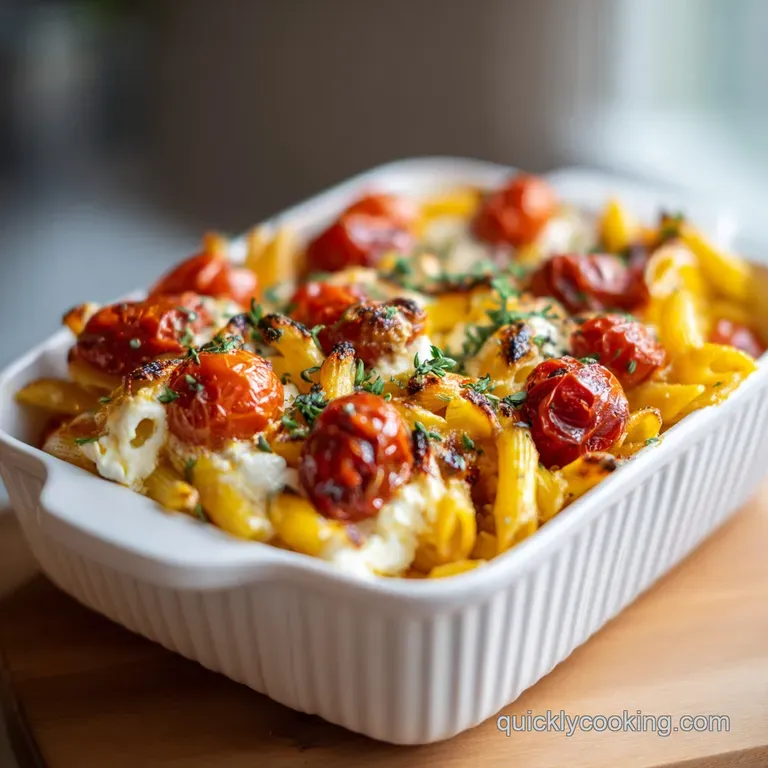
- Time: Active 5 minutes, Passive 30 minutes, Total 35 minutes
- Flavor/Texture Hook: Jammy, velvety, and tangy
- Perfect for: Stress free weeknight dinners or beginner cooks
- Master This Baked Feta Pasta Easy Recipe
- The Physics of the Emulsion
- Essential Components for Sauce Success
- Fresh Ingredients and Smarter Swaps
- Tools for Seamless Kitchen Flow
- Step-by-Step Cooking Timeline
- Fixing Common Texture Hurdles
- Flavor Variations and Protein Boosts
- Efficient Batch Cooking and Scaling
- Debunking Myths and Storing Leftovers
- Finishing Touches for Visual Impact
- Recipe FAQs
- 📝 Recipe Card
Master This Baked Feta Pasta Easy Recipe
The first time I saw those cherry tomatoes bursting in the oven, I knew I was in for something special. There is this specific moment about 20 minutes in when the scent of roasting garlic and bubbling olive oil hits you - it smells like a high end Italian bistro right in your cramped kitchen.
I used to think pasta sauce needed hours of simmering, but this trick of letting the oven do the heavy lifting changed my entire Tuesday night routine.
Honestly, I was a skeptic about the whole "viral" thing until I realized how low effort the cleanup is. You literally just toss everything into one dish and walk away to scroll on your phone or fold laundry. It’s the ultimate "I’m too tired to cook" meal that still feels like a luxury.
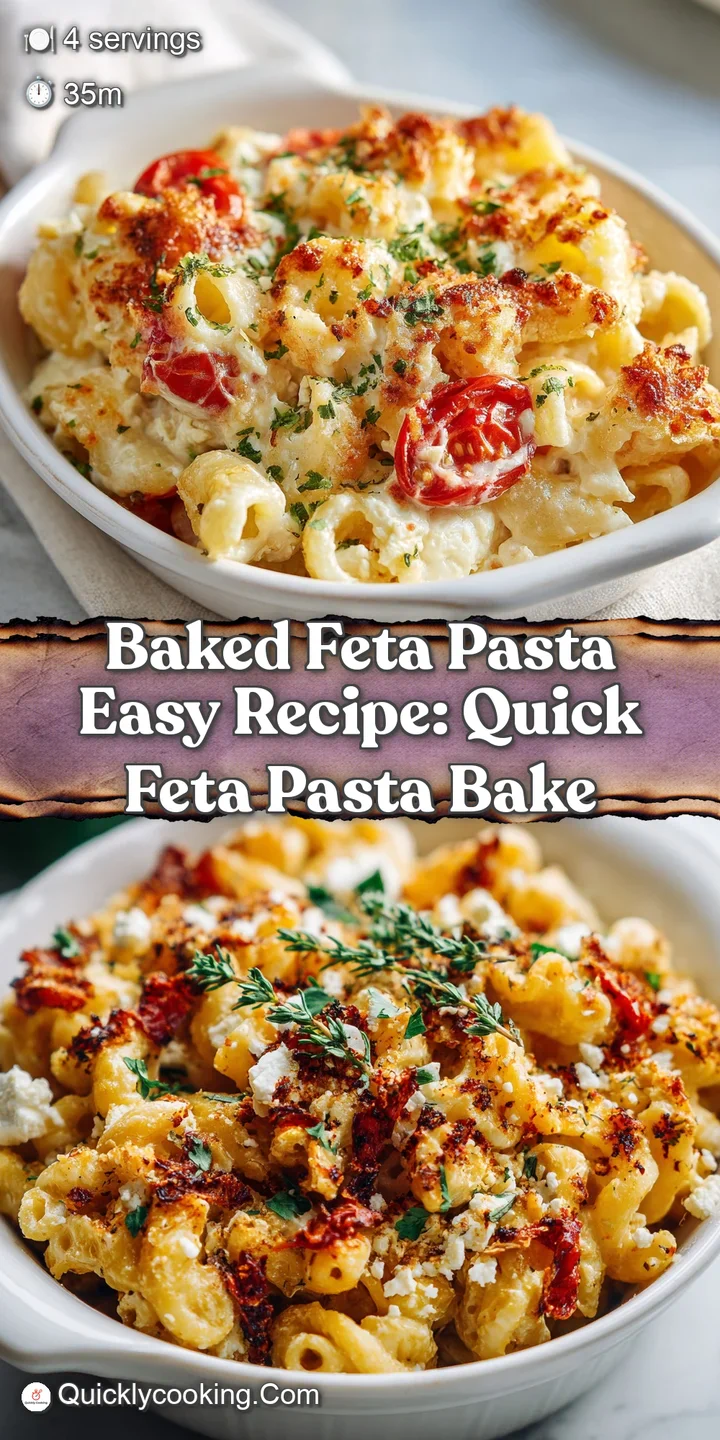
The way the feta softens into a velvety puddle and mixes with the acidic tomato juice is just pure kitchen chemistry that works every single time.
We are going for that specific texture where the tomatoes are slightly charred and the sauce is thick enough to cling to the pasta. Don't worry about it being too salty; the lemon zest we add at the end cuts through the richness like a dream.
You'll see exactly what I mean once you take that first bite of the jammy, melted goodness.
The Physics of the Emulsion
Lipid Suspension: The high fat in the feta block bonds with the tomato acids and olive oil to form a stable, creamy coating. This prevents the sauce from breaking into a greasy mess.
Cell Wall Breakdown: High heat causes the tomato skins to shatter, releasing pectin and natural sugars. This liquid acts as the hydrating base for our "instant" sauce.
Starch Binding: Using a splash of salty pasta water creates a bridge between the oily sauce and the noodles. It’s the secret to making sure the flavor actually sticks rather than sliding off.
| Method | Time | Texture | Best For |
|---|---|---|---|
| Oven Roast | 30 mins | Jammy and charred | Deep, concentrated flavor |
| Stovetop | 15 mins | Fresh and acidic | Last minute speed |
| Air Fryer | 18 mins | Very blistered | Small batches |
If you are looking for a different kind of comfort meal that feels just as indulgent, you might want to try this Beef Rigatoni Cheese recipe for your next big family dinner. It uses similar baking logic to get that perfect cheese to pasta ratio.
Essential Components for Sauce Success
| Ingredient | Science Role | Pro Secret |
|---|---|---|
| Greek Feta | Primary Emulsifier | Use a block in brine; pre crumbled feta has anti clumping agents that prevent melting. |
| Cherry Tomatoes | Acid and Liquid Source | Don't slice them; keeping them whole ensures they "pop" and release juices at the peak of roasting. |
| Olive Oil | Heat Conductor | Use more than you think; it carries the garlic flavor and creates the silky mouthfeel. |
Fresh Ingredients and Smarter Swaps
- 2 pints cherry tomatoes: Use grape tomatoes for a sweeter, firmer bite. Why this? High sugar content ensures they caramelize and blister beautifully in high heat.
- 7 oz Greek feta cheese block: A firm goat cheese works if you want a funkier, creamier vibe. Why this? The block format melts more evenly than crumbles for a smoother finish.
- 0.5 cup extra virgin olive oil: Avocado oil works if you want a more neutral flavor profile. Why this? It provides the fat needed to emulsify the acids from the tomatoes.
- 4 cloves garlic, smashed: Use 1 teaspoon of garlic powder if you're in a massive rush. Why this? Smashing releases oils without the risk of burning that minced garlic has.
- 10 oz dried pasta: gluten-free pasta or chickpea pasta both hold up well here. Why this? Ridged shapes like penne or fusilli trap the sauce in every nook.
- 0.5 cup fresh basil leaves: Fresh parsley or oregano can substitute if you want an earthier tone. Why this? Adds a necessary aromatic lift to balance the heavy fats.
- 1 tsp lemon zest: Use a dash of red wine vinegar if you don't have fresh citrus. Why this? The acidity brightens the dish and cuts through the salty cheese.
Tools for Seamless Kitchen Flow
You don't need a professional kitchen, but a ceramic or glass baking dish is non negotiable here. I prefer ceramic because it holds heat more consistently, ensuring the feta stays soft while you're mixing in the pasta. If you use a thin metal pan, the tomatoes might scorch before the cheese fully softens.
A sturdy pot for the pasta is the only other "big" thing you'll need. Make sure you have a pair of tongs or a large wooden spoon ready. You’ll be doing a lot of vigorous stirring at the end to force the oil and tomato juice to play nice together.
step-by-step Cooking Timeline
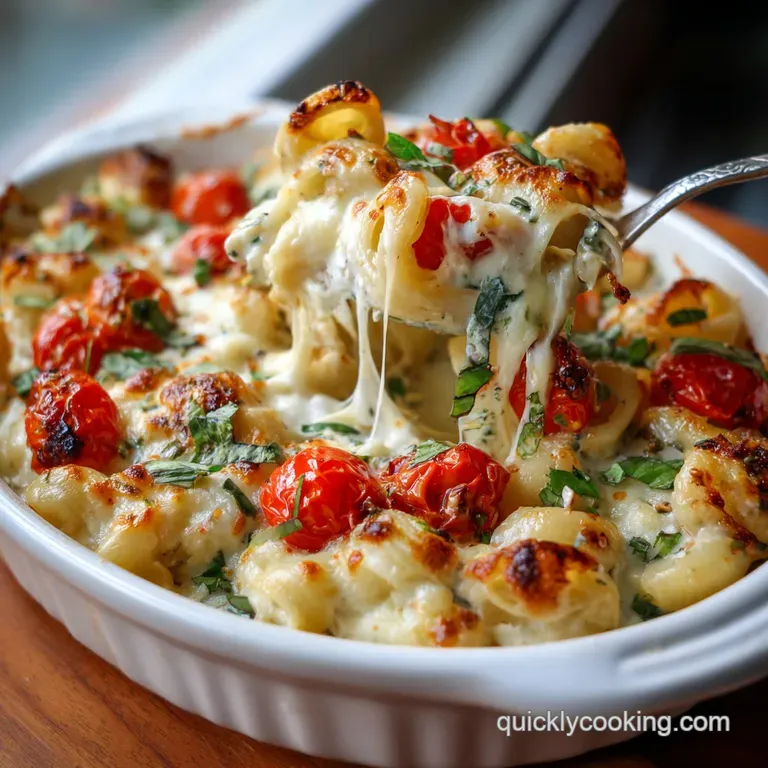
- Preheat your oven to 200°C. Note: A hot oven is vital for that immediate sizzle and skin blistering effect.
- Arrange 2 pints cherry tomatoes in the dish. Place the 7 oz feta block right in the center, clearing a little "nest" for it.
- Drizzle 0.5 cup olive oil over everything. Ensure every tomato is coated to prevent them from drying out during the roast.
- Scatter 4 smashed garlic cloves around. Add 0.5 tsp red pepper flakes, 0.5 tsp kosher salt, and 0.25 tsp black pepper.
- Bake for 30 minutes. You are looking for the tomatoes to be bursting and the feta to look soft and slumped.
- Boil 10 oz dried pasta in salted water. Timing this to finish right as the tomatoes come out of the oven is key.
- Reserve 0.5 cup pasta water before draining. This starchy liquid is your insurance policy for a smooth sauce.
- Mash the feta and tomatoes together. Use a fork to crush the tomatoes until they release all their liquid into the oil.
- Fold in the cooked pasta and basil. Stir vigorously until the sauce is velvety and clings to the noodles.
- Garnish with 1 tsp lemon zest. Toss one last time to distribute the brightness and serve immediately.
Fixing Common Texture Hurdles
If Your Sauce is Too Dry
Sometimes the oven runs a bit hot, or the tomatoes aren't as juicy as they look. This usually happens if the liquid evaporates too fast, leaving you with a clumpy mess. The fix is simpler than you think and doesn't involve adding more oil.
| Problem | Root Cause | Solution |
|---|---|---|
| Clumpy Sauce | Feta cooled too fast | Add 2 tablespoons of hot pasta water and stir fast. |
| Bland Flavor | Not enough acidity | Double the lemon zest or add a splash of balsamic. |
| Greasy Finish | Sauce didn't emulsify | Stir more vigorously to bond the oil and tomato juice. |
The key to a perfect finish is often in the preparation. I've learned the hard way that missing one small step can change the whole vibe of the meal. Keep these tips in mind while you work:
- ✓ Pat the feta block dry with a paper towel to help it soften rather than steam.
- ✓ Never skip the pasta water - it is the glue that holds the emulsion together.
- ✓ Smash the garlic cloves instead of mincing to prevent bitter, burnt bits.
- ✓ Stir the sauce for at least 60 seconds after adding pasta to build the texture.
Flavor Variations and Protein Boosts
If you're feeling a bit adventurous, try a "Baked Feta Pasta Without Tomatoes" twist. You can swap the tomatoes for roasted red peppers from a jar and a handful of pitted olives. It results in a much saltier, punchier sauce that feels very Mediterranean.
Another great trick is adding a bag of fresh baby spinach at the very end; the heat from the pasta will wilt it in seconds.
For those who need a high protein variation, adding grilled chicken or sautéed shrimp works beautifully. Just toss them in at the very end so they don't overcook in the oven.
If you want something meatless but still filling, chickpeas roasted right in the dish with the feta add a fantastic nutty crunch to the whole experience.
Efficient Batch Cooking and Scaling
Scaling this dish is actually quite easy because the ratios are so forgiving. If you're cooking for a crowd and want to double the recipe, use a much larger roasting pan to ensure the tomatoes aren't piled on top of each other.
If they are too crowded, they will steam instead of roasting, and you'll miss out on that charred flavor.
When downscaling for one or two people, you can use a smaller toaster oven sized dish. Just keep an eye on the clock, as a smaller amount of ingredients might finish roasting 5 minutes earlier. I find that half a block of feta still creates plenty of sauce for 5 oz of pasta.
Debunking Myths and Storing Leftovers
There is a common myth that you have to use expensive feta for this to work. In reality, any block of feta in brine will do. The "fancy" stuff is great for salads, but once it melts into tomato juice and garlic, the subtle differences disappear. Another misconception is that you need to peel the tomatoes.
The skins actually provide much needed structure and a bit of rustic texture to the finished sauce.
Storage: Keep leftovers in an airtight container in the fridge for up to 3 days. When you go to reheat it, the sauce will likely have thickened into a solid block. Add a teaspoon of water or milk before microwaving to bring that creamy texture back to life.
Zero Waste: Don't toss the liquid if you have leftover sauce but no pasta. It makes an incredible spread for toasted sourdough the next morning. If you have leftover fresh basil, freeze it in an ice cube tray with a little olive oil to use in your next stir fry.
Finishing Touches for Visual Impact
To get that restaurant quality look, don't just dump the basil on top. Use a "chiffonade" cut - roll the leaves up like a cigar and slice thin ribbons. It looks more professional and ensures you get a little herb in every single bite.
The lemon zest should be the very last thing you add so the oils don't dissipate in the heat.
For a sweet finish to a Mediterranean meal, these Biscoff Truffles recipe take almost zero effort and can be made while the pasta is in the oven. Serving this pasta in a warmed bowl also keeps the cheese from seizing up too quickly while you eat, which is a small trick that makes a huge difference.
Chef's Tip: If your feta refuses to melt smoothly, it might be too cold. Let the cheese sit on the counter for 10 minutes before it goes into the oven to give it a head start on softening.
Recipe FAQs
Can I use pre-crumbled feta instead of a block for this recipe?
No, stick to the block. Pre-crumbled feta contains anti caking agents that prevent it from fully melting into a smooth sauce.
How to achieve the velvety sauce texture if my mixture seems too oily or separated?
Stir vigorously while slowly incorporating hot pasta water. The starch in the water helps emulsify the olive oil and tomato acids together, binding the sauce to the noodles.
Is it true that using frozen tomatoes will ruin the texture of the sauce?
Yes, avoid frozen tomatoes if possible. Frozen fruit releases excessive water upon thawing, leading to a watery sauce rather than the desired concentrated, jammy texture.
How long should the feta and tomatoes roast for maximum flavor concentration?
Roast for 30 minutes at 200°C (400°F). This duration ensures the tomatoes burst and caramelize, concentrating their natural sugars while fully softening the cheese core.
What is the best way to boost the protein content for a main course?
Toss in pre-cooked shrimp or grilled chicken during the final mixing stage. Adding cooked protein at the end prevents it from drying out while tossing with the hot pasta water helps it absorb flavor.
Must I use ceramic or glass baking dish, or can I use thin metal?
Use ceramic or glass for best results. These materials retain heat more evenly, allowing the feta to soften consistently without scorching the bottom layer of tomatoes.
Can I use different pasta shapes than what is typically recommended?
Yes, any short, ridged shape works well. Shapes with groves like fusilli are ideal because they effectively trap the thick, velvety sauce, similar to how the sauce clings in our Spiral Ratatouille for recipe.
Easy Baked Feta Pasta
Ingredients:
Instructions:
Nutrition Facts:
| Calories | 662 kcal |
|---|---|
| Protein | 17.4 g |
| Fat | 39.3 g |
| Carbs | 60.4 g |
| Fiber | 3.8 g |
| Sugar | 4.2 g |
| Sodium | 785 mg |
