Creamy Chicken Noodle Casserole: Golden and Crispy
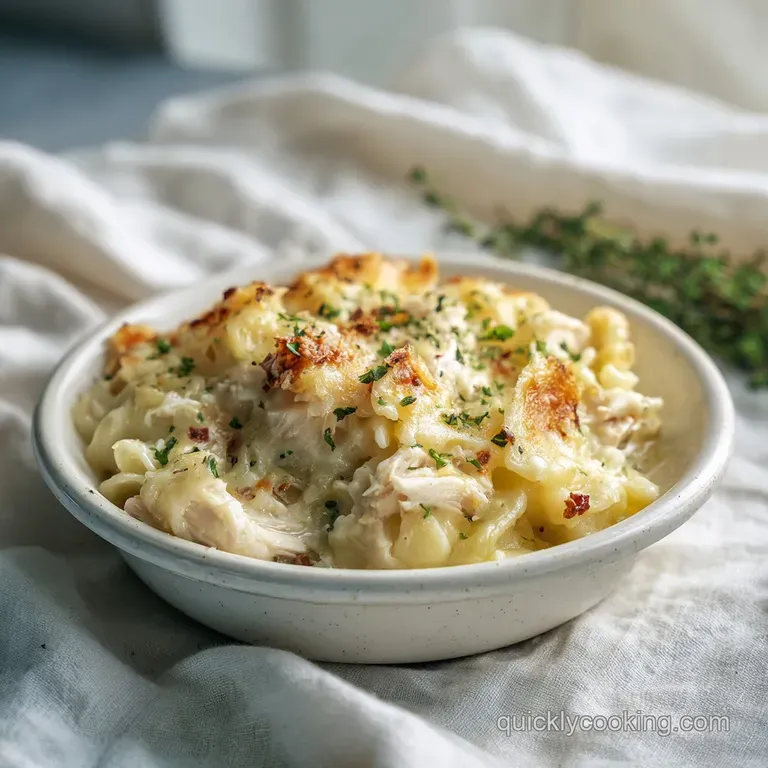
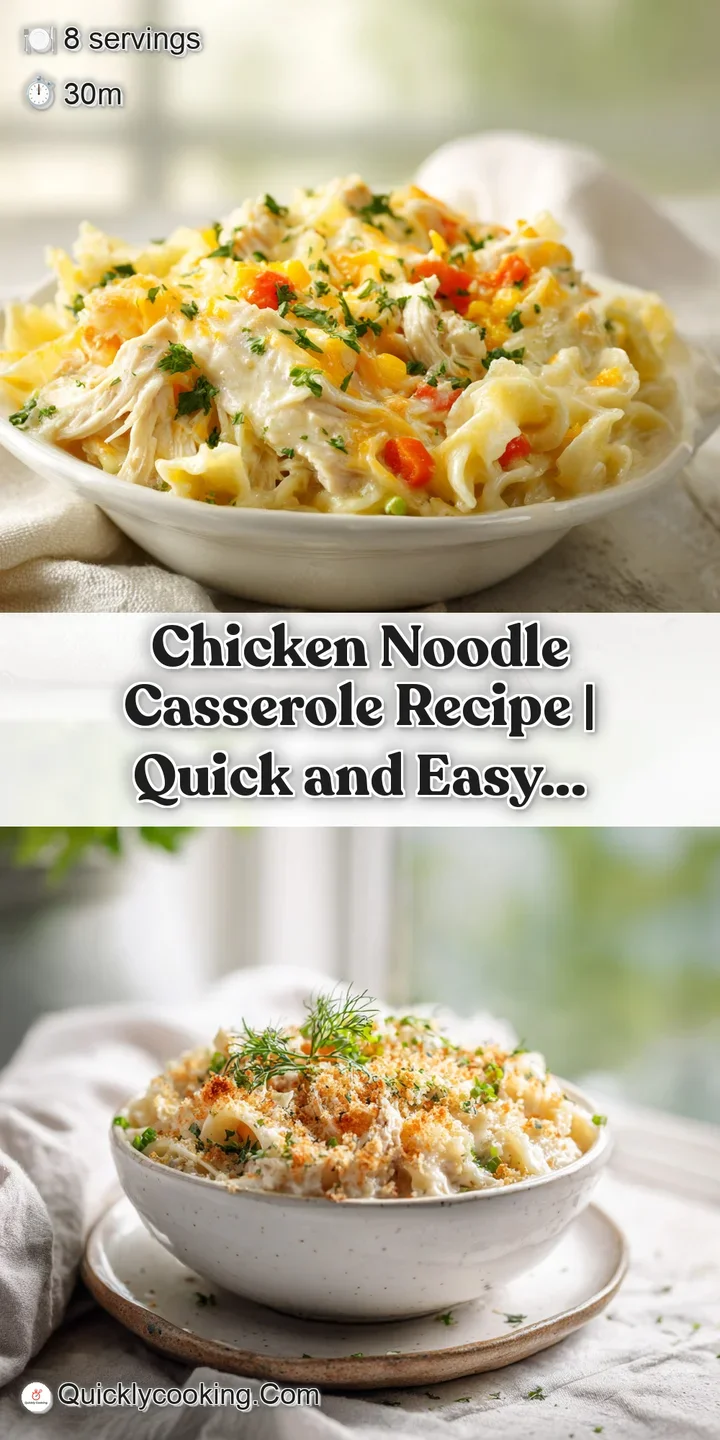
- Time: Active 10 minutes, Passive 20 minutes, Total 30 minutes
- Flavor/Texture Hook: Shatter crisp Panko topping over silky, cream coated noodles
- Perfect for: High speed weeknight dinners and budget-friendly family meal prep
- Create the Ultimate Budget Chicken Noodle Casserole
- Why Most Casseroles Turn Soggy
- Precise Specs for Faster Cooking
- Sourcing Smart Inexpensive Ingredients
- Essential Tools for High Efficiency
- Cooking Your Casserole Perfectly
- Fixing Common Noodle Texture Problems
- Customizing Flavors for Every Family
- Storing and Freezing Leftovers Safely
- Choosing The Best Side Dishes
- Very High in Sodium
- Recipe FAQs
- 📝 Recipe Card
Create the Ultimate Budget Chicken Noodle Casserole
Have you ever wondered why some casseroles taste like a warm hug while others just feel like a pile of beige mush? It is a question that haunted my kitchen for years until I realized that efficiency doesn't mean sacrificing texture.
We have all been there starving after a long day, reaching for a box of pasta, and hoping for the best. But the secret to a truly great Chicken Noodle Casserole isn't in a gourmet price tag; it is in how you handle the moisture and the heat.
I remember one Tuesday when I was in such a rush that I didn't even bother to preheat the oven properly. The result was a soggy disaster that my family still teases me about. That failure taught me that speed requires a specific strategy.
You need the right ratio of liquid to starch, and you absolutely must respect the noodle. This recipe is designed for those of us who need a win without spending two hours at the stove.
This isn't just about mixing things in a bowl and hoping for a miracle. We are focusing on a high efficiency method that uses a 400°F (200°C) oven to create a distinct contrast between the creamy interior and the crunchy topping.
You'll find that by skipping the complex béchamel and using a stabilized sour cream base, you get that velvety mouthfeel in a fraction of the time. Let's get into the mechanics of why this works so well for your wallet and your schedule.
Why Most Casseroles Turn Soggy
Most people treat a casserole like a "dump and bake" situation, which is exactly why the noodles end up falling apart. When you submerge cooked pasta in a liquid and bake it at a low temperature, the starch continues to hydrate until it loses all structural integrity.
We avoid this by undercooking the noodles initially and hitting the dish with high heat to set the sauce before the pasta gives up.
High Heat Moisture Control
By preheating your oven to 400°F (200°C), you trigger a rapid bubbling effect. This high speed evaporation thickens the sauce around the noodles rather than soaking into them. It's the difference between a pasta that is "swimming" and a pasta that is "coated."
Stabilizing the Cream Base
Using sour cream alongside the milk provides a hit of lactic acid. This acidity doesn't just add tang; it helps stabilize the proteins in the dairy, preventing the sauce from breaking or becoming watery. This ensures a silky result every single time you bake.
The Panko Barrier Method
Traditional breadcrumbs often absorb the steam from the casserole and become heavy. We use Panko mixed with melted butter. The larger surface area of Panko flakes allows steam to escape while the butter fries the crumbs in place, creating a shatter crisp layer that protects the creamy interior.
| Method | Total Time | Texture Result | Best For |
|---|---|---|---|
| High Heat (400°F) | 30 minutes | Crispy top, firm noodles | Fast weeknight meals |
| Low Heat (350°F) | 55 minutes | Soft top, tender noodles | Traditional slow bakes |
| Slow Cooker | 4 hours | Uniformly soft/creamy | Set and forget days |
Choosing the over high heat method allows you to cut the cooking time by more than half compared to old-fashioned recipes. This efficiency is what makes this specific technique a favorite for busy households who still want a scratch made feel without the long wait.
Precise Specs for Faster Cooking
When you are aiming for high efficiency, knowing your components is vital. You aren't just throwing things together; you are assembling a balanced structure. Each ingredient has a job, from providing structural integrity to managing the moisture levels during that intense 20 minute bake.
Component Deep Dive
| Ingredient | Science Role | Pro Secret |
|---|---|---|
| Wide Egg Noodles | Structural Base | Under boil by 2 mins to prevent mushiness |
| Sour Cream | Emulsion Stabilizer | Adds fat for silkiness and prevents sauce break |
| Panko Breadcrumbs | Moisture Barrier | Stays crispier than standard crumbs under steam |
| Sharp Cheddar | Flavor & Binding | Hand grated melts smoother than pre shredded bags |
The choice of wide egg noodles is deliberate. They have a higher surface area and more protein (from the eggs) than standard semolina pasta, which helps them hold up against the cream of chicken soup. If you're interested in how different noodles handle sauces, you might want to look at how textures vary in a Noodles in 20 Minutes recipe where the starch plays a totally different role.
Using frozen peas and carrots is another efficiency win. Since they are flash frozen at peak ripeness, they retain more nutrients than "fresh" veggies that have been sitting in a bin for a week.
Plus, their moisture content is predictable, which is essential for maintaining the perfect sauce consistency in your Chicken Noodle Casserole.
Sourcing Smart Inexpensive Ingredients
This recipe is built on the idea that you don't need fancy ingredients to get a five star result. We are using 12 oz wide egg noodles and 3 cups of cooked chicken breast, which is a great way to use up a rotisserie chicken or leftovers from a Sunday roast.
Shredding the chicken while it's still slightly warm actually helps it absorb a bit of the sauce later.
- 12 oz wide egg noodles: The backbone of the dish.
- 3 cups cooked chicken breast: Shredded or cubed for even distribution.
- 1 cup frozen peas and carrots: Thawed to prevent excess water release.
- 1/2 cup celery: Finely diced for a subtle crunch and aromatic base.
- 10.5 oz cream of chicken soup: The budget friendly thickener.
- 1 cup whole milk: For thinning the sauce to the right consistency.
- 1/2 cup sour cream: The secret to that velvety, tangy finish.
- 1.5 cups sharp cheddar cheese: Split into 1 cup for the mix and 1/2 cup for the top.
- Spices: 1 tsp garlic powder, 1 tsp onion powder, 1/2 tsp dried thyme, 1/2 tsp salt, and 1/4 tsp black pepper.
- Topping: 1.5 cups Panko breadcrumbs, 3 tbsp melted unsalted butter, and 1 tbsp fresh parsley.
| Original Ingredient | Substitute | Why It Works |
|---|---|---|
| Cream of Chicken Soup | Greek Yogurt + Cornstarch | Adds protein and tang while maintaining thickness |
| Whole Milk | Chicken Broth | Lightens the dish and intensifies the savory flavor |
| Panko Breadcrumbs | Crushed Ritz Crackers | Provides a buttery, salty crunch (very budget friendly) |
Using Greek yogurt as a substitute for the canned soup is a clever trick if you want to control the sodium levels. Just make sure to whisk in a tablespoon of cornstarch so the yogurt doesn't curdle when it hits that 400°F (200°C) oven heat.
Essential Tools for High Efficiency
Efficiency in the kitchen starts with your gear. You don't need a professional setup, but having the right sizes matters. For this Chicken Noodle Casserole, a 9x13 inch baking dish is non negotiable.
If you use a dish that is too small, the layers will be too thick, and the middle won't heat through before the top burns.
- 9x13 inch baking dish: Ceramic or glass works best for even heat.
- Large mixing bowl: Give yourself room to fold the noodles without breaking them.
- Large pot: For boiling the 12 oz of egg noodles.
- Whisk: Essential for getting the soup and sour cream perfectly smooth.
- Silicone spatula: Best for "folding" the chicken and noodles to keep them intact.
Chef's Tip: Use a metal 9x13 pan if you want the edges of your noodles to get those crispy, browned bits. Metal conducts heat much faster than glass, which is a total win for texture lovers.
Preheating your oven is the most important "tool" in your arsenal. Don't trust the little beep on your stove; give it a full 15 minutes to ensure the walls of the oven are radiating heat. This ensures that as soon as that dish goes in, the bubbling begins. This is a similar philosophy to making a Creamy Butter Chicken where hitting a hot pan is the key to searing the protein quickly.
Cooking Your Casserole Perfectly
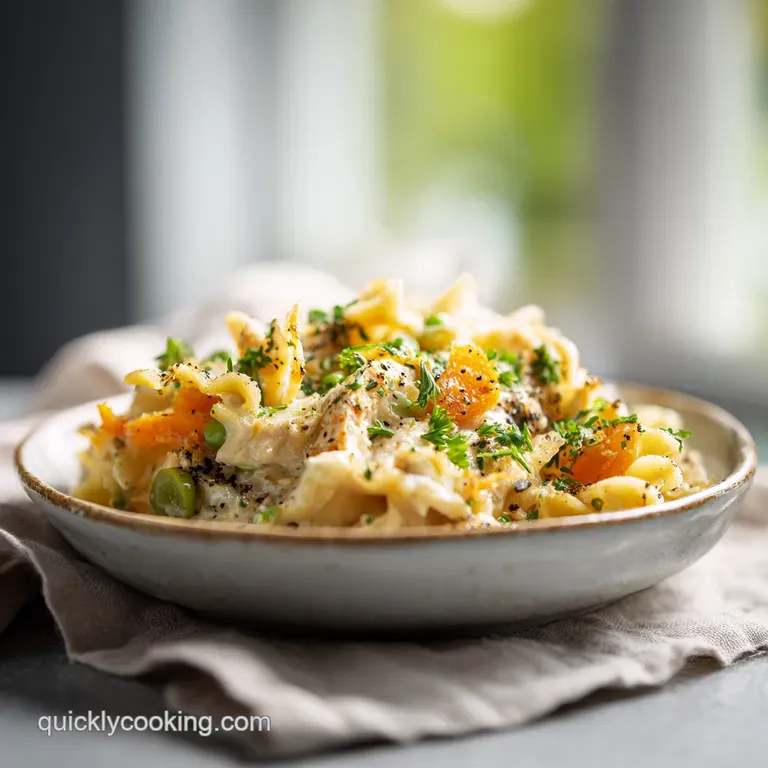
Right then, let's get moving. Efficiency is the name of the game here. We want to work in a logical flow so that by the time your noodles are drained, your sauce is ready to go.
- Prep the heat. Preheat your oven to 400°F (200°C) and grease your 9x13 inch dish. Note: High heat is what prevents the noodles from turning into a sponge.
- Boil the noodles. Cook the 12 oz egg noodles in salted water for 2 minutes less than the box says. Aim for a firm, al dente snap.
- Shock the starch. Drain the noodles and rinse immediately with cold water. Note: This stops the cooking and removes excess starch that makes casseroles gummy.
- Whisk the base. In your large bowl, combine the 10.5 oz cream of chicken soup, 1 cup milk, 1/2 cup sour cream, and all your spices (garlic, onion, thyme, salt, pepper).
- Fold in bulk. Add the 3 cups of chicken, thawed peas and carrots, diced celery, and 1 cup of the cheddar. Mix until everything is evenly distributed.
- Combine carefully. Gently stir in those cold noodles. Use a folding motion to avoid snapping the delicate egg pasta.
- Transfer and top. Pour the mixture into your dish and spread it flat. Sprinkle that remaining 1/2 cup of cheese over the surface.
- Make the crunch. Mix the 1.5 cups Panko with 3 tbsp melted butter and parsley. Ensure every crumb is coated in fat.
- Final layer. Evenly distribute the buttery Panko over the cheese layer.
- The Bake. Slide it into the oven for 18-20 minutes. Bake until the edges are frantically bubbling and the top is a deep golden brown.
Fixing Common Noodle Texture Problems
Even with a perfect plan, things can go sideways. The most common complaint with any Noodle Casserole is a lack of seasoning or a sauce that disappears during the bake. If you notice your sauce looks too thick in the bowl, don't be afraid to add an extra splash of milk before you add the noodles.
It should look slightly "too wet" before it goes into the oven.
Why Your Sauce Separated
If you see oily bubbles or a grainy texture, your dairy likely reached a boil too quickly or lacked a stabilizer. Using full fat sour cream is your best defense here. The fat molecules coat the proteins and keep them from clumping together when the temperature spikes.
Why Your Topping Is Soggy
A soggy topping is usually caused by trapped steam. If you cover your casserole with foil, the moisture from the veggies has nowhere to go but back into your breadcrumbs. Always bake this specific recipe uncovered to allow that moisture to escape, leaving the Panko to crisp up properly.
| Problem | Root Cause | Solution |
|---|---|---|
| Dry Casserole | Noodles were overcooked | Under cook noodles by 2 mins next time |
| Bland Flavor | Not enough salt in noodle water | Salt the boiling water like the sea |
| Burnt Topping | Oven rack too high | Move to center rack for even browning |
Common Mistakes Checklist
- ✓ Never skip the cold water rinse on the noodles; it stops the carry over cooking immediately.
- ✓ Ensure the peas and carrots are fully thawed; frozen veggies release too much water mid bake.
- ✓ Don't use low-fat sour cream; the lack of fat will almost always lead to a broken, watery sauce.
- ✓ Measure your Panko carefully; too much topping will soak up all the sauce from the top layer.
- ✓ Let the dish sit for 5 minutes after baking; this allows the sauce to thicken and "set" around the noodles.
Customizing Flavors for Every Family
This Chicken Noodle Casserole is a fantastic canvas for whatever you have in the pantry. If you are on a tight budget, you can swap the chicken for canned tuna (drained well) or even chopped up ham. The key is to keep the protein to noodle ratio consistent so the sauce can still do its job.
The "French Onion" Twist
Swap the Panko for crushed crispy fried onions (the kind you put on green bean casseroles). This adds a massive punch of savory flavor and a different kind of crunch. It pairs beautifully with the dried thyme and sharp cheddar.
The Low Carb Swap
If you're looking to cut down on the heavy starches, you can replace half the noodles with extra celery and some steamed cauliflower florets. Just make sure the cauliflower is very dry before adding it to the mix, or you'll end up with a soup instead of a bake.
If You Want Heat, Add Spice
For those who like a little kick, whisk a tablespoon of Dijon mustard or a few shakes of hot sauce into the cream base. It doesn't make the dish "spicy" in a traditional sense, but it adds a depth of flavor that cuts through the richness of the cheese and sour cream.
Storing and Freezing Leftovers Safely
Leftovers are arguably the best part of making a big casserole. This dish will keep beautifully in the fridge for up to 4 days. When reheating, I highly recommend using the oven or an air fryer rather than the microwave. The microwave will make the noodles soft and the topping rubbery.
A quick 10 minutes at 350°F (180°C) will bring that crunch back to life.
For freezing, you can actually assemble the entire thing (minus the Panko topping) and freeze it for up to 3 months. Wrap it tightly in plastic wrap and then foil. When you're ready to eat, let it thaw in the fridge overnight, add your fresh buttered Panko, and bake as directed.
You might need an extra 5-10 minutes of bake time since the core will be quite cold.
To reduce waste, don't throw away those celery leaves! Chop them up and mix them in with the parsley for the topping. They have a concentrated celery flavor that is much more potent than the stalks and adds a lovely bright green color to the finished dish.
Choosing The Best Side Dishes
Since this Chicken Noodle Casserole is quite rich and creamy, you want to pair it with something that offers a crisp, acidic contrast. A simple green salad with a sharp lemon vinaigrette is my go to. The acidity helps cleanse the palate between bites of cheesy, savory noodles.
If you want to keep the "comfort food" theme going but want some extra fiber, roasted broccoli or charred green beans are excellent. The bitterness of charred vegetables plays very well against the creamy sauce.
Honestly, don't even bother with a heavy side like mashed potatoes; you've already got plenty of starch in the dish. A light, crunchy side is all you need to make this a complete, balanced meal that feels much more expensive than it actually is.
Very High in Sodium
840 mg 840 mg (37% 37% of daily value)
The American Heart Association recommends limiting sodium intake to less than 2,300mg per day, with an ideal limit of 1,500mg for most adults.
Tips to Reduce Sodium
-
Choose Low-Sodium Cream of Chicken Soup-30%
Opt for a low-sodium or reduced sodium version of cream of chicken soup. This is often the largest contributor of sodium in this type of recipe.
-
Reduce Sharp Cheddar Cheese-15%
Decrease the amount of sharp cheddar cheese by half or use a reduced sodium variety. Cheese can be a significant source of hidden sodium.
-
Cut Added Salt-10%
Eliminate the 1/2 teaspoon of added salt. You can adjust seasoning later if needed by adding a pinch of salt at the table.
-
Boost Herbs and Spices
Increase the flavor without salt by using more garlic powder, onion powder, and thyme, or by adding other unsalted herbs and spices like rosemary or paprika.
-
Use Unsalted Butter
Ensure you are using unsalted butter for melting over the breadcrumbs. This prevents adding unnecessary sodium to the topping.
Recipe FAQs
How to ensure the casserole sauce does not become watery?
Thaw your frozen peas and carrots completely before mixing. Using them while frozen releases excess moisture into the dish during the bake, which thins out the cream based sauce.
How to keep the noodles from turning mushy?
Boil the egg noodles for exactly two minutes less than the package instructions. Rinsing them with cold water immediately after draining is also essential to halt the cooking process before the noodles enter the oven.
How to reheat leftovers to keep the Panko topping crunchy?
Reheat in the oven at 350°F (180°C) for 10 minutes. If you enjoyed mastering this oven crisping technique, you can apply similar heat control to achieve perfectly crispy chicken using an air fryer.
Can I use low-fat sour cream in this recipe?
No, avoid low-fat versions. Using low-fat sour cream often causes the sauce to break and become watery during the baking process because it lacks the necessary fat content to stabilize the mixture.
How to serve this casserole for the best texture?
Let the dish sit for 5 minutes after removing it from the oven. This resting period allows the sauce to thicken and properly set around the noodles, ensuring each portion holds its shape on the plate.
Is it possible to prepare this dish in advance?
Yes, you can assemble the entire casserole without the Panko topping and freeze it for up to 3 months. Wrap the dish tightly in plastic wrap followed by a layer of foil to prevent freezer burn until you are ready to bake.
How to adjust the topping if it keeps burning?
Measure your Panko breadcrumbs carefully. Excess topping absorbs too much of the sauce from the surface layer, which can lead to uneven browning or scorching before the center of the casserole is fully heated.
Easy Chicken Noodle Casserole
Ingredients:
Instructions:
Nutrition Facts:
| Calories | 510 calories |
|---|---|
| Protein | 31g |
| Fat | 19g |
| Carbs | 43g |
| Fiber | 3g |
| Sugar | 5g |
| Sodium | 840mg |
