Sweet Potato Casserole: Velvety Base and Pecan Crust
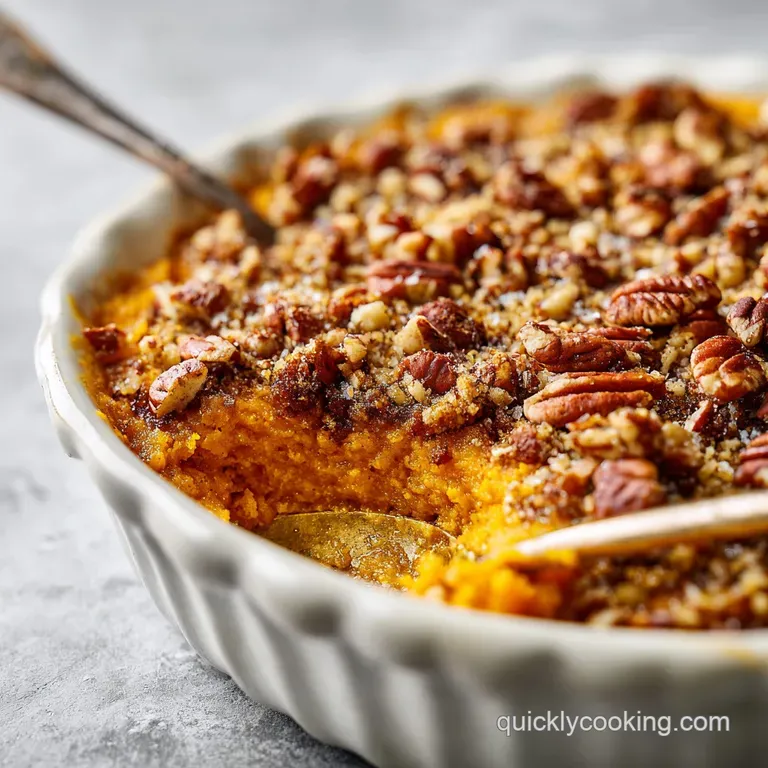
- Time: Active 15 minutes, Passive 35 minutes, Total 50 minutes
- Flavor/Texture Hook: Velvety spiced base with a shattering pecan crunch
- Perfect for: High speed holiday prep or weeknight comfort
- Making the Best Sweet Potato Casserole
- Essential Culinary Techniques Decoded
- Core Recipe Specifications
- Selecting the Best Components
- Required Kitchen Tools
- The Efficient Cooking Flow
- Preventing Common Kitchen Errors
- Flavor Variations and Swaps
- Safe Storage and Waste
- Ideal Food Pairings
- Debunking Common Kitchen Myths
- Recipe FAQs
- 📝 Recipe Card
Making the Best Sweet Potato Casserole
The scent of toasted cinnamon and bubbling brown sugar hitting a hot oven is enough to stop anyone in their tracks. It’s that specific, warm aroma that signals the start of a serious meal.
I remember the first time I tried to rush this; I didn't whip the potatoes enough, and the result was a heavy, dense block that sat like a stone. That’s when I realized that speed doesn't mean skipping steps it means choosing the right ones.
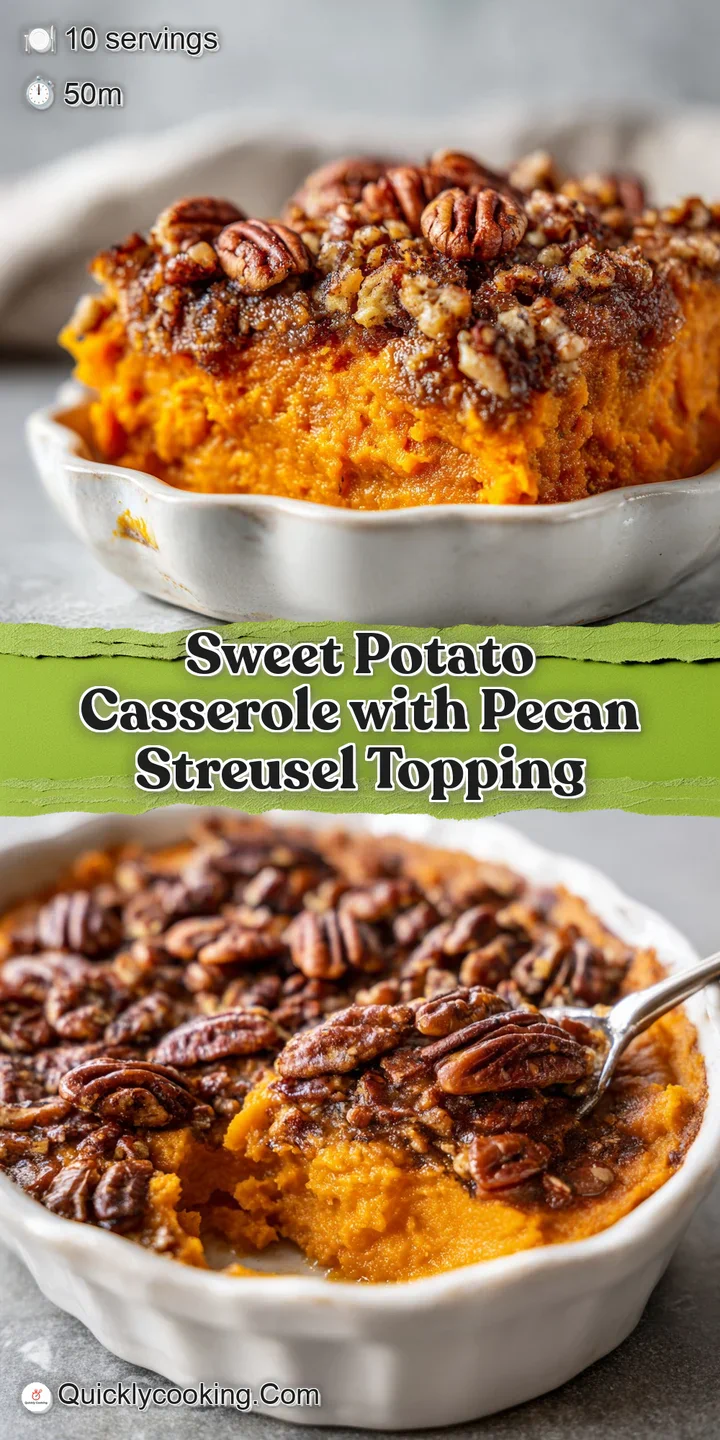
If you’re looking for a result that balances a silky, almost soufflé like interior with a topping that provides a distinct "shatter" in every bite, you've found it. We are focusing on efficiency here, moving through the prep in a tight 15 minutes so the oven can do the heavy lifting.
This isn't just about a holiday side; it's about understanding how to manipulate textures to get a high end result without spending three hours in the kitchen.
Right then, let's talk about the payoff. You’re getting a dish that hits every sensory note: the vibrant orange of the sweet potatoes, the deep caramel notes of the dark brown sugar, and the crunch of those pecans. We’ve all seen those soggy, sad versions at potlucks. We aren't making that.
We are making something that people will actually ask for the recipe of before they’ve even finished their first serving. Trust me on this, the aerated texture is the secret to making this dish feel light despite its richness.
Essential Culinary Techniques Decoded
- Aeration via Mechanical Force: Using a hand mixer for 2 minutes incorporates tiny air bubbles into the dense starch, transforming the base from a heavy mash into a velvety, light mousse.
- Fat Protein Binding: The room temperature egg acts as a structural stabilizer, setting the potato starches as they bake so the casserole holds its shape when sliced rather than slumped on the plate.
- Cold Fat Integration: By using chilled, cubed butter for the streusel, we create small pockets of fat within the flour. As it hits 375°F, the water in the butter evaporates, leaving behind a flaky, shattering crust.
- Maillard Enhancement: The combination of dark brown sugar and pecans at high heat creates complex toasted notes that cut through the natural sweetness of the potatoes.
| Cook Method | Time | Texture | Best For |
|---|---|---|---|
| Boiled Fresh | 15 minutes | Velvety and bright | Maximum flavor depth |
| Canned/Drained | 5 minutes | Consistent and soft | Ultimate time saving |
| Roasted Whole | 45 minutes | Intense and earthy | Deep caramelized notes |
While roasting whole potatoes provides an incredible flavor, the boiling method used in this recipe is the champion of efficiency. It allows you to peel and cube the potatoes first, which drastically reduces the cooking time compared to roasting them in their skins.
When you're in a rush, those 30 minutes saved are everything.
Core Recipe Specifications
This recipe is built on a specific balance of moisture and fat. When we look at the components, we aren't just looking at ingredients; we are looking at how they interact under heat.
The dark brown sugar, for instance, provides molasses which adds a dampness that white sugar lacks, keeping the interior moist while the topping stays crisp.
| Component | Science Role | Pro Secret |
|---|---|---|
| 3 lbs Sweet Potatoes | Primary Starch | Peel and cube small (1 inch) to ensure even, rapid boiling. |
| 1 Large Egg | Structural Binder | Ensure it is room temperature to prevent the butter from seizing when mixed. |
| Dark Brown Sugar | Humectant & Flavor | Pack it firmly to get the exact moisture content required for the velvety crumb. |
| Pecans | Texture Contrast | Chop them unevenly to provide a mix of fine crunch and large, satisfying bites. |
The choice of dark brown sugar over light brown is intentional. The higher molasses content provides a deeper color and a more complex, slightly bitter edge that balances the inherent sweetness of the 3 lbs of potatoes.
If you only have light brown sugar, it will work, but you'll lose that signature "old-fashioned" depth of color.
Selecting the Best Components
- Sweet Potatoes: 3 lbs, peeled and cubed. Why this? Fresh potatoes provide a cleaner, less "tinny" flavor than canned varieties.
- Substitute: Canned yams (drained). Note: These are softer; reduce boiling time.
- Dark Brown Sugar: 0.5 cup for the base, 0.5 cup for topping. Why this? Molasses adds moisture and a rich, dark caramel profile.
- Substitute: Light brown sugar. Note: Results in a milder, sweeter flavor.
- Unsalted Butter: 0.25 cup melted, 0.25 cup chilled. Why this? Controlling salt allows the sea salt to shine properly.
- Substitute: Salted butter. Note: Reduce added sea salt by half.
- Whole Milk: 0.25 cup. Why this? The fat content ensures a silky mouthfeel without being too heavy.
- Substitute: Heavy cream. Note: Adds a richer, more decadent texture.
- Egg: 1 large, room temperature. Why this? Provides lift and prevents the casserole from becoming "soupy".
- Substitute: 0.25 cup unsweetened applesauce. Note: Base will be denser.
- Pure Vanilla Extract: 1 tsp. Why this? Acts as a flavor bridge between the sugar and the earthiness of the tubers.
- Substitute: Maple syrup. Note: Adds a distinct woody sweetness.
- Sea Salt: 0.5 tsp. Why this? Large grains provide "pops" of salt that cut through the sugar.
- Substitute: Table salt. Note: Use slightly less, as it is finer.
- Ground Cinnamon: 0.5 tsp. Why this? Essential for that classic, warm autumnal aroma.
- Substitute: Pumpkin pie spice. Note: Adds notes of clove and ginger.
- All Purpose Flour: 0.5 cup. Why this? Binds the streusel ingredients into a cohesive, crunchy crust.
- Substitute: Almond flour. Note: Results in a grainier, nuttier topping.
- Chopped Pecans: 1 cup. Why this? Provides the "shatter" effect against the soft potato base.
- Substitute: Walnuts. Note: Slightly more bitter, but excellent crunch.
- Mini Marshmallows: 1.5 cups. Why this? The classic "toasted" finish for a multi textural experience.
- Substitute: Large marshmallows (halved). Note: They take longer to melt.
Required Kitchen Tools
To hit our 50 minute target, organization is key. You'll need a large pot for the potatoes stainless steel or enameled cast iron works best for even heat. A hand mixer is your best friend here; don't try to mash these by hand if you want that velvety texture.
The mechanical speed of the mixer is what introduces the aeration we’re looking for.
You'll also need a 9x13 inch ceramic or glass baking dish. Ceramic is actually preferred because it holds heat more consistently, which helps the bottom of the casserole set properly while the top browns.
A pastry cutter or a simple fork will work for the streusel, but if you want to be truly efficient, just use your fingers to rub the butter into the flour. It’s faster and gives you better control over the crumb size.
The Efficient Cooking Flow
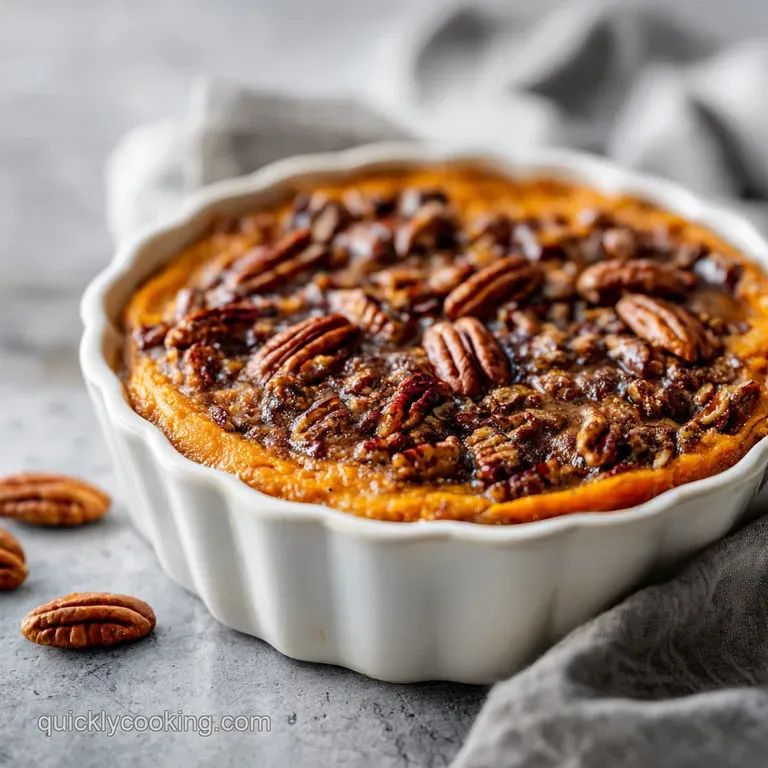
- Boil 3 lbs of cubed sweet potatoes in salted water for 15 minutes. Note: They should be fork tender and falling apart.
- Preheat your oven to 375°F (190°C) and grease a 9x13 inch dish.
- Drain the potatoes thoroughly and return them to the pot. Wait until the steam subsides to avoid a watery base.
- Whip the potatoes with 0.25 cup melted butter, 0.25 cup milk, 0.5 cup dark brown sugar, egg, vanilla, salt, and cinnamon.
- Beat on medium high for 2 minutes until the mixture looks pale and aerated.
- Transfer the velvety mixture into the prepared baking dish and smooth the top.
- In a separate bowl, rub 0.25 cup chilled butter into 0.5 cup flour and 0.5 cup brown sugar.
- Stir in 1 cup chopped pecans until the mixture clumps together.
- Bake for 25 minutes. Check that the edges are bubbling.
- Top with 1.5 cups marshmallows and bake for 3-5 minutes until golden and puffed.
Preventing Common Kitchen Errors
Why Your Casserole Is Runny
If your base lacks structure, it’s usually because the potatoes weren't drained well enough or the egg was skipped. Sweet potatoes hold a surprising amount of water. If you let them sit in the colander for a full 2 minutes, the residual heat will steam off that excess moisture.
Also, don't be tempted to add more milk than the recipe calls for; it might look thick at first, but the sugar will liquefy in the oven.
Avoiding Burnt Pecans
Pecans have a high oil content, meaning they move from "toasted" to "burnt" in about sixty seconds. If your oven runs hot, keep an eye on the streusel at the 20 minute mark. If the nuts look dark but the casserole isn't set, tent the dish with foil.
This protects the topping while allowing the internal temperature to reach the necessary level for the egg to set.
| Problem | Root Cause | Solution |
|---|---|---|
| Grainy Topping | Butter was too warm | Use butter straight from the fridge and work quickly. |
| Separated Base | Egg scrambled | Ensure potatoes have cooled slightly before adding the beaten egg. |
| Soggy Bottom | Excess potato moisture | Steam dry the potatoes in the hot pot for 1 minute after draining. |
Common Mistakes Checklist
- ✓ Never use "cold" eggs; they will cause the melted butter in the base to clump and seize.
- ✓ Don't over process the streusel; you want pea sized lumps of butter for maximum "shatter."
- ✓ Avoid overfilling the pot with water; just cover the potatoes to prevent them from becoming waterlogged.
- ✓ Always grease the baking dish corners well; the sugar in the potatoes will caramelize and stick.
- ✓ Wait for the "golden brown" marshmallow visual cue; under toasted marshmallows won't have that gooey pull.
Flavor Variations and Swaps
If you're looking for a different texture, you could try a savory sweet hybrid. Some people love adding a pinch of cayenne or smoked paprika to the base to cut through the sugar. It’s a bold move that works surprisingly well with the pecans. For a different side dish vibe entirely, you might consider how the crispy elements here compare to something like KFC Potato Wedges, where the focus is all on the exterior crunch.
If you find yourself needing to scale this down for a smaller dinner, it's quite simple. For a half batch, use a 8x8 inch pan and reduce the bake time by about 5 minutes. Since you can't easily halve an egg, beat one whole egg in a small cup and use roughly two tablespoons of the mixture.
It keeps the ratio precise so the base doesn't end up too "custardy" or too loose.
| Goal | Adjustment | Outcome |
|---|---|---|
| Nut Free | Swap pecans for crushed cornflakes | Salty crunch without the allergens. |
| Less Sweet | Reduce topping sugar by half | Focuses on the earthy potato flavor. |
| Boozy Kick | Add 1 tbsp Bourbon to the base | Adds a smoky, oaky depth. |
Safe Storage and Waste
Storing this dish is straightforward, but texture is the trade off. In the fridge, the casserole will stay good for 3 to 4 days if covered tightly. The marshmallows will inevitably soften and lose their "puff," but the flavor remains intact.
For the best reheating results, use an oven or toaster oven at 350°F rather than a microwave; the dry heat helps the pecan topping regain some of its original shatter.
If you have leftover raw sweet potato peels, don't toss them! You can toss them in a little oil and salt and roast them at 400°F for 10 minutes to make a quick, fiber rich snack. As for freezing, the base freezes beautifully for up to 2 months.
Just freeze it before adding the topping. When you're ready to eat, thaw it overnight in the fridge, add the fresh streusel and marshmallows, and bake as directed.
Ideal Food Pairings
This casserole is the ultimate partner for savory, salty meats. Because it’s quite rich, it balances perfectly with something that has a bit of acidity or a deep, umami driven gravy. I often serve this alongside a Mississippi Pot Roast, as the pepperoncini in the roast provide a sharp contrast to the velvety sweetness of the potatoes.
If you’re planning a large spread, think about the textures on the plate. Since this casserole is soft and crunchy, you might want a green vegetable that still has some "snap" to it, like blanched green beans or a crisp kale salad.
The key to a high efficiency meal plan is choosing sides that don't all require the oven at the same temperature, so you can keep the kitchen moving without a bottleneck at the stove.
Debunking Common Kitchen Myths
There is a persistent myth that you should add the marshmallows at the very beginning of the bake. This is a recipe for disaster; marshmallows will completely liquify and eventually burn long before the potato base is heated through.
By adding them in the last 5 minutes, you achieve the "toasted campfire" effect without losing the marshmallow's structural integrity.
Another misconception is that canned yams are inherently inferior. While fresh potatoes have a better texture for whipping, canned yams are a perfectly valid efficiency hack. The "science" of the dish the egg binding and the sugar caramelizing remains the same.
Just ensure you rinse them thoroughly to remove the packing syrup, which can be overly sweet and artificially flavored. Controlling your own sugar levels is what makes this version stand out from the cafeteria style.
Recipe FAQs
What are some common mistakes to avoid when making sweet potato casserole?
Use room temperature eggs to prevent clumping. Adding cold eggs to your base will cause the melted butter to seize, resulting in a grainy texture rather than a smooth, whipped consistency.
How to cook a sweet potato for diabetics?
Boil the potatoes in salted water for 15 20 minutes until fork tender. Keep the pieces uniform to ensure they cook evenly without becoming waterlogged, which helps maintain better structural integrity.
What all do you need for sweet potato casserole?
Gather your fresh sweet potatoes, dark brown sugar, butter, whole milk, one egg, vanilla, salt, cinnamon, flour, pecans, and marshmallows. These ingredients form the essential base and the signature crunchy streusel topping.
Is brown sugar or white sugar better in sweet potato casserole?
Dark brown sugar is superior because of its molasses content. It provides a deep, caramel like complexity that white sugar lacks, which perfectly complements the natural earthiness of the potatoes.
How to achieve the perfect streusel texture?
Cut the chilled butter into the flour and brown sugar until you see pea-sized crumbs. If you enjoyed mastering the art of creating flaky, Minutes with Garlic Butter recipe, you will appreciate how this crumbly fat-to-flour ratio prevents the topping from becoming a dense paste.
How to tell when the casserole is finished baking?
Bake the base for 25 minutes, then add marshmallows and toast until golden brown. Rely on visual cues for the marshmallows rather than just time; you want a light, golden color and a soft, gooey pull.
Is it true I must whip the potatoes for a long time to get them smooth?
No, this is a common misconception. You only need to beat the mixture on medium high for 2 minutes until aerated, as over processing can make the potatoes gummy.
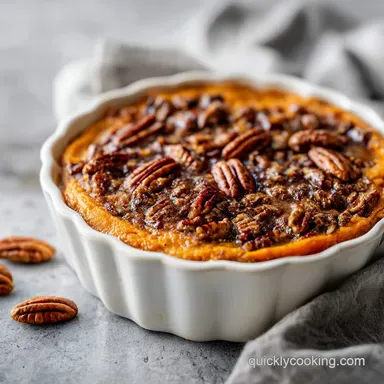
Easy Sweet Potato Casserole
Ingredients:
Instructions:
Nutrition Facts:
| Calories | 417 kcal |
|---|---|
| Protein | 4.6 g |
| Fat | 17.7 g |
| Carbs | 61.5 g |
| Fiber | 5.1 g |
| Sugar | 42.8 g |
| Sodium | 194 mg |
