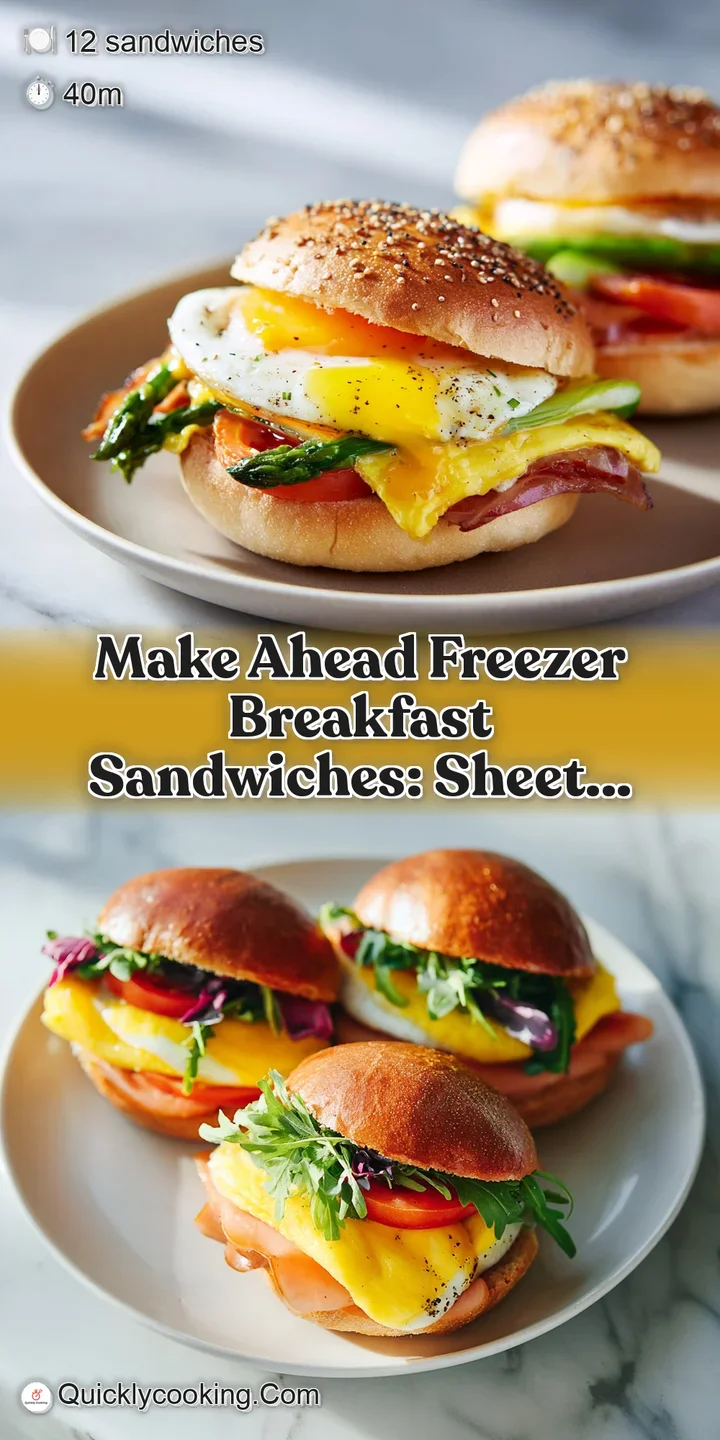
Make Ahead Freezer Breakfast Sandwiches
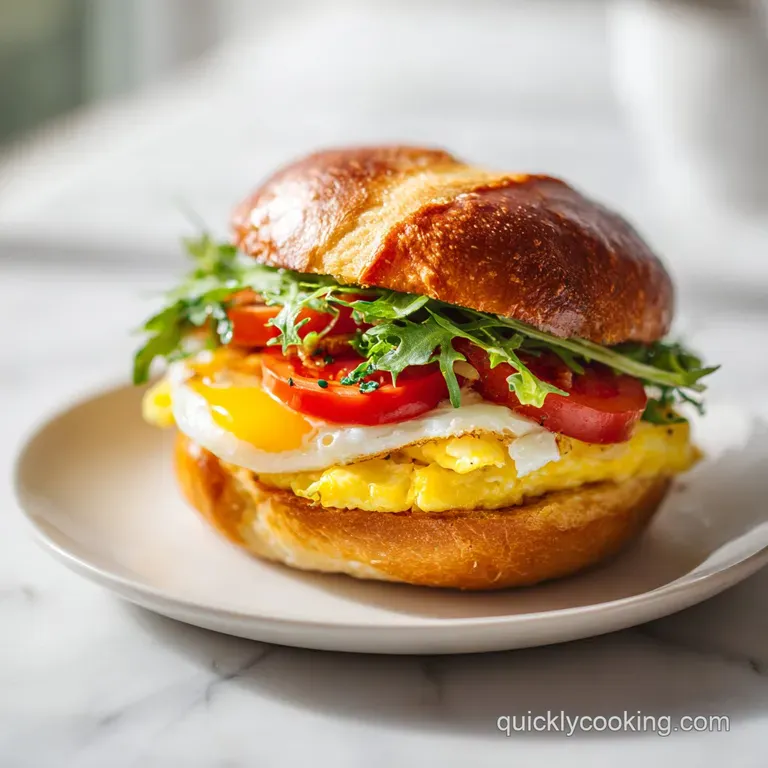
- Time: Active 15 minutes, Passive 25 minutes, Total 40 minutes
- Flavor/Texture Hook: Savory salty sausage paired with velvety eggs and a golden brown toasted muffin.
- Perfect for: High speed morning commutes or fueling a busy family before school.
- Master These Make Ahead Freezer Breakfast Sandwiches
- Why This Method Saves Mornings
- Essential Metrics For Success
- Selecting The Best Building Blocks
- Essential Tools For Batch Success
- Streamlined Assembly Line Workflow
- Solving Frequent Texture Issues
- Adjusting The Batch Size
- Smart Dietary Variations
- Debunking Common Breakfast Myths
- Keeping Your Sandwiches Fresh
- Best Sides For Morning Meals
- High in Sodium
- Recipe FAQs
- 📝 Recipe Card
Master These make-ahead Freezer Breakfast Sandwiches
The sharp sizzle of a sausage patty hitting a hot skillet is basically my version of a morning alarm. I used to spend twenty minutes every single day scrambling eggs and chasing a toddler while my own coffee went cold on the counter.
It was a cycle of stress that ended in me grabbing a granola bar and calling it "nutrition." I finally snapped when I realized I was spending five dollars a pop on those soggy drive thru versions that tasted more like cardboard than actual food.
We've all been there, staring at the fridge at 6:30 AM with zero brainpower. That is exactly why I started batch cooking these sandwiches on Sunday afternoons. There is something incredibly satisfying about seeing a dozen foil wrapped pucks of protein lined up in the freezer like little soldiers ready for the week.
It’s not just about saving time; it's about reclaiming that first hour of your day so you can actually enjoy your coffee while it's still steaming.
Trust me, once you experience the ease of grabbing one of these and knowing you've got 23.3 grams of protein waiting for you, there’s no going back. We’re going to skip the fussy individual frying and use a clever oven method that ensures every sandwich is identical.
No more lopsided eggs or forgotten cheese slices. Let's get into how we make this happen without losing our minds.
Why This Method Saves Mornings
The Moisture Lock Steam Cycle: Wrapping the muffins while they retain a hint of warmth creates a controlled steam environment that keeps the bread supple during the freezing process. This prevents the starch molecules from retrograding into a stale, hard texture when they hit the microwave later.
Uniform Protein Coagulation: Baking the egg base in a single sheet ensures the proteins set evenly without the rubbery edges often found in stovetop scrambles. This creates a velvety, consistent texture that mimics the high end "sous vide" eggs found in coffee shops but at a fraction of the cost.
| Method | Time | Texture | Best For |
|---|---|---|---|
| Oven (Sheet Pan) | 25 minutes | Uniform and velvety | Large batches and meal prep |
| Stovetop (Individual) | 5 minutes per egg | Crispy, lacy edges | Single servings eaten immediately |
| Air Fryer (Reheat) | 4 minutes | Shatter crisp exterior | Getting that "freshly made" crunch |
Using the oven isn't just a shortcut; it's a strategic move for texture. When you fry eggs individually, the water evaporates quickly, often leaving you with a dry result that doesn't hold up well to freezing. By whisking in a little whole milk and baking them, we preserve that internal moisture. It's similar to the logic we use in our Breakfast Burritos for recipe where the filling needs to stay moist through a freeze thaw cycle.
Essential Metrics For Success
| Ingredient | Science Role | Pro Secret |
|---|---|---|
| 12 Large Eggs | Structural protein base | Whisk until no streaks remain for a cloud like texture |
| English Muffins | Sturdy, porous vessel | Use fork split muffins to create "nooks" that catch melted cheese |
| Sausage Patties | Fat and umami carrier | Ensure they are fully chilled before assembly to prevent soggy bread |
Chef Tip: Freeze your butter for 10 minutes before spreading it on the muffins. This allows you to apply a thin, even layer that doesn't soak into the bread, creating a fat based barrier that keeps the egg from making the muffin mushy.
Selecting The Best Building Blocks
To get the best results, you need the right components. Don't grab the cheapest, softest white bread rolls you can find. Those will disintegrate the second they meet a microwave. You want something with structural integrity.
- 12 large eggs: These provide the bulk of your nutrition and the soft texture.
- 0.5 cup whole milk: Essential for preventing the eggs from becoming rubbery in the freezer.
- 1 tsp kosher salt: Use Diamond Crystal if possible; it distributes more evenly than table salt.
- 0.5 tsp black pepper: Freshly cracked adds a much needed bite.
- 0.5 tsp garlic powder: The "secret" savoriness that makes these taste like a restaurant.
- 12 English muffins, fork split: The "nooks and crannies" are vital for texture.
- 12 slices sharp cheddar cheese: Sharpness cuts through the richness of the sausage.
- 12 pre cooked breakfast sausage patties: Using pre cooked saves massive amounts of time.
- 2 tbsp unsalted butter, softened: For that golden brown toasted finish.
| Original Ingredient | Substitute | Why It Works |
|---|---|---|
| English Muffins | Sourdough slices | High acidity keeps them chewy and prevents them from getting soggy |
| Sausage Patties | Canadian Bacon | Lower fat content. Note: Result is slightly less juicy but very lean |
| Cheddar Cheese | Pepper Jack | Adds a spicy kick without changing the melting point |
Actually, if you find yourself out of English muffins, you can use high-quality biscuits, though they tend to be much more crumbly. If you're looking for a softer vibe for a party, you might even consider the base concept used in this Juicy Mini Sandwiches recipe, though for the freezer, the English muffin remains king.
Essential Tools For Batch Success
You don't need a professional kitchen, but a few specific items make this a 15 minute prep job instead of a morning long ordeal. First, a standard 13x18 inch (half sheet) rimmed baking pan is non negotiable for the eggs.
If you use a smaller pan, the eggs will be too thick and won't cook through at the same rate as the sausage.
You’ll also want a good whisk and a large bowl. I highly recommend using parchment paper or a silicone baking mat. Eggs are notorious for sticking, and there is nothing more frustrating than losing half your protein to the bottom of a pan. Finally, grab some heavy duty aluminum foil.
Cheap, thin foil tends to tear in the freezer, leading to freezer burn and that weird "icy" taste we all want to avoid.
Streamlined Assembly Line Workflow
1. The Batch Cooked Egg Base
Preheat your oven to 350°F (180°C). Grease a rimmed baking sheet generously or line it with parchment. In a large bowl, whisk the 12 large eggs, 0.5 cup whole milk, 1 tsp kosher salt, 0.5 tsp black pepper, and 0.5 tsp garlic powder.
Whisk vigorously for about 2 minutes until the mixture is pale yellow and frothy. Pour this into the prepared pan.
Bake for 12 to 15 minutes until the center is just set and no longer jiggles. Don't overbake; the eggs will cook more during the reheating process later. Let them cool in the pan for 5 minutes before cutting into 12 even squares.
2. Assembly Line Efficiency
While the eggs bake, prepare your English muffins. Spread 2 tbsp unsalted butter across the 12 fork split muffins. Place them on another baking sheet and broil for 1 to 2 minutes until the edges are shatter crisp and golden.
Note: Toasting the muffins creates a moisture barrier so the egg doesn't soak in.
3. The Flash Cool & Wrap Protocol
Lay out your bottom muffins. Top each with a square of the egg, then one of the 12 pre cooked breakfast sausage patties, and finally one of the 12 slices of sharp cheddar cheese. Place the top muffin on.
Allow the sandwiches to sit for 10 minutes before wrapping. This is the most important step. If you wrap them while they are piping hot, the bread will turn to mush. If you wrap them cold, the bread will be dry. You want them "just warm" to the touch. Wrap each tightly in foil or parchment paper.
- Prep the egg slurry. Whisk eggs, milk, and spices.
- Bake the egg sheet.350°F (180°C) for 15 minutes.
- Toast the muffins. Butter and broil until golden.
- Cut the eggs. Divide into 12 squares.
- Layer the components. Muffin, egg, sausage, cheese, muffin.
- Cool slightly. Wait 10 minutes.
- Wrap tightly. Use foil or freezer safe wrap.
- Freeze. Store in a single layer initially.
Solving Frequent Texture Issues
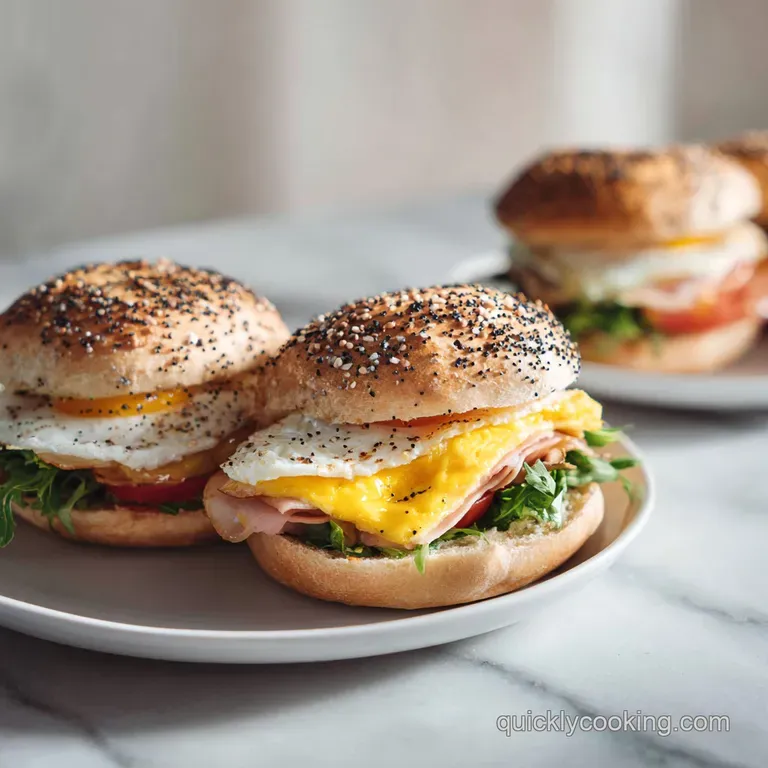
Why Your Muffin Is Soggy
Sogginess usually happens because of "residual respiration." When you wrap a hot sandwich, the steam has nowhere to go but back into the bread. If you've ever bitten into a microwave sandwich and found the bottom to be a wet sponge, this is why.
| Problem | Root Cause | Solution |
|---|---|---|
| Soggy Bottom | Wrapped while too hot | Let sandwiches cool for 10 minutes before wrapping |
| Rubbery Eggs | Overcooked in oven | Remove eggs when the center has a slight, jelly like wobble |
| Frozen Center | Reheated too fast | Use 50% power on the microwave or thaw in fridge overnight |
Eliminating The Frozen Core Problem
We've all had that moment where the outside of the sandwich is lava and the middle is an ice cube. This happens because high wattage microwaves vibrate the water molecules on the outside first.
To fix this, I always suggest the "paper towel trick." Remove the foil, wrap the sandwich in a damp paper towel, and microwave at 50% power for 2 minutes. The damp towel creates a mini steam sauna that penetrates the center without burning the edges.
✓ Always toast the muffins until they are quite firm (this prevents moisture absorption). ✓ Let the cooked sausage patties drain on a paper towel to remove excess grease.
✓ Never skip the milk in the egg mixture; it’s the insurance policy against "egg rubber." ✓ Use a round biscuit cutter for the eggs if you want that "perfect" look, though squares are faster. ✓ Cool the assembled sandwiches on a wire rack if you have one to prevent bottom sweat.
Adjusting The Batch Size
If you’re only cooking for one or two people, you might be tempted to halve this. You can easily do that by using a 9x9 inch square pan for the eggs (use 6 eggs and 0.25 cup milk). Reduce the bake time by about 3 minutes.
If you’re scaling up for a huge crowd or a monthly meal prep session, do the eggs in batches. Don't try to double the egg recipe in one sheet pan or they will be way too thick and the bottom will burn before the top sets.
I usually do two separate sheet pans in the oven at once, swapping their positions halfway through. For the spices, only go to 1.5x the amount if you are doubling the recipe spices can become overwhelming very quickly when multiplied exactly.
| Servings | Egg Count | Pan Size | Cook Time |
|---|---|---|---|
| 6 Sandwiches | 6 Eggs | 9x9 inch pan | 12 minutes |
| 12 Sandwiches | 12 Eggs | 13x18 inch pan | 15 minutes |
| 24 Sandwiches | 24 Eggs | Two 13x18 pans | 18 minutes (rotate) |
If you find yourself with extra eggs, you can always use them for a quick side, much like you would serve a slice of Homemade Banana Bread Recipe alongside a lighter breakfast.
Smart Dietary Variations
1. Healthy Freezer Breakfast Sandwiches (Low Calorie)
If you're looking to trim things down, swap the whole eggs for 2 cups of egg whites and 2 whole eggs for color. Use turkey sausage or Canadian bacon and a low-fat Swiss cheese. Swap the butter for a light spray of olive oil on the muffins.
You’ll lose a bit of that "velvety" mouthfeel, but you’ll save about 150 calories per sandwich.
2. The Spicy Southwest Twist
This is my personal favorite. Add 1 tbsp of diced canned green chiles to the egg mixture before baking. Replace the cheddar with pepper jack cheese and add a tiny smear of chipotle mayo to the muffin after reheating. It’s an instant wake up call for your taste buds.
| Premium | Budget | Flavor Impact | Savings |
|---|---|---|---|
| Organic Pasture Eggs | Store Brand Eggs | Minimal in a sandwich | Save $4.00 per dozen |
| Artisan Bakery Muffins | Grocery Brand Muffins | Noticeable texture difference | Save $3.00 per pack |
| Thick cut Deli Cheese | Pre packaged Slices | Slices melt more evenly | Save $2.00 per pack |
Debunking Common Breakfast Myths
There’s a persistent myth that you should add salt to eggs only after cooking. People say it makes them "watery." In reality, salting the raw eggs acts as a buffer for the proteins, preventing them from bonding too tightly.
This actually results in a more tender, moisture rich egg square that survives the freezer much better than unsalted eggs.
Another myth is that you can't freeze cheese. While some fancy artisanal cheeses lose their texture, a standard sharp cheddar or American slice handles the freeze thaw cycle perfectly.
The fat content is high enough that it doesn't "break" or become grainy when reheated, provided you don't blast it on high heat for five minutes straight.
Keeping Your Sandwiches Fresh
Storage: These will stay fresh in the fridge for up to 4 days if you're just prepping for the immediate week. For the freezer, they are best consumed within 3 months. After that, the bread starts to take on that "freezer smell" regardless of how well you wrap them.
Always label your foil with a Sharpie believe me, a "mystery foil puck" is much less appetizing at 6 AM.
Zero Waste: Don't throw away those "shavings" from the English muffins if you split them yourself! Toss them in a bag in the freezer. When you have a cup or two, toast them in a pan with butter and garlic for the best salad croutons you've ever had.
If you have leftover egg squares that didn't fit the muffins, chop them up and toss them into a quick fried rice for dinner.
Best Sides For Morning Meals
While these are a complete meal on their own, I love pairing them with something bright to balance the richness of the sausage and cheese. A simple fruit salad with a squeeze of lime or even just a cold green apple works wonders.
If you have a bit more time on a Saturday morning, serving these alongside a warm slice of something sweet is the ultimate "weekend at home" vibe. It's the same principle as serving a savory main with a side of Danish Butter Cookies recipe — it’s all about the contrast.
Now, go clear some space in your freezer. Your future Monday morning self is going to be incredibly grateful when that alarm goes off and breakfast is already handled. Stay hungry, and happy cooking!
High in Sodium
871 mg mg of sodium per serving (38% % of daily value)
The American Heart Association recommends limiting sodium intake to no more than 2,300mg per day for most adults.
Tips to Reduce Sodium in Your Breakfast Sandwich
-
Swap Sausage-25%
Pre-cooked breakfast sausage is often high in sodium. Opt for a low-sodium sausage or consider making your own from ground pork to control the sodium content.
-
Choose Low-Sodium Cheese-15%
Sharp cheddar cheese contributes significantly to the sodium content. Replace it with a lower sodium cheese option, such as Swiss or Monterey Jack, or use a smaller amount of the sharp cheddar.
-
Reduce Added Salt-10%
Cut back on the amount of kosher salt added to the egg mixture. Start by reducing it by half or eliminating it entirely and taste before adding more.
-
Muffin Selection-10%
Check the nutrition labels of different English muffin brands and select a lower sodium option. Some brands offer reduced sodium varieties.
-
Salt Free Cooking-5%
When cooking the eggs, avoid adding any salt during the cooking process. Season after cooking, if needed, using a pinch of salt or salt substitute to control the amount added.
-
Spice It Up!
Enhance the flavor with fresh or dried herbs like chives, parsley, or dill, or with spices such as smoked paprika or onion powder to compensate for the reduced salt. These add flavor without adding sodium.
Recipe FAQs
Can I premake breakfast sandwiches and freeze them?
Yes, absolutely. Batch cooking is the entire point of this recipe, allowing you to assemble and freeze up to 3 months worth of meals.
How do you keep frozen breakfast sandwiches from getting soggy?
Toast the English muffins until they are shatter crisp before assembly. This creates a crucial moisture barrier that prevents the egg and cheese from turning the bread into a sponge when microwaved later.
What fillings freeze well in breakfast sandwiches?
Cooked sausage, ham, bacon, sharp cheddar, and Monterey Jack freeze perfectly. Avoid soft vegetables like tomatoes or fresh spinach, as they will degrade texture significantly after thawing.
Can you pre-make sandwiches and put them in the freezer?
Yes, this is the recommended approach for maximum efficiency. Make sure you let the assembled sandwiches cool for about 10 minutes post assembly before tightly wrapping them in foil to prevent freezer burn.
What is the secret to preventing rubbery eggs when freezing?
Don't overcook the eggs initially and always add milk or cream. The added liquid buffers the proteins, keeping them tender; this same principle of balancing liquid content is key when making our Breakfast Smoothie Bowl recipe to maintain a creamy texture.
Is it true I must use a specific type of bread to avoid sogginess?
No, this is a common misconception, but highly recommended. While any bread can work, English muffins are superior because their dense, craggy structure (the nooks) grips the melted cheese better than soft white bread.
How long can I safely store these in the freezer?
Consume within 3 months for optimal flavor and texture quality. They remain safe past this point, but the bread quality starts to diminish due to slight freezer burn even with tight wrapping.
Freezer Breakfast Sandwiches Prep
Ingredients:
Instructions:
Nutrition Facts:
| Calories | 395 kcal |
|---|---|
| Protein | 23.3 g |
| Fat | 21.2 g |
| Carbs | 27.4 g |
| Fiber | 1.5 g |
| Sugar | 2.1 g |
| Sodium | 871 mg |
