Garlic Bread Grilled Cheese: Crispy and Cheesy
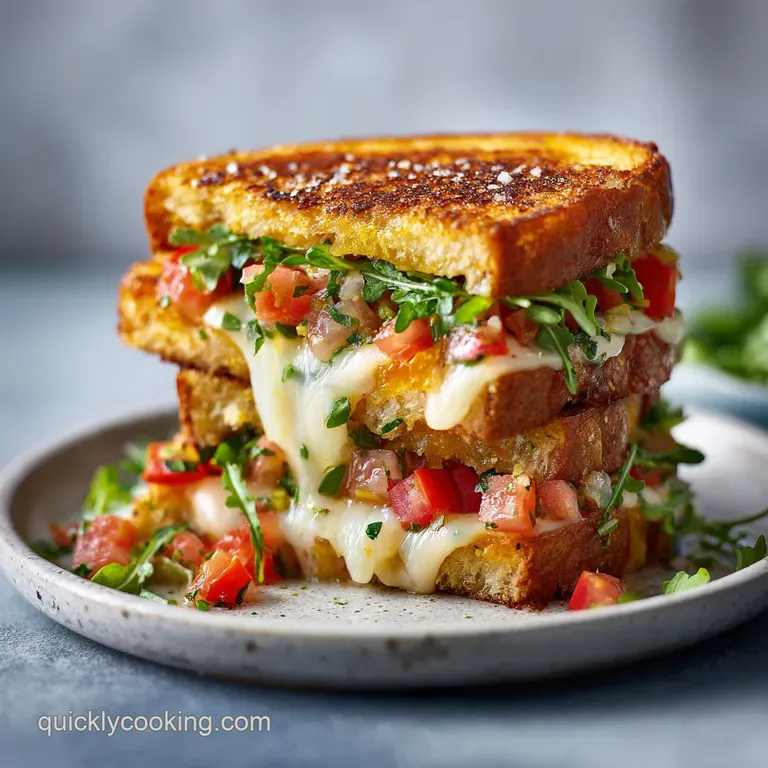
- Time: Active 5 minutes, Passive 10 minutes, Total 15 minutes
- Flavor/Texture Hook: Shattering sourdough crust with a velvety mozzarella pull
- Perfect for: High efficiency weekday lunches or a quick comfort fix
- Create This Garlic Bread Grilled Cheese 15 Min Lunch Idea with Mozzarella
- The Mechanics of a Shattering Sourdough Crust
- Fast Cooking Versus Classic Methods Comparison
- Analysis of the Key Components Involved
- Selecting the Right Bread and Cheese Elements
- Tools for Achieving a Consistent Golden Finish
- Step by Step Guide to a Toasty Lunch
- Solving Common Toasting and Melting Issues
- Adjusting the Yield for Larger Groups
- Debunking Traditional Bread Toasting Methods
- Effective Storage and Waste Prevention Strategies
- Side Dishes That Enhance the Savory Flavors
- Very High in Sodium
- Recipe FAQs
- 📝 Recipe Card
Create This Garlic Bread Grilled Cheese 15 Min Lunch Idea with Mozzarella
Have you ever wondered why some grilled cheese sandwiches feel like a sad, soggy afterthought while others have that distinct, audible crunch that everyone in the room hears? It usually comes down to the moisture content of the bread and the specific type of fat you use to sear it.
Discover a mouthwatering Garlic Bread Grilled Cheese perfect for a speedy 15 minute lunch with gooey mozzarella that fixes every common lunch break mistake.
The first time I tried combining garlic bread logic with a melt, I made a massive error by using fresh minced garlic directly in the pan. Within two minutes, the garlic turned bitter and black, while the cheese was still a cold, solid brick in the middle. It was a disaster that smelled like a burnt Italian kitchen.
I realized that to get that specific "garlic bread" vibe without the bitterness, I needed to change how the flavors were delivered to the sourdough.
This recipe is the result of streamlining that process for maximum speed and efficiency. By creating a quick emulsion of butter and olive oil, we get the flavor of the dairy with the higher heat tolerance of the oil.
It’s the fastest way to turn basic pantry staples into a meal that feels like it came from a high end bistro. You get the salty hit from the Pecorino and the legendary stretch of the mozzarella in the time it takes to brew a fresh pot of coffee.
The Mechanics of a Shattering Sourdough Crust
Building a sandwich that doesn't collapse or get greasy requires a little bit of kitchen logic regarding how fats interact with heat. We aren't just slapping butter on bread; we are creating a protective barrier that toasts the exterior while insulating the interior.
This ensures the heat migrates slowly enough to melt the cheese before the sourdough turns into charcoal.
- Fat Emulsification: Mixing olive oil with softened butter creates a spread that doesn't soak into the bread fibers as quickly as plain melted butter, leading to a crispier surface.
- Moisture Control: Using low moisture mozzarella prevents steam from building up inside the sandwich, which is the primary cause of soggy bread.
- Thermal Conductivity: The thick cut sourdough acts as a heat sink, allowing the edges to brown deeply while the core stays tender and chewy.
- Protein Binding: The finely grated Pecorino Romano melts into the nooks of the sourdough, acting as a "cheese glue" that holds the mozzarella in place.
Fast Cooking Versus Classic Methods Comparison
This table highlights why the pan seared emulsion method is superior for a quick 15 minute lunch compared to traditional oven baked garlic bread techniques.
| Method | Total Time | Texture | Efficiency Level |
|---|---|---|---|
| Pan Seared Emulsion | 15 minutes | Shattering, even crust | High: Single pan, direct heat |
| Classic Oven Bake | 25 minutes | Soft center, crispy top | Low: Requires preheating |
| Direct Buttering | 12 minutes | Potentially greasy | Medium: Uneven browning |
While the oven method is great for large parties, it lacks the immediate "crunch factor" we need for a solo lunch. The pan seared approach allows you to control the pressure with a spatula, ensuring the cheese makes direct contact with the heat through the bread.
This physical contact is what creates that iconic mahogany color we are looking for in a high-quality melt.
Analysis of the Key Components Involved
Understanding the role of each ingredient helps you understand why we don't skip the small details, like the pinch of red pepper or the specific type of cheese.
| Ingredient | Science Role | Pro Secret |
|---|---|---|
| Sourdough Bread | Structural Integrity | Use 1.5 cm thick slices to balance the cheese to carb ratio |
| Mozzarella | Elasticity and Melt | Always use low moisture part skim for the longest cheese pull |
| Garlic Powder | Consistent Infusion | Powder distributes flavor more evenly than fresh in short cook times |
| Extra Virgin Olive Oil | Smoke Point Buffer | It prevents the butter solids from burning too quickly in the pan |
If you have ever tried using a softer bread like brioche for this, you know it can sometimes flatten into a pancake. Sourdough has a fermented structure that stays airy even under the pressure of a spatula.
It’s the backbone of this Garlic Bread Grilled Cheese 15 Min Lunch Idea with Mozzarella and provides a tangy contrast to the rich, fatty cheeses.
Selecting the Right Bread and Cheese Elements
The success of this lunch depends entirely on the quality of your sourdough and the moisture level of your cheese. Don't grab the "fresh" mozzarella balls floating in water for this; you need the block style that you can shred yourself or buy pre shredded.
- 1 tbsp salted butter, softened: Why this? Provides the foundational savory, creamy flavor for the garlic crust.
- 0.5 tbsp extra virgin olive oil: Why this? Increases the smoke point and creates a thinner, crispier fat layer.
- 0.5 tsp garlic powder: Why this? Offers punchy flavor without the risk of burning that fresh garlic has.
- 0.5 tsp fresh parsley, finely minced: Why this? Adds a bright, herbaceous note to cut through the heavy fats.
- 2 slices thick cut sourdough bread: Why this? The sturdy crumb supports the weight of the melted cheese.
- 0.5 cup low moisture, part skim mozzarella cheese, shredded: Why this? Provides the ultimate gooey melt without releasing excess water.
- 1 tbsp Pecorino Romano, finely grated: Why this? Adds a sharp, salty kick that elevates the mild mozzarella.
- 1 pinch red pepper flakes: Why this? A tiny amount of heat balances the richness of the butter.
For a slightly different flavor profile, you could swap the sourdough for a sturdy ciabatta, though you might lose some of that signature tang. If you are out of Pecorino, a very aged Parmesan works similarly, though it’s slightly less salty, so you might need an extra pinch of seasoning.
Tools for Achieving a Consistent Golden Finish
You don't need a kitchen full of gadgets, but two specific items make this 15 minute process much smoother. First, a heavy bottomed pan is non negotiable. I prefer a cast iron skillet (like a Lodge) because it retains heat beautifully, meaning when you flip the sandwich, the pan hasn't lost its temperature.
If you use a very thin aluminum pan, the temperature drops the second the cold bread hits it, leading to a longer cook time and potentially soggy bread.
The second tool is a flexible metal spatula. You need to be able to get under the bread without tearing the crust. A thick plastic spatula often struggles to slide under the sourdough once the cheese starts to bridge the gap between the bread and the pan.
Having that thin edge allows you to flip with confidence and apply even pressure for the perfect sear.
step-by-step Guide to a Toasty Lunch
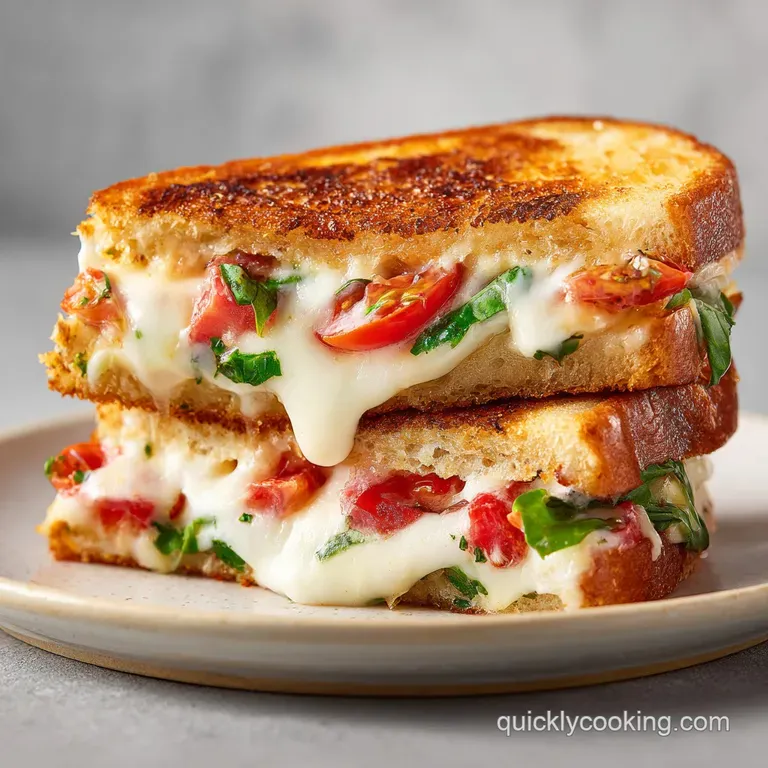
Follow these steps exactly to ensure your cheese is fully melted by the time the bread reaches that perfect mahogany shade.
- Whisk the emulsion. Combine the softened butter, olive oil, garlic powder, and parsley in a small bowl until it looks like a pale green, creamy paste. Note: This ensures the garlic and parsley are trapped in the fat for even distribution.
- Coat the bread. Lay your sourdough slices out and spread that garlic butter mix generously on one side of each slice.
- Prepare for the pan. Flip one slice over so the dry side is up. This is your "inside" surface.
- Layer the cheese. Pile the mozzarella and Pecorino Romano onto the dry side. Ensure the cheese reaches the very edges of the bread for maximum coverage.
- Season and close. Sprinkle the red pepper flakes over the cheese and top with the second slice, buttered side facing outward.
- Preheat the skillet. Set your pan over medium heat for 2 minutes until a drop of water flicked onto it sizzles instantly.
- Start the sear. Carefully place the sandwich in the pan. Listen for a steady, gentle sizzle.
- Press and cook. Let it go for 3-4 minutes. Use your spatula to press down firmly every 60 seconds.
- The flip. Slide the spatula underneath and flip in one quick motion. The first side should be deeply golden and crackling to the touch.
- Finish and rest. Cook the second side for another 3-4 minutes. Remove from the pan and let it sit for 60 seconds before slicing to let the cheese set slightly.
Solving Common Toasting and Melting Issues
The most frustrating part of a grilled cheese is when the bread looks perfect, but the cheese inside is still cold. This usually happens because the heat was too high.
Why Your Bread Burns Before the Cheese Melts
If your sourdough is turning dark brown in under two minutes, your burner is too high. You want a medium, steady heat that allows the thermal energy to soak through the thick sourdough slices.
If this happens, turn the heat to low immediately and cover the pan with a lid for 60 seconds to trap the heat and force the cheese to melt.
Why the Sandwich Feels Greasy
This is often caused by putting the bread into a cold pan. The bread acts like a sponge and absorbs the butter rather than searing on top of it. Always ensure your pan is preheated so the fat immediately starts frying the exterior of the bread rather than soaking into the crumb.
| Problem | Root Cause | Solution |
|---|---|---|
| Burnt Garlic Flavor | Heat too high or fresh garlic used | Use powder and stick to medium heat |
| Soggy Bread | Pan wasn't preheated | Wait for the sizzle before adding bread |
| Cheese Not Melting | Bread is too thick or cheese is too cold | Cover with a lid for 1 min to trap steam |
Common Mistakes Checklist
- ✓ Never use "light" butter or margarine; the water content will steam the bread instead of frying it.
- ✓ Grate your own cheese if possible; pre shredded cheese is coated in potato starch which can prevent a smooth melt.
- ✓ Don't skip the olive oil; it acts as a safety net to keep the butter from smoking and turning bitter.
- ✓ Resist the urge to flip more than once; each flip loses heat and risks the sandwich falling apart.
- ✓ Always use a heavy pan; thin pans create hot spots that burn sections of the bread while leaving others white.
Adjusting the Yield for Larger Groups
If you are making this for the whole family, don't try to cram four sandwiches into one small pan. Work in batches or use a large electric griddle set to 175°C.
When scaling up, you don't need to quadruple the red pepper flakes or the garlic powder linearly, as those flavors can become overwhelming. Use about 1.5x the spices for every double portion of bread and cheese.
For the butter emulsion, you can make a large batch and keep it in the fridge for up to a week; it’s basically an "instant garlic bread" starter.
If you are cooking for four, preheat your oven to 90°C and place a wire rack on a baking sheet. As each Garlic Bread Grilled Cheese 15 Min Lunch Idea with Mozzarella finishes in the pan, slide it into the oven.
This keeps the crust crispy while you finish the rest, preventing the first person from eating a cold sandwich while the last person is still waiting.
Debunking Traditional Bread Toasting Methods
Many people believe that mayonnaise is superior to butter for grilled cheese because it has a higher smoke point. While it does brown well, it lacks the specific diacetyl compounds found in butter that give garlic bread its soul.
For this specific recipe, the butter oil emulsion provides a better flavor profile that complements the mozzarella and Pecorino.
Another myth is that you need to butter the pan, not the bread. If you butter the pan, the fat disperses unevenly, and the bread only picks up the grease where it first touches. By spreading the emulsion directly onto the sourdough, you guarantee every square centimeter of that crust is seasoned and ready to shatter.
The Maillard reaction occurs more uniformly, giving you that "mahogany" look across the entire surface.
Effective Storage and Waste Prevention Strategies
While a grilled cheese is best eaten fresh, you can actually prep the components ahead of time to make your 15 minute lunch even faster.
- Fridge
- You can assemble the sandwich (without the butter on the outside) and wrap it in parchment paper for up to 24 hours. Don't butter the outside until you are ready to cook, or the bread will get soft.
- Freezer
- These actually freeze surprisingly well. Wrap the un cooked, assembled sandwich tightly in plastic wrap and foil. You can cook it directly from frozen just lower the heat and cover the pan to ensure the middle melts.
- Reheating
- Never use a microwave. It will turn the sourdough into rubber. Reheat in a dry skillet over medium heat for 2 minutes per side or in an air fryer at 180°C for 3-4 minutes.
Zero Waste Tip If you have leftover garlic butter emulsion, don't toss it. It's incredible tossed with hot pasta or used to sauté some broccoli. If you have sourdough heels that are too small for a sandwich, cut them into cubes, toss them in the leftover emulsion, and pan fry them to make the best croutons you've ever had. You could even use them as a topping for a Broccoli Casserole recipe if you have some leftovers in the fridge.
Side Dishes That Enhance the Savory Flavors
This sandwich is quite rich, so you want something acidic or bright to balance the palate. A simple arugula salad with a lemon vinaigrette is my go to. The peppery bite of the greens cuts right through the mozzarella.
If you want a more classic experience, a creamy tomato basil soup is the gold standard. The acidity of the tomatoes highlights the tang in the sourdough. For something a bit different, try serving this with a small bowl of easy homemade cheese dip if you really want to lean into the indulgence, though usually, the mozzarella inside is more than enough.
Ultimately, this recipe is about speed and satisfaction. It takes the familiar comfort of a grilled cheese and applies the bold, aromatic rules of garlic bread to create a lunch that feels much more expensive than it actually is. It’s a 15 minute investment that pays off in every crunchy, cheesy bite.
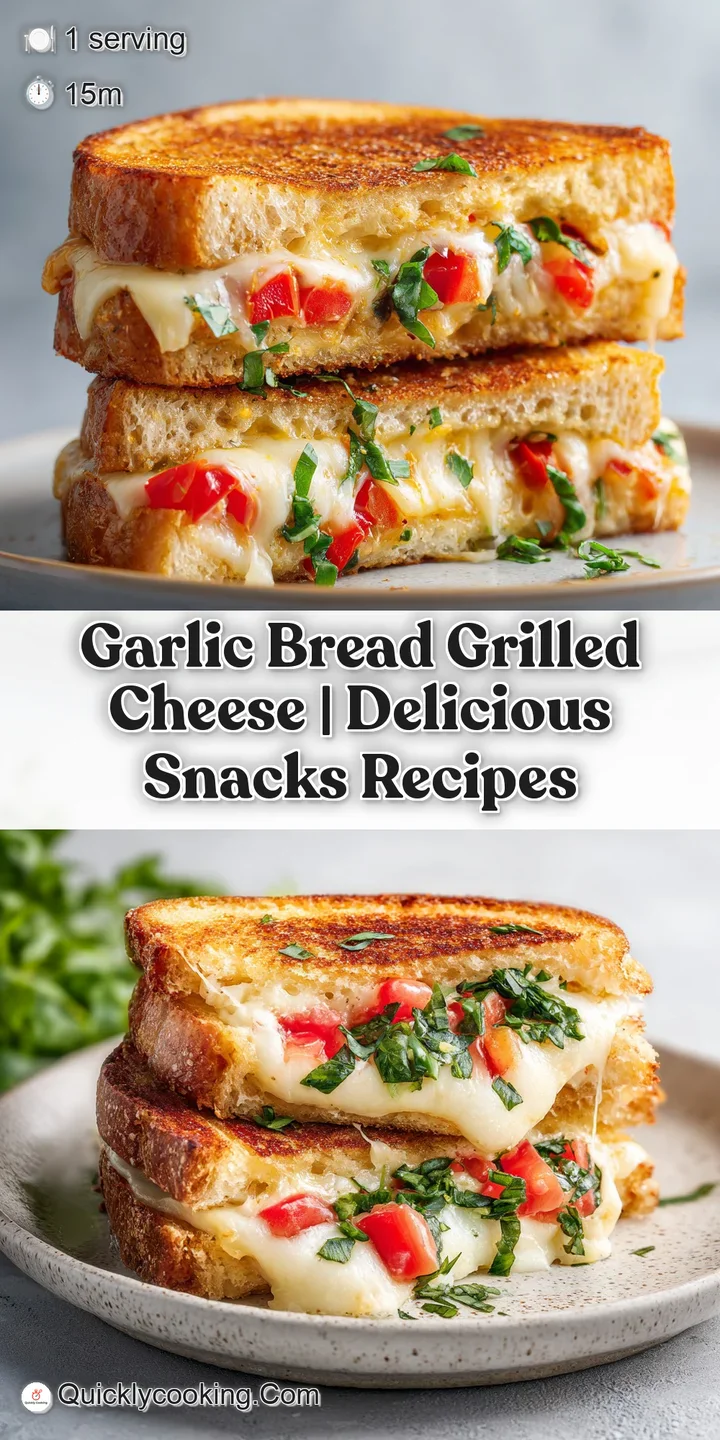
Very High in Sodium
1060 mg 1060 mg of sodium per serving (46% 46% of daily value)
The American Heart Association recommends limiting sodium intake to no more than 2,300mg per day, with an ideal limit of 1,500mg per day for most adults.
Tips to Reduce Sodium
-
Swap Pecorino Romano-15%
Pecorino Romano is a very salty cheese. Replace it with a low-sodium alternative like nutritional yeast or a very small amount of Parmesan (which is still salty but generally less so than Pecorino Romano).
-
Use Unsalted Butter-10%
Salted butter significantly contributes to sodium content. Switch to unsalted butter to have complete control over the salt added.
-
Boost Flavor with Herbs and Spices
Instead of relying on salt, enhance flavor with fresh herbs like parsley and chives, or spices like black pepper and red pepper flakes.
-
Choose Lower Sodium Mozzarella-5%
While less impactful than other changes, opt for a low-sodium mozzarella if available. Read labels carefully.
Recipe FAQs
Does mozzarella go well on a grilled cheese?
Yes, it is the ideal choice for its superior meltability. Using low-moisture, part skim mozzarella ensures a perfect, gooey pull without making the sourdough soggy.
Can I use mozzarella cheese for garlic bread?
Yes, it pairs perfectly with the garlic butter emulsion. When combined with a hint of grated Pecorino Romano, the mozzarella creates a savory, browned crust that mimics classic pizzeria style garlic bread.
What to eat with grilled cheese for lunch?
Serve it with a fresh, acidic side to balance the richness. A light salad or some roasted beet salad provides a sharp, earthy contrast to the buttery, melted cheese.
Can a diabetic have grilled cheese?
Consult with your healthcare provider regarding your specific dietary needs. While this recipe uses sourdough and high protein cheese, portion size and individual carb tolerance remain critical factors in managing blood glucose.
Is it true I should use high heat to get a crust faster?
No, this is a common misconception. You must cook over medium heat for 3-4 minutes per side to achieve a mahogany colored crust while allowing the internal mozzarella to melt completely.
How to ensure the garlic butter coats the bread evenly?
Whisk the butter, olive oil, garlic powder, and parsley into a smooth, emulsified paste before spreading. This technique ensures the seasoning is evenly trapped in the fat so it doesn't burn or clump during cooking.
How to get the perfect golden brown finish?
Press down occasionally with a flexible spatula throughout the 3-4 minute cooking process. This ensures consistent contact between the bread and the pan for an even, mahogany colored crust.
Garlic Bread Grilled Cheese
Ingredients:
Instructions:
Nutrition Facts:
| Calories | 604 kcal |
|---|---|
| Protein | 24 g |
| Fat | 31 g |
| Carbs | 55 g |
| Fiber | 3 g |
| Sugar | 2 g |
| Sodium | 1060 mg |
