15 Minute Garlic Butter Steak Bites
- Time: Active 5 minutes, Passive 10 minutes, Total 15 minutes
- Flavor/Texture Hook: Velvety butter sauce with a crispy, seared exterior
- Perfect for: High energy weeknight dinners or rapid protein meal prep
- Master the 15 Minute Garlic Butter Steak Bites
- Crucial Benchmarks for Succulent Bites
- The Science of over High heat Seared Flavors
- Analyzing Your Raw Material Components
- Tools for Minimalist Kitchen Speed
- Precision Steps for Rapid Searing
- Troubleshooting Tough Meat and Burnt Garlic
- Smart Swaps and Pantry Variations
- Storage and Reducing Kitchen Waste
- High Efficiency Sides and Pairings
- Recipe FAQs
- 📝 Recipe Card
Master the 15 Minute Garlic Butter Steak Bites
Picture this: you’ve just walked through the door after a grueling shift, your stomach is growling, and the last thing you want to do is wait an hour for a roast. You pull out a heavy skillet, and within seconds of the meat hitting the oil, that aggressive sizzle fills the kitchen, signaling that a high protein reward is only moments away.
The aroma of toasted garlic starts to mingle with the browning beef, and you know you’ve made the right call.
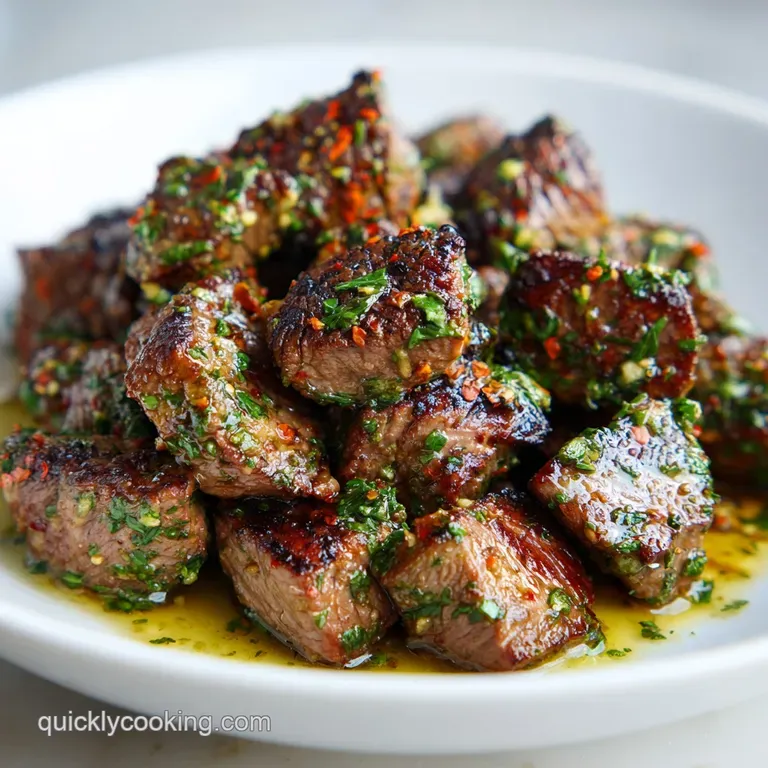
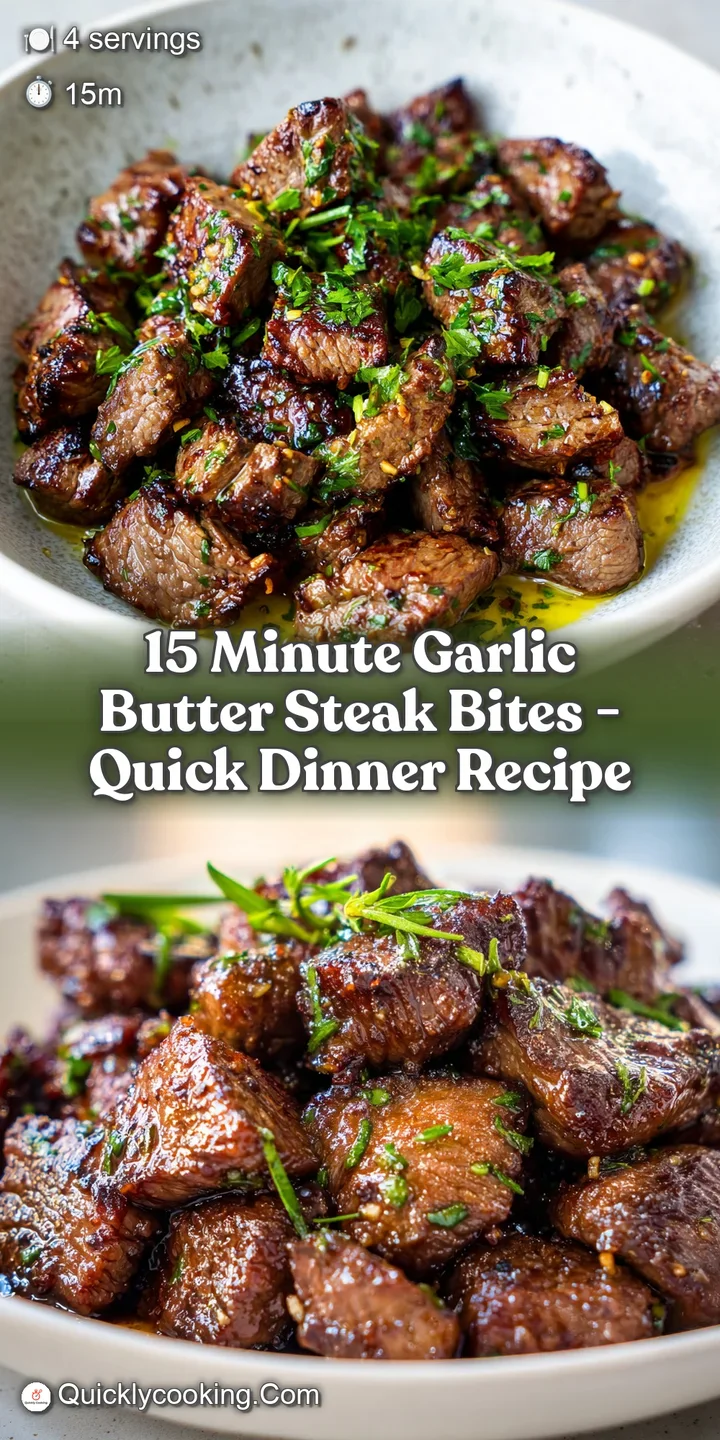
Whip up these delicious 15 Minute Garlic Butter Steak Bites with Fresh Parsley for a quick and satisfying meal. I’ve spent years trying to get that steakhouse quality without the steakhouse price tag or the lengthy prep time.
This method is the result of countless trials some involving tough, chewy meat and others involving bitter, burnt garlic until I finally streamlined the process for pure efficiency. It’s about working smarter, not longer.
We are focusing on the intersection of high heat and rapid fat emulsification. You don’t need a culinary degree to pull this off; you just need to follow the sequence. By the time you’ve set the table, the steak is resting and ready to melt in your mouth.
Let's get into the mechanics of why this works so well.
Crucial Benchmarks for Succulent Bites
To ensure your steak doesn't turn into rubber, we need to hit specific precision checkpoints. These numbers aren't suggestions; they are the difference between a velvety finish and a disappointing chew. Keep your digital thermometer handy and watch the clock.
- 1. Pan Temperature
- 200°C (The oil should shimmer and show wisps of smoke).
- 2. Meat Size
- 2.5 cm cubes (1 inch) for even heat distribution.
- 3. Internal Target
- 54°C (130°F) for a medium rare finish before the butter baste.
Decision Shortcut
- If you want a shatter crisp crust, use a cast iron skillet and pat the meat bone dry.
- If you want a milder garlic punch, add the minced cloves only in the final 30 seconds.
- If you want it keto friendly, serve over cauliflower rice to soak up every drop of fat.
The Science of over High heat Seared Flavors
The Physics of the over High heat Sear: High temperature triggers the Maillard reaction, reorganizing amino acids and sugars into a complex, savory crust. This happens rapidly at 200°C, ensuring the exterior browns before the interior overcooks.
- Thermal Momentum: Using avocado oil allows for a higher smoke point, preventing the fat from breaking down into acrid compounds during the sear.
- Cold Fat Emulsification: Adding cold butter at the end prevents the milk solids from separating too quickly, creating a glossy, thick sauce rather than a greasy puddle.
- Osmotic Seasoning: Using 1 tsp kosher salt helps draw out surface moisture initially, which then evaporates to allow for a more intense surface browning.
- Aromatic Infusion: The 5 cloves of fresh garlic release essential oils into the butter, which acts as a vehicle to transport that flavor into every crevice of the meat.
| Thickness | Internal Temp | Rest Time | Visual Cue |
|---|---|---|---|
| 2.5 cm cube | 54°C (130°F) | 3 minutes | Deep brown crust, pink center |
| 2.0 cm cube | 57°C (135°F) | 2 minutes | Golden edges, medium center |
| 3.0 cm cube | 52°C (125°F) | 5 minutes | Heavy sear, rare center |
The resting phase is just as vital as the cooking phase. When meat proteins are heated, they contract and squeeze out moisture; letting them sit for 3 minutes allows those fibers to relax and reabsorb the juices, ensuring a tender bite.
Analyzing Your Raw Material Components
Selecting your ingredients with speed in mind is a hallmark of a practical cook. You want cuts that have enough intramuscular fat to stay juicy but aren't so tough that they require a slow braise. Sirloin is the champion here it’s lean enough to cook fast but flavorful enough to stand up to the garlic.
| Ingredient | Science Role | Pro Secret |
|---|---|---|
| Sirloin Steak | Structural Protein | Cut against the grain to shorten fibers for maximum tenderness. |
| Avocado Oil | Heat Conductor | High smoke point prevents the "burnt oil" taste common with olive oil. |
| Cold Butter | Emulsifying Agent | Keeping it cold ensures the sauce stays thick and velvety during the finish. |
When it comes to the aromatics, there’s a big debate about convenience. While I love a good shortcut, jarred garlic often has a metallic aftertaste that ruins a over high heat sear. If you’re in a rush, use a microplane to "mince" your 5 cloves in seconds.
| Component | Fresh | Shortcut | Flavor Impact |
|---|---|---|---|
| Garlic | Hand minced | Jarred/Pre minced | Fresh provides sharp, spicy notes; jarred is dull and acidic. |
| Parsley | Freshly chopped | Dried flakes | Fresh adds a bright, grassy lift; dried is mostly for color. |
| Butter | Cubed unsalted | Liquid Margarine | Butter provides a rich mouthfeel; margarine can feel oily and thin. |
Using the right fat is non negotiable for the 15 Minute Garlic Butter Steak Bites. We start with avocado oil for the heat and finish with butter for the soul. This two step fat process ensures we don't burn the butter solids while trying to get that initial sear.
Tools for Minimalist Kitchen Speed
You don't need a drawer full of gadgets for this. In fact, the fewer tools you use, the faster the cleanup. I swear by a 12 inch cast iron skillet because it holds heat like a beast. If you drop cold meat into a thin pan, the temperature plummets, and your steak will steam instead of sear.
Chef Tip: Freeze your butter for 10 minutes before cubing it. This keeps the fat stable longer when it hits the hot pan, giving you more time to coat the steak without the butter turning brown too fast.
- Heavy bottomed skillet: Cast iron or heavy stainless steel is a must.
- Stainless steel tongs: For precise flipping without piercing the meat.
- Digital meat thermometer: The only way to guarantee a medium rare finish every single time.
- Sharp Chef's knife: To ensure those 1 inch cubes are uniform for even cooking.
If you are cooking for a crowd and need to scale this up, remember that the pan is your limiting factor. For another protein packed option that uses similar over high heat techniques, my Fast Ground Beef recipe is a great one to keep in your rotation.
Precision Steps for Rapid Searing
Before you even turn on the stove, make sure your steak is at room temperature for about 15 minutes. Cold meat hitting a hot pan is a recipe for a grey, tough exterior. Pat the 1.5 lbs of sirloin cubes with a paper towel until they are bone dry moisture is the enemy of the sear.
- Prep the meat. Toss the 1 inch sirloin cubes with 1 tsp kosher salt and 0.5 tsp black pepper. Note: This creates an immediate seasoning layer for the Maillard reaction.
- Heat the skillet. Add 2 tbsp avocado oil to the pan over high heat until it starts to shimmer and smoke slightly.
- Sear the steak. Place the meat in a single layer, ensuring they aren't touching. Note: If the pan is too small, work in two batches to avoid steaming.
- Develop the crust. Let the meat sit undisturbed for 2 minutes until a deep brown crust forms on the bottom.
- Flip and repeat. Turn the cubes and cook for another 2 minutes until the other sides are browned.
- Reduce the heat. Turn the burner down to medium low to prepare for the butter baste.
- Add the aromatics. Drop in the 4 tbsp cold butter cubes, 5 cloves minced garlic, and 0.25 tsp red pepper flakes.
- Baste the meat. Spoon the melting butter over the steak for 1-2 minutes until the garlic is fragrant and golden.
- Finish and rest. Remove from heat, stir in 1 tbsp fresh parsley, and let the steak rest in the pan for 3 minutes.
This process moves fast. Once that butter hits the pan, you are in the "flavor zone." The butter will foam and sizzle; this is the milk solids toasting, which adds a nutty depth to the sauce. Don't walk away now, or you'll risk burning the garlic.
Troubleshooting Tough Meat and Burnt Garlic
The most common frustration with steak bites is ending up with meat that feels like a pencil eraser. This usually happens because the pan wasn't hot enough, or you kept moving the meat around. Let it sit! It needs that direct contact to develop flavor.
Why Your Steak Steamed
If you see liquid pooling in the bottom of the pan instead of a dry sizzle, you’ve overcrowded the skillet. The moisture escaping the meat has nowhere to go, so it boils the steak. This results in a grey color and a rubbery texture.
Why Your Garlic Tastes Bitter
Garlic burns in seconds at high heat. If you add it at the same time as the steak, it will turn black and acrid. Always wait until the meat is nearly done and you’ve lowered the heat before adding your aromatics.
| Problem | Root Cause | Solution |
|---|---|---|
| Tough/Chewy Meat | Overcooking or cutting with the grain | Use a thermometer; slice against the muscle fibers. |
| Grey/No Crust | Pan too cold or meat was wet | Wait for the oil to smoke; pat steak dry with towels. |
| Bitter Aftertaste | Burnt garlic or red pepper | Add aromatics only after reducing heat to medium low. |
Common Mistakes Checklist
- ✓ Skipping the pat dry step (results in steaming rather than searing).
- ✓ Using a non stick pan (these can't handle the high heat needed for a proper crust).
- ✓ Adding the butter too early (the milk solids will burn before the steak is cooked).
- ✓ Forgetting to rest the meat (all the juices will run out on the plate).
- ✓ Using a low smoke point oil like extra virgin olive oil for the initial sear.
Smart Swaps and Pantry Variations
Sometimes the grocery store is out of sirloin, or you realized you're out of fresh parsley. Don't panic. This recipe is resilient as long as you maintain the heat to fat ratio. If you're looking for a more formal dinner vibe, the flavor profile here is very similar to my Roasted Garlic Herb recipe, which uses a similar aromatic base.
| Original Ingredient | Substitute | Why It Works |
|---|---|---|
| Sirloin Steak | Ribeye or New York Strip | Higher fat content; produces a richer flavor but is more expensive. |
| Avocado Oil | Grapeseed or Rice Bran Oil | High smoke points; neutral flavors that won't compete with the butter. |
| Fresh Parsley | Fresh Thyme or Rosemary | Harder herbs add an earthy, woody aroma best added with the garlic. |
Scaling for Large Groups
- UP (2x-4x): Do not double the salt immediately; go to 1.5x and taste. You must work in batches. If you put 3 lbs of meat in one skillet, you will have boiled beef. Use two skillets if you have them.
- DOWN (½): Perfect for a solo lunch. Use a smaller 8 inch skillet to ensure the butter doesn't spread too thin and burn on the edges of a large pan.
Chef Tip: If you want to make this even faster next time, pre slice your steak and freeze it in a single layer on a baking sheet. Once frozen, toss them in a bag. They’ll thaw in 10 minutes on the counter, making this a true emergency meal.
Storage and Reducing Kitchen Waste
Leftover steak bites are a goldmine for breakfast the next day. I love tossing them into a quick scramble. To store, place the steak and all that glorious leftover garlic butter into an airtight container. It will stay fresh in the fridge for up to 3 days.
When reheating, avoid the microwave at all costs it will turn your tender steak into leather. Instead, heat a small skillet over medium heat, add a splash of water or beef broth, and toss the steak bites just until warmed through. This "steam heat" method preserves the moisture.
Zero Waste Tips:The Pan Fond: Don't wash the pan immediately! Toss in a handful of spinach or some leftover rice to soak up the browned bits (fond) and garlic butter left behind.
Fat Scraps: If you trimmed your steak, render those fat caps down in the pan before adding the oil for an extra layer of beefy flavor.
High Efficiency Sides and Pairings
Because this dish is so rich, I usually pair it with something bright or starchy to balance the fat. A simple side of steamed broccoli or a crisp green salad works wonders. If you have an extra 30 minutes, you can't go wrong with potatoes.
For a more comforting, "all in-one" feel, you could serve these bites alongside a creamy pasta. The garlic butter sauce from the steak acts as a perfect starter for a quick pan sauce. If you're feeling adventurous with your sides, try pairing this with a batch of Danish Butter Cookies recipe for dessert the buttery theme is a classic for a reason!
- Grains
- Fluffy quinoa or a 10 minute couscous.
- Veg
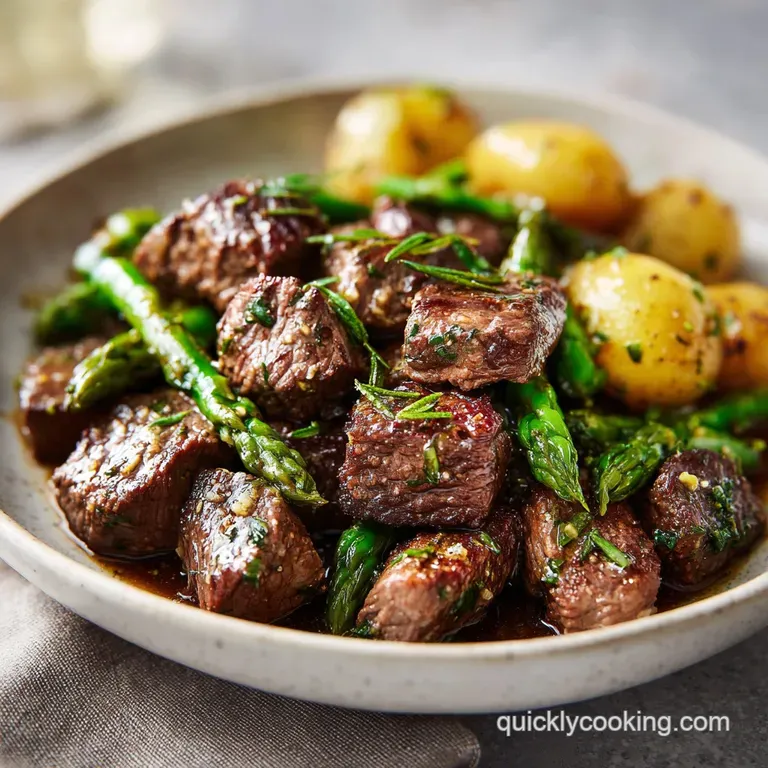
- Asparagus spears tossed in the same pan after the steak is removed.
- Low Carb
- Zucchini noodles or a simple cauliflower mash.
Whatever you choose, remember that the steak is the star. Keep the sides simple so you don't negate the speed of the 15 Minute Garlic Butter Steak Bites. It’s about getting a high-quality meal on the table without the high stress cleanup. Enjoy that sizzle!
Recipe FAQs
What cut of steak is best for 15-minute cooking time?
Sirloin steak is the best choice. Its lean profile allows it to cook quickly without drying out, provided you cut it into uniform 1 inch cubes.
How do I prevent the steak from steaming instead of searing?
Pat the meat completely dry with paper towels first. Excess surface moisture must be removed; otherwise, the heat energy goes into boiling the water instead of forming the necessary crust.
How hot must the pan be before adding the steak?
Heat the pan until the oil shimmers and shows wisps of smoke. This high initial temperature, usually around 200°C, is essential for triggering the Maillard reaction quickly for that signature crust.
When should I add the minced garlic to the pan?
Add the garlic only after the steak is nearly cooked and the heat is reduced to medium low. Garlic burns instantly at high searing temperatures, turning bitter before the steak finishes.
Is it true that I must use two different types of fat for this recipe?
Yes, using two fats maximizes flavor and cooking performance. Start with a high smoke point oil, like avocado oil, for the initial sear, and finish with cold butter for the rich baste and emulsified sauce.
How long should the steak bites rest after coming off the heat?
Rest the steak for 3 minutes minimum. This allows the contracted protein fibers to relax and reabsorb the internal moisture, ensuring the bites remain tender instead of losing all their juices onto the plate.
What is a good, quick side dish to serve with these rich bites?
Serve them with something acidic or starchy to cut the richness. For another fast, flavorful meal using a similar pan technique, check out the Buffalo Chicken Wraps in 15 Minutes for a great contrast.
Garlic Butter Steak Bites In 15
Ingredients:
Instructions:
Nutrition Facts:
| Calories | 392 kcal |
|---|---|
| Protein | 37.2 g |
| Fat | 26.4 g |
| Carbs | 1.6 g |
| Fiber | 0.2 g |
| Sugar | 0.1 g |
| Sodium | 618 mg |
