Korean Ground Beef Bowl: Caramelized and Crispy
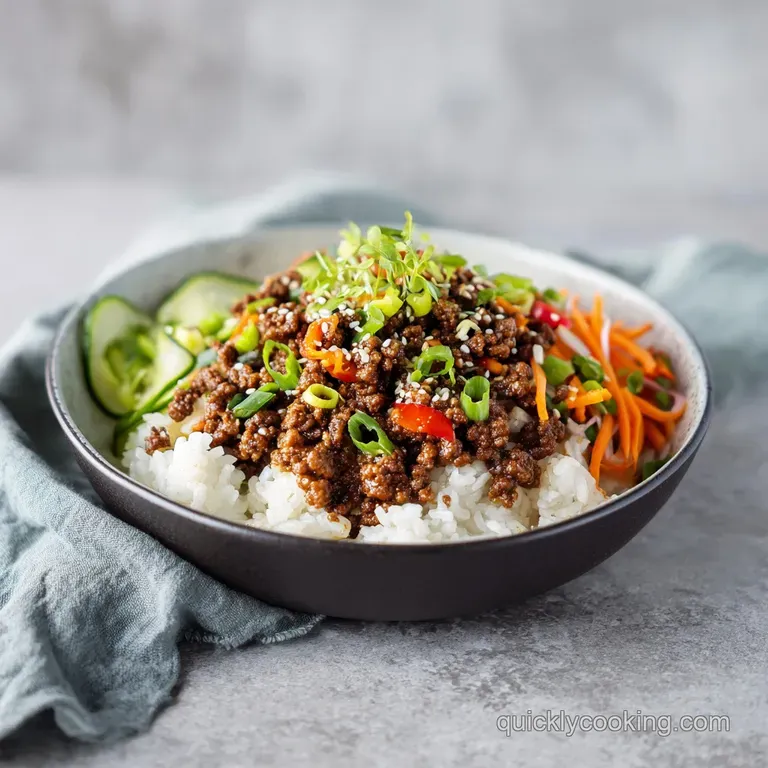
- Time: Active 5 minutes, Passive 10 minutes, Total 15 minutes
- Flavor/Texture Hook: Crispy, caramelized beef with a spicy sweet glaze
- Perfect for: High efficiency weeknight dinners and budget smart meal prep
- Fast 15 Minute Korean Ground Beef Bowl
- Why the Beef Stays Crispy
- Essential Ingredient Deep Dive
- High Efficiency Kitchen Equipment
- From Prep to Plate
- How to Fix Common Problems
- Rapid Scaling Guidelines
- Debunking Common Kitchen Myths
- Storage and Zero Waste Tips
- Better Than Dining Out Pairings
- Very High in Sodium
- Recipe FAQs
- 📝 Recipe Card
Fast 15 Minute Korean Ground Beef Bowl
It’s 6:00 PM on a Tuesday, the kids are asking what’s for dinner for the fourth time, and you’ve got exactly zero energy for a multi step project. This is the exact moment I reach for this recipe.
I remember the first time I made it; the sizzle of the beef hitting the hot cast iron was the only thing I could hear over the kitchen chaos. Within seconds, that sharp, spicy aroma of ginger and gochujang filled the room, and suddenly, dinner felt like a win rather than a chore.
We’ve all been there where we want takeout but don't want the delivery fee or the wait. This dish is my high speed answer to that craving. It’s built for efficiency, using ground beef because it cooks in a fraction of the time it takes to slice and marinate flank steak.
You get all those charred, savory bits that make Korean BBQ so addictive, but you’re doing it in one pan and finishing before the rice cooker even clicks over to the "warm" setting.
This isn't about fancy techniques or hard to find ingredients. It’s about smart swaps and over high heat cooking. We’re taking 1 lb lean ground beef and turning it into something that tastes like it spent all day in a marinade.
If you’re looking for a way to feed four people for a handful of dollars without eating another boring burger, you’ve found it. Let’s get moving because this moves fast.
Why the Beef Stays Crispy
The Moisture Evaporation Rule: By pressing the beef into a flat patty and leaving it alone, we allow surface moisture to evaporate instantly, which lets the sugars in the beef brown rather than steam in their own juices.
Caramelization Accelerator: The light brown sugar in the sauce doesn't just add sweetness; it lowers the temperature required for browning, creating a dark, mahogany glaze in under 2 minutes of simmering.
Fat Source Emulsification: The small amount of rendered fat from the 80/20 or 90/10 beef mixes with the soy sauce and sesame oil to create a thick, velvety coating that clings to every single crumble.
| Premium Ingredient | Budget Alternative | Flavor Impact | Savings |
|---|---|---|---|
| Fresh Ginger Root | Ground Ginger (1/4 tsp) | Slightly less zing but still warm | Save $2.00 |
| Gochujang Paste | Sriracha + Pinch of Sugar | Brighter heat, less fermented funk | Save $5.00 |
| Jasmine Rice | Long Grain White Rice | Less floral aroma but same texture | Save $1.50 |
Choosing the budget alternatives is a smart move when you're looking for efficiency. While fresh ginger is fantastic, a jar of pre minced ginger or even a quality ground ginger can save you those precious three minutes of peeling and grating. If you go the shortcut route, just remember that the flavor will be slightly more one note, but the speed of the Ground Beef Stir Fry method still delivers a massive win.
Essential Ingredient Deep Dive
| Component | Role in Dish | Pro Secret |
|---|---|---|
| 1 lb Ground Beef | Protein & Texture | Use 90/10 for less grease and better "crispability" |
| 1 tbsp Gochujang | Flavor Foundation | Whisk it into the soy sauce first to avoid spicy clumps |
| 1 tbsp Fresh Ginger | Aromatic Brightness | Freeze the root and grate it skin on for zero waste |
| 1/4 cup Brown Sugar | Texture & Color | Pack it tight to ensure the glaze becomes thick and sticky |
The magic of this meal really comes down to that 1/4 cup light brown sugar. It sounds like a lot, but it’s what gives the beef that "bulgogi" feel. Without it, you just have salty meat. The sugar interacts with the soy sauce and the beef fat to create a syrup that coats everything perfectly.
High Efficiency Kitchen Equipment
To keep this a 15 minute operation, you need a heavy bottomed pan. A 12 inch cast iron skillet is the gold standard here. Why? Because it holds heat like a beast. When you drop cold ground beef into a thin non stick pan, the temperature plummets, and the meat starts to "weep" liquid.
In a heavy cast iron, the pan fights back, maintaining that high heat so the beef sears the moment it touches the surface.
You'll also want a sturdy wooden spoon or a stiff nylon spatula. You need something with a flat edge to scrape up the "fond" those little brown bits stuck to the bottom of the pan. Those bits are concentrated flavor, and we want them in our sauce, not stuck to the skillet.
A small whisk for the sauce is also a lifesaver to ensure the gochujang is fully integrated before it hits the heat.
From Prep to Plate
- Whisk together 1/4 cup soy sauce, 1/4 cup light brown sugar, 1 tbsp gochujang, and 1 tsp toasted sesame oil in a small bowl. Note: Dissolving the sugar now prevents it from burning in hotspots later.
- Set a large skillet over medium high heat for 3 full minutes. Wait until the pan is shimmering and nearly smoking.
- Add 1 lb lean ground beef to the pan and press it into one giant, flat disc. Note: Treating it like a steak instead of crumbles ensures a better sear.
- Let the beef sear undisturbed for 3 minutes until a dark brown crust forms on the bottom.
- Flip the beef patty and break it into small crumbles using your wooden spoon.
- Toss in 3 minced garlic cloves, 1 tbsp grated ginger, and 1/2 tsp red pepper flakes.
- Sauté for 2 minutes until the garlic is fragrant and no pink remains in the beef.
- Pour the prepared sauce over the mixture and stir constantly.
- Simmer for 1-2 minutes until the sauce bubbles and thickens into a shiny glaze.
- Spoon the beef over 3 cups of cooked jasmine rice and top with sliced green onions and sesame seeds.
If you find yourself enjoying the speed of this workflow, you might also like my Greek Meatball Bowl for another fast paced weeknight option that keeps the kitchen time under control.
How to Fix Common Problems
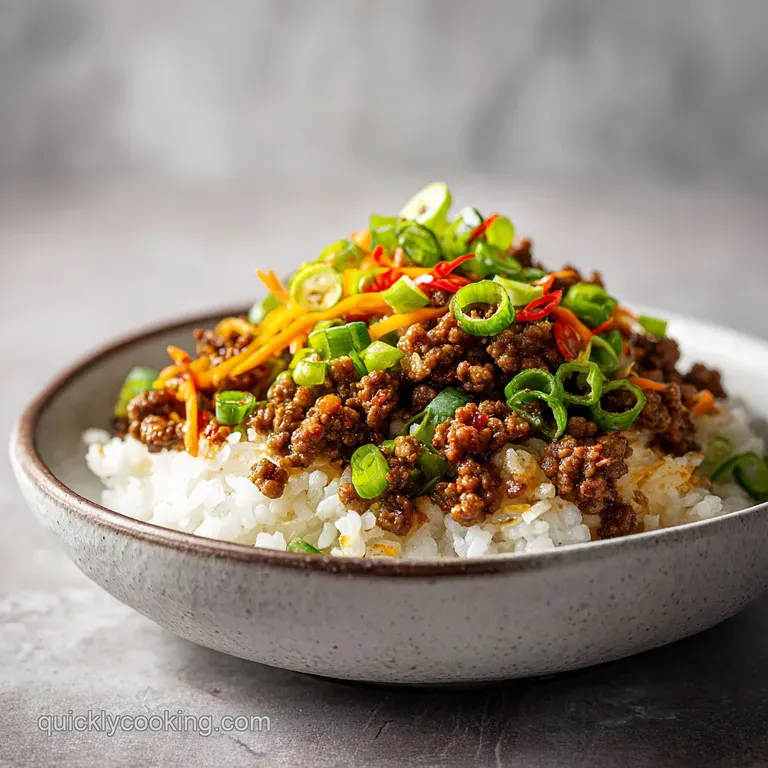
Why the Beef Is Greasy
If you use a higher fat beef like 80/20, you might end up with a pool of oil at the bottom of the pan. This prevents the sauce from "sticking" to the meat because oil and water based sauces don't mix naturally. It results in a bowl that feels heavy and looks unappealingly shiny.
Why the Meat Is Gray
This usually happens because the pan wasn't hot enough or you overcrowded it. When beef is crowded, it releases steam. That steam gets trapped, and instead of frying in its own fat, the beef boils in its own juice. You lose all that texture and depth of flavor.
| Problem | Root Cause | Solution |
|---|---|---|
| Thin, watery sauce | Not enough simmering time | Cook for 60 seconds longer on high heat |
| Burnt garlic | Added too early in the process | Always add aromatics after the beef is mostly browned |
| Overly salty flavor | Too much soy sauce reduction | Add 1 tbsp of water or a splash of rice vinegar |
Sometimes the simplest mistakes happen when we're in a rush. To keep things on track, I've put together a quick mental checklist I use every time I make this. It helps me stay in that high efficiency mindset without skipping the steps that actually matter for the final texture.
- ✓ Preheat the skillet for at least 3 minutes before adding the beef.
- ✓ Do not move the beef for the first 180 seconds of cooking.
- ✓ Grate the ginger finely so it melts into the sauce rather than leaving woody chunks.
- ✓ Use a "lean" beef to avoid having to drain hot fat mid process.
- ✓ Keep the rice warm in the cooker so it stays fluffy for serving.
Rapid Scaling Guidelines
If you're cooking for a crowd or want to meal prep for the whole week, you can easily double this recipe. However, don't just dump 2 lbs of beef into one pan. Unless you have a massive commercial grade skillet, the beef will steam and turn gray. Work in two batches to maintain that crispy texture.
When scaling up the sauce, keep the spices at 1.5x instead of 2x to start. You can always add more red pepper flakes at the end, but you can't take them out once they've simmered into the glaze. For the rice, a standard 2:1 water to rice ratio remains the same regardless of how much you make.
If you are scaling down for a solo dinner, use a smaller 8 inch skillet to ensure the sauce doesn't evaporate too quickly.
Debunking Common Kitchen Myths
One big myth is that you must marinate ground meat for it to have flavor. In this dish, because the meat is crumbled, the surface area is massive. The thick glaze coats every single nook and cranny, providing more flavor in 2 minutes than a 2 hour marinade would for a solid steak.
Another misconception is that you shouldn't use sugar with beef. In reality, sugar is a flavor enhancer similar to salt. It balances the saltiness of the soy and the heat of the gochujang. It also aids in the Maillard reaction, helping that ground beef reach a level of "crispy" that you just can't get with salt alone.
Storage and Zero Waste Tips
This Korean ground beef stays fresh in the fridge for up to 4 days. It’s actually one of those rare dishes that might taste even better the next day because the ginger and garlic have more time to infuse into the meat.
To reheat, I recommend a quick pulse in the microwave with a damp paper towel over the bowl to keep the rice from drying out. You can also toss it back into a hot pan for 2 minutes to crisp the beef back up.
For zero waste, don't throw away those green onion roots! Put them in a jar of water on your windowsill, and they’ll grow back in a week. If you have leftover ginger, peel it with a spoon and freeze it in a small bag; it's much easier to grate when it's frozen anyway.
Any leftover sauce can be drizzled over steamed broccoli or used as a quick base for a vegetable stir fry the next night.
Better Than Dining Out Pairings
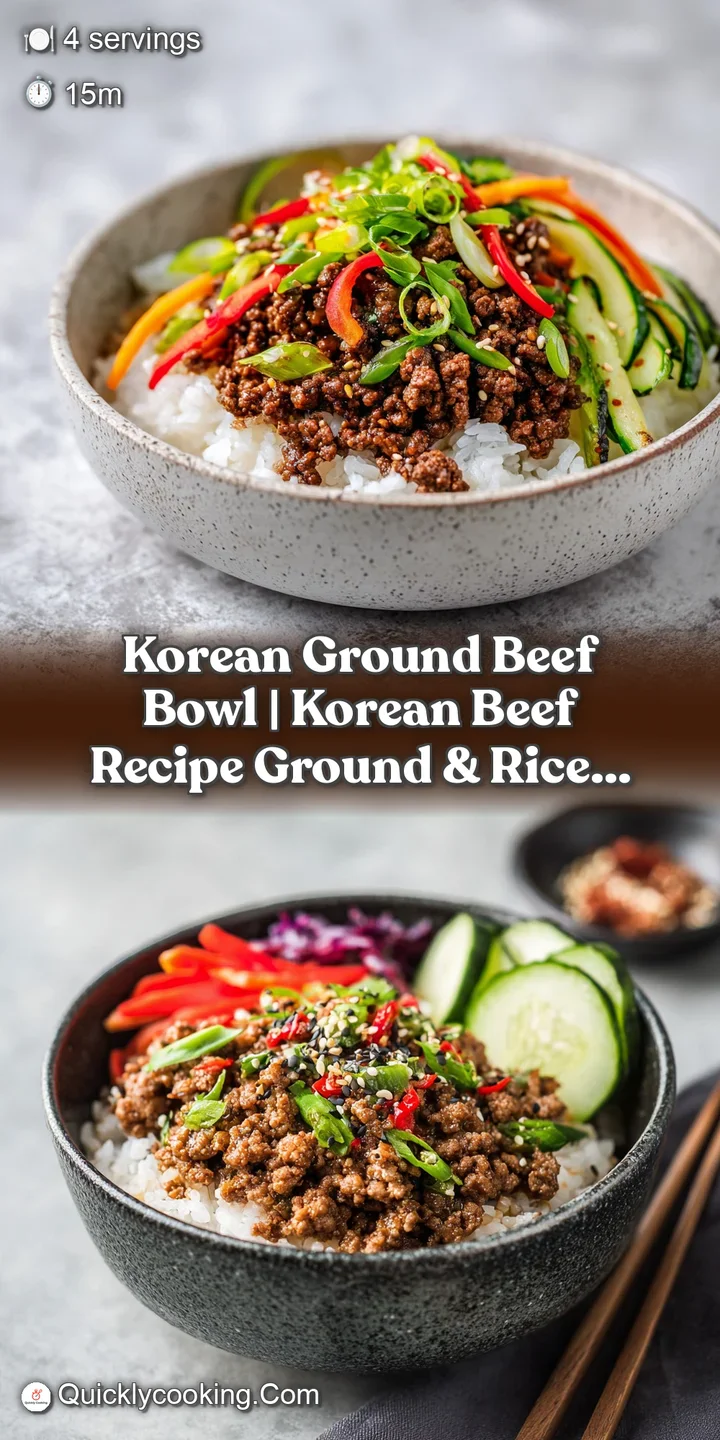
This bowl is a powerhouse on its own, but if you want to make it feel like a full restaurant experience, add some acidity. A quick "pickled" cucumber salad just sliced cucumbers, rice vinegar, and a pinch of sugar cuts through the richness of the beef perfectly.
It provides a cool, crunchy contrast to the warm, spicy meat.
If you’re watching your carbs, this beef is incredible over cauliflower rice or even tucked into large butter lettuce leaves like a wrap. The flavors are so bold that you won't even miss the grain.
For an extra hit of protein, a jammy, 6 minute soft boiled egg on top adds a luxurious creaminess that mingles with the gochujang glaze. Trust me, once you master this 15 minute workflow, it’ll become your go to "I have nothing in the fridge" dinner.
Very High in Sodium
1045 mg 1045 mg (45% 45% of daily value)
The American Heart Association recommends limiting sodium intake to no more than 2,300mg per day, aiming for an ideal limit of 1,500mg for most adults.
Tips to Reduce Sodium
-
Low-Sodium Soy Sauce-20%
Replace the 1/4 cup of regular soy sauce with low-sodium soy sauce. This is the biggest contributor to sodium in this recipe and a simple swap can significantly reduce intake.
-
Reduced Sodium Gochujang-10%
Opt for a reduced sodium gochujang if available. While gochujang adds flavor, a lower sodium version can make a noticeable difference.
-
Boost Fresh Aromatics-5%
Increase the amounts of fresh ginger and garlic, and add other fresh aromatics like finely chopped onion. These provide flavor without adding sodium.
-
Flavor with Herbs and Spices
Focus on using a variety of herbs and spices like fresh cilantro, black pepper, or a pinch of cumin to enhance flavor instead of relying on salt.
-
Smaller Sauce Portion-10%
Consider using 2 tablespoons of the sauce mixture instead of the full amount per serving, especially if using regular soy sauce. You can adjust to taste.
Recipe FAQs
Is it true I need to stir the beef immediately to get the best flavor?
No, this is a common misconception. You must press the beef into a flat patty and sear it undisturbed for 3 minutes to develop a crispy, mahogany colored crust before breaking it into crumbles.
How to ensure the sauce develops a velvety glaze?
Simmer the beef and sauce mixture for 1-2 minutes. This reduction time allows the sugars in the brown sugar and the starch in the gochujang to thicken the liquid until it clings perfectly to the meat. If you enjoyed the browning technique used to develop flavor here, see how the same principle works in our pan-seared beef for optimal texture.
Can I prepare this meal in advance for the week?
Yes, it keeps well for up to 4 days in the refrigerator. Many cooks find the flavors of ginger and garlic intensify overnight, making leftovers taste even better than when first prepared.
How to reheat the leftovers without drying out the rice?
Cover your bowl with a damp paper towel before microwaving. This adds steam to the container, which prevents the jasmine rice from turning hard or brittle during the reheating process.
Is it necessary to use a high fat-content beef for this recipe?
No, either 80/20 or 90/10 lean ground beef works perfectly. The goal is to achieve a deep sear on the meat regardless of the fat ratio, provided you give it enough time to crust in the skillet.
How to bring back the crispness if the beef gets soft after storing?
Toss the beef back into a hot skillet for 2 minutes. Heating it quickly over medium high heat evaporates excess moisture and restores that desirable crispy texture to the meat crumbles.
Is it true the aromatics should be cooked for a long time?
No, they only need 2 minutes. Since the garlic and ginger are minced and grated, they will become fragrant and release their oils into the browned beef very quickly; any longer risks burning them.
Korean Ground Beef Bowl
Ingredients:
Instructions:
Nutrition Facts:
| Calories | 452 kcal |
|---|---|
| Protein | 23.5g |
| Fat | 18.2g |
| Carbs | 47.8g |
| Fiber | 0.8g |
| Sugar | 14.2g |
| Sodium | 1045mg |
