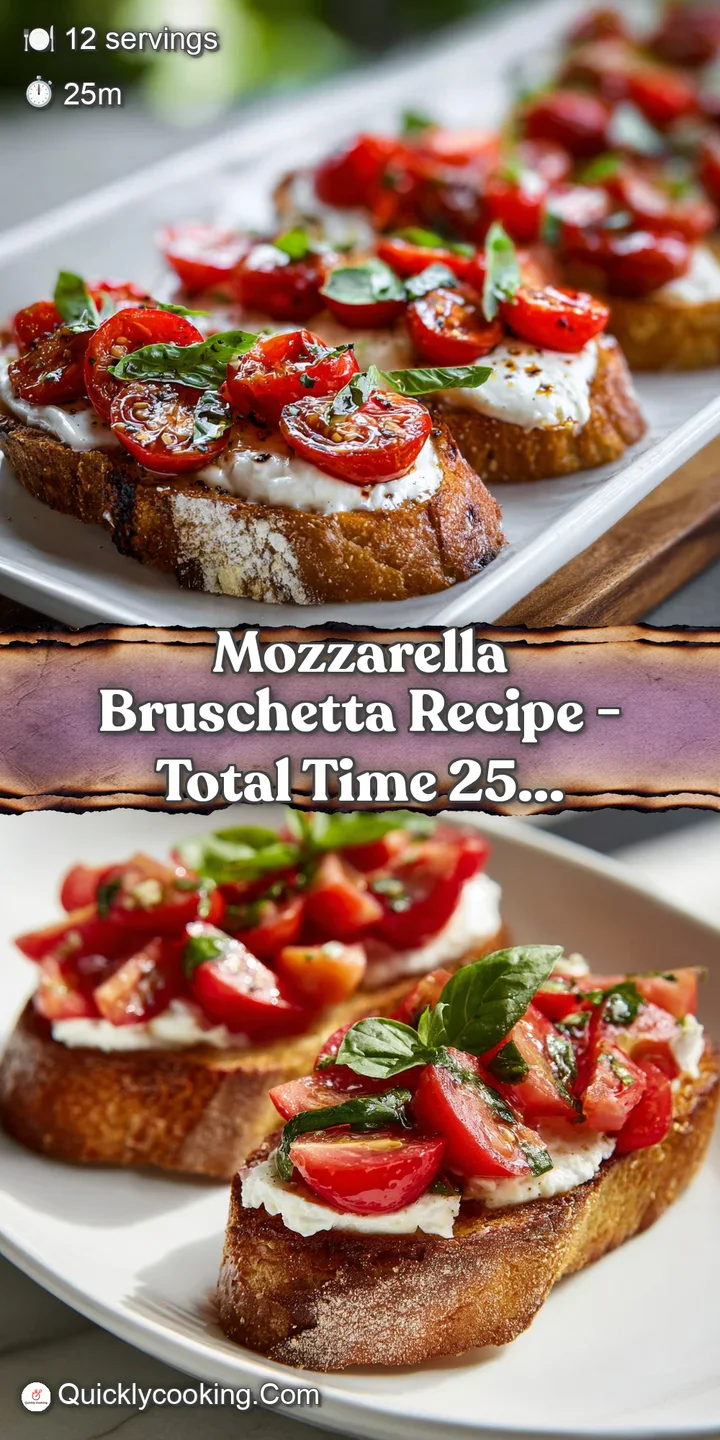
Mozzarella Bruschetta: Restaurant Quality Crunch
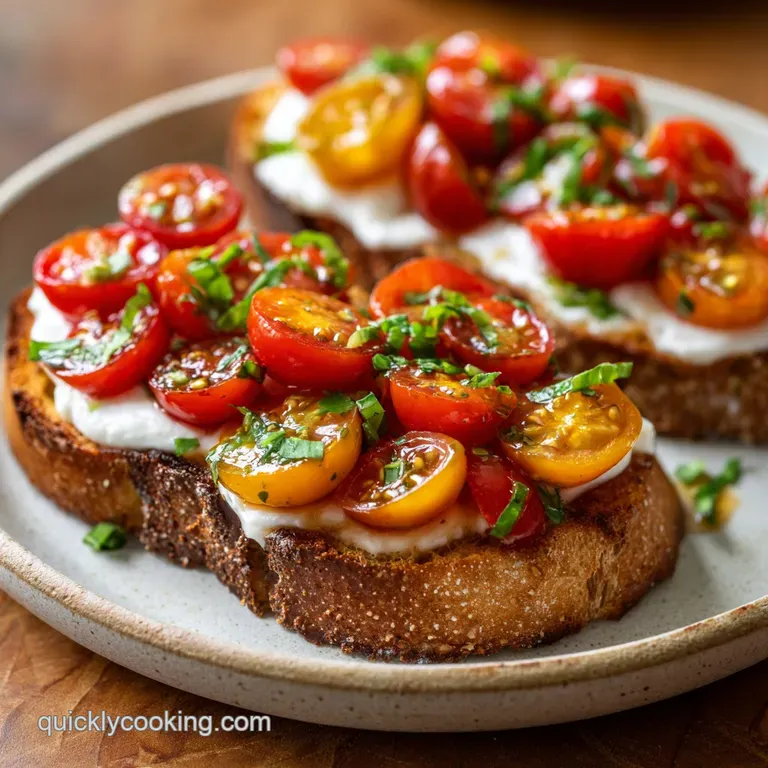
- Time: Active 15 minutes, Passive 10 minutes, Total 25 minutes
- Flavor/Texture Hook: Vibrant, garlicky zing paired with a satisfying bread shatter.
- Perfect for: Impressing guests at a budget-friendly dinner party.
- Authentic Mozzarella Bruschetta for Your Next Dinner Party
- Creamy Cheese and Fresh Tomato Topping for Efficiency
- The Science Behind Achieving That Signature Shatter Crunch
- Precise Kitchen Metrics for Efficient Preparation and Cooking
- Essential Elements for Your Fresh Tomato Mozzarella Base
- Minimal Equipment Needed for Rapid and Precise Preparation
- The Streamlined Process for Toasting and Assembling Bread
- Quick Fixes for Soggy Bread and Garlic Overload
- Budget Friendly Variations and Bold Flavor Profile Twists
- Efficiency Tips for Storing and Reheating Leftover Toppings
- Creative Presentation Ideas for Your Toasted Italian Starters
- Recipe FAQs
- 📝 Recipe Card
Authentic Mozzarella Bruschetta for Your Next Dinner Party
The first time I tried to make this for a housewarming party, it was a literal disaster. I spent way too much money on fancy heirloom tomatoes and spent an hour dicing them, only to have the bread turn into a wet, mushy sponge within five minutes of serving.
I watched my friends try to politely eat what looked like tomato soup on a cracker, and I knew I had to find a faster, smarter way to get that crunch right without breaking the bank.
That "fail" taught me that high efficiency in the kitchen isn't just about speed; it's about understanding how ingredients behave under pressure. You don't need expensive boutique produce to make a world class appetizer. What you need is a solid technique that respects the bread.
Now, whenever I hear that distinct "scritch scritch" sound of raw garlic hitting toasted baguette, I know I’m about ten minutes away from something truly special.
We’re going to focus on a version that uses Roma tomatoes they’re cheap, consistent, and have the structural integrity we need. Pair those with fresh mozzarella and a few pantry staples, and you have a dish that looks like it cost $20 at a bistro but only costs you a few dollars to whip up at home.
Let's get into the mechanics of why this works so you never have to serve a soggy slice again.
Creamy Cheese and Fresh Tomato Topping for Efficiency
This isn't just a pile of vegetables on bread; it’s a calculated balance of fats, acids, and textures. When you’re aiming for high efficiency cooking, you want every ingredient to pull double duty. The mozzarella provides the creamy, velvety mouthfeel that balances the sharp acidity of the balsamic vinegar.
Meanwhile, the olive oil isn't just for flavor it’s actually a protective coating that keeps the bread from soaking up the tomato water.
Using fresh mozzarella instead of the low moisture block stuff is one of those non negotiables for me. The way those soft white cubes nestle against the diced Romas creates a contrast you just can't get with shredded cheese.
It’s the difference between a "pizza toast" and a proper Italian bruschetta with mozzarella. We’re going for a fresh, bright profile that wakes up the palate before the main course arrives.
Since we're keeping things budget smart, we’re leaning into Roma tomatoes. They are the workhorses of the tomato world. They have thick walls and very little "goo" compared to beefsteaks. This means less prep time spent draining and more time actually eating. If you've ever made my Mozzarella Sticks Recipe, you know how much I love the way mozzarella holds its shape while still offering a soft bite.
The Science Behind Achieving That Signature Shatter Crunch
- Osmotic Dehydration: Adding sea salt to the diced tomatoes triggers osmosis, pulling internal water out of the fruit before it hits the bread.
- Lipid Hydrophobicity: Brushing the baguette rounds with olive oil creates a hydrophobic layer (a fat barrier) that repels the water based tomato juices.
- Abrasive Infusion: Rubbing raw garlic on toasted bread works because the rough surface of the crust acts like a grater, melting the garlic cloves directly into the crumb through friction.
- Starch Retrogradation: Toasting the French baguette at high heat evaporates surface moisture, creating a rigid lattice of starch that resists softening.
| Servings | Ingredient Adjustments | Pan Size | Cook Time |
|---|---|---|---|
| 4 people | 2 tomatoes, 3 oz cheese | Small sheet | 8 minutes |
| 12 people | 4 tomatoes, 8 oz cheese | Large sheet | 10 minutes |
| 24 people | 8 tomatoes, 16 oz cheese | Two sheets | 12 minutes |
When preparing this for a crowd, the efficiency secret is to dice everything while the oven preheats. If you scale up to 24 people, don't try to toast all the bread in one go unless you have a commercial sized oven.
Work in two batches to ensure the air circulates properly, or you'll end up steaming the bread instead of crisping it.
Precise Kitchen Metrics for Efficient Preparation and Cooking
To get this right every time, you need to pay attention to the component analysis of your ingredients. Not all oils or cheeses are created equal, and knowing which one to swap when you're on a budget can save your dinner.
For instance, while we love the peppery hit of high end olive oil, a mid range bottle works perfectly fine for the tomato mix since the balsamic and garlic do most of the heavy lifting.
| Ingredient | Science Role | Pro Secret |
|---|---|---|
| Roma Tomatoes | Bulk & Structure | Seed them thoroughly to reduce moisture by 40%. |
| Fresh Mozzarella | Fat & Texture | Use "fior di latte" for a cleaner, milky flavor. |
| Balsamic Vinegar | Acid Catalyst | Balance the sugar levels to brighten the tomato notes. |
| Baguette | Edible Vessel | Slice at a 45 degree angle for more surface area. |
For a deeper dive into how acidity transforms a dish, you might notice similar flavor profiles in my Sun Dried Tomato recipe, where the concentrated sugars in the tomatoes require a sharp cheese to cut through the richness. It’s all about that chemical tug of-war on your tongue.
Essential Elements for Your Fresh Tomato Mozzarella Base
- 4 large Roma tomatoes (500g): Why this? They have the highest flesh to seed ratio for a dry, chunky mix. (Substitute: Vine ripened tomatoes, but drain for an extra 10 mins)
- 8 oz fresh mozzarella: Why this? Provides the velvety, creamy contrast to the crispy bread. (Substitute: Bocconcini pearls or cubed mild provolone)
- 0.5 cup fresh basil leaves: Why this? Adds essential aromatic oils and a pop of green color. (Substitute: 1 tbsp high-quality basil pesto)
- 2 cloves garlic, minced: Why this? Distributes sharp, spicy notes evenly through the tomato mix. (Substitute: 0.5 tsp garlic powder in a pinch)
- 1 clove garlic, halved: Why this? Used for the "aromatherapy rub" on the hot toasted crust. (Substitute: Skip and increase minced garlic in the mix)
- 1 tbsp balsamic vinegar: Why this? Provides the necessary acid to break down tomato fibers. (Substitute: Red wine vinegar with a pinch of sugar)
- 3 tbsp extra virgin olive oil (for mix): Why this? Emulsifies the juices into a silky dressing. (Substitute: Grapeseed or avocado oil)
- 0.5 tsp sea salt: Why this? Essential for drawing out moisture and enhancing flavor. (Substitute: Kosher salt)
- 0.25 tsp black pepper: Why this? Adds a subtle back of-the throat heat. (Substitute: Red pepper flakes)
- 1 large French baguette: Why this? The tight crumb and thick crust provide the perfect "shatter." (Substitute: Ciabatta or sourdough loaf)
- 0.25 cup extra virgin olive oil (for brushing): Why this? Creates the critical moisture barrier on the bread. (Substitute: Melted salted butter)
Minimal Equipment Needed for Rapid and Precise Preparation
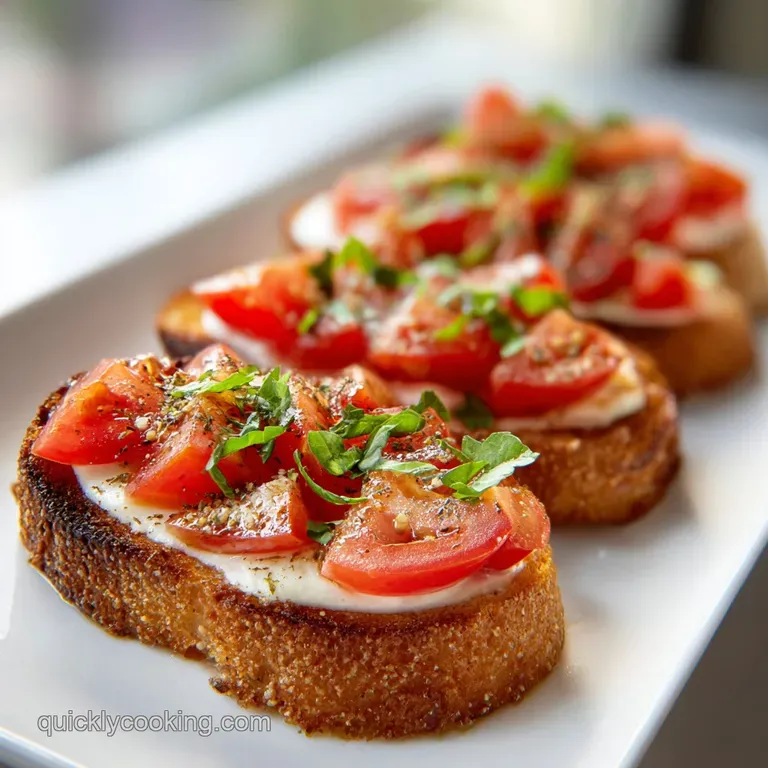
Efficiency in Mozzarella Bruschetta comes down to having the right tools ready. You don't need a kitchen full of gadgets, but a sharp knife is non negotiable. If your knife is dull, you’ll crush the tomatoes rather than slicing them, which releases all the juice prematurely and makes your prep station a swampy mess.
I always use a serrated bread knife for the baguette it’s the only way to get those clean, 1/2 inch rounds without squishing the loaf.
A large rimmed baking sheet is your best friend here. It allows you to toast all 12 servings at once, ensuring they all come out with the same level of golden brown crunch. Also, grab a medium glass bowl for the tomato mix.
Avoid metal bowls if you’re letting the mix sit for a while, as the acid in the tomatoes and vinegar can sometimes react with the metal and give your topping a weird, tinny aftertaste.
Chef's Tip: If you're in a massive rush, use a box grater for the tomatoes! Just grate the flesh side against the large holes until you hit the skin. You'll get a rustic pulp that’s perfect for a "shortcut" version, though for this specific recipe, the hand diced cubes offer a much better mouthfeel.
The Streamlined Process for Toasting and Assembling Bread
For the Tomato Base
- Dicing the tomatoes. Cut 4 large Roma tomatoes into quarters, scoop out the watery seeds with a spoon, and dice the remaining flesh into 1/4 inch cubes. Note: Seeding is the single most important step for crunch.
- Prepping the cheese. Cut 8 oz fresh mozzarella into small cubes that match the size of your tomatoes until they look like a uniform mosaic.
- Mixing the aromatics. Combine the tomatoes, mozzarella, 0.5 cup basil chiffonade, 2 cloves minced garlic, 1 tbsp balsamic, 3 tbsp olive oil, 0.5 tsp salt, and 0.25 tsp pepper in a bowl.
- Resting the mixture. Let the mix sit at room temperature for 10 minutes until a small pool of liquid forms at the bottom.
For the Foundation
- Slicing the baguette. Use a serrated knife to cut 1 large French baguette into 1/2 inch rounds on a slight bias.
- Brushing with oil. Place slices on a baking sheet and brush both sides with 0.25 cup olive oil until the bread looks slightly translucent.
- Toasting the bread. Bake at 400°F (200°C) for 8-10 minutes until the edges are golden and the center is rigid.
Assembly and Finish
- The garlic rub. Immediately upon removing from the oven, rub the halved garlic clove over the top of each hot bread slice until the clove begins to disappear.
- Final topping. Spoon the tomato mozzarella mixture onto the bread, avoiding the excess liquid at the bottom of the bowl. Serve immediately while the bread is still warm and sizzling.
Quick Fixes for Soggy Bread and Garlic Overload
The most common complaint with any bruschetta with mozzarella is the "soggy bottom." Even with seeding, tomatoes are 90% water. If you find your bread softening too quickly, it’s usually because the bread wasn't toasted long enough or the tomatoes weren't drained.
High efficiency cooking means fixing these issues before they happen.
Fix Soggy Bottom Syndrome
If the bread feels soft, it’s likely a temperature issue. The bread needs to be toasted until it is truly "hard" to the touch. It feels too crunchy at first, but once the cool, moist tomatoes hit the surface, it softens just enough to be edible without losing its structural integrity.
Tame Overpowering Garlic
Sometimes that raw garlic rub can be a bit too "in your face." If you accidentally over garlic a slice, don't toss it. A tiny drizzle of extra olive oil or a small pinch of extra salt can help neutralize the sulfur compounds that make garlic taste spicy.
| Problem | Root Cause | Solution |
|---|---|---|
| Soggy Bread | Excess tomato juice | Seed and drain tomatoes in a mesh sieve. |
| Burnt Garlic | Too much rubbing | One light swipe on hot bread is enough. |
| Bland Flavor | Lack of salt | Season tomatoes 10 mins before serving. |
Common Mistakes Checklist:
- ✓ Use Roma tomatoes specifically because they have less water and more meat.
- ✓ Toast the bread until it feels like a dry cracker; it will soften perfectly later.
- ✓ Don't skip the raw garlic rub it provides a depth that minced garlic can't match.
- ✓ Use a slotted spoon to serve the topping to leave the "soup" in the bowl.
- ✓ Ensure the mozzarella is at room temperature for the best velvety texture.
Budget Friendly Variations and Bold Flavor Profile Twists
If you’re looking to save even more money or just change the vibe, you can adapt this recipe easily. Sometimes fresh mozzarella is pricey; in those cases, I’ve used a block of low moisture mozzarella and just diced it very small.
It doesn't have that milky "melt in-your mouth" feel, but it still provides the creamy fat needed to balance the vinegar.
Mozzarella Prosciutto Variation
To turn this into a full meal, drape a thin ribbon of salty prosciutto over the bread before adding the tomato mix. The salt from the ham works beautifully with the creamy cheese. This is a classic "Italian bruschetta with mozzarella" move that feels very high end for a few extra dollars.
Five Minute Pesto Shortcut
If fresh basil is out of season or too expensive, swap it for 1-2 tablespoons of jarred basil pesto. It already has the oil and garlic built in, so you can reduce the extra oil in the mix by half. It gives the whole dish a much more concentrated, herby punch.
| Premium | Budget | Flavor Impact | Savings |
|---|---|---|---|
| Fresh Mozzarella | Block Mozzarella | Saltier, firmer texture; less milky | Save $3-4 |
| Extra Virgin Oil | Sunflower Oil | Loses the peppery Italian finish | Save $2 |
| Fresh Basil | Dried Basil | Muted, earthy flavor; less vibrant | Save $2 |
Efficiency Tips for Storing and Reheating Leftover Toppings
Can you make this ahead? Yes and no. You can absolutely prep the tomato mozzarella mixture up to 4 hours in advance. In fact, the flavors actually improve as they marinate. However, store the mix in the fridge and the toasted bread in an airtight container at room temperature.
Never store them assembled, or you’ll wake up to a plate of mush.
If you have leftover topping, it’s fantastic the next day tossed into some hot rigatoni. The mozzarella melts slightly from the heat of the pasta, creating a "sauce" that is fresh and light. You can see how this works in a more hearty application like my Beef Rigatoni Cheese recipe, where the cheese and tomato combo is the star.
- Fridge: Store tomato mix in an airtight container for up to 2 days.
- Freezer: Do not freeze. The tomatoes will turn to mush and the mozzarella will lose its texture.
- Zero Waste: Use leftover baguette crumbs to make homemade croutons or pulse them in a blender for garlicky breadcrumbs to top Mac and cheese.
Creative Presentation Ideas for Your Toasted Italian Starters
To make your Mozzarella Bruschetta look like it came from a professional kitchen, it’s all about the height. Don't just lay the tomatoes flat. Pile them high in the center of the baguette round.
A final "micro drizzle" of balsamic glaze (which is just balsamic vinegar simmered until thick) adds those beautiful dark streaks you see in food photography.
If you're hosting a party, try serving these on a wooden board with extra sprigs of fresh basil scattered around. It makes the "budget smart" ingredients look abundant and expensive.
You can also serve the components separately a bowl of the mix and a basket of the toasted bread so guests can assemble their own. This is the ultimate efficiency hack because it prevents any chance of sogginess!
- If you want a crunchier bite, toast the bread at 425°F for 5 minutes instead of 400°F.
- If you want a richer flavor, add a teaspoon of lemon zest to the tomato mixture.
- If you want it spicy, add a pinch of dried red pepper flakes to the olive oil before brushing the bread.
High Heat Does Not Equal Better Toast
While it's tempting to crank the broiler to save time, you'll likely burn the edges while the center stays soft. A steady 400°F environment allows the moisture to evaporate evenly from the entire slice, creating a uniform "shatter" when you bite in.
Fresh Basil Should Never Be Chopped Early
If you cut your basil too soon, the edges will turn black due to oxidation. For the best visual impact and flavor efficiency, chiffonade (thinly slice) your basil at the very last second before mixing it into the tomatoes. This keeps the aromatic oils fresh and the color a vibrant, bright green.
Recipe FAQs
Can you use mozzarella cheese for bruschetta?
Yes, fresh mozzarella is ideal. It provides the necessary creamy mouthfeel to balance the acidity of the tomatoes and balsamic vinegar, creating a superior texture contrast to the toasted bread.
What kind of cheese to put on bruschetta?
Fresh mozzarella (fior di latte) is the best choice for traditional flavor. If you are looking for a firmer, saltier bite, you can cube low-moisture mozzarella or use small bocconcini pearls.
What is the Italian dish with mozzarella and tomatoes?
It is called Bruschetta al Pomodoro e Mozzarella. This classic appetizer features toasted bread rubbed with garlic, topped with diced tomatoes, fresh basil, and chunks of fresh mozzarella.
What is in traditional Italian bruschetta?
Traditionally, it is grilled bread rubbed with raw garlic and drizzled with olive oil. The classic topping involves only tomatoes, salt, and basil; cheese is often an optional, though popular, addition now.
How to prevent the bread from getting soggy when using tomato topping?
Seed the tomatoes thoroughly and brush the toasted bread with olive oil. Seeding removes excess water via osmosis, and the oil creates a hydrophobic barrier, protecting the bread's starch structure.
Is it true that Roma tomatoes are better than heirloom tomatoes for bruschetta?
Yes, Roma tomatoes are better for high efficiency recipes. They have thicker walls and less internal liquid content, which minimizes your draining time and prevents sogginess better than watery heirloom varieties.
What is the best technique for achieving the perfect bread crunch?
Toast the bread at 400°F until it is rigid and fully dried out on the surface. Mastering this surface dehydration is key; if you enjoyed controlling the rigidity of the toast here, apply that same sensory cue when making our Artisan Charcuterie Board recipe for perfect crackers.
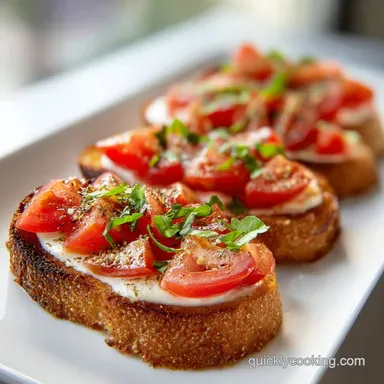
Mozzarella Bruschetta Recipe
Ingredients:
Instructions:
Nutrition Facts:
| Calories | 198 kcal |
|---|---|
| Protein | 6.2 g |
| Fat | 13.1 g |
| Carbs | 14.6 g |
| Fiber | 1.2 g |
| Sugar | 2.1 g |
| Sodium | 304 mg |
