Baked Salmon: Zesty Lemon Garlic Finish
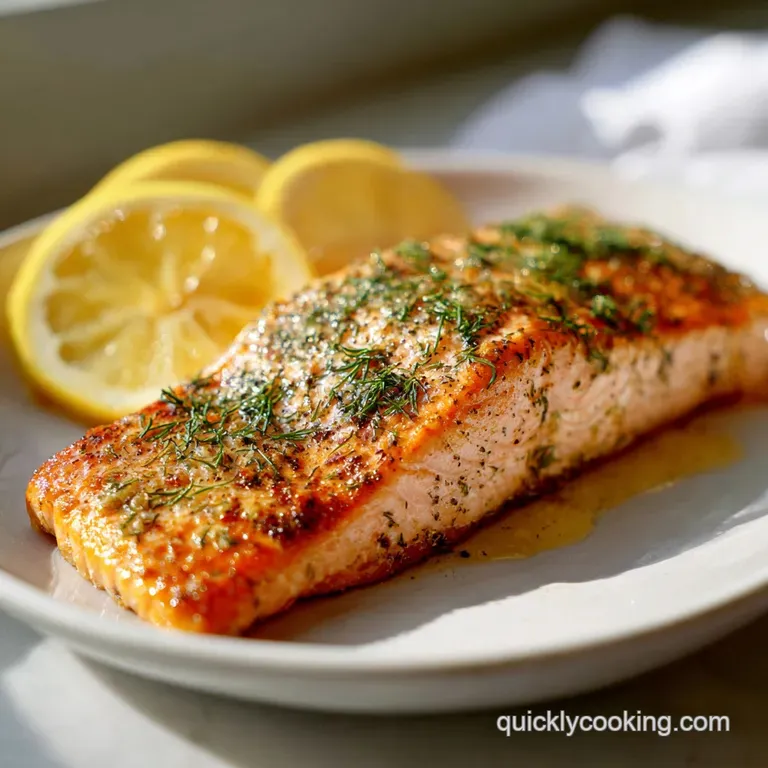
- Time: Active 5 minutes, Passive 12 minutes, Total 17 minutes
- Flavor/Texture Hook: Silky, melt in-the mouth flakes with a zesty garlic herb finish
- Perfect for: High speed weeknight dinners and budget conscious healthy meal prepping
- The Secret to a Flaky and Fast Baked Salmon
- Why High Heat Results in Better Baked Salmon
- Essential Specs and Quick Finish Checkpoints
- Component Analysis for High Impact Flavor Profiles
- Essential Gear for Efficient Weeknight Seafood Cooking
- Detailed Walkthrough for Flawless Oven Results
- Fixing Texture Issues and Common Baking Mistakes
- Adapting Portions and Debunking Common Kitchen Myths
- Simple Flavor Adjustments for Any Palate
- Guidelines for Safe Storage and Smart Reheating
- Side Dishes That Pair Well with Seafood
- Recipe FAQs
- 📝 Recipe Card
The Secret to a Flaky and Fast Baked Salmon
I still remember the first time I actually got this right. For years, I treated salmon like a temperamental guest who was always five seconds away from leaving. I'd hover by the oven door, poking the poor fish with a fork until it looked like a shredded mess, only to pull it out and find it was as dry as a piece of driftwood.
It was frustrating because salmon isn't exactly cheap, and seeing that beautiful pink flesh turn into chalky blocks was a heartbreak I didn't want to repeat.
Everything changed when I stopped overthinking the "slow and low" myth and started focusing on moisture retention through a fat based barrier. One Tuesday night, running thirty minutes late for a dinner I'd promised my partner, I threw together a quick emulsion of olive oil, lemon, and garlic, slathered it on, and cranked the heat.
The result? A buttery, velvety texture that practically fell apart when the fork just glanced at it. No more guesswork, no more "is it done yet?" panic.
This recipe is the culmination of those frantic weeknight experiments. We're using 4 (6 oz) salmon fillets, skin on (trust me, the skin is your heat shield), and a dead simple lemon garlic glaze. It’s built for speed, efficiency, and reliability.
You aren't just baking fish; you're mastering a technique that guarantees a moist result every single time without needing fancy equipment or a culinary degree.
Why High Heat Results in Better Baked Salmon
The magic happens because of a process called "conductive heat transfer" combined with a protective fat layer. When we apply high heat (400°F or 200°C), the exterior of the fish cooks quickly, creating a savory crust, while the internal fats are gently rendered.
- Fat Barrier Insulation: The olive oil and garlic mixture creates a physical seal that prevents moisture from evaporating too quickly during the bake.
- The Skin Shield: Keeping the skin on acts as a sacrificial layer of insulation, protecting the delicate proteins from the direct heat of the baking sheet.
- Carry over Cooking: Pulling the fish out just before it hits the peak temp allows internal heat to finish the job, preventing the fibers from tightening into a "rubbery" state.
Right then, let's look at how this stacks up against other methods you might be considering for your weeknight rotation.
| Method | Time | Texture | Best For |
|---|---|---|---|
| Standard Bake | 12 minutes | Silky & Flaky | Maximum speed and ease |
| Slow Roasted | 25 minutes | Ultra tender | When you have extra time |
| Pan Seared | 8 minutes | Crispy skin | Achieving a "restaurant" crust |
If you're looking for a different vibe, you could try my Lemon Herb Salmon recipe which uses a similar citrus profile but leans into a bowl style presentation. Both are great, but for a pure protein play, this baked version is king.
Essential Specs and Quick Finish Checkpoints
Efficiency in the kitchen starts with knowing your numbers. I've found that three specific checkpoints make the difference between a "good" meal and a "can we have this every night?" meal.
First, your fillets should be roughly 1 to 1.5 inches thick; if they are thinner, you'll need to shave 2 minutes off the timer. Second, your oven must be fully preheated. Don't cheat this! Third, the rest time is non negotiable.
The Science of the Seep
Albumin Management: The "white stuff" that seeps out is a protein called albumin that solidifies when the muscle fibers contract too fast. By seasoning with 1 tsp kosher salt early, we partially dissolve these proteins, keeping them inside the fish where they belong.
| Component | Science Role | Pro Secret |
|---|---|---|
| Olive Oil | Emollient & Conductor | Mix with lemon first to create a thick "blanket" for the fish |
| Lemon Juice | Acidic Denaturation | Brightens the fat and breaks down tough surface proteins |
| Kosher Salt | Moisture Retention | Draws seasoning deep into the fillet rather than just sitting on top |
Wait, before we dive into the pantry, remember that salt choice matters. I always use kosher salt (like Diamond Crystal) because the larger grains make it harder to over salt by accident. If you're using fine table salt, cut the amount by half or you'll be reaching for a glass of water every two bites.
Component Analysis for High Impact Flavor Profiles
Let's talk about the heavy hitters in this recipe. We're keeping the list short because we want the salmon to be the star, but every single item has a job to do.
- 4 (6 oz) salmon fillets, skin on: Skin on is vital for thermal protection.
- 1 tsp kosher salt: Use for seasoning and moisture control.
- 0.5 tsp cracked black pepper: Adds a sharp, woody contrast to the citrus.
- 2 tbsp extra virgin olive oil: Our primary fat for heat conduction. Why this? Higher smoke point than butter, keeping things clean at 400°F.
- 1 tbsp fresh lemon juice: Provides the necessary acid to cut through the fatty fish.
- 3 cloves garlic, minced: Essential for that savory, aromatic punch.
- 0.5 tsp dried oregano: Adds an earthy, Mediterranean backbone.
- 1 tbsp fresh parsley: For a hit of "green" freshness at the end.
- 4 thin lemon slices: These act as little steam tents for each fillet.
| Original Ingredient | Substitute | Why It Works |
|---|---|---|
| Extra Virgin Olive Oil | Avocado Oil | Higher smoke point and neutral flavor. Note: Lacks the peppery bite of olive oil. |
| Lemon Juice | White Wine | Provides similar acidity. Note: Adds a subtle sweetness but less "zip" than citrus. |
| Dried Oregano | Dried Thyme | Similar earthy profile. Note: Thyme is more floral, whereas oregano is more pungent. |
Using high-quality olive oil is a smart move here because the flavor really carries through. It's much like the approach I take in my General Tsos Chicken recipe, where specific aromatics do the heavy lifting so you don't need a million ingredients.
Essential Gear for Efficient Weeknight Seafood Cooking
You don't need a cupboard full of gadgets, but a few specific items will make your life much easier. A heavy rimmed baking sheet is the baseline. If you use a thin, flimsy one, it might warp in the high heat, causing your oil (and garlic!) to pool in one corner while the rest of the fish sits dry.
I also swear by parchment paper. Not only does it make cleanup a three second task, but it also prevents the skin from sticking to the metal. If the skin sticks, you lose that heat shielding benefit when you try to plate the fish.
Finally,, a small whisk or even just a fork for mixing your glaze is all you need to get that emulsion perfect.
Chef's Tip: If you don't have parchment paper, avoid foil if you're using a lot of lemon juice. The acid can sometimes react with the aluminum, giving the fish a faint metallic tang. Stick to a lightly greased pan if you're out of paper.
Detailed Walkthrough for Flawless Oven Results
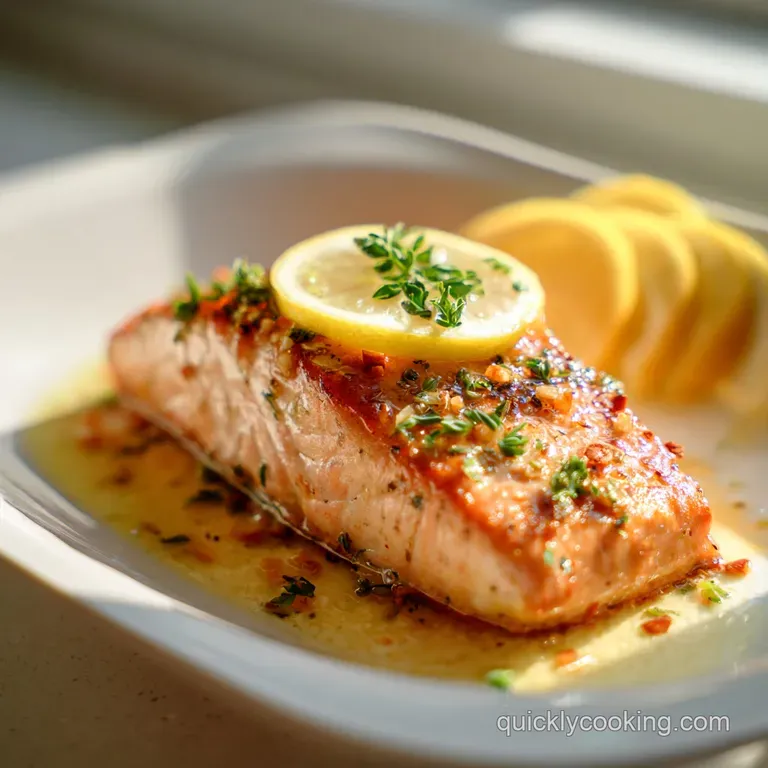
- Preheat the oven to 400°F (200°C). Note: A hot oven is the only way to get that quick sear effect without a pan.
- Dry the 4 (6 oz) salmon fillets thoroughly with paper towels. Wait until they feel tacky and matte to ensure the oil sticks properly.
- Line a baking sheet with parchment paper and place the fillets on it, skin side down.
- Whisk 2 tbsp extra virgin olive oil, 1 tbsp lemon juice, 3 cloves minced garlic, and 0.5 tsp dried oregano in a small bowl.
- Brush the mixture evenly over the tops and sides of the fillets.
- Season with 1 tsp kosher salt and 0.5 tsp cracked black pepper.
- Place 4 thin lemon slices on top of each fillet, one per piece.
- Bake for 12 minutes until the thickest part of the fish flakes easily with a fork.
- Check for an internal temperature of 135°F (57°C) for medium rare or 145°F (63°C) for fully opaque.
- Rest the fish for 3 minutes on the counter before garnishing with 1 tbsp fresh parsley and serving.
This resting period is where the magic happens. The heat on the outside of the fish moves inward, finishing the center without overcooking the edges. It’s the same logic I use when making a Honey Sesame Chicken recipe, where letting the meat "set" ensures the sauce clings perfectly and the texture stays tender.
Fixing Texture Issues and Common Baking Mistakes
Even with a simple dish, things can go sideways. The most common complaint I hear is "my salmon is mushy" or "it's covered in white gunk." These are almost always related to temperature or moisture control.
Why Your Baked Salmon is Dry
This usually happens because the oven was too cool or the fish stayed in too long. If the oven isn't at a full 400°F (200°C), the fish steams rather than roasts. This results in a longer cook time, which draws out all the moisture before the center is done.
Why Your Baked Salmon has White Stuff
As I mentioned earlier, this is albumin. While it's perfectly safe to eat, it means the protein fibers have contracted too aggressively, squeezing the moisture out. To minimize this, don't cook the fish straight from the fridge; let it sit on the counter for 10-15 minutes to take the chill off.
| Problem | Root Cause | Solution |
|---|---|---|
| Soggy Bottoms | Excess moisture on the skin | Pat the skin bone dry before placing on the tray |
| Rubbery Texture | Overcooking | Pull the fish at 135°F and let carry over cooking finish it |
| Bitter Flavor | Burned garlic | Ensure garlic is mixed into the oil, not just sitting on top |
Common Mistakes Checklist
- ✓ Forgetting to pat the fish dry (prevents that weird "steamed" flavor)
- ✓ Skipping the preheat cycle (leads to uneven, slow cooking)
- ✓ Using "fake" bottled lemon juice (the preservatives ruin the fresh fish taste)
- ✓ Crowding the pan (leave at least 2 inches between fillets for air circulation)
- ✓ Slicing into it immediately (always give it that 3 minute rest!)
Adapting Portions and Debunking Common Kitchen Myths
When it comes to scaling this recipe, it's pretty straightforward. If you're cooking for two, just halve the ingredients but keep the pan size the same if possible to allow for maximum airflow. If you're doubling it for a crowd, use two separate baking sheets.
Do not try to cram 8 fillets onto one tray, or they will steam each other, and you'll lose that beautiful texture.
One myth I hear all the time is that you must remove the skin before baking. That is complete nonsense. The skin is full of healthy fats and acts as a barrier between the hot pan and the meat.
Even if you don't plan on eating the skin (though it’s delicious if you crisp it up!), leave it on during the bake. It keeps the fillet much more succulent.
Another myth? "Salmon is done when it's opaque all the way through." Honestly, if it's 100% opaque, it's likely already heading toward overdone. You want the very center to still look just a tiny bit translucent when you pull it out. That 3 minute rest will take care of the rest.
Simple Flavor Adjustments for Any Palate
If you've mastered the basic lemon garlic version, it’s time to play around. The structure of the recipe stays the same, but you can swap the aromatics to fit whatever else you're serving.
- Miso Ginger Glow: Swap the olive oil for toasted sesame oil and replace the oregano with 1 tsp of white miso paste and a thumb of grated ginger.
- Chipotle Lime: Use lime juice instead of lemon and add 0.5 tsp of chipotle powder to the oil mixture for a smoky, spicy kick.
- Herb Crust: Increase the parsley to 3 tbsp and add 2 tbsp of Panko breadcrumbs to the top of the glaze for a "shatter crisp" topping.
Remember, the goal is efficiency. Don't feel like you need to buy ten new spices. Look at what’s in your cabinet. A little bit of smoked paprika or even some dried dill can completely change the profile without adding a second to your prep time.
Guidelines for Safe Storage and Smart Reheating
Salmon is actually one of the few fish that tastes pretty good the next day, provided you don't kill it in the microwave.
Storage: Store leftovers in an airtight container in the fridge for up to 3 days. I don't recommend freezing cooked salmon, as the texture becomes quite grainy and mushy upon thawing.
Zero Waste: If you have leftover fillets, don't just reheat them and eat them plain. Flake the cold salmon into a salad, or mix it with some Greek yogurt and capers for a killer salmon salad sandwich. The skin, if you didn't eat it, can be crisped up in a dry pan for a salty "bacon" style snack.
Reheating: Avoid the microwave if you can. It turns the fats fishy and the texture rubbery. Instead, place the fillet in a cold oven, turn it to 275°F (135°C), and take it out after 10 minutes.
This gentle heat warms it through without drying it out.
Side Dishes That Pair Well with Seafood
To keep the "high efficiency" theme going, pair this with sides that cook in roughly the same time. While the salmon is in the oven, you can whip up a quick couscous or a simple arugula salad with a balsamic vinaigrette.
If you want something heartier, this goes beautifully with roasted asparagus. You can actually toss the asparagus in the same lemon garlic oil and bake it on the same tray as the salmon just give the asparagus a 5 minute head start. For a classic deli style meal, you might even consider serving it alongside a Fast Tuna Melt recipe if you're doing a big family spread with various seafood options.
The acidity of the lemon in the salmon cuts through the richness of starchy sides like garlic mashed potatoes or even a simple buttered jasmine rice. Whatever you choose, keep it simple so the clean, buttery flavor of the baked salmon remains the star of the show.
Trust me, once you nail this 17 minute method, it’ll become your go to whenever "what's for dinner?" feels like a hard question.

Recipe FAQs
Is it best to cook salmon at 350 or 400?
400°F is better for speed and texture. Baking at 400°F creates a quick outer sear while the inside remains moist; 350°F often results in slower cooking and a slightly more steamed texture.
How long is salmon in the oven at 400 degrees?
Bake for 12 minutes for a 1 inch thick fillet. Check doneness at 12 minutes, aiming for an internal temperature of 135°F to 145°F before allowing the required three minute rest period.
Is baked salmon ok for diabetics?
Yes, baked salmon is an excellent choice. It is rich in healthy fats and protein, which helps stabilize blood sugar response compared to high carbohydrate meals, but skip sugary glazes.
Do you cover salmon when baking it in the oven?
No, do not cover the salmon when baking at high heat. Covering traps steam, which prevents the desirable quick exterior sear and can lead to a mushy texture.
What is the secret to preventing the salmon skin from sticking to the pan?
Use parchment paper or lightly grease the pan heavily. The skin acts as a vital heat shield during cooking; if it sticks, you lose that protective insulation and the texture suffers.
Why is the white substance (albumin) seeping out of my salmon?
The white substance is albumin protein released due to rapid muscle fiber contraction. To minimize this, take the chill off the fish by letting it sit at room temperature for 10-15 minutes before seasoning and baking.
If I leave the lemon slices on top during baking, is that cheating the temperature control?
No, the thin lemon slices act as miniature steam tents. They help keep the top surface moist; if you want an even more reliable technique for temperature precision, apply the same sensory doneness cues used in our Breakfast Enchiladas for recipe to gauge readiness.
Quick Baked Salmon
Ingredients:
Instructions:
Nutrition Facts:
| Calories | 421 kcal |
|---|---|
| Protein | 34.6 g |
| Fat | 29.2 g |
| Carbs | 1.8 g |
| Fiber | 0.3 g |
| Sugar | 0.4 g |
| Sodium | 595 mg |
