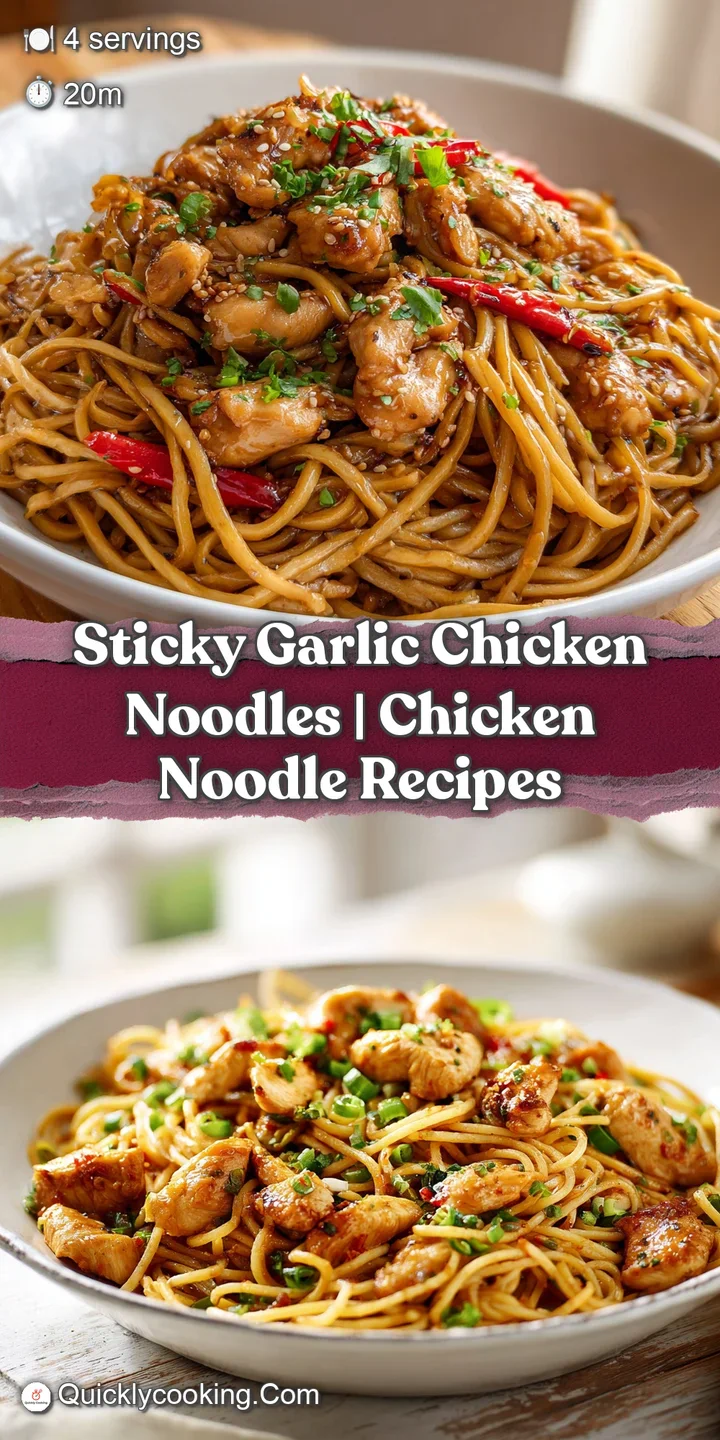
Sticky Garlic Chicken Noodles: Restaurant-Quality Glaze
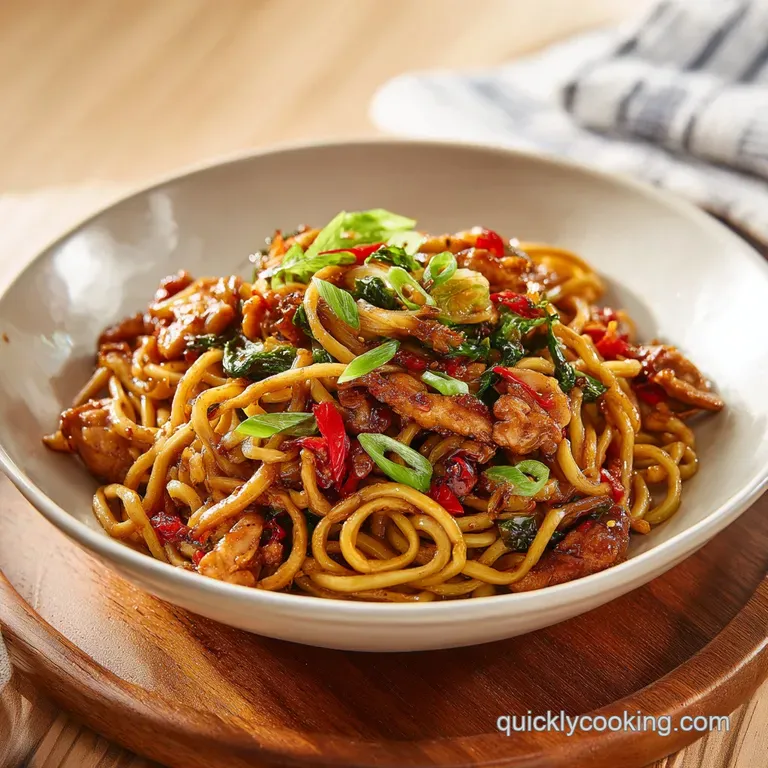
- Time: Active 10 minutes, Passive 10 minutes, Total 20 minutes
- Flavor/Texture Hook: Savory sweet lacquered chicken with slippery, umami rich noodles
- Perfect for: High speed weeknight dinners and efficient meal prepping
- Secrets to Perfect Sticky Garlic Chicken Noodles
- Performance Metrics and Precision
- The Flavor Profile Blueprint
- Essential Kitchen Gear
- Executing the Perfect Stir Fry
- Resolving Common Cooking Hurdles
- Creative Ingredient Adaptations
- Preservation and Quality Control
- Serving and Side Selections
- Myths About Sticky Stir Fries
- Critical Sodium Alert!
- Recipe FAQs
- 📝 Recipe Card
Secrets to Perfect Sticky Garlic Chicken Noodles
The high pitched sizzle of chicken hitting a screaming hot wok is the universal signal that dinner is happening fast. As the honey and hoisin begin to caramelize, the air fills with that intoxicating aroma of toasted sesame and sharp ginger.
It is a scent that pulls everyone into the kitchen before the noodles even hit the pan. You aren't just making a meal; you're creating a glossy, deep mahogany glaze that clings to every single strand of noodle with stubborn persistence.
Speed is the priority here, but we aren't sacrificing depth. I've spent enough nights staring at a half empty fridge to know that the secret isn't a long list of ingredients, but how you handle the ones you have. We are looking for that specific "shatter" on the edges of the chicken while keeping the center velvety.
Most home cooks crowd the pan and end up with grey, steamed meat, but we’re going to use a flash sear technique that ensures every bite has that signature char.
This recipe is about the marriage of textures: the snap of vibrant broccoli, the chew of the noodles, and the thick, sticky coating that ties it all together. We are skipping the slow reductions and using cornstarch as our secret weapon for immediate thickening.
This is the meal I make when I have exactly 20 minutes to turn a chaotic evening into a win. It's efficient, it's reliable, and frankly, it's better than the takeout container sitting at the bottom of your trash bin.
Performance Metrics and Precision
To hit that 20 minute target without breaking a sweat, you need to understand the rhythm of the stir fry. High heat is non negotiable. If you try to cook this on medium, the honey will just pool and the noodles will turn to mush. We want the sauce to transform from a liquid to a lacquer in under 90 seconds.
| Method | Cook Time | Final Texture | Efficiency Rating |
|---|---|---|---|
| over High heat Stovetop | 10 minutes | Crispy chicken, glossy sauce | 10/10 - Best for texture |
| Oven Roasting | 22 minutes | Tender chicken, thinner sauce | 6/10 - Hands off but slower |
| Air Fryer (Chicken Only) | 12 minutes | Extra crispy edges | 8/10 - Great for prep |
Efficiency in the kitchen often comes down to parallel processing. While your water is coming to a boil for the noodles, you should be whisking that sauce. By the time the noodles are al dente, your chicken should already be searing.
It’s about minimizing the "dead time" where you’re just standing and watching a pot.
Precision Checkpoints
- Chicken Weight: Ensure you have exactly 1 lb of chicken breast cut into 1 inch strips for even cooking.
- Internal Temperature: Chicken is finished at 165°F (74°C), but pull it at 160°F as carryover heat will finish the job during the final toss.
- The 30 Second Rule: Never cook your garlic and ginger for more than 30 seconds before adding the liquid; they turn bitter the moment they go past golden.
The Flavor Profile Blueprint
The magic of sticky garlic chicken noodles lies in the chemical interaction between the sugars in the honey and the proteins in the chicken. When they meet high heat, they undergo a transformation that creates hundreds of new flavor compounds.
This isn't just "sweet and sour" it's complex, savory umami balanced by the sharp bite of rice vinegar.
Thermal Glazing: The cornstarch acts as a bridge, suspended in the sauce until it hits the heat. Once it reaches approximately 144°F, the starch granules swell and burst, instantly turning a thin liquid into a thick, clingy glaze.
Aromatic Infusion: By adding the garlic and ginger at the very end of the vegetable sauté, we preserve their volatile oils. This ensures the "garlic" in the title isn't just a suggestion, but a prominent, punchy reality that cuts through the richness of the hoisin.
| Component | Science Role | Pro Secret |
|---|---|---|
| Cornstarch | Thickening agent | Whisk into cold liquid to prevent lumps later |
| Honey | Caramelization fuel | Provides the "stick" that sugar can't match |
| Rice Vinegar | Acid balance | Brightens the heavy fats in the sesame oil |
| Soy Sauce | Protease catalyst | Seasons the meat deeply while providing salt |
The honey is doing heavy lifting here. Unlike granulated sugar, honey contains fructose and glucose which caramelize at lower temperatures. This allows us to get that deep, dark color and sticky texture without having to cook the chicken for so long that it becomes dry and rubbery. If you want to experiment with other flavors, try this with creamy garlic ramen if you want a broth based version of these flavors.
Essential Kitchen Gear
You don't need a professional kitchen, but a heavy bottomed skillet or a carbon steel wok is your best friend here. Thin pans lose heat the moment you add the cold chicken, which leads to steaming rather than searing.
A heavy pan acts as a heat reservoir, maintaining that high temperature needed for the "sticky" factor.
- Large Wok or Skillet: Surface area is king. You need room to toss the noodles without them clumping.
- Whisk: Essential for ensuring the cornstarch is fully integrated into the sauce.
- Microplane: For the ginger. Grating it creates a paste that melts into the sauce, whereas chopping it leaves woody bits.
- Tongs: Far better than a spatula for tossing long noodles and ensuring every strand is coated.
Chef's Tip: If your pan isn't non stick, let the chicken sear undisturbed for a full 2 minutes. It will naturally release from the pan once a crust has formed. If you try to flip it too early, you'll leave the best flavor stuck to the metal.
Executing the Perfect Stir Fry
Before you turn on the stove, have everything chopped and ready. This is a 10 minute cook time; you won't have time to mince garlic once the chicken starts sizzling. This "mise en place" is the hallmark of an efficient cook.
- Prepare noodles. Boil 8 oz dried noodles (Hokkien, Udon, or Ramen) according to package instructions until al dente. Drain and set aside immediately.
- Whisk the sauce. In a small bowl, combine 4 tbsp soy sauce, 3 tbsp hoisin, 2 tbsp honey, 1 tbsp rice vinegar, 1 tsp sesame oil, 1 tbsp cornstarch, and 1 tsp red chili flakes. Note: The cornstarch will settle, so give it a quick stir right before pouring later.
- Sear the protein. Heat 1 tbsp neutral oil in a large wok over high heat. Add the 1 lb of chicken strips. Cook for 4-5 minutes until golden brown and cooked through. Remove chicken from the pan to prevent overcooking.
- Sauté vegetables. Add the remaining 1 tbsp oil. Stir fry 2 cups broccoli and the white parts of 3 green onions for 2-3 minutes. They should be vibrant green and crisp tender.
- Release aromatics. Add 6 cloves minced garlic and 1 tbsp grated ginger. Stir constantly for 30 seconds until fragrant.
- Combine elements. Return the chicken and the cooked noodles to the wok.
- Apply the glaze. Pour the sauce over the mixture. Toss continuously over high heat for 1-2 minutes until the sauce is glossy and thick.
- Final garnish. Top with the green parts of the onions and 1 tbsp toasted sesame seeds. Serve immediately.
If you love that specific crunch of the chicken in this dish, you should definitely check out my Korean fried chicken which uses a similar flavor profile but with a much crispier coating.
Resolving Common Cooking Hurdles
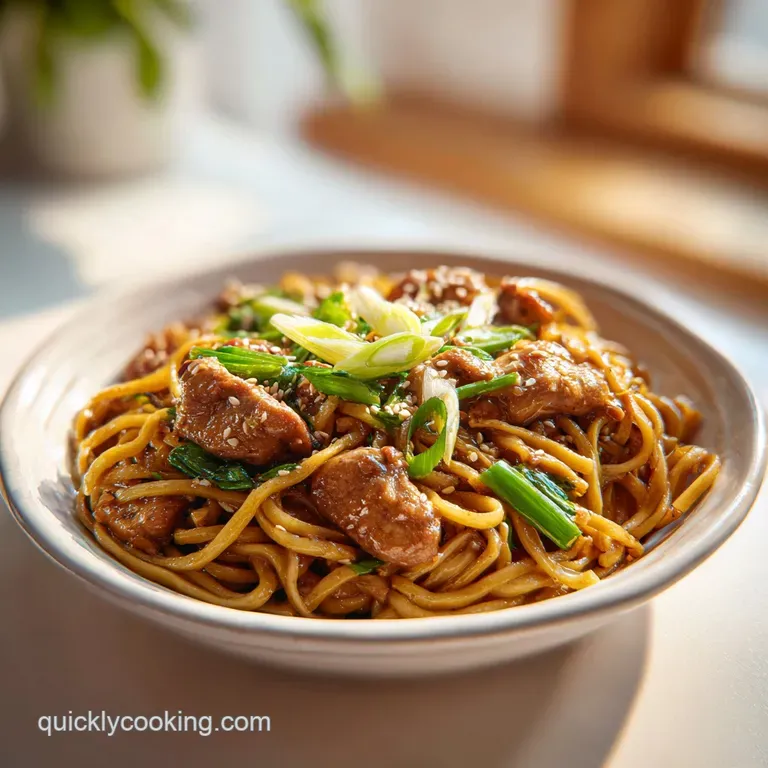
Even the best of us hit a snag sometimes. The most common issue with sticky noodles is either "The Clump" or "The Soup." The clump happens when noodles are drained and left to sit too long without being tossed in oil or sauce. The soup happens when the pan isn't hot enough to activate the cornstarch.
Why Your Noodles Clump
If you find yourself with a giant ball of dough, it's likely because you cooked the noodles too early or didn't drain them well. Starch on the surface of the noodles acts like glue.
| Problem | Root Cause | Solution |
|---|---|---|
| Thin Sauce | Heat too low | Increase heat and toss for 30 more seconds |
| Tough Chicken | Overcrowded pan | Sear in two batches to maintain high heat |
| Bland Flavor | Old ginger/garlic | Use fresh aromatics; bottled versions lack "zing" |
Common Mistakes Checklist
- ✓ Pat the chicken strips dry with a paper towel before searing (moisture is the enemy of the sear).
- ✓ Don't skip the rice vinegar; the acidity is what makes the "sticky" sauce taste balanced rather than cloying.
- ✓ Keep the broccoli florets small so they cook at the same rate as the aromatics.
- ✓ Stir the sauce one last time before pouring; cornstarch is heavy and sinks to the bottom of the bowl.
Creative Ingredient Adaptations
One of the reasons I love sticky garlic chicken noodles is how forgiving the recipe is. You can swap the protein, change the greens, or adjust the heat level based on what's in your pantry.
Just remember that changing the ingredients might change the moisture levels, so you may need to adjust your cook time by a minute or two.
| Original Ingredient | Substitute | Why It Works |
|---|---|---|
| Chicken Breast | Firm Tofu | Absorbs the sauce beautifully. Note: Press the tofu first to remove water. |
| Hoisin Sauce | BBQ Sauce + Soy | Similar sweet/savory profile, though slightly smokier. |
| Hokkien Noodles | Spaghetti | Similar chew. Note: Add a pinch of baking soda to the boiling water for "ramen" texture. |
Scaling for a Crowd
- To Double (8 servings): Do NOT double the oil. Use 1.5x the oil and cook the chicken in three separate batches. If you put 2 lbs of chicken in one pan, it will boil in its own juices.
- To Half (2 servings): Use a smaller skillet. Reduce the sauce by half but keep the garlic and ginger at the original amounts we want that flavor punch!
Preservation and Quality Control
Stir fries are generally best eaten fresh, but these noodles actually hold up surprisingly well for lunch the next day. The starch in the sauce keeps the chicken moist even after a trip through the microwave.
- Fridge: Store in an airtight container for up to 3 days. The sauce will thicken further as it cools.
- Freezer: You can freeze this for up to 2 months. However, the broccoli will lose its snap and become quite soft upon reheating.
- Reheating: Add a splash of water or chicken broth before microwaving to loosen the sauce. Heat in 30 second intervals, tossing in between.
Zero Waste Tip: Don't throw away the broccoli stalks! Peel the woody outer layer, slice the tender interior into matchsticks, and throw them in with the florets. They have a wonderful crunch and a sweet, mild flavor.
Also, the white parts of the green onions are flavor bombs don't treat them like scraps!
Serving and Side Selections
While this is a complete meal in a bowl, sometimes you want to "elevate" the experience pardon the phrase, I mean make it feel a bit more special. A quick smashed cucumber salad with rice vinegar and chili oil provides a cold, refreshing contrast to the hot, sticky noodles.
Three Ways to Customize
- The Heat Seeker: Double the red chili flakes and add a teaspoon of Gochujang to the sauce for a fermented kick.
- The Veggie Loaded: Swap half the noodles for spiralized zucchini or extra broccoli to lower the carb count.
- The Nutty Crunch: Add a handful of toasted cashews or peanuts at the very end for a texture contrast that mimics Kung Pao style dishes.
Myths About Sticky Stir Fries
There is a persistent myth that you must rinse your noodles in cold water to stop the cooking. While this is true for pasta salads, for a stir fry, you actually want a little bit of that residual surface starch. It helps the "sticky" sauce grab onto the noodle.
Only rinse if you aren't going to toss them in the pan for more than 5 minutes.
Another common misconception is that "searing meat seals in the juices." Science tells us that's not true meat loses moisture as it cooks regardless of the crust. However, that sear (the Maillard reaction) creates the complex savory flavors that make the chicken taste "meaty." We sear for the flavor, not for the moisture!
Finally, don't believe that you need a 100,000 BTU burner to get "wok hei" or that smoky restaurant flavor. By letting your heavy skillet get properly hot before adding the oil, and by not over stirring the chicken, you can achieve a fantastic char right on your home stove.
Trust the heat, trust the honey, and you'll have a dinner that looks and tastes like you spent hours on it, even though we both know it only took twenty minutes.
Critical Sodium Alert!
1180 mg 1180 mg (51% 51%)
The American Heart Association recommends no more than 2,300mg of sodium per day, with an ideal limit of 1,500mg for most adults.
Tips to Dramatically Reduce Sodium in Your Meal
-
Choose Low-Sodium Sauces-20%
Significantly reduce sodium by using low-sodium versions of soy sauce and hoisin sauce. If low-sodium options are unavailable, dilute regular versions with water or unsalted broth.
-
Rinse Dried Noodles-10%
If using ramen style noodles, rinse them thoroughly after cooking to remove excess sodium from the seasoning packets or the noodles themselves. Hokkien and Udon noodles are typically lower in sodium.
-
Control Sweeteners and Vinegars-5%
While not primary sodium sources, be mindful of the sodium content in any sweeteners or vinegars if you opt for pre-made versions. Opt for plain honey and pure rice vinegar.
-
Flavor with Herbs and Spices
Boost flavor without salt by using plenty of fresh garlic, ginger, and chili flakes. Consider adding fresh cilantro or a squeeze of lime juice at the end for extra zest.
Recipe FAQs
Is it true I must boil the noodles until they are very soft?
No, this is a common misconception. You should boil them only until al dente, as they will continue to cook slightly when tossed in the hot wok with the sauce.
How to ensure the chicken gets a golden brown sear?
Pat the chicken strips completely dry with paper towels before searing. Removing excess surface moisture prevents the meat from steaming, allowing it to develop a proper crust in the hot oil.
Can I use a different protein source for this recipe?
Yes, you can easily swap the chicken. If you enjoy this high heat, fast cooking approach, you might also like the creamy garlic shrimp variation using the same skillet technique.
How to keep the sauce from tasting too sweet?
Use the full tablespoon of rice vinegar in your sauce mixture. The acidity from the vinegar is essential to cut through the richness of the hoisin and honey, balancing the overall flavor profile.
How to prevent the garlic and ginger from burning?
Stir the aromatics constantly for exactly 30 seconds. Keeping them moving over the high heat prevents hot spots and ensures the flavors infuse the oil without turning bitter.
How to get the sauce to coat the noodles evenly?
Whisk the sauce mixture thoroughly one last time before pouring it into the wok. Because cornstarch is heavy, it settles at the bottom of the bowl quickly and needs to be re-incorporated to properly thicken the glaze.
Should I store the leftover noodles and chicken together?
Yes, store them in an airtight container in the refrigerator. For the best texture, keep them for no more than two days, as the noodles may continue to absorb the sauce and become softer over time.
Sticky Garlic Chicken Noodles
Ingredients:
Instructions:
Nutrition Facts:
| Calories | 578 kcal |
|---|---|
| Protein | 36 g |
| Fat | 14 g |
| Carbs | 59 g |
| Fiber | 4.5 g |
| Sugar | 16 g |
| Sodium | 1180 mg |
