Sticky Honey Garlic Sausage Pasta Skillet
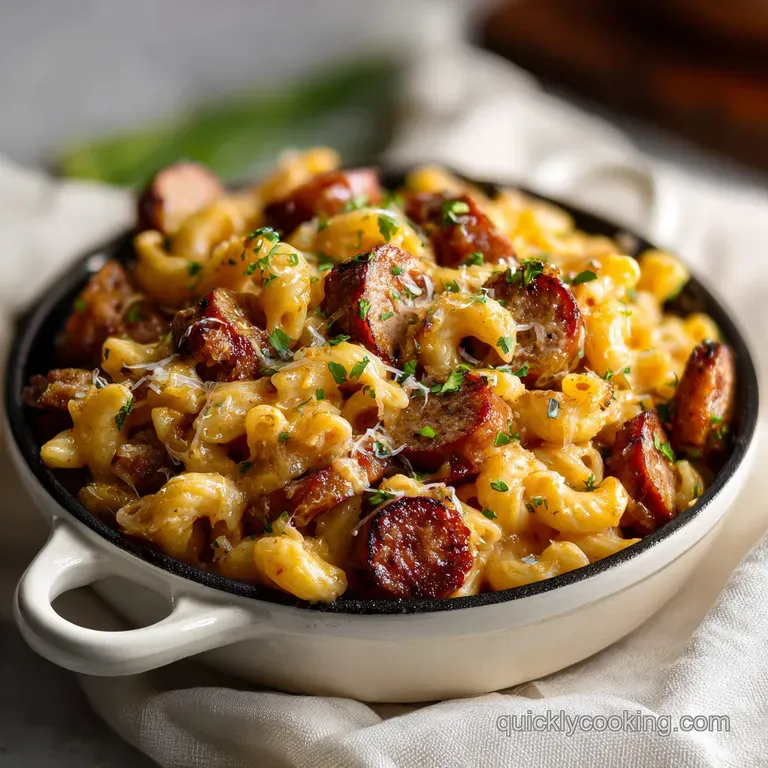
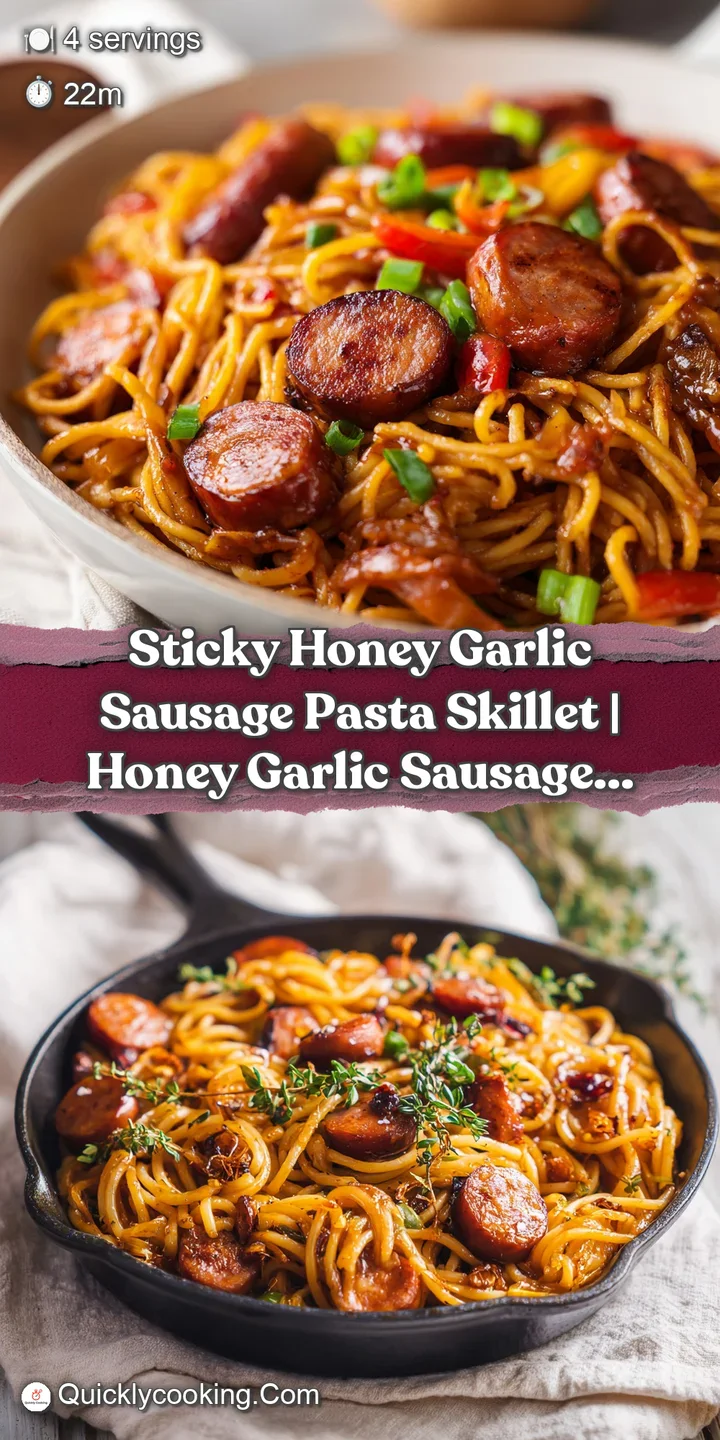
- Time: Active 10 minutes, Passive 20 minutes, Total 30 minutes
- Flavor/Texture Hook: Savory sweet glaze with a velvety finish and crispy seared sausage
- Perfect for: High speed weeknight dinners or budget smart meal prepping
- Efficiency and Speed: Understanding Our Quick Recipe Specifications
- Selecting Budget Smart Ingredients for Maximum Flavor Impact
- Minimal Tools for Maximum Speed: Essential Equipment Needed
- Step-by-Step Instructions for a Perfect One Pan Dinner
- Solving Kitchen Disasters: Common Mistakes and Expert Troubleshooting
- Creative Methods for Smart Twists and Ingredient Swaps
- Preserving Quality and Storing Your Leftovers to Keep Fresh
- Better Than Takeout: Creative Serving Suggestions and Presentation
- CRITICAL Sodium Alert!
- Recipe FAQs
- 📝 Recipe Card
Efficiency and Speed: Understanding Our Quick Recipe Specifications
The beauty of a one pan meal lies in the thermodynamics of the skillet. Because we are working with a 12 inch surface area, evaporation happens quickly, which is exactly what we need to transform a thin broth into a sticky glaze.
Most people fail because they use a pot that is too narrow, which steams the food instead of searing it. We need that wide surface to allow the honey to caramelize against the heat of the metal.
The Magic of Starch and Sugar Bonds
- Starch Suspension: By simmering pasta in a limited amount of liquid, we concentrate the amylose molecules. These molecules create a bridge between the fats in the sausage and the sugars in the honey, resulting in a sauce that won't break or pool at the bottom of your plate.
- Honey Polymerization: As the water in the sauce evaporates, the honey reaches a "soft ball" stage of sugar concentration. This is what creates that signature "sticky" texture that allows the sauce to defy gravity and cling to the ridges of your rigatoni.
- Acidic Balance: The apple cider vinegar provides a necessary pH drop. This doesn't just add tang; it actually helps to break down the surface proteins on the sausage, allowing the honey garlic flavors to penetrate deeper into the meat.
| Cook Method | Time | Texture Outcome | Best For |
|---|---|---|---|
| One Pan Skillet | 30 minutes | Velvety, sticky, concentrated | Maximum flavor and speed |
| Traditional Two Pot | 45 minutes | Clean, light, separated | Traditional Italian sauces |
| Slow Cooker | 4 hours | Soft, integrated, muted | Set it and forget it prep |
Choosing the skillet method is the highest efficiency choice you can make for this specific flavor profile. The high heat of the pan allows for the Maillard reaction that beautiful browning on the sausage coins which adds a base layer of umami that a slow cooker or a standard boiling pot simply cannot replicate.
You want those dark, crispy edges because they provide the bitter contrast to the sweet honey.
| Ingredient Type | Fresh Version | Shortcut Version | Flavor Impact |
|---|---|---|---|
| Garlic | 5 cloves fresh minced | 1 tbsp jarred minced | Fresh is sharper; jarred is milder |
| Sausage | Smoked Andouille | Pre cooked kielbasa | Andouille adds a spicy, smoky kick |
| Spinach | Fresh baby spinach | Frozen chopped spinach | Fresh keeps its structure better |
Adding the heavy cream at the very end is the final "pro" move. While some people might think a honey garlic sauce should be clear, the addition of fat from the cream stabilizes the emulsion.
It turns a simple syrup into a luxurious glaze that feels much more expensive than the budget friendly ingredients would suggest.
Selecting Budget Smart Ingredients for Maximum Flavor Impact
When you are trying to keep the grocery bill low, you have to make every ingredient work double duty. The choice of sausage here is the most important decision you'll make. I usually reach for a Smoked Andouille because it’s already packed with garlic, cayenne, and thyme. It’s like a shortcut in a casing. If you're looking for a different vibe, you might enjoy the heat in a creamy cajun sausage pasta, but for this specific sticky glaze, the smokiness of the Andouille is the perfect partner for the floral sweetness of the honey.
Component Analysis
| Ingredient | Science Role | Pro Secret |
|---|---|---|
| Honey (1/3 cup) | Caramelization Agent | Use a darker honey for a deeper, molasses like flavor profile |
| Apple Cider Vinegar (1 tbsp) | pH Balancer | This cuts the cloying sweetness and keeps the sauce vibrant |
| Pasta (8 oz) | Starch Source | Do not rinse this pasta; you need every bit of surface starch |
| Soy Sauce (1/4 cup) | Umami Base | Always use low sodium to control the salt concentration as it reduces |
The honey acts as more than just a sweetener; it's the structural glue of the entire dish. As it heats up, it undergoes a transformation that helps the liquid broth thicken into a glaze.
If you find yourself out of honey, maple syrup works in a pinch, though the flavor will obviously lean more toward a "breakfast" profile. The soy sauce provides the salt and the dark color, giving the dish that "better than takeout" appearance that we all crave on a Monday night.
- 1 lb Smoked Andouille or Italian Sausage: Sliced into 1/2 inch coins. Why this? The pre smoked nature adds instant depth without hours of simmering.
- 8 oz dry Penne or Rigatoni pasta: Why this? Ridges are essential for grabbing onto the sticky honey garlic sauce.
- 2 cups Low sodium chicken broth: Why this? Provides the liquid for the pasta to absorb flavor from within.
- 1/3 cup Honey: Why this? The primary thickener and flavor backbone for the "sticky" finish.
- 1/4 cup Low sodium soy sauce: Why this? Adds essential salt and umami without overwhelming the honey.
- 5 cloves Garlic, minced: Why this? Five cloves may seem like a lot, but they mellow significantly during simmering.
- 1 tbsp Apple cider vinegar: Why this? The secret weapon that prevents the sauce from feeling "heavy."
- 1/2 tsp Red pepper flakes: Why this? Provides a back of-the throat heat to balance the sugar.
- 1/4 cup Heavy cream: Why this? Emulsifies the sauce into a velvety, professional grade glaze.
- 2 cups Fresh baby spinach: Why this? Adds color, nutrition, and a fresh earthy contrast.
- 1 tbsp Vegetable oil: Why this? High smoke point is necessary for that initial hard sear.
- 1 tsp Sesame seeds & Green onions: Why this? Adds a necessary crunch and a pop of brightness.
I have found that spending the extra fifty cents on a decent low sodium chicken broth makes a world of difference. Standard broths can become incredibly salty once they reduce by half in the skillet. If you only have full sodium broth, just swap out half of it for plain water to keep the salt levels in check.
We want a balanced bite, not a salt bomb.
Minimal Tools for Maximum Speed: Essential Equipment Needed
Efficiency in the kitchen starts with your "mise en place," but it’s sustained by using the right gear. For this sticky honey garlic sausage pasta skillet, you really only need one primary piece of equipment: a 12 inch heavy bottomed skillet. I prefer a seasoned cast iron or a high-quality stainless steel pan.
These materials hold heat exceptionally well, which is vital when you drop cold sausage coins into the pan. If the pan loses heat, the sausage will steam and turn grey instead of developing that gorgeous mahogany crust.
Chef Tip: Avoid using a non stick pan if possible. While it makes cleanup easier, you won't get the same "fond" those little brown bits stuck to the bottom of the pan which contain the most concentrated flavor. Those bits are what we'll deglaze with our honey garlic mixture later.
You will also need a solid whisk for combining the sauce ingredients and a sturdy spatula or wooden spoon to scrape the bottom of the skillet. A microplane or a good garlic press will also save you several minutes of tedious chopping.
In a high efficiency kitchen, we don't spend ten minutes finely dicing with a knife when a press can do it in thirty seconds. The goal is to get the food in the pan as quickly as possible so you can get to the eating part.
step-by-step Instructions for a Perfect One Pan Dinner
- Sear the sausage coins. Heat your 12 inch skillet over medium high heat with the vegetable oil. Arrange the sausage in a single layer and let it sit undisturbed for 3 minutes. Note: This creates the "crust" that provides texture against the soft pasta.
- Flip and finish. Flip the coins and sear for 2 minutes on the other side. Wait until they are dark and crackling before removing them to a side plate. Keep that rendered fat in the pan; that's liquid gold.
- Whisk the base. In a small bowl, combine your honey, soy sauce, garlic, apple cider vinegar, and red pepper flakes. Whisk until the honey is fully integrated into the liquid.
- Deglaze the skillet. Pour the honey mixture into the hot pan. Use your wooden spoon to scrape up all the brown bits left behind by the sausage. You will hear a loud sizzle as the vinegar hits the metal.
- Add broth and pasta. Pour in the 2 cups of chicken broth and the 8 oz of dry pasta. Ensure the pasta is submerged as much as possible.
- Simmer and reduce. Bring the liquid to a boil, then immediately drop the heat to medium low. Simmer for 10-12 minutes. Stir every few minutes to prevent the pasta from sticking to the bottom as the sugars concentrate.
- Check for doneness. The pasta should be tender, and the liquid should be reduced by at least half. It will look like a bubbling, dark syrup at this stage.
- The velvety finish. Stir in the 1/4 cup of heavy cream and the baby spinach. Watch for the spinach to wilt and the sauce to turn from a syrup into a creamy, sticky glaze.
- Combine and glaze. Return the seared sausage to the pan. Toss everything together vigorously for 1 minute so the glaze coats every single ridge of the pasta.
- Garnish and serve. Sprinkle with the sesame seeds and sliced green onions. Serve immediately while the glaze is at its glossiest.
The sound of the sauce changing is your best indicator of success. At the beginning, it sounds like boiling water thin and splashing. Toward the end, it becomes a "heavy" bubble, almost a whisper, which tells you the sugars and starches have finally bonded. If you want to see another example of this starch magic, take a look at the technique in my one pot creamy garlic pasta which uses a similar one pan approach but with a focus on dairy rather than honey.
Solving Kitchen Disasters: Common Mistakes and Expert Troubleshooting
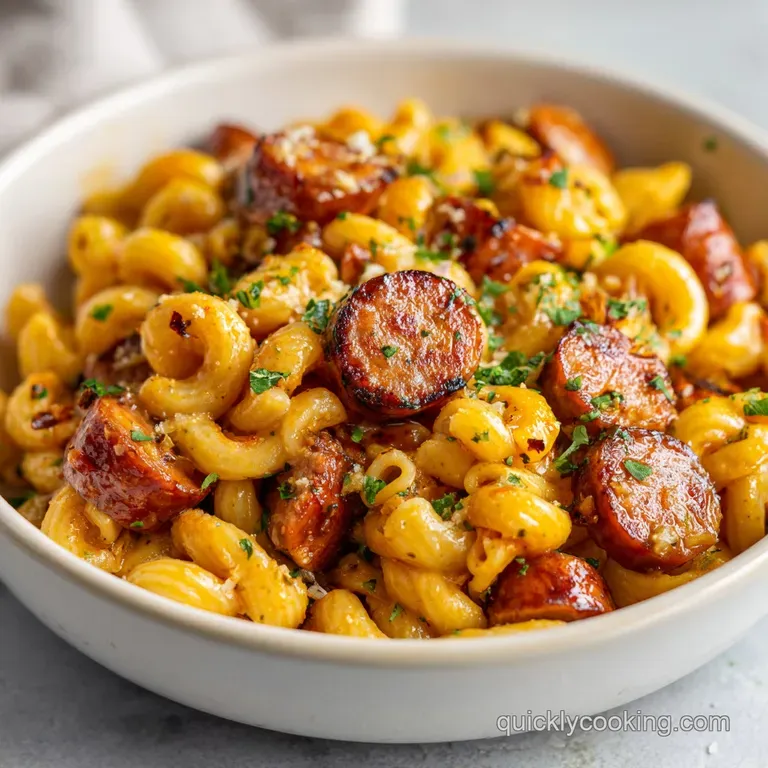
The biggest hurdle for most people with this recipe is the liquid ratio. Because we are cooking the pasta directly in the pan, the rate of evaporation matters. If your stove runs particularly hot, you might find the liquid disappearing before the pasta is soft. Don't panic.
Cooking is a dynamic process, not a static one. Just keep a little extra broth or even water on standby to loosen things up if needed.
Why Your Sauce Is Too Thin
If you reach the 12 minute mark and your sauce still looks like a soup, it’s likely that your heat was too low. The honey needs heat to "activate" its thickening properties in conjunction with the pasta starch. Increase the heat to medium high for the last 2 minutes, stirring constantly.
This will drive off the excess moisture and force that emulsion to happen.
| Problem | Root Cause | Solution |
|---|---|---|
| Pasta is crunchy | Not enough liquid or heat too high | Add 1/4 cup broth, cover with a lid for 2 mins |
| Sauce is burnt | Heat was too high; honey scorched | Remove from heat, add a splash of water to stop cooking |
| Spinach is slimy | Added too early in the process | Always add greens in the last 60 seconds of heat |
Why Your Garlic Is Bitter
Garlic turns bitter the moment it crosses the line from "golden" to "brown." In this recipe, we add the garlic as part of the liquid mixture rather than sautéing it in dry oil. This is a high efficiency trick to prevent burning.
The liquid protects the garlic solids from the direct heat of the pan, allowing them to poach and mellow rather than fry and turn acrid.
| Problem | Cause | Fix |
|---|---|---|
| Dull Flavor | Forgot the vinegar | Add a squeeze of lemon or more vinegar at the end |
| Greasy Sauce | Didn't stir enough after adding cream | Whisk vigorously to force the fat to bond with the sugar |
| Stuck Pasta | Not enough stirring during simmer | Scrape the bottom every 2-3 mins to release starches |
Common Mistakes Checklist
- ✓ Pat the sausage dry before searing to ensure you get a crust instead of steam.
- ✓ Don't rinse the pasta because the surface starch is your primary thickening agent.
- ✓ Use a wide skillet to allow for even evaporation and sugar concentration.
- ✓ Keep the heat low once the honey is added to prevent the sugars from scorching.
- ✓ Wait for the "heavy bubble" before adding the cream to ensure the sauce is reduced enough.
Creative Methods for Smart Twists and Ingredient Swaps
If you want to change the flavor profile without buying a whole new set of ingredients, you can easily swap the protein. While the smoked sausage is classic, I have made this with seared chicken thighs cut into bite sized pieces, and it is equally fantastic.
Just make sure you season the chicken well with salt and pepper before searing, as it doesn't have the built in spices that sausage provides.
Scaling for Different Crowds
When scaling this recipe down for one or two people, you can simply halve everything, but keep an eye on the liquid. A smaller amount of liquid in a large pan will evaporate much faster, so you might need to use a slightly smaller skillet or add an extra splash of broth.
When scaling up for a crowd, work in batches for the sausage searing. If you crowd the pan with 2 lbs of sausage, the temperature will plumet and you'll lose that crispy texture.
- To double the recipe: Use two separate skillets or a very large wide pot (like a Dutch oven). Increase spices and honey to 1.5x rather than a full 2x to avoid it becoming too sweet or salty.
- To make it vegetarian: Swap the sausage for thick cut smoked tofu or meaty mushrooms like Cremini or Shiitake. Use vegetable broth instead of chicken broth.
- To make it gluten-free: Use a high-quality gluten-free penne (like a corn/rice blend) and substitute the soy sauce for Tamari or coconut aminos.
The "Searing" Myth
Many people believe that searing meat "seals in the juices." This is actually a myth that has been debunked by food scientists for years. Searing is entirely about the flavor of the crust (the browning) and the aroma it creates. The meat actually loses moisture when you sear it because of the high heat.
However, we accept this trade off because the flavor of that seared crust is far superior to the texture of boiled meat.
Preserving Quality and Storing Your Leftovers to Keep Fresh
This dish stores surprisingly well, but you have to be careful with the reheating process. Because the sauce is honey based, it will tighten up and become very thick in the fridge. When you go to eat it the next day, it might look like a solid mass of pasta. This is normal! The sugars have just cooled and set.
- Fridge: Store in an airtight container for up to 3 days. The flavors actually deepen as the garlic and honey permeate the pasta further.
- Freezer: I don't recommend freezing this dish once the cream and spinach are added. The spinach will turn to mush upon thawing, and the cream based glaze may break, leaving you with a grainy texture.
- Reheating: The best way to reheat is in a small skillet over low heat. Add a tablespoon of broth or water to "unlock" the sticky glaze. Stir gently until it becomes glossy and velvety again. Avoid the microwave if you can, as it tends to make the sausage rubbery and can break the sauce emulsion.
Zero Waste Tip: Don't throw away those green onion roots! You can place them in a small jar of water on your windowsill, and they will regrow in about a week, providing you with a never ending supply of garnish for your next skillet meal.
Also, if you have leftover spinach that is starting to look a little sad, you can blend it into a pesto or add it to a morning smoothie; it doesn't have to be perfect for this recipe since it wilts down anyway.
Better Than Takeout: Creative Serving Suggestions and Presentation
To get that true restaurant feel, presentation is everything. Don't just scoop this onto a plate. Use a pair of tongs to twirl the pasta into a high mound in the center of a shallow bowl. Place the sausage coins carefully around the edges and on top so their crispy mahogany surfaces are visible.
The green onions should be sliced on a sharp bias (diagonal) to give them an elegant look, and the sesame seeds should be toasted for ten seconds in a dry pan before sprinkling to release their oils.
Precision Checkpoints for Success
- Sausage Thickness: Exactly 1/2 inch. Any thinner and they’ll dry out; any thicker and they won't get enough surface area for the glaze.
- Internal Temp: If using fresh sausage, ensure it hits 160°F (71°C), though most smoked sausages are pre cooked.
- The 10 Minute Mark: This is when you must check your pasta. If it's 80% done, it's time to add the cream.
If you are looking for a side dish, something acidic and crunchy is the way to go. A simple cucumber salad with rice vinegar or a quick slaw will cut through the richness of the honey and cream.
Avoid heavy, buttery sides like garlic bread this dish is already a star on its own and has plenty of "sauce factor." The goal is balance. You have the sweet, the salty, the spicy, and the smoky; now you just need a little bit of fresh crunch to round out the experience.
CRITICAL Sodium Alert!
1345 mg 1345 mg of sodium per serving (58% 58% of daily value)
The American Heart Association recommends limiting sodium intake to no more than 2,300mg per day, with an ideal limit of under 1,500mg for most adults.
Strategies to Slash Sodium in Your Sausage Pasta:
-
Swap Broth for Low-Sodium-30%
Replace the standard chicken broth with a low-sodium or no-salt added variety. This is a significant source of hidden sodium.
-
Choose Lower Sodium Sausage-25%
Opt for reduced sodium Andouille or Italian sausage. Traditional varieties are very high in sodium due to the curing and smoking process.
-
Dilute Soy Sauce-20%
Use half the amount of soy sauce and replace the other half with water or unsalted broth. You can also look for reduced sodium soy sauce.
-
Boost Flavor with Herbs & Spices
Enhance the dish's taste with fresh or dried herbs like parsley, basil, oregano, and extra red pepper flakes. This adds complexity without sodium.
-
Amplify Garlic and Vinegar-5%
Increase the amount of fresh garlic and apple cider vinegar. These ingredients provide punchy flavors that can compensate for reduced sodium.
Recipe FAQs
Is it true I must boil the pasta separately before adding it to the skillet?
No, this is a common misconception. You can cook the dry penne or rigatoni directly in the broth and honey garlic mixture, which allows the starch to release and helps create that signature sticky glaze.
How to ensure the sausage develops a deep mahogany crust?
Sear the coins undisturbed for 3 minutes over medium high heat. Moving the sausage too early prevents the Maillard reaction, so keep them still until the crust forms; if you enjoyed this technique of building flavor through searing, see how we apply the same principle to searing steak bites for maximum crust.
Can I replace the heavy cream with milk?
No, stick with heavy cream. The high fat content in heavy cream is essential to emulsify the sauce properly, whereas milk may curdle when combined with the acidic apple cider vinegar and soy sauce.
How to fix the sauce if it becomes too thin?
Simmer the mixture for an additional minute or two. By continuing to cook the liquid uncovered, the water evaporates, allowing the natural sugars in the honey and the starches from the pasta to thicken the glaze into a sticky consistency.
Is the rendered fat from the sausage necessary?
Yes, keep it in the pan. That rendered fat carries the flavor of the sausage and acts as the foundation for your sauce, ensuring the final dish has a rich, cohesive profile.
How to prevent the garlic from burning while whisking the sauce?
Whisk the sauce ingredients in a separate bowl first. Combining the honey, soy sauce, garlic, vinegar, and red pepper flakes before adding them to the hot skillet protects the garlic from direct, uneven heat exposure.
How to store leftovers properly?
Transfer to an airtight container once cooled. Store in the refrigerator for up to 3 days, though keep in mind the pasta will continue to absorb the sauce, so you may need to add a splash of water when reheating.
Sticky Honey Garlic Sausage Pasta
Ingredients:
Instructions:
Nutrition Facts:
| Calories | 729 kcal |
|---|---|
| Protein | 26.8 g |
| Fat | 34.2 g |
| Carbs | 76.5 g |
| Fiber | 3.4 g |
| Sugar | 24.1 g |
| Sodium | 1345 mg |
