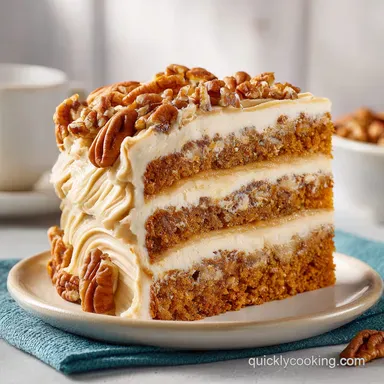
Southern Butter Pecan Cake: Silky and Rich
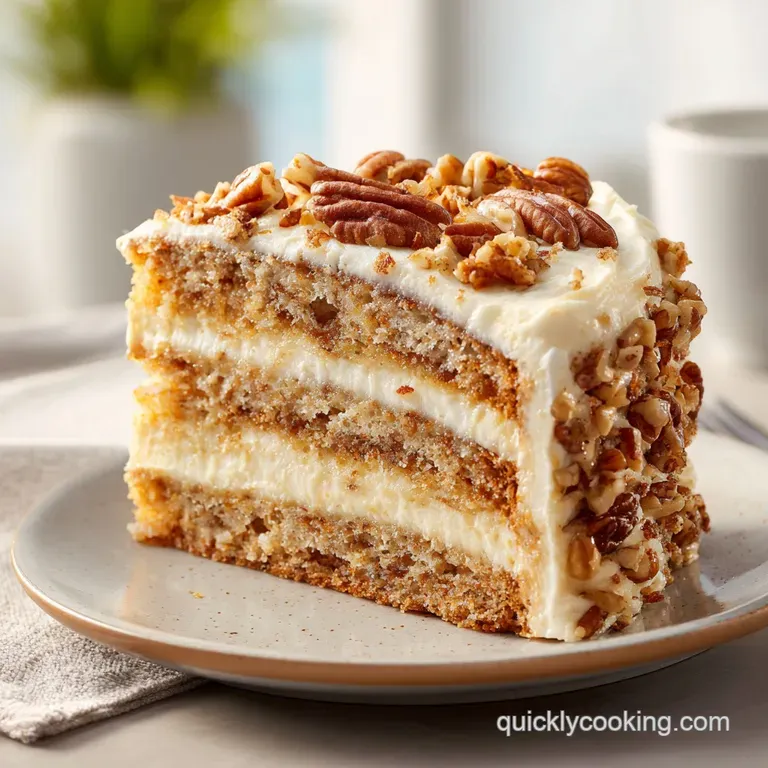
- Time: 20 min active + 30 min baking = Total 50 min
- Flavor/Texture Hook: Nutty, toasted aroma with a silky, moist finish
- Perfect for: Holiday gatherings, birthday celebrations, or a high end treat for guests
- The Best Butter Pecan Cake Recipe
- Nailing The Texture
- The Essential Components
- Gear You Will Need
- The Step By Step
- Preventing Common Cake Fails
- Troubleshooting Common Issues
- Easy Swaps and Twists
- Scaling the Batch
- Busted Baking Beliefs
- Storage and Freshness Tips
- Serving Your Cake
- Recipe FAQs
- 📝 Recipe Card
That specific sizzle happens right as the butter stops foaming and starts to smell like toasted hazelnuts. If you've never browned your butter, you're missing out on the single best way to add depth to a dessert.
I remember the first time I tried it, I almost burned the pan because I was staring at the pecans instead of the skillet, but once those golden brown flecks appear, there's no going back.
The secret here is the browned butter, which acts as the flavor anchor. Most cakes just use softened butter for structure, but browning it changes the molecular structure, giving us a savory edge that cuts through the sugar. In this butter pecan cake recipe, the butter isn't just a fat, it's a seasoning.
You can expect a cake that feels substantial but isn't heavy, thanks to the sour cream. It creates a velvety texture that keeps the cake moist for days. We're going for a balance of salty, sweet, and nutty that makes this feel like something from a high end bakery, but it's actually streamlined for a home kitchen.
The Best Butter Pecan Cake Recipe
Right then, let's get into how this actually comes together. The goal is efficiency. We aren't spending four hours in the kitchen. By prepping your pecans and butter first, the rest of the process is just a quick mix and bake. If you're in the mood for something equally nutty but different, you might like a Pecan Pie Dump Cake, but this cake is for when you want something more structured.
The flow here is simple: toast, brown, cream, and bake. I've found that if you have your room temperature eggs ready to go, you can shave off a few minutes of prep. Trust me on this, cold eggs can cause your butter mixture to curdle, which slows you down and messes with the crumb.
Since we're focusing on speed and result, don't overthink the mixing. Once the flour goes in, stop as soon as it's combined. Overmixing develops too much gluten, which turns your cake from "silky" to "bread like," and we definitely don't want that here.
Nailing The Texture
You might wonder why we don't just use melted butter. It comes down to how the air gets into the batter. We want that specific lift and softness that only comes from a careful combination of fats and acids.
Browned Butter Depth: Browning the butter evaporates water and toasts the milk solids, creating a concentrated nutty flavor that permeates the whole sponge.
Sour Cream Moisture: The acidity in sour cream breaks down gluten strands, ensuring the cake stays tender and velvety rather than chewy.
Pecan Distribution: Toasting the nuts first ensures they don't sink to the bottom and adds a distinct "snap" to every bite.
Sugar Aeration: Creaming the butter and sugar creates tiny air pockets that expand in the oven, giving the cake its lift.
Maple Syrup Stability: In the frosting, maple syrup provides a liquid sugar that keeps the buttercream from becoming too stiff or grainy.
Since you have options on how to approach this, I've put together a quick comparison of the two main ways to handle the base.
| Method | Prep Time | Texture | Best For |
|---|---|---|---|
| Oven Bake | 20 min | Airy and fluffy | Classic celebration cake |
| Stovetop Steam | 40 min | Dense and moist | Custard like consistency |
The oven is the way to go for this specific butter pecan cake recipe because we want those slightly crisp edges and a stable structure for the frosting.
The Essential Components
Let's look at what's actually happening inside the bowl. It's not just about the taste, it's about how the ingredients interact to create that specific mouthfeel.
| Ingredient | Science Role | Pro Secret |
|---|---|---|
| Browned Butter | Flavor & Structure | Cool it slightly so it doesn't cook the eggs |
| Sour Cream | Tenderizer | Use full fat for a more velvety crumb |
| Baking Powder | Leavening | Sift it with flour to avoid bitter clumps |
| Powdered Sugar | Stability | Sift it if you see any lumps for a smooth frost |
For more on how different fats affect baking, King Arthur Baking has some great guides on butter temperatures.
Gear You Will Need
Before you start, gather everything. I hate it when I'm halfway through a batter and realize I don't have a whisk handy.
- Two 9 inch round cake pans
- Parchment paper (don't skip this, or the cake will stick)
- Electric hand mixer or stand mixer (like a KitchenAid)
- Medium skillet (for browning butter)
- Dry pan (for toasting pecans)
- Large mixing bowl and a medium one for dry ingredients
- Rubber spatula for folding
- Wire cooling rack
The step by step
Let's crack on. Follow these steps exactly to ensure the timing stays at 50 minutes total.
Step 1: The Flavor Foundation
- Brown the butter in a skillet over medium heat, whisking constantly until it foams and turns a golden mahogany color with a nutty aroma. Note: Watch closely, it can go from brown to burnt in seconds. Immediately remove from heat to prevent burning.
- Toast the pecans in a dry pan for 3-5 minutes until fragrant and slightly darker. Set them aside to cool.
Step 2: Building the Batter
- Cream the browned butter and granulated sugar until pale and fluffy. Note: This incorporates the air needed for the rise.
- Beat in eggs one at a time, followed by the vanilla. Ensure each egg is fully absorbed before adding the next.
- In a separate bowl, whisk together flour, baking powder, and salt.
- Alternately add the dry ingredients and the sour cream/milk mixture to the butter mixture, beginning and ending with the flour. Note: This prevents the batter from separating.
- Gently fold in the toasted pecans by hand using a spatula.
Step 3: The Bake and Cool
- Divide batter evenly between two greased and parchment lined 9 inch round cake pans.
- Bake at 350°F (175°C) for 28-32 minutes until the edges pull away from the pan and a toothpick comes out with a few moist crumbs.
- Cool in pans for 10 minutes before transferring to a wire rack.
Step 4: The Final Assembly
- Beat softened butter until smooth, then gradually add powdered sugar, maple syrup, heavy cream, and vanilla.
- Whip on high for 2 minutes until airy and velvety.
- Spread a thick layer of frosting between the cake rounds and cover the top and sides.
- Press remaining chopped pecans into the sides for a polished look.
If you're looking for another way to use pecans, my Sweet Potato Casserole uses a similar nut crust that's a hit at dinner parties.
Preventing Common Cake Fails
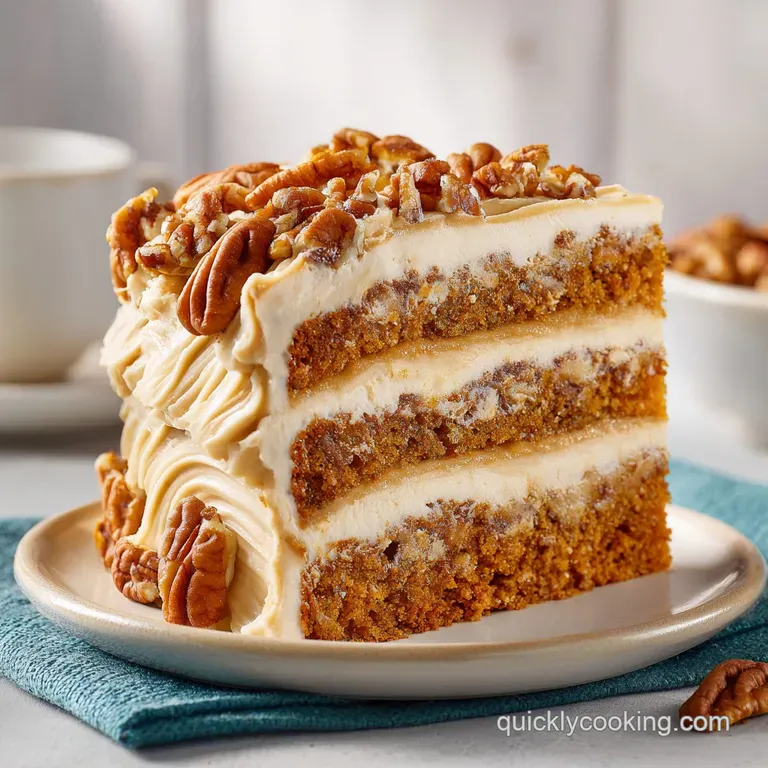
Baking is mostly about precision, but things happen. If your cake doesn't look like the picture, it's usually one of a few culprits.
Troubleshooting Common Issues
| Issue | Solution |
|---|---|
| Why Your Cake Sinks in the Middle | This usually happens because the oven door was opened too early, letting the heat escape, or the baking powder is old. If the structure hasn't set, the air pockets collapse. |
| Why Your Butter Pecan Frosting is Runny | Too much maple syrup or heavy cream can thin out the buttercream. It's all about the ratio of fat to liquid. |
| Why the Cake is Too Dense | Overmixing the flour is the most common cause. Once you add the flour, you're just combining, not beating. |
Common Mistakes Checklist:
- ✓ Did you use room temperature eggs?
- ✓ Is your baking powder fresh (less than 6 months old)?
- ✓ Did you line the pans with parchment paper?
- ✓ Did you stop mixing as soon as the flour disappeared?
- ✓ Did you let the cakes cool before frosting?
Easy Swaps and Twists
You can tweak this butter pecan cake recipe to fit your pantry or your taste. Here are the best ways to do it without ruining the chemistry.
| Original Ingredient | Substitute | Why It Works |
|---|---|---|
| Sour Cream (1 cup) | Greek Yogurt (plain, full fat) | Similar acidity and fat. Note: Slightly tangier flavor |
| Whole Milk (½ cup) | Almond Milk (unsweetened) | Works for moisture. Note: Slightly less rich finish |
| Maple Syrup (¼ cup) | Honey (¼ cup) | Similar sweetness. Note: Stronger flavor, slightly stickier |
| All Purpose Flour | 1:1 gluten-free Blend | Works for structure. Note: Crumb may be slightly more fragile |
If you want a "semi homemade" shortcut, you can use a yellow cake mix as the base. Just replace the oil with your browned butter and add the toasted pecans. It's not as deep in flavor as the scratch version, but it's faster.
For a saltier contrast, add a pinch of flaky sea salt on top of the frosting. It cuts through the maple sweetness and makes the pecans pop. If you prefer a brighter note, a tiny squeeze of lemon juice in the sour cream mixture can add a subtle zip.
Scaling the Batch
Scaling a butter pecan cake recipe isn't as simple as doubling everything, especially with leavening agents.
Scaling Down (½ Batch): Use two 6 inch pans instead of 9 inch. Reduce the baking time by about 20%, starting to check for doneness at 20 minutes. For the egg, crack one into a bowl, beat it, and use exactly half by weight.
Scaling Up (2x Batch): If you're making a multi layer cake, do not double the baking powder exactly; use 1.5x the amount to avoid the cake rising too fast and then collapsing.
Lower the oven temp to 325°F (160°C) and extend the bake time by 5-10 minutes to ensure the center cooks through without burning the edges.
Always work in batches if your mixer is small. Overcrowding the bowl prevents the butter and sugar from aerating properly, which will leave you with a heavy cake.
Busted Baking Beliefs
Let's clear up some things I used to believe. First, the idea that you must "cream" butter and sugar for 10 minutes. In reality, 3-5 minutes is plenty. Over creaming can actually incorporate too much air, causing the cake to rise and then sink.
Another one: that you can't use a substitute for sour cream. You can, but the result changes. Using regular yogurt or buttermilk works, but you lose that specific velvety thickness that only full fat sour cream provides.
Finally,, some people think browning butter is only for "fancy" cooking. Actually, it's a high efficiency way to get a huge amount of flavor without adding extra ingredients or long simmering times.
Storage and Freshness Tips
To keep this butter pecan cake recipe tasting fresh, you have to be smart about the frosting.
Fridge Storage: Keep the cake in an airtight container in the fridge for up to 5 days. Because of the butter and sour cream, it stays moist. Just let a slice sit at room temperature for 20 minutes before eating so the buttercream softens back up.
Freezing Guidelines: You can freeze the layers without frosting for up to 3 months. Wrap each layer tightly in plastic wrap, then a layer of foil. Thaw in the fridge overnight before frosting. If you freeze the whole frosted cake, slice it while still partially frozen for the cleanest cuts.
Zero Waste Tips: Don't throw away the "nut dust" at the bottom of your pecan bag. Mix it into the frosting or sprinkle it over the top of the cake for extra flavor.
If you have leftover browned butter, freeze it in ice cube trays and drop a cube into your morning oatmeal or a pan of sautéed mushrooms.
Serving Your Cake
The presentation is where you make this feel like a professional bake. I prefer a "semi naked" look where a bit of the golden cake peeks through the frosting on the sides.
For the most polished look, use a bench scraper to smooth the sides. Press the reserved chopped pecans only into the bottom third of the cake. This creates a weighted look that's visually appealing.
If you're serving this for a party, pair it with a dollop of unsweetened whipped cream or a few fresh raspberries. The tartness of the berries balances the richness of the butter pecan cake recipe.
For a truly decadent experience, serve it slightly warm. You can pop a slice in the microwave for 10 seconds, which makes the maple frosting slightly melty and the pecans even more fragrant. It's the best way to enjoy the deep, toasted notes we worked so hard to build into the batter.
Recipe FAQs
What is the best flavor frosting for butter pecan cake?
Maple buttercream. The combination of maple syrup and browned butter complements the toasted pecans perfectly for a cohesive flavor profile.
How to make cake for diabetic patients?
Avoid this specific recipe. Due to the high content of granulated and powdered sugar, this cake is not suitable for those managing diabetes.
What is a secret ingredient to moisten cakes?
Full-fat sour cream. It adds necessary acidity and fat to tenderize the crumb, a similar principle of texture control used in our homemade marble cake.
What is a Texas pecan cake?
A traditional Southern dessert characterized by a dense, buttery crumb and a high volume of pecans. These cakes are typically rich and heavily frosted to mirror the flavors of pecan pie.
Why did my butter pecan cake sink in the middle?
The oven door was likely opened too early. This lets heat escape and causes the air pockets to collapse before the cake structure has fully set.
How to fix runny butter pecan frosting?
Beat in more powdered sugar. This restores the balance of fat to liquid if too much heavy cream or maple syrup was added.
How to store the cake to keep it fresh?
Keep it in an airtight container in the fridge. Allow individual slices to sit at room temperature for 20 minutes before eating so the buttercream softens.
Butter Pecan Cake Recipe in 50 Minutes