Easy One Pot Creamy Garlic Pasta
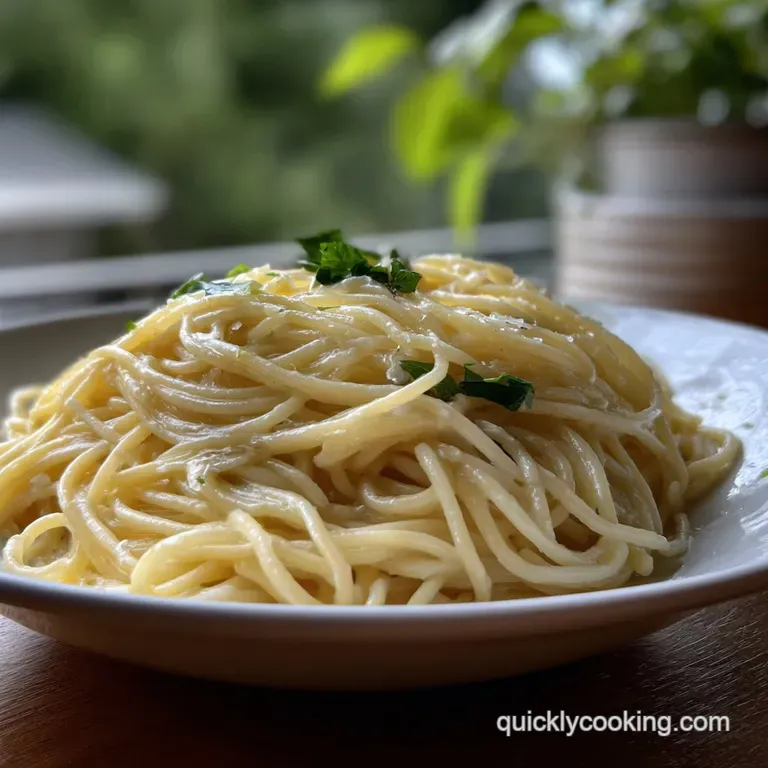
- Time: Active 5 minutes, Passive 15 minutes, Total 20 minutes
- Flavor/Texture Hook: Velvety, garlic forward sauce with a bright lemon finish
- Perfect for: High efficiency weeknight dinners and beginner cooks
- Unlock the Magic of Easy One Pot Creamy Garlic Pasta
- The Efficiency of Starch and Fat Emulsification
- Numeric Targets for High Speed Culinary Success
- Sourcing Essential Elements for Maximum Flavor Impact
- Minimalist Tools for Maximum Kitchen Output
- Mastering the Seamless One Pot Cooking Flow
- Resolving Texture and Consistency Discrepancies Quickly
- Modifying the Base for Diverse Flavor Profiles
- Preserving Quality During Refrigeration and Storage
- Refining the Aesthetic of Your Finished Plate
- High in Sodium
- Recipe FAQs
- 📝 Recipe Card
Unlock the Magic of Easy One Pot Creamy Garlic Pasta
The second those six cloves of minced garlic hit the 4 tbsp of melting unsalted butter, your kitchen transforms. There is a specific, sharp sizzle that signals the start of something brilliant, and for a tired Tuesday night, it is the only sound I want to hear.
We have all been there, staring at a box of dry pasta and a ticking clock, dreading the mountain of pots that usually comes with a proper cream sauce. Forget the boiling water, the colander, and the separate roux whisking.
We are doing this in one single pan, and the results are actually better than the traditional method.
I used to think "one pot" meant compromising on texture, but I was wrong. The secret lies in the starch that usually disappears down the drain with the pasta water. In this version, that liquid gold stays in the pot, acting as a natural thickener that creates a velvety finish you simply cannot get otherwise.
It is fast paced cooking at its best, cutting down on cleanup while maximizing the aromatic punch of the garlic and lemon.
You are looking at a 20 minutes total commitment from the moment you grab the knife to the moment you sit down. It is efficient, it is foolproof, and it is going to become your new back pocket staple. Let’s get the prep moving so we can eat sooner rather than later.
The Efficiency of Starch and Fat Emulsification
The Science of Why it Works: As the dry linguine simmers, it undergoes starch gelatinization, releasing amylose molecules into the cooking liquid. These molecules act as a bridge between the water based chicken broth and the fat based heavy cream, creating a stable, thick emulsion without the need for flour.
- Maillard Reaction: Sautéing the garlic in butter creates new flavor compounds through the interaction of amino acids and reducing sugars.
- Fat Solubility: The 1/2 tsp of red pepper flakes releases its heat most effectively into the fat of the butter rather than the water of the broth.
- Protein Denaturation: Adding the 1 cup of freshly grated parmesan at the very end ensures the proteins melt smoothly into the sauce rather than clumping from high heat.
- Acid Balance: The 1 tsp of lemon zest provides citric acid that cuts through the 1.5 cups of heavy cream, preventing the dish from feeling overly heavy on the palate.
| Method | Cook Time | Cleanup | Sauce Texture |
|---|---|---|---|
| One Pot (This Recipe) | 15 minutes | 1 Pot | Silky and thick |
| Classic Two Pot | 25 minutes | 2 Pots + Colander | Lighter but often separates |
| Instant Pot | 10 minutes | 1 Pot | Very soft; less control |
Choosing the one pot method isn't just about saving time; it's about flavor density. Because the pasta absorbs chicken broth and cream rather than plain salted water, the noodles themselves taste like garlic and parmesan from the inside out.
Numeric Targets for High Speed Culinary Success
To keep your workflow tight, follow these three precision checkpoints. First, ensure your linguine is submerged in exactly 3 cups of chicken broth and 1.5 cups of cream; too much liquid leads to soup, too little leads to crunchy noodles.
Second, keep the simmer at a "gentle bubble" (roughly 90°C to 95°C) to prevent the cream from curdling. Finally, wait until the sauce coats the back of a spoon before adding the cheese.
| Servings | Pasta Amount | Cooking Vessel | Total Fluid |
|---|---|---|---|
| 2 people | 225g (1/2 lb) | 3 quart sauté pan | 2.25 cups total |
| 4 people | 450g (1 lb) | 5 quart Dutch oven | 4.5 cups total |
| 8 people | 900g (2 lb) | 8 quart stock pot | 9 cups total |
Working with these ratios ensures that every strand of linguine has enough space to hydrate without sticking together. If you are scaling up, remember to stir more frequently as the increased starch concentration makes the bottom of the pot prone to scorching.
Sourcing Essential Elements for Maximum Flavor Impact
- 4 tbsp Unsalted Butter: Provides the fat base for blooming aromatics. Why this? Allows you to control salt levels via the chicken broth and parmesan.
- 6 cloves Garlic: The aromatic powerhouse of the dish. Why this? Freshly minced cloves provide a sharper, more complex bite than jarred versions.
- 1 lb Dry Linguine: A flat, sturdy noodle that stands up well to thick cream sauces. Why this? The surface area is ideal for capturing the starch heavy emulsion.
- 3 cups Low Sodium Chicken Broth: The primary cooking medium. Why this? Adds savory depth that water cannot provide; low sodium prevents over salting.
- 1.5 cups Heavy Cream: Creates the luxurious, velvety mouthfeel. Why this? High fat content (36%+) prevents the sauce from breaking at high temperatures.
- 1 cup Freshly Grated Parmesan: Adds salt, umami, and thickening power. Why this? Pre shredded cheese is coated in potato starch, which can cause a grainy texture.
| Original Ingredient | Substitute | Why It Works |
|---|---|---|
| Heavy Cream (1.5 cups) | Whole Milk + 1 tbsp Flour | Lower fat. Note: Sauce will be thinner and requires flour to stabilize. |
| Chicken Broth (3 cups) | Vegetable Broth | Same liquid ratio. Note: Changes the flavor profile to a more earthy, vegetal tone. |
| Linguine (1 lb) | Spaghetti | Similar thickness. Note: Cooks slightly faster; check for doneness 2 minutes early. |
I once tried using half and half because it was all I had in the fridge, and while it worked, the sauce lacked that "shatter on-the tongue" richness. Stick to the heavy cream if you want that restaurant quality silkiness.
Minimalist Tools for Maximum Kitchen Output
You don't need a pantry full of gadgets for this. A high-quality 5 quart Dutch oven (like a Lodge or Le Creuset) is the best tool because the heavy bottom distributes heat evenly, which is vital when you’re simmering dairy.
You will also need a sturdy set of tongs to toss the linguine; forks just won't give you the leverage needed to keep the noodles from clumping as the starch builds up.
A microplane is my secret weapon for the 1 tsp of lemon zest and the 1 cup of parmesan. Grating the cheese finely ensures it melts instantly into the sauce. If you use a box grater, use the smallest holes possible. Finally, keep a liquid measuring cup handy for the broth and cream.
Precision matters here since the liquid is absorbed rather than drained.
Mastering the Seamless One Pot Cooking Flow
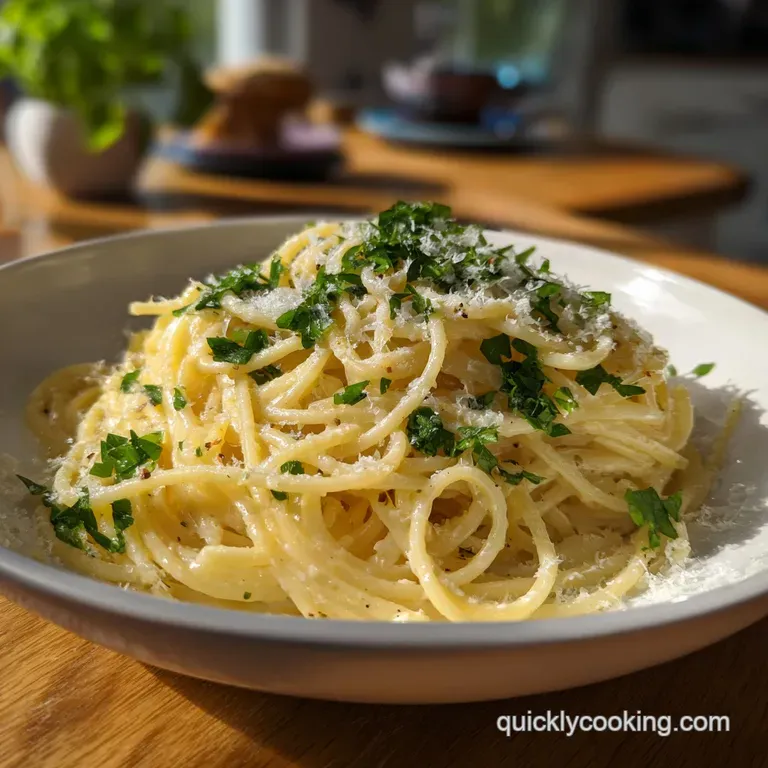
Chef's Tip: If you find your pasta sticking to the bottom, don't just scrape. Add a splash of broth and use the tongs to lift and rotate the entire "nest" of pasta. The thermal shock usually releases the stuck strands.
- Melt the butter. Place the 4 tbsp of unsalted butter in the pot over medium heat until it begins to foam and bubble.
- Bloom the aromatics. Stir in the 6 cloves of minced garlic and 1/2 tsp red pepper flakes. Cook for 1 minute until the garlic is fragrant and pale gold. Note: Do not let the garlic brown or it will turn bitter.
- Add liquids. Pour in the 3 cups of chicken broth, 1.5 cups of heavy cream, 1 tsp kosher salt, and 1/2 tsp freshly cracked black pepper.
- Incorporate pasta. Add the 1 lb of dry linguine. If they don't fit, wait 30 seconds for the submerged ends to soften, then gently press the rest down with tongs.
- Boil and simmer. Bring the mixture to a boil, then immediately reduce to a simmer.
- Agitate the noodles. Cook for 12 to 15 minutes, stirring every 2 minutes until the pasta is al dente and liquid has reduced by half.
- Emulsify the sauce. Remove from heat. The sauce will look slightly loose; this is correct.
- Fold in cheese. Add the 1 cup of freshly grated parmesan in three batches, stirring vigorously until the cheese has melted into a velvety glaze.
- Add brightness. Stir in the 2 tbsp of chopped parsley and 1 tsp of lemon zest.
- Rest and serve. Let the pasta sit for 2 minutes until the sauce thickens and clings to the noodles.
Resolving Texture and Consistency Discrepancies Quickly
The Sauce is Too Thick
This usually happens if the heat was too high, causing the liquid to evaporate before the pasta finished cooking. It can also happen if the pasta sits for too long before serving. The starch continues to absorb moisture even after you turn off the stove.
To fix this, simply whisk in an extra 1/4 cup of warm chicken broth or hot water. Do this one tablespoon at a time. You want to see the sauce loosen and regain its glossy sheen. Never use cold liquid, as it can cause the fat in the cream to seize up, resulting in a grainy mouthfeel.
The Pasta is Sticking
If your linguine is clumping together in "nests," you likely didn't stir enough during the first five minutes of simmering. This is the critical window when the exterior starch is stickiest.
| Problem | Root Cause | Solution |
|---|---|---|
| Grainy Sauce | Added cheese too fast | Whisk in 1 tbsp of hot cream and stir vigorously off heat. |
| Crunchy Pasta | Heat was too high | Add 1/2 cup broth, cover with a lid, and simmer 3 more minutes. |
| Bland Flavor | Not enough salt/acid | Add an extra squeeze of lemon juice and a pinch of salt. |
Common Mistakes Checklist ✓ Stir the pasta immediately after adding it to the liquid to prevent massive clumps. ✓ Grate your own parmesan cheese; the cellulose in bagged cheese prevents a smooth melt.
✓ Keep the simmer gentle; a rolling boil will break the cream and toughen the pasta. ✓ Use a pot with a heavy base to prevent the milk solids from burning on the bottom. ✓ Zest the lemon only at the very end to keep the citrus oils vibrant and fresh.
Modifying the Base for Diverse Flavor Profiles
If you want to turn this into a one pot creamy garlic pasta with chicken, the process is simple but requires a slight timing shift. Season 450g of chicken breast strips with salt and pepper. Brown them in the butter first, then remove them and set aside.
Proceed with the garlic and pasta steps as written. Toss the cooked chicken back into the pot during the last 3 minutes of simmering so it heats through without becoming rubbery.
For a lighter version, you can swap half of the heavy cream for whole milk, but you must add 1 tsp of cornstarch to the cold milk before pouring it in. This provides the structural integrity the sauce loses when you reduce the fat content.
- For a Protein Boost: Stir in sautéed shrimp or rotisserie chicken at the final folding stage.
- For a Veggie Variation: Add 2 cups of baby spinach or frozen peas during the last 2 minutes of cooking.
- For an Umami Kick: Sauté 1/2 cup of sliced mushrooms with the garlic at the start.
Preserving Quality During Refrigeration and Storage
Storage: This pasta will stay fresh in the fridge for up to 3 days in an airtight container. However, be warned: the pasta will continue to drink up the sauce as it sits. When you open the container the next day, it might look dry. This is normal.
Reheating: Avoid the microwave if possible, as it tends to make the cream separate and turn oily. Instead, place the pasta in a small skillet over medium low heat. Add 2 tablespoons of milk or broth per serving.
Cover the pan for 2 minutes to let the steam loosen the noodles, then stir gently until the sauce becomes creamy again.
Zero Waste: If you have leftover parmesan rinds, don't toss them! Drop a rind into the pot while the pasta simmers. It releases an incredible depth of salty, nutty flavor into the broth. Just remember to fish it out before serving.
Leftover parsley stems can be finely chopped and sautéed with the garlic for extra herbal notes.
Refining the Aesthetic of Your Finished Plate
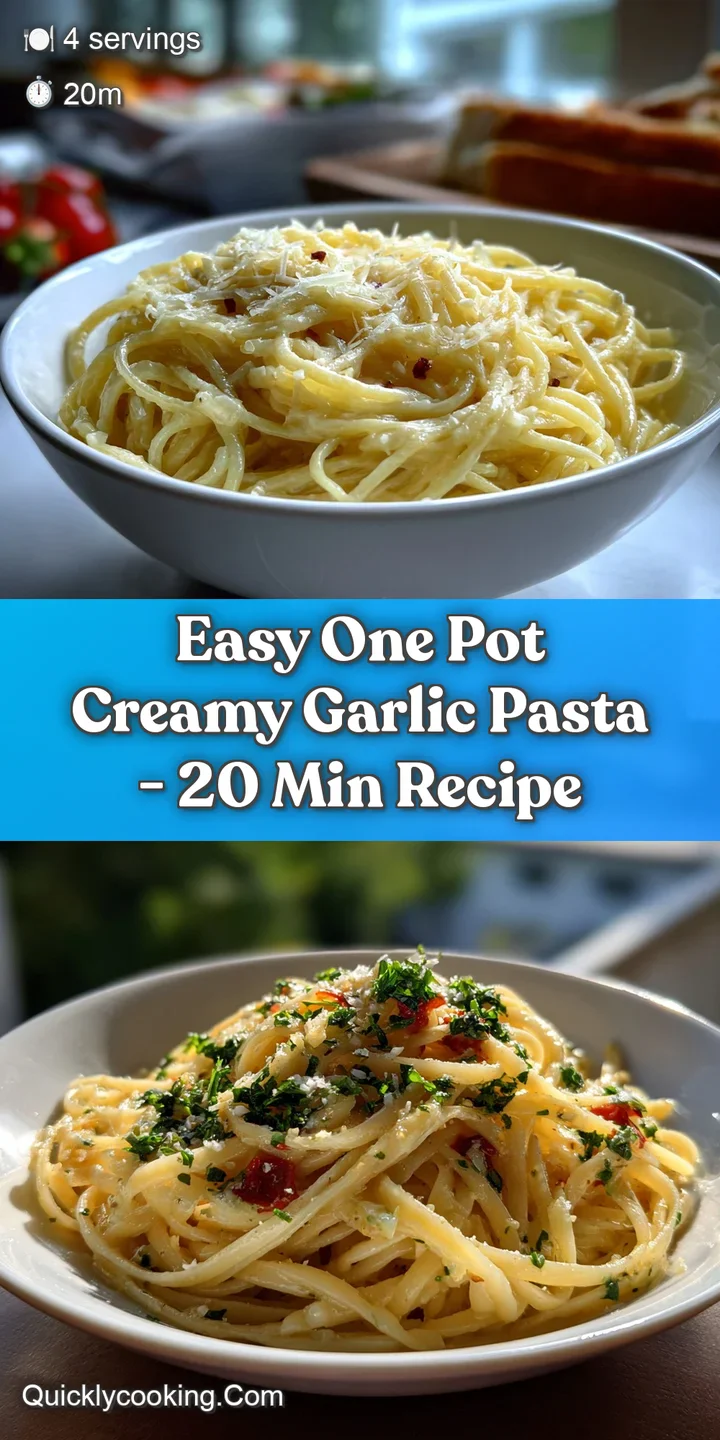
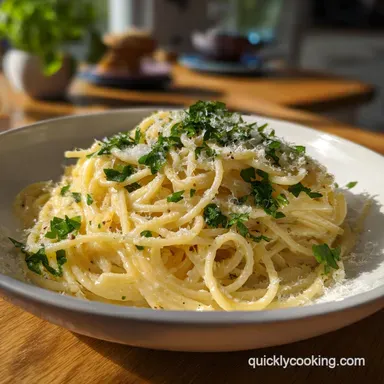
Plating is where you turn a "quick meal" into a "dining experience." Use a large meat fork or tongs to twirl a portion of the linguine into a tight nest in the center of a shallow bowl. This height makes the dish look professional and keeps the heat trapped inside the pasta mound.
Drizzle any remaining sauce from the pot directly over the top of the nest. Finish with a fresh dusting of parmesan use a microplane for those long, wispy shards that look like snow and a final sprinkle of the 2 tbsp of fresh parsley.
For Restaurant Quality Plating: Wipe the rim of the bowl with a clean cloth to remove any stray sauce drips. Add a final crack of black pepper from a high height for even distribution. Place a small wedge of lemon on the side for those who want an extra hit of acidity.
Serve on warmed plates; cream sauces seize up quickly on cold ceramic.
This easy one pot creamy garlic pasta is all about speed and smart science. Once you see how that starchy liquid transforms into a velvety sauce, you'll never go back to the two pot method. Now, let's get cooking that garlic isn't going to sauté itself!
High in Sodium
1045 mg of sodium per serving (45% of daily value)
The American Heart Association recommends limiting sodium intake to about 2,300mg per day for optimal health.
Tips to Reduce Sodium in Your Linguine
-
Low-Sodium Broth-30%
Use no-sodium or very low-sodium chicken broth. This can significantly cut the sodium content, without sacrificing flavor.
-
Parmesan Portion-15%
Reduce the amount of parmesan cheese used. Even a small reduction can make a noticeable difference in sodium levels without compromising the creamy texture. Alternatively, use a low-sodium parmesan cheese.
-
Salt Control-25%
Reduce the added salt by half or eliminate it entirely. Taste as you cook and adjust accordingly. Remember, the parmesan cheese also contributes saltiness.
-
Acid Boost-5%
Increase the amount of lemon zest to enhance flavor and brightness. Citrus can help balance flavors and reduce the need for salt.
-
Spice It Up
Experiment with sodium free herbs and spices like oregano, basil, or garlic powder to enhance the dish's flavor without adding sodium.
Recipe FAQs
What is the secret to the creamy sauce in this one pot pasta?
The starch from the pasta. As the dry linguine simmers in the broth and cream, it releases starches that naturally thicken the liquid into a velvety sauce without needing extra thickeners.
Can I use other types of pasta besides linguine?
Yes, with slight adjustments. Thicker, flat pastas like fettuccine or tagliatelle work well. Thinner pastas like angel hair might overcook before the sauce thickens, and shapes like penne might not release starch as effectively for a creamy sauce.
How long does this recipe typically take to make?
Around 20 minutes total. It requires only about 5 minutes of active prep time, with the remaining 15 minutes dedicated to simmering and finishing the dish.
What happens if my sauce is too thick after cooking?
Whisk in more liquid. Add warm chicken broth or hot water a tablespoon at a time until the sauce reaches your desired consistency. Avoid cold liquids as they can cause the cream to separate.
Can I make this recipe ahead of time?
It's best served fresh. While you can prepare components like mincing garlic and grating cheese ahead, the pasta itself can become mushy and absorb too much sauce upon refrigeration and reheating.
Is it possible to make this vegan?
Yes, with substitutions. Replace butter with olive oil, chicken broth with vegetable broth, heavy cream with full fat coconut milk or a vegan cream alternative, and parmesan with nutritional yeast or vegan parmesan. You'll need to ensure your vegan cream substitute is stable at high heat.
How do I reheat leftovers without making the sauce watery?
Use a skillet, not the microwave. Gently heat the pasta over medium low heat with a splash of milk or broth. Cover the pan for a couple of minutes to steam it, then stir until the sauce re-emulsifies.
Creamy Garlic Pasta
Ingredients:
Instructions:
Nutrition Facts:
| Calories | 921 kcal |
|---|---|
| Protein | 24.6 g |
| Fat | 52.3 g |
| Carbs | 91.8 g |
| Fiber | 3.4 g |
| Sugar | 4.2 g |
| Sodium | 1045 mg |
