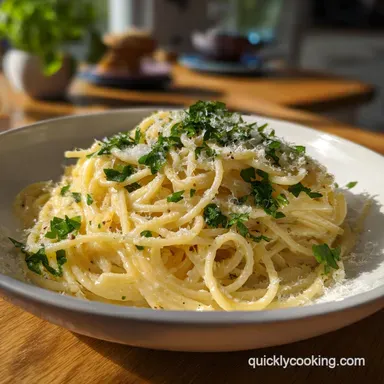
Easy One Pot Creamy Garlic Pasta in 20 Minutes
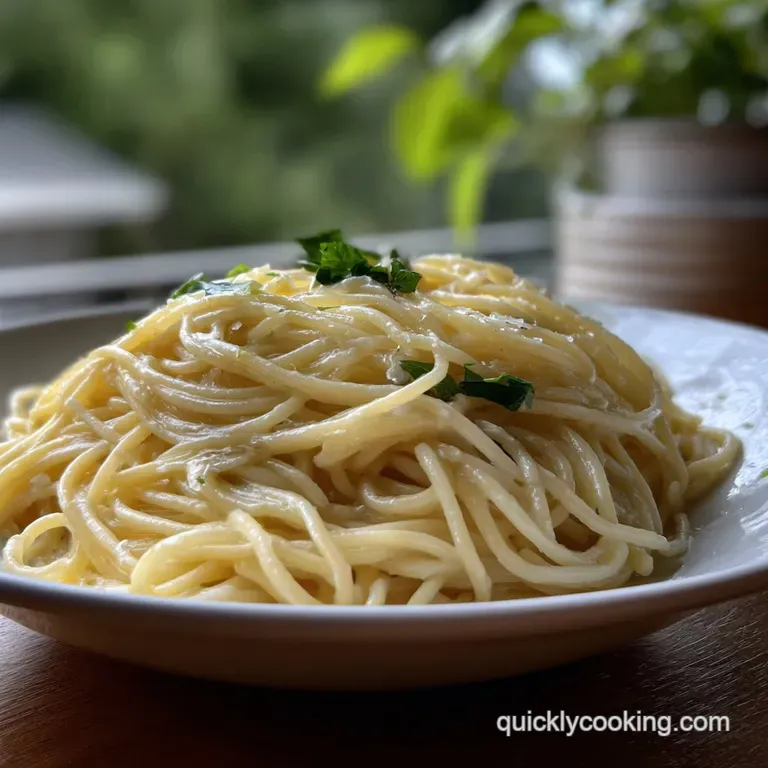
- Total Time: 5 min prep + 15 min cook
- Taste & Texture: Garlicky, thick, and creamy
- Perfect for: Exhausted weeknights or beginner cooks
The sound of butter sizzling in a hot pan is my favorite cue to unwind. There is something about the aroma of garlic hitting hot fat that helps me reset after a stressful day. I remember a particular Tuesday when I was completely drained and the sink was already half full of dishes; the thought of managing a massive pot of boiling water and a messy colander was just too much.
I decided to try a one-skillet method, and it completely changed my approach to pasta night. By cooking the pasta directly in the sauce, I kept all that starchy goodness that usually gets poured down the drain. It's a rapid process, and the cleanup is practically nonexistent.
You'll end up with a dish that tastes sophisticated despite the minimal work involved. This Easy One Pot Creamy Garlic Pasta clings beautifully to the noodles rather than settling at the base of the bowl. It's the perfect comfort food for a jam-packed schedule.
Easy One Pot Creamy Garlic Pasta
The magic here is that we aren't throwing away the pasta water. When you boil noodles in the sauce, the starch releases and stays in the pan, which binds the cream and cheese together.
- Starch Power: The pasta starch acts as a natural thickener, so you don't need flour or a cornstarch slurry.
- Flavor Soak: Because the noodles simmer in broth and cream, they absorb the garlic flavor directly into the pasta itself.
Ingredient Deep Dive
The butter and garlic create the aromatic base. Using a decent amount of garlic is key here, as it's the main flavor profile. The chicken broth provides a savory backbone, while the heavy cream and Parmesan handle the richness.
For the pasta, linguine or spaghetti work best because they have enough surface area to hold the sauce. If you use a shorter pasta like penne, it still works, but the texture changes slightly. I've found that using a small amount of fresh parsley at the end cuts through the richness and wakes up the whole dish.
What Each Ingredient Does
- Unsalted Butter: Provides the fat to sauté garlic and adds a buttery finish. (Substitute: Olive oil for a lighter taste).
- Garlic: The primary flavor. (Substitute: Garlic powder, though fresh is much better).
- Linguine/Spaghetti: The heart of the meal. (Substitute: Fettuccine).
- Chicken Broth: The cooking liquid that adds depth. (Substitute: Vegetable broth).
- Heavy Cream: Creates the creamy base. (Substitute: Half and half, though it'll be thinner).
- Parmesan Cheese: Adds saltiness and thickens the sauce. (Substitute: Pecorino Romano for a sharper tang).
- Salt and Pepper: Basic seasoning to balance the fat.
- Fresh Parsley: Adds a pop of color and freshness. (Substitute: Dried parsley).
| Original Ingredient | Substitute | Why It Works |
|---|---|---|
| Heavy Cream (1 cup) | Half and Half (1 cup) | Lighter fat content. Note: Sauce will be less thick |
| Chicken Broth (4 cups) | Veggie Broth (4 cups) | Similar salt and liquid profile. Note: Keeps it vegetarian |
| Parmesan (1 cup) | Pecorino (1 cup) | Hard salty cheese. Note: Much saltier, reduce added salt |
Recipe Specs
Since we're focusing on speed, I've broken this down into a tight timeline. There is no resting or chilling here, just active heat and assembly.
- 1. Prep (5 min)
- Mince your garlic and grate the Parmesan.
- 2. Cook (12 min)
- Sauté garlic, simmer liquids, and boil the pasta.
- 3. Finish (3 min)
- Stir in the cheese and parsley and serve.
- Garlic
- Sauté for exactly 1-2 minutes until translucent.
- Pasta
- Cook for 8-11 minutes until al dente.
- Thickness
- Let it sit for 3-5 minutes off the heat if the sauce needs to tighten up.
Fast vs. Classic Comparison
| Feature | One Pot Method | Classic Method |
|---|---|---|
| Dish Count | 1 Skillet | 1 Pot + 1 Colander + 1 Pan |
| Sauce Texture | Starch thickened | Emulsion based |
| Total Time | 20 minutes | 30 minutes |
Equipment Needed
This recipe doesn't require specialized equipment. A Dutch oven or a deep skillet is ideal, as the high sides prevent the liquid from splashing over once it begins to bubble. I typically use a 12 inch stainless steel skillet, but a non-stick one is just as effective.
Have a pair of tongs ready for the pasta and a microplane or fine grater for the cheese. Keep in mind that pre-shredded cheese often contains cellulose, which can lead to a grainier sauce. For a perfectly smooth finish, it's best to grate your own block of Parmesan.
From Prep to Plate
Sautéing the Aromatics
Melt the butter in a Dutch oven or deep skillet over medium heat. Stir in the minced garlic and cook for 1-2 minutes until translucent and fragrant. Avoid letting the garlic brown to prevent a bitter taste.
The One Pot Simmer
Stir in the heavy cream, chicken broth, salt, and pepper. Raise the heat to medium high and bring the liquid to a light simmer. Note: Watch the pot closely to ensure the cream does not boil over.
Adding the Pasta
Place the spaghetti or linguine into the simmering base. Stir often until the noodles are fully submerged and separated to ensure the pasta doesn't clump together.
The Main Cook
Let the pasta cook for 8-11 minutes until it reaches an al dente texture. The sauce will thicken and reduce as the pasta releases starch and absorbs the broth.
The Finishing Touch
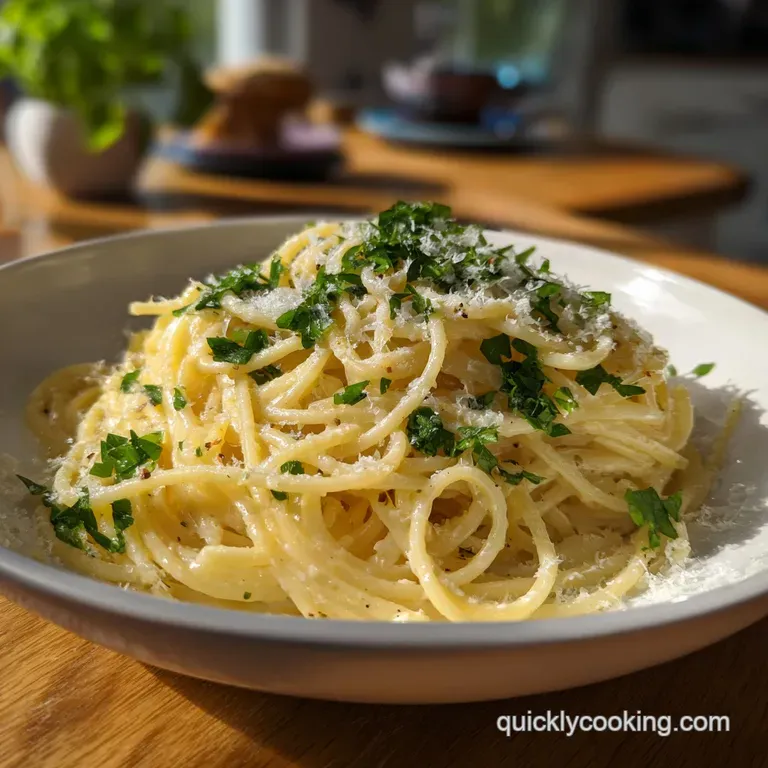
Take the pan off the heat right away. Fold in the fresh parsley and grated Parmesan cheese until the sauce becomes thick and velvety. The remaining heat will perfectly melt the cheese into the mixture.
Chef's Tip: If the sauce is too thick, stir in a bit of extra broth or water. If it seems too thin, let it rest for 3 minutes; the starch will naturally tighten the consistency.
Fixing Common Glitches
The Sauce is Too Thin
This usually happens if you use a pasta brand that doesn't release as much starch. Let the pan sit off the heat for 3-5 minutes. The sauce will thicken as it cools slightly. If it's still too runny, stir in an extra tablespoon of Parmesan.
The Garlic Burned
If the garlic turns dark brown or black, the oil is too hot. Unfortunately, burned garlic tastes bitter, and that flavor carries through the whole pot. Your best bet is to wipe the pan and start over. Use medium heat to keep the garlic soft.
Pasta is Mushy
Overcooking happens quickly in one pot meals because the pasta continues to cook in the sauce after you take it off the heat. Start tasting your pasta 2 minutes before the box says it's done. Pull it off the heat while it still has a slight bite.
Scaling Your Portion
If preparing a portion for only one or two, opt for a smaller pan to keep the liquid from evaporating too quickly. Decrease the cooking time by about 20% as there is less mass in the pan.
If you scale up to a double batch, be careful not to simply double the salt. Start with 1.5x the salt and pepper, then adjust to taste at the end. You'll likely need slightly less liquid (roughly 10% less broth) because the larger quantity of pasta retains more steam.
Use a very large pot so the noodles have enough room to move.
Decision Shortcut
- For more heat: Stir in 1/2 tsp of red pepper flakes with the garlic.
- For a lighter sauce: Substitute heavy cream with half and half.
- For more greens: Fold in two handfuls of baby spinach just before adding the cheese.
Common Pasta Myths
Some people believe you must salt the water heavily to flavor the pasta. In this recipe, that's not true because the noodles cook in seasoned broth. Adding too much salt at the start will make the final dish way too salty as the liquid reduces.
Another myth is that you need to rinse pasta to stop it from sticking. Never do this with a one pot meal. Rinsing washes away the starch that makes the sauce cling to the noodles. Keep that starch in the pan for a better result.
Storage and Zero Waste
Store remaining portions in a tightly closed jar in the refrigerator for up to 3 days. It's normal for the sauce to thicken while chilled. When reheating on the stove or in the microwave, stir in a bit of milk or water to restore the consistency.
Freezing isn't recommended, as the cream may split and the pasta often turns mushy. This meal is best eaten immediately or kept as a cold leftover.
Reduce waste by freezing your Parmesan rinds. Toss them into your next batch of soup or broth for a salty, savory boost. Similarly, finely chop any parsley stems and sauté them with the garlic for more herbal flavor.
Best Pairing Ideas
Since this dish is quite rich, I like to pair it with something acidic or crisp to balance the fat. A simple arugula salad with lemon vinaigrette works great. If you want something heartier, this pairs perfectly with some Sourdough Discard Garlic Knots to soak up the extra sauce.
For a full meal, grill some lemon pepper shrimp or sear a piece of salmon. The citrus notes from the seafood cut right through the creaminess of the pasta.
Customizing Your Bowl
After mastering the basics, you can easily adjust the flavor profile. For a spicy variation, add a pinch of cayenne or some crushed red pepper flakes during the sauté step.
If you're looking for a different kind of richness, try a similar approach with a Cheddar Cheese Sauce recipe by replacing the Parmesan with sharp cheddar.
Mushroom Medley
Sauté sliced shiitake or cremini mushrooms in the butter before adding the garlic. This introduces an earthy flavor that complements the garlic and cream.
Lighter Alternatives
To skip the heavy cream, substitute it with whole milk and increase the amount of Parmesan. While the sauce won't be as thick, it still tastes great.
Vegan Version
Use vegan butter, vegetable broth, and a cashew based cream. To achieve that salty, cheesy finish, use nutritional yeast or a vegan parmesan alternative.
High in Sodium
850 mg 850 mg of sodium per serving (37% 37% of daily value)
The American Heart Association recommends a daily limit of 2,300 mg of sodium for most adults to maintain heart health.
Tips to Reduce Sodium
-
Swap the Broth-30%
Replace the regular chicken broth with low-sodium or no-salt added chicken broth to significantly lower the base sodium level.
-
Omit Added Salt-25%
Remove the 1 tsp of salt entirely; the Parmesan cheese and broth already contribute significant sodium.
-
Reduce Parmesan Cheese-15%
Use half the amount of grated Parmesan cheese or substitute with a smaller portion of a high-quality aged cheese for concentrated flavor.
-
Enhance with Aromatics
Increase the fresh parsley and add a squeeze of lemon juice or extra black pepper to add brightness and depth without adding salt.
Recipe FAQs
Can I swap heavy cream for milk?
Stick with heavy cream for the best results. Milk is too thin to create the velvety sauce this recipe requires.
Why is my pasta clumping?
Stir the noodles frequently while they simmer in the broth. This keeps them separated and ensures they cook evenly.
Do I need to boil the pasta separately for better texture?
False. Cooking the pasta directly in the liquid allows the starch to thicken the sauce naturally.
How to reheat leftover pasta?
Add a splash of milk or water to the pasta before microwaving. This loosens the sauce which naturally thickens in the cold.
Will this dish freeze well?
Avoid freezing this meal. The heavy cream often separates and the pasta becomes mushy upon thawing.
What is the best way to prevent garlic from scorching?
Sauté the minced garlic for only 1 2 minutes over medium heat. Remove it from the heat as soon as it becomes translucent and fragrant.
Is it true that pre-shredded cheese melts better than fresh?
Not true. Freshly grated Parmesan melts more smoothly because it lacks the anti clumping agents found in bagged cheese.
Which appetizers pair best with this pasta?
Serve this with a light side like my velvety hummus. The fresh, nutty flavor balances the richness of the garlic cream sauce.
Creamy Garlic Pasta