Homemade Cheese Bread: Quick and Cheesy

- Time:15 minutes active + 45 minutes baking = 60 minutes total
- Flavor/Texture Hook: Sharp cheddar edges that shatter against a soft, velvety interior crumb.
- Perfect for: Last minute dinner guests, lazy Sunday brunches, or beginner friendly meal prep.
- Mastering Cheese Bread Easy Cheesy Quick Bread
- Why the Crumb Stays Tender
- Accurate Timing and Yield Details
- Ingredient Selection and Smart Swaps
- Streamlined Tools for Busy Cooks
- Executing the Simple Fold Method
- Fixing Common Texture Mistakes Fast
- Delicious Flavor and Herb Variations
- Adjusting for Different Batch Sizes
- Myths About Quick Breads
- Storage and Zero Waste Practices
- Ideal Pairings for Savory Loaves
- Recipe FAQs
- 📝 Recipe Card
Mastering Cheese Bread Easy Cheesy Quick Bread
There is nothing quite like the smell of browning cheddar hitting a hot oven. It starts as a faint, toasted scent and quickly transforms into a rich, savory aroma that fills every corner of the house.
I remember the first time I realized I didn't need to wait three hours for dough to rise just to have a warm slice of bread with dinner. I was rushing to finish a soup and realized we were out of crackers. Ten minutes of mixing later, this loaf was in the oven, and it completely stole the show.
We’ve all been there, staring at a recipe that demands "kneading until smooth" and "rising in a draft free place" when you’re already hungry. This cheese bread easy cheesy quick bread is the antithesis of that stress.
It is a dump and stir miracle that produces a loaf with a craggy, golden crust and an interior so moist it almost feels like a savory cake. The secret isn't in the effort; it's in the way the ingredients react to the heat.
You can expect a slice that is sturdy enough to slather with salted butter but tender enough to pull apart with your fingers. Unlike traditional yeast breads that can sometimes turn out tough or dry if you overwork them, this version thrives on a gentle touch.
It’s efficient, reliable, and frankly, a bit of a kitchen flex when you pull a steaming, professional looking loaf out of the oven in under an hour.
Why the Crumb Stays Tender
Acidic Kick: The lactic acid in the buttermilk reacts instantly with the baking powder, creating a surge of carbon dioxide bubbles that lift the dense batter.
Fat Suspension: Melted butter coats the flour proteins, which limits gluten development and ensures the texture remains velvety rather than bready.
Cheese Insulation: Pockets of shredded cheddar melt during the bake, releasing steam internally which keeps the surrounding crumb from drying out.
Starch Coating: Tossing the cheese in the flour mixture prevents the heavy shreds from sinking to the bottom of the pan.
| Method | Total Time | Final Texture | Best For |
|---|---|---|---|
| Quick Bread | 1 hour | Soft, cake like, dense | Fast weeknight dinners |
| Yeast Bread | 3 hours 30 mins | Chewy, airy, structured | Weekend baking projects |
| Soda Bread | 55 minutes | Crumbly, thick crust | Hearty stews and soups |
Choosing the right method depends entirely on your schedule, but for a high speed win, the quick bread method is unbeatable. If you are looking for something even faster for a crowd, you might want to try these Cheesy Breadsticks which use a similar flavor profile but bake in even less time.
Accurate Timing and Yield Details
| Component | Science Role | Pro Secret |
|---|---|---|
| Buttermilk | Liquid Acid | Use full fat for the richest, most tender internal structure. |
| Baking Powder | Leavening Agent | Ensure it is fresh (less than 6 months old) for maximum lift. |
| Sharp Cheddar | Flavor & Fat | Shred it yourself to avoid the waxy coating on bagged cheese. |
The interaction between these three is what prevents the loaf from becoming a lead weight. By using room temperature buttermilk, you ensure the melted butter doesn't seize up and create clumps, which leads to an uneven bake.
Ingredient Selection and Smart Swaps
For this recipe, we are using a specific set of pantry staples that balance savory spices with rich dairy.
- All purpose flour (375g / 3 cups): Provides the structural base. Why this? It has the right protein content for a soft yet sturdy crumb.
- Baking powder (1 tablespoon): The primary lifter. Why this? It reacts with heat and acid to create immediate volume.
- Salt (1 teaspoon): Enhances every other flavor.
- Garlic powder (1/2 teaspoon): Adds a subtle background hum of umami.
- Onion powder (1/4 teaspoon): Provides sweetness and depth.
- Smoked paprika (1/4 teaspoon): Offers a hint of color and a woody aroma.
- Whole buttermilk (240ml / 1 cup): Must be room temperature. Why this? The acidity is vital for the baking powder's reaction.
- Eggs (2 large): Bind the batter and add richness.
- Unsalted butter (113g / 1/2 cup): Melted and cooled slightly.
- Sharp cheddar (226g / 2 cups): Shredded fresh from the block.
- Fresh chives (2 tablespoons): Finely minced for a bright finish.
| Original Ingredient | Substitute | Why It Works |
|---|---|---|
| Whole Buttermilk | Plain Yogurt + Milk | Mix 3/4 cup yogurt with 1/4 cup milk to mimic the acidity and fat. |
| Sharp Cheddar | Smoked Gouda | Same melting point but adds a deeper, campfire like flavor profile. |
| Unsalted Butter | Neutral Oil | Avocado or canola oil works. Note: You will lose that distinct buttery flavor. |
If you find yourself out of buttermilk, don't panic. You can make a "cheat" version by adding a tablespoon of lemon juice to a cup of whole milk and letting it sit for five minutes. It won't be quite as thick, but the chemistry will still hold up.
Streamlined Tools for Busy Cooks
To keep this as efficient as possible, I recommend using a high-quality 9x5 inch (23x13 cm) loaf pan. A heavy duty metal pan conducts heat more evenly than glass, which helps the edges of the cheese bread easy cheesy quick bread get that signature "shatter" crunch.
You’ll also need two mixing bowls, one large for the dry base and one medium for the wet emulsion.
A silicone spatula is your best friend here. Because we need to be extremely careful not to overwork the dough, a flexible spatula allows you to scrape the bottom of the bowl and fold the ingredients together in just a few strokes.
Avoid using an electric mixer; it’s too powerful and will develop too much gluten, turning your lovely bread into something tough and rubbery.
Executing the Simple Fold Method
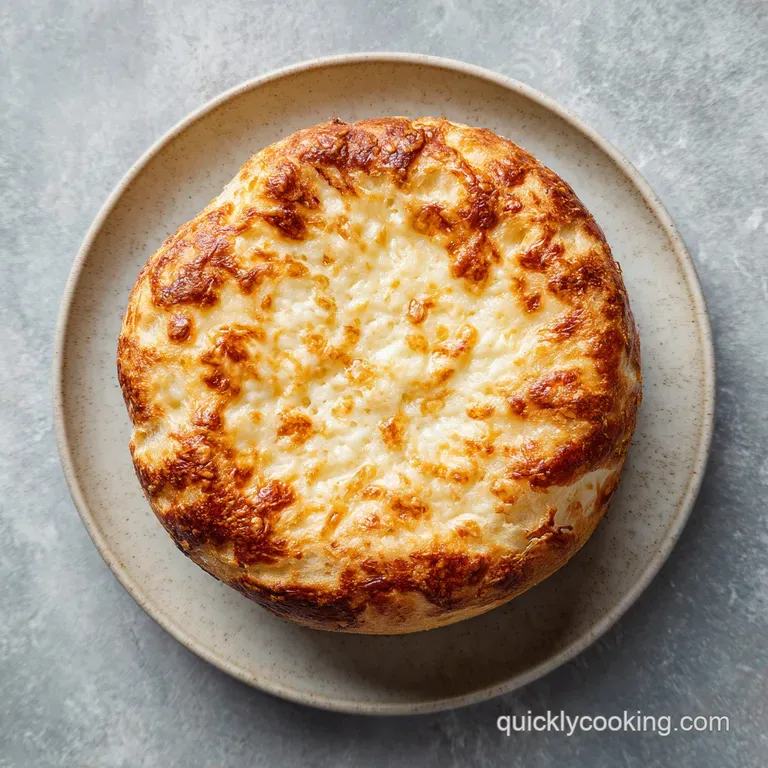
- Preheat your oven to 175°C (350°F) and grease your 9x5 inch loaf pan thoroughly. Note: This ensures the cheese on the sides doesn't stick.
- Whisk the flour, baking powder, salt, garlic powder, onion powder, and smoked paprika in the large bowl.
- Combine the room temperature buttermilk, eggs, and melted butter in the medium bowl until the yellow streaks of egg disappear. The mixture should look fully emulsified.
- Toss 1.5 cups (170g) of the shredded cheddar into the dry ingredients. Note: Coating the cheese in flour prevents it from clumping together in the batter.
- Create a well in the center of the flour cheese mixture and pour in the liquid components.
- Fold the mixture with a spatula until just combined. Stop as soon as the last white streak of flour vanishes.
- Spoon the thick batter into the prepared pan and smooth the top slightly with your spatula.
- Top the batter with the remaining 0.5 cups (56g) of cheese and the finely minced chives.
- Bake for 45 minutes until the top is golden brown and a toothpick comes out clean.
- Rest the loaf in the pan for 10 minutes before moving it to a wire rack. Note: This allows the internal structure to set so it doesn't crumble when sliced.
Fixing Common Texture Mistakes Fast
Why Your Bread is Gummy
If the center of your loaf feels wet or "gummy" while the outside is dark, it usually means the oven was too hot or the buttermilk was too cold. Cold buttermilk prevents the center from reaching the necessary temperature quickly enough.
Why the Loaf Didn't Rise
This is almost always a leavening issue. Baking powder loses its potency over time. If your bread looks like a flat brick, check the expiration date on your tin. Also, make sure you didn't overmix; once the buttermilk hits the powder, the clock is ticking.
| Problem | Root Cause | Solution |
|---|---|---|
| Dry, crumbly texture | Overbaking | Remove from oven as soon as the internal temp hits 93°C (200°F). |
| Tough, rubbery bite | Overmixing the batter | Stop folding the moment the flour is moistened. |
| Cheese all at the bottom | Didn't coat in flour | Toss cheese with the dry ingredients before adding liquids. |
Common Mistakes Checklist
- ✓ Shred your own cheese from a block for a better melt.
- ✓ Use room temperature eggs and buttermilk to keep the emulsion stable.
- ✓ Do not overmix the batter; 12-15 folds is usually plenty.
- ✓ Measure your flour using the "spoon and level" method rather than scooping directly.
- ✓ Check the bread 5 minutes early to avoid a dry loaf.
Delicious Flavor and Herb Variations
If you want to take this base and run with it, the possibilities are endless. For a spicy kick, fold in 2 tablespoons of diced jalapeños (seeds removed) and swap the cheddar for Pepper Jack. The heat from the peppers cuts through the richness of the butter beautifully.
If you're feeling a Mediterranean vibe, use feta cheese and dried oregano instead of cheddar and chives. Throw in half a cup of chopped sun dried tomatoes (blotted dry) for a burst of sweetness. This version is incredible when toasted and served alongside a Greek salad.
- If you want a crunchier top, sprinkle a tablespoon of coarse cornmeal over the cheese before baking.
- If you want a richer flavor, substitute the melted butter with browned butter (be sure to let it cool).
- If you want a breakfast twist, add cooked, crumbled bacon into the batter along with the cheese.
Adjusting for Different Batch Sizes
When cutting this recipe in half, use a smaller 6x3 inch mini loaf pan. You’ll need to beat one egg in a small cup and then use exactly half of it by weight or volume. Reduce the baking time by about 10-15 minutes, as the smaller mass will cook through much faster.
For doubling the recipe, I recommend using two separate 9x5 inch pans rather than one giant one. Large quick breads often struggle to cook in the center before the outside burns. When doubling, you don't need to double the spices exactly, 1.5x the garlic and onion powder is usually enough to maintain the balance without being overwhelming.
| Servings | Pan Size | Cook Time | Ingredient Change |
|---|---|---|---|
| 5 people | 6x3 inch pan | 30-35 mins | Use half an egg and reduce spices by half. |
| 20 people | Two 9x5 inch pans | 45 mins | Rotate pans halfway through the bake. |
Myths About Quick Breads
One common myth is that you must sift the flour for a good quick bread. While sifting helps with lumps, a vigorous whisking of the dry ingredients achieves the same aeration in half the time. Unless your flour is visibly clumpy from humidity, don't waste the extra dish.
Another misconception is that "more leavening equals more lift." If you add too much baking powder, the bread will rise too quickly, the bubbles will pop, and the whole thing will collapse into a dense mess. Stick to the tablespoon measurement, it's the sweet spot for this specific ratio of flour to liquid.
Storage and Zero Waste Practices
Storage: This bread is best on day one, but it stays moist for up to 3 days if wrapped tightly in plastic wrap and kept at room temperature. For longer storage, you can freeze individual slices. Wrap each slice in parchment paper, then place them in a freezer bag for up to 2 months.
You can pop a frozen slice directly into the toaster for a quick snack.
Zero Waste: If the loaf does get a bit stale toward the end of the week, don't toss it. It makes the world's best savory French toast. Dip slices in an egg and milk wash and fry them in butter. Alternatively, tear the leftovers into chunks, toss with olive oil, and bake at 150°C (300°F) until crispy to make high end croutons for Caesar salad. You can also use the leftover heels to create a base for a Garlic Bread Grilled Cheese that will change your lunch game forever.
Ideal Pairings for Savory Loaves
This bread is a natural partner for anything liquid based. A thick slice is the perfect vessel for soaking up the broth of a tomato basil soup or a hearty beef stew. Because the bread is slightly dense, it won't fall apart the second it touches the liquid.
For a more elevated presentation, serve it on a charcuterie board. The sharp cheddar notes pair beautifully with sliced green apples, honey, and salty prosciutto. If you're looking for a full meal idea, try serving it alongside this Broccoli Casserole recipe — the cheese in the bread complements the creamy sauce of the vegetables perfectly.
Finally,, don't underestimate the power of a simple breakfast. A toasted slice of this cheese bread easy cheesy quick bread with a fried egg on top and a dash of hot sauce is the fastest way to feel like you're eating at a fancy bistro without leaving your kitchen.
It's efficient, it's delicious, and most importantly, it's yours.
Recipe FAQs
How do you make 3 ingredient cheesy bread with self rising flour?
This recipe requires specific pantry staples beyond just self-rising flour. To achieve the proper structure and rise, you must use the flour, baking powder, salt, garlic powder, onion powder, smoked paprika, buttermilk, eggs, melted butter, cheddar cheese, and fresh chives as listed in our official
Ingredients.
What are the basic ingredients for quick bread?
Quick breads rely on a balance of dry and wet components. You need flour, leavening agents like baking powder, salt for flavor, and a fat-based liquid emulsion consisting of buttermilk, eggs, and butter to create a tender crumb.
How to make perfect cheese bread?
Toss your shredded cheese in the flour mixture before adding liquids. This simple technique ensures each strand is coated in flour, preventing the cheese from clumping together in the center of the loaf. If you enjoy mastering this texture control, see how the same principle works in our Mozzarella Sticks recipe.
What kind of cheese is best in cheese bread?
Sharp cheddar is the ideal choice for its bold flavor and reliable melt. Ensure you shred the cheese from a block yourself rather than using pre-shredded bags, which contain anti-caking agents that can interfere with the way the cheese melts into the dough.
How to prevent the bread from becoming dense?
Fold the wet and dry ingredients until just combined. Over-mixing develops excess gluten, which turns a tender quick bread into a tough, dense loaf; stop stirring the moment the last streak of flour disappears.
Is it true that I need to preheat my oven to 400 degrees for a better crust?
No, this is a common misconception. You must follow the official instructions and preheat your oven to 350°F (175°C) to ensure the center bakes through evenly without burning the exterior.
How to store leftovers effectively?
Wrap the bread tightly in plastic wrap and store it at room temperature for up to three days. For longer storage, freeze individual slices wrapped in parchment paper and reheat them directly in your toaster.
Easy Homemade Cheese Bread: A 1-Hour Cheesy Quick Bread Recipe