Homemade Cinnamon Rolls: Double-Rise Method

- Total3 Hrs
- Servings12 rolls
- Calories536 kcal
- Time: 30 min active + 27 min cooking + 2 h 3 min resting
- Flavor & Texture: Gooey, buttery, and pillowy
- Perfect for: Weekend breakfast or holiday brunch
Homemade Cinnamon Rolls
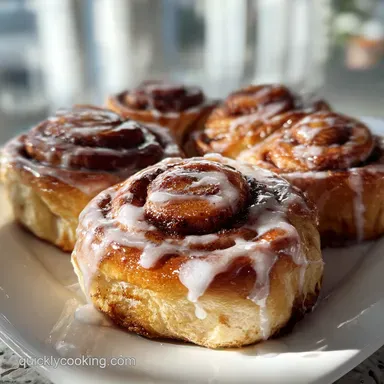
The smell of toasted cinnamon and melting butter hits you before you even open the oven. There is something about a warm, gooey spiral that makes a kitchen feel like a home. When you pull the pan out, the tops should be a deep golden brown, and the frosting starts to melt into the crevices immediately.
These cinnamon rolls aren't the kind that turn into dry bricks by the next morning. I like using a generous amount of butter in the dough, which keeps them soft. The goal is a pillowy texture that yields easily when you pull a roll apart from the batch.
You can expect a rich, buttery dough and a thick cream cheese glaze. It takes a bit of patience for the dough to rise, but the result is a bakery-style treat without needing professional equipment.
Quick Recipe Specs
This version balances a rich flavor with a straightforward method. It avoids complex techniques, focusing instead on temperature and timing.
The process takes about 3 hours total, mostly waiting for the yeast to do its work. Since it's an enriched dough, it feels more like a brioche than a standard white loaf.
Why They Stay Soft
Enriched Dough: Adding milk, butter, and eggs slows down gluten development. This results in a tender, cake-like crumb rather than a chewy bread texture.
Double Rise: Letting the dough rise twice creates air pockets. This makes the rolls light and fluffy.
Ingredients & Substitutes
For the Dough
- 4 cups (500g) all-purpose flour
- 1 cup (240ml) whole milk Why this? Fat in whole milk softens the crumb
- 2 ¼ tsp (7g) active dry yeast
- ½ cup (115g) unsalted butter, softened
- ½ cup (100g) granulated sugar
- 1 large egg, room temperature
- 1 tsp (6g) salt
For the Filling
- ½ cup (115g) unsalted butter, very soft
- 1 cup (200g) light brown sugar, packed
- 2 ½ tbsp (18g) ground cinnamon
For the Cream Cheese Frosting
- 4 oz (115g) cream cheese, softened
- ¼ cup (55g) unsalted butter, softened
- 1 ½ cups (180g) powdered sugar
- 1 tsp (5ml) vanilla extract
- 2 tbsp (30ml) whole milk
| Original Ingredient | Substitute | Why It Works |
|---|---|---|
| Whole Milk | Oat Milk (full fat) | Similar viscosity. Note: May slightly alter the rise |
| Brown Sugar | Coconut Sugar | Similar molasses notes. Note: Grainier texture |
| All-Purpose Flour | AP Flour + 1 tbsp Cornstarch | Softens the crumb further |
Essential Gear
This recipe is perfectly suited for a home kitchen. While a KitchenAid or any standard stand mixer simplifies the kneading process, you can certainly do it by hand if you have the strength.
A 9x13 inch baking pan is ideal for this quantity. Be sure to use parchment paper, as the cinnamon sugar can caramelize and stick to the bottom of the pan.
Step by step Method
Activating the Yeast
Preheat the oven to 350°F (180°C) and line a 9x13 inch baking pan with parchment paper. Combine the warmed milk (110°F) and a pinch of the granulated sugar in a mixer bowl. Sprinkle the active dry yeast over the surface and let sit for 5–10 minutes until a thick, creamy foam forms.
Note: If it doesn't foam, your yeast is dead; start over.
Mixing the Dough
Add the remaining granulated sugar, 115g softened butter, egg, and salt to the yeast mixture. Gradually incorporate the flour one cup at a time using a dough hook on low speed until the mixture clears the sides of the bowl.
Increase to medium speed and knead for 5–7 minutes until smooth, elastic, and slightly tacky.

The First Rise
Shape the dough into a ball. Place it in a lightly greased bowl, cover with a damp cloth, and let it rise in a warm, draft-free spot for 60–90 minutes until doubled in size.
Rolling and Filling
Punch down the risen dough. Roll it out on a floured surface into a 12x18 inch rectangle. Use a pastry brush to spread the 115g very soft butter evenly across the dough. Mix the brown sugar and cinnamon together, then sprinkle the mixture over the butter and press lightly with your palm to adhere.

Shaping and Second Rise
Roll the dough tightly starting from the long edge. Use dental floss or a serrated knife to slice the log into 12 even rolls. Note: Floss cuts through the dough without squashing the roll. Place the rolls in the prepared pan, cover, and let them rise for another 30–45 minutes until puffy and touching.

Baking to Golden Perfection
Bake for 22–27 minutes until the tops are light well-browned and the center reaches an internal temperature of 190°F.

Applying the Frosting
While the rolls are hot, whisk together the cream cheese, 55g softened butter, powdered sugar, vanilla extract, and milk until velvety. Spread the frosting generously over the warm rolls.
Avoiding Kitchen Disasters
When making cinnamon rolls, the most common issues usually stem from yeast temperature or over-baking. If the rolls feel like rocks, they likely stayed in the oven too long.
Fixing Flat Rolls
If the dough doesn't rise, the yeast might be old or the milk was too hot and killed the organisms. Always check for the foam during the bloom phase.
Stopping Burnt Bottoms
The sugar in the filling can burn if the pan is too thin or the oven is too hot. Use a light colored metal pan or a glass dish to distribute heat more evenly.
Preventing Sticky Dough
If the cinnamon roll dough sticks to your hands, resist the urge to add too much extra flour. Too much flour makes the final product dense. Instead, lightly oil your hands.
| Problem | Fix |
|---|---|
| Dough didn't double | Check yeast expiration or move to a warmer spot |
| Bottoms are black | Use parchment paper or a lower oven rack |
| Frosting is lumpy | Soften cream cheese completely before whisking |
Debunking Bread Myths
Many people think you need to "punch down" the dough with force. In reality, you just need to gently press the air out. Aggressive punching can damage the gluten structure you spent 7 minutes kneading.
Another common thought is that you must use a rolling pin for a perfect rectangle. Honestly, using your hands to stretch the dough works just as well and prevents the dough from sticking to the pin.
Storage and Leftovers
Once the frosting has set, seal the cinnamon rolls in a plastic bin and keep them chilled for 72 hours.
For the freezer, you can freeze the rolls after the first rise but before the second. Place them on a tray, freeze until solid, and then move them to a freezer bag. Thaw in the fridge overnight, then let them come to room temperature for 45 minutes before baking.
To reheat, microwave a single roll for 15–20 seconds. This restores the soft, gooey texture.
Ways to Swap
You can easily change the flavor profile of these cinnamon rolls by adding mix-ins. I like adding a handful of chopped pecans to the filling for a nutty crunch. For a bright twist, grate some orange zest into the cream cheese frosting.
If you want something with a different base, these pumpkin sourdough rolls are a great choice. For a loaf version, try pumpkin cinnamon bread.
For those looking for "cinnamon rolls without yeast," you can use baking powder, but the texture will be more like a scone than a pillowy roll. Similarly, "one hour cinnamon rolls" often use a higher concentration of yeast and more sugar, which can make them taste more "yeasty" and less complex than this version.
Serving Tips

Serve these while they are still warm. I prefer plating them on a ceramic dish that has been slightly warmed in the oven. This keeps the frosting from hardening too quickly.
For a professional look, use a spoon to swirl the frosting in a circular motion from the center of the roll outward. This ensures every bite has a balance of glaze and cinnamon sugar.
Frequently Asked Questions
What is the secret to ensuring the rolls are fully baked?
Check that the center reaches an internal temperature of 190°F. This ensures the dough is cooked through while remaining soft.
How to make these cinnamon rolls?
Preheat the oven to 350°F and knead a yeast dough until smooth and elastic. Let it rise twice, fill with cinnamon and butter, then bake for 22–27 minutes.
Can I freeze the dough for later?
Freeze the rolls after the first rise but before the second. Thaw them in the fridge overnight and let them reach room temperature for 45 minutes before baking.
Why use dental floss for slicing?
Floss cuts the dough cleanly without compressing the rolls. A serrated knife is a suitable alternative for the same result.
How should I store the leftover rolls?
Seal them in a plastic bin and keep them chilled for 72 hours. Microwave a single roll for 15–20 seconds to restore the gooey texture.
Cinnamon Rolls with Enriched Dough
Ingredients:
Instructions:
More to Cook

Pumpkin Sourdough Rolls
Fluffy and spiced Pumpkin Sourdough Rolls. This guide explains what each ingredient does for the…

Pumpkin Cinnamon Sourdough Bread: Baked
Ready in 19h 30min, Pumpkin Cinnamon Sourdough Bread features a mahogany crust.

Sourdough Discard Pumpkin Spice Bread
Using 425g of pumpkin puree ensures a rich, moist crumb. This Sourdough Discard Pumpkin Spice Bread…
