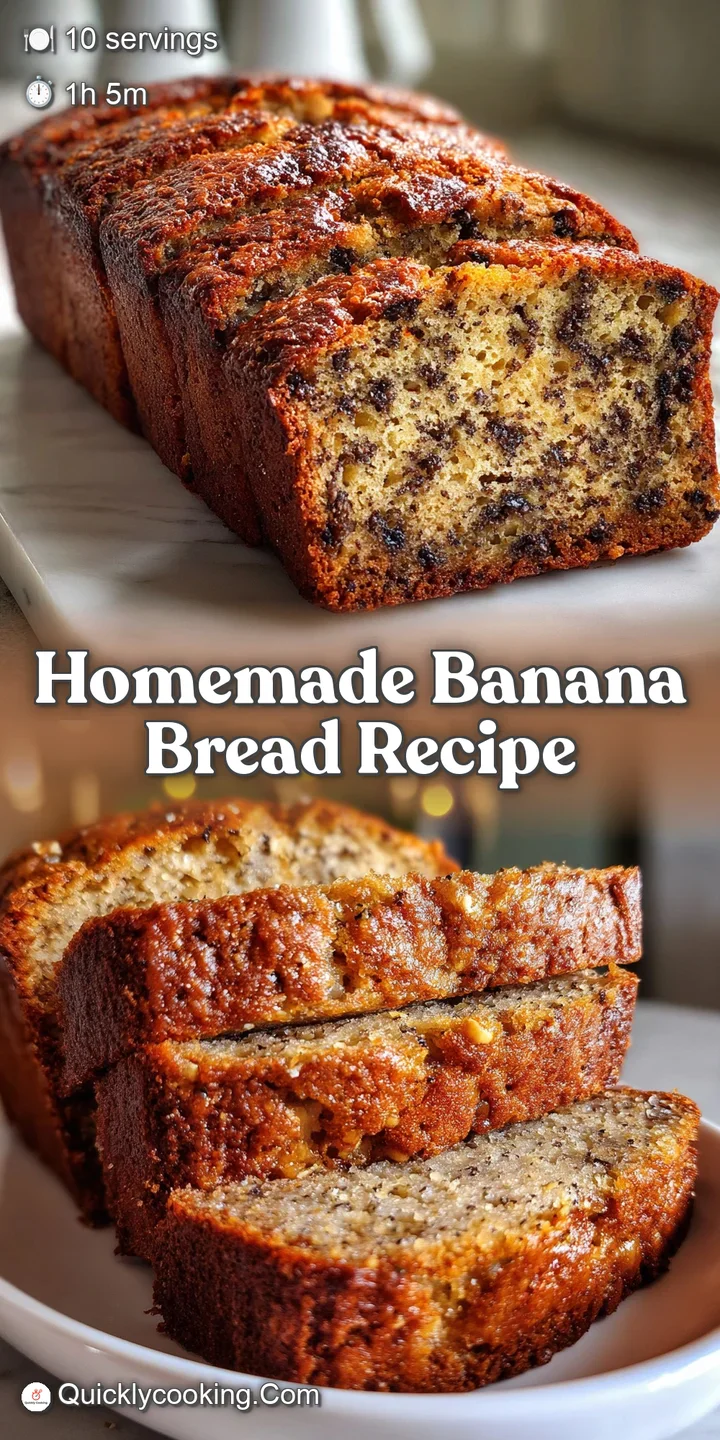
Homemade Banana Bread Recipe: Velvety Crumb
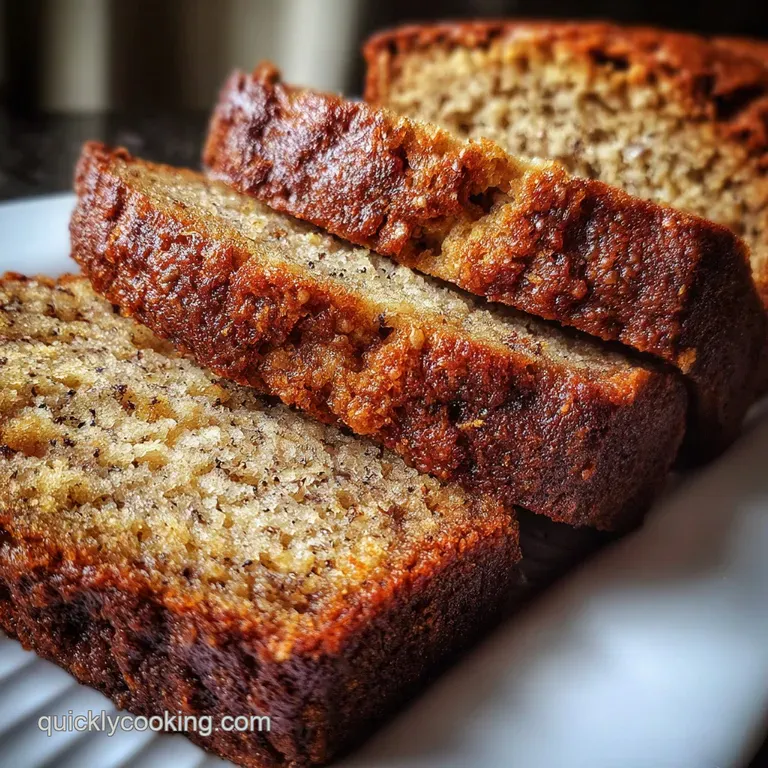
- Time: Active 10 minutes, Passive 55 minutes, Total 1 hour 5 minutes
- Flavor/Texture Hook: Rich caramelized sweetness with a tender, springy crumb
- Perfect for: Busy mornings, meal prep, or clearing out the fruit bowl
- Why This Loaf Wins
- Crucial Timing and Yield Details
- Selecting the Right Ingredients
- Essentials for a Perfect Bake
- The Step-by-Step Method
- Solving Common Baking Problems
- Customizing for Your Needs
- The Truth About Banana Bread
- Keeping Your Bread Fresh
- Perfect Ways to Serve
- FAQ
- Troubleshooting Common Issues
- Recipe FAQs
- 📝 Recipe Card
You know that specific, heavy scent of bananas that have sat on the counter just one day too long? The skins are practically black, and they look like they’re ready for the bin. Stop right there.
That’s actually the smell of sugar developing, and it’s the exact moment you need to pull out your loaf pan. I remember the first time I tried to make a loaf with "just yellow" bananas because I was impatient, and it was a flavorless, starchy disaster.
Since then, I've spent years tweaking this process to make it as fast as possible for my chaotic weekday schedule. We’re going for that deep, mahogany crust and a center that doesn’t sink the moment you pull it out of the heat.
No one has time for a finicky batter, so we're keeping the tools minimal and the efficiency high.
This specific method is about getting that pan into the oven before your coffee even finishes brewing. We are skipping the stand mixer entirely because, honestly, overworking the batter is the fastest way to end up with a rubbery brick.
We want a slice that feels light but substantial, with those little pockets of moisture that only come from perfectly aged fruit. Trust me, once you smell this browning in the oven, you’ll never look at a blackened banana the same way again.
Why This Loaf Wins
If you're looking for a simple 3 ingredient recipe for muffins, you might like my simple 3 ingredient recipe, but for a full, decadent loaf, this is the gold standard. We use a strategic blend of fats to get the best of both worlds.
The Hybrid Fat Magic
Starch Gelatinization: Using oil provides a liquid fat that coats flour proteins better than solid butter, ensuring a silky texture even when cold. The small amount of melted butter is strictly for that nostalgic, rich aroma and Maillard browning on the crust.
- The Acid Base Lift: Baking soda reacts instantly with the natural acids in overripe bananas and dark brown sugar to create immediate carbon dioxide bubbles.
- Hygroscopic Sugar Action: Dark brown sugar contains molasses, which pulls moisture from the air, preventing the bread from drying out as it sits.
- Fruit Pectin Breakdown: Overripe bananas have broken down pectins, which act as a natural emulsifier to keep the crumb tender and uniform.
- Thermal Carryover: The dense batter continues cooking for about 5 minutes after leaving the oven, which is why we pull it just before it looks "bone dry."
| Method | Prep Time | Texture Result | Best For |
|---|---|---|---|
| This Fast Method | 10 minutes | Velvety and dense | Busy weeknights |
| Classic Creaming | 25 minutes | Cake like and airy | Formal brunches |
| Blender Method | 5 minutes | Smooth and uniform | Kid friendly snacks |
Regardless of the method, the key is the temperature of your ingredients. Room temperature eggs are non negotiable if you want a smooth emulsion.
Crucial Timing and Yield Details
This recipe is designed to yield exactly 10 generous slices. If you use a standard 9x5 inch loaf pan, you'll get that iconic domed top without any overflow.
Component Analysis
| Ingredient | Science Role | Pro Secret |
|---|---|---|
| Overripe Bananas | Primary Hydrator | Mash until completely liquid for a more uniform, velvety crumb. |
| Dark Brown Sugar | Humectant | Pack it tightly to ensure the molasses content provides that deep caramel color. |
| Baking Soda | Leavening Agent | Sift it with the flour to avoid bitter, soapy pockets in the finished bread. |
| Canola Oil | Moisture Retention | Choose a neutral oil to let the fruit flavor shine without any greasy aftertaste. |
The interaction between the oil and the dark brown sugar is what creates that almost fudge like interior. If you've ever had a loaf that felt dry the next day, it's usually because it relied solely on butter, which solidifies at room temperature. The oil keeps things supple even 48 hours later.
Selecting the Right Ingredients
For this homemade banana bread recipe, quality matters less than "ripeness." In fact, the "worse" the bananas look, the better the bread tastes.
- 3 medium overripe bananas (370g): Look for skins that are at least 50% covered in brown spots. Why this? Higher sugar content and easier mashing.
- 0.25 cup unsalted butter, melted (56g): Melt this first so it has time to cool slightly. Why this? Adds essential fat and dairy flavor.
- 0.25 cup canola oil (60ml): You can also use vegetable or melted coconut oil. Why this? Guarantees a moist crumb for days.
- 0.75 cup dark brown sugar, packed (150g): Provides more depth than light brown or white sugar. Why this? Adds moisture and a hint of molasses.
- 1 large egg (50g): Make sure it's at room temperature to prevent the butter from seizing. Why this? Binds the structure together.
- 1.5 teaspoons vanilla extract: Use the real stuff, not the imitation "essence."
- 1 teaspoon baking soda: Check the expiration date; old soda won't give you any lift.
- 0.5 teaspoon fine sea salt: Balances the intense sweetness of the fruit.
- 1.5 cups all purpose flour (190g): Measure by weight if possible for consistency. Why this? Provides the necessary protein for structure.
| Original Ingredient | Substitute | Why It Works |
|---|---|---|
| Canola Oil | Applesauce (unsweetened) | Reduces fat content. Note: Result will be much denser and less silky. |
| Dark Brown Sugar | Coconut Sugar | Similar moisture level. Note: Adds a slight toasted nut flavor profile. |
| All Purpose Flour | 1:1 gluten-free Blend | Rice based blends work best. Note: May require 5 extra minutes of baking. |
If you decide to go the gluten-free route, ensure your blend contains xanthan gum, or the loaf will crumble the moment you try to slice it. For a different flavor profile entirely, you might enjoy a Homemade Marble Cake Recipe which uses a similar fat stabilization technique.
Essentials for a Perfect Bake
You don't need a kitchen full of gadgets. I stick to the basics to keep the cleanup fast and the process efficient.
- 9x5 inch Loaf Pan: This is the standard size for the quantities listed.
- Large Mixing Bowl: For mashing the bananas and mixing the wet ingredients.
- Whisk: To ensure the egg and sugars are fully emulsified.
- Rubber Spatula: Essential for folding in the flour without overmixing.
- Parchment Paper: I highly recommend a "sling" for easy removal.
- Wire Cooling Rack: Prevents the bottom of the loaf from getting soggy.
Chef's Tip: If you don't have parchment paper, grease the pan with butter and then dust it with a light coating of granulated sugar instead of flour. It creates a crunchy, shattered glass like crust on the edges that is absolutely addictive.
The step-by-step Method
Preheat your oven to 175°C (350°F). Speed is key here, so get that oven hot before you even touch a banana.
- Prep the pan. Line your loaf pan with parchment paper or grease it thoroughly with butter. Note: A parchment sling makes lifting the hot loaf out much safer.
- Mash the fruit. Place 3 medium overripe bananas (370g) in a large bowl and mash with a fork until no large chunks remain and it looks liquid.
- Incorporate fats. Whisk in 56g of melted butter and 60ml of canola oil until the mixture looks glossy.
- Add sweeteners. Stir in 150g of dark brown sugar, 50g egg, and 1.5 teaspoons of vanilla until the sugar has mostly dissolved.
- Distribute leavening. Sprinkle 1 teaspoon of baking soda and 0.5 teaspoon of fine sea salt over the wet mixture until evenly distributed.
- Fold the flour. Gently fold in 190g of all purpose flour using a spatula until just combined with no white streaks visible.
- Transfer batter. Pour the mixture into the prepared pan and smooth the top with your spatula.
- Bake the loaf. Bake for 55 minutes until a skewer comes out with only a few moist crumbs.
- Cool properly. Let the bread sit in the pan for 10 minutes until the edges pull away slightly, then move to a wire rack.
Monitoring the Internal Temp
If you want to be precise, the internal temperature should reach exactly 95°C (203°F). This ensures the center is fully set without being overbaked. At the 45 minute mark, check the color; if it's darkening too fast, tent it loosely with foil.
Solving Common Baking Problems
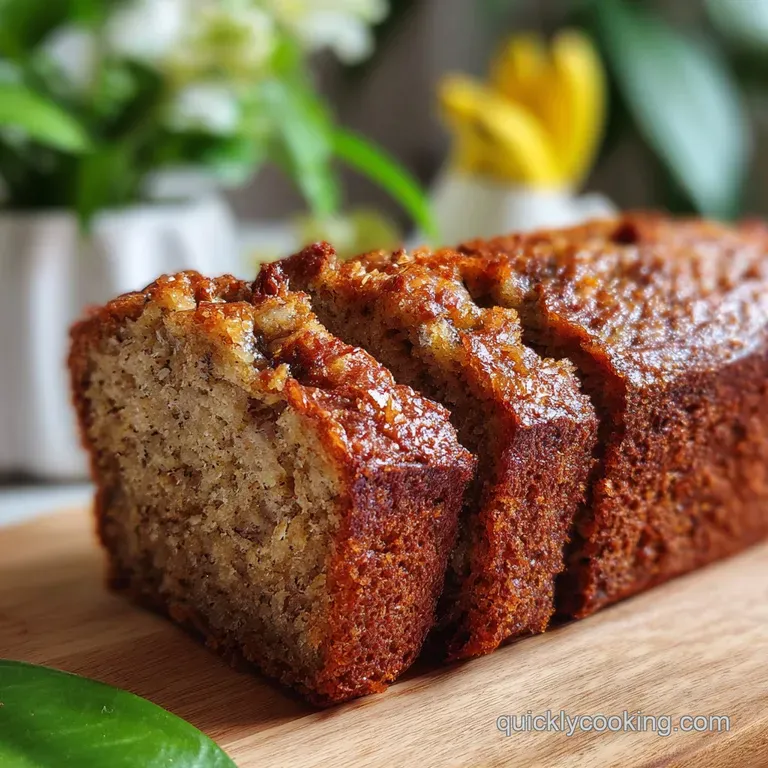
Even with an easy banana bread recipe, things can go sideways if the oven temperature is off or the bananas were too small.
Why Your Bread Sinks
If your loaf looks beautiful in the oven but collapses in the middle as it cools, you likely have one of two issues. Either the leavening agent (baking soda) was expired, or you opened the oven door too early, causing a sudden temperature drop before the structure was set.
Fixing the "Burnt Outside, Raw Inside" Dilemma
This usually happens in ovens that run hot or if the pan is placed too high. If the top is getting too dark but the middle is still liquid, lower the oven temperature by 15 degrees and move the rack to the lower third of the oven.
| Problem | Root Cause | Solution |
|---|---|---|
| Rubbery Texture | Overmixing the flour | Mix by hand with a spatula, never use a high speed electric mixer. |
| Dry Crumbs | Too much flour | Use a kitchen scale to measure 190g rather than using a measuring cup. |
| Greasy Bottom | Underbaked center | Ensure the loaf reaches an internal temp of 95°C before removing. |
Common Mistakes Checklist
- ✓ Using bananas that are still yellow or green (too much starch, not enough sugar).
- ✓ Forgetting to let the melted butter cool slightly before adding the egg.
- ✓ Over measuring the flour by scooping directly from the bag (it packs the flour down).
- ✓ Opening the oven door repeatedly to "check" on progress (it loses heat rapidly).
- ✓ Slicing the bread while it is still piping hot (it needs time to finish setting).
Customizing for Your Needs
This batter is incredibly stable, making it perfect for adaptations. If you want a homemade banana bread recipe with chocolate chips, simply fold in 100g of semi sweet chips at the very end of mixing.
Crafting a Healthy Banana Bread Recipe
To make a healthy banana bread recipe, you can swap the dark brown sugar for half the amount of honey or maple syrup. Note that this will make the batter wetter, so you may need to add an extra 2 tablespoons of flour to compensate.
Replacing half the all purpose flour with whole wheat flour also works well, though the result will be much nuttier and more substantial.
Baking a Homemade Banana Bread Recipe gluten-free
When making this homemade banana bread recipe gluten-free, I recommend adding half a teaspoon of xanthan gum if your flour blend doesn't already include it. gluten-free flours often absorb more moisture, so don't be alarmed if the batter looks thicker than usual. For another kid friendly option, look at this Funfetti Cake for recipe, which also handles gluten-free swaps beautifully.
Scaling the Loaf
- Down (1/2 loaf): Use a mini loaf pan. Reduce baking time by 15-20 minutes. For the egg, whisk it in a small bowl and use exactly 25g.
- Up (2x loaves): Do not double the baking soda; use 1.5x the amount instead (1.5 teaspoons total). Bake in two separate pans rather than one giant one to ensure the middle cooks through. Work in batches to avoid overworking the large volume of batter.
The Truth About Banana Bread
There is a common misconception that you should mash the bananas until they are a chunky paste. For the best homemade banana bread, you actually want to mash them until they are almost a puree.
This allows the fruit to distribute evenly, acting more like a liquid ingredient and ensuring every single bite has the same level of moisture.
Another myth is that you can "ripen" bananas in the oven for 15 minutes to get the same result. While the oven heat does soften the fruit and release some sugars, it does not achieve the same enzymatic breakdown and deep flavor development that natural over ripening on the counter provides.
If you're in a rush, it's a "fine" shortcut, but it won't be the best version of this dish.
Keeping Your Bread Fresh
Once the loaf is completely cool, store it in an airtight container or wrap it tightly in plastic wrap.
- Fridge: This bread stays fresh for up to 5 days in the refrigerator. I actually think the flavor improves on day two as the sugars continue to settle.
- Freezer: You can freeze the entire loaf or individual slices for up to 3 months. Wrap them in a double layer of plastic wrap and then a layer of foil to prevent freezer burn.
- Reheating: For that "just out of the oven" feel, toast a slice and slather it with salted butter. If it's frozen, 20 seconds in the microwave does the trick.
Zero Waste Tips
Don't throw away those banana peels! You can soak them in water for 24 hours to create a potassium rich "tea" for your houseplants. Also, if you have extra overripe bananas but no time to bake, peel them and store them in a freezer bag.
They work perfectly for this recipe once thawed, or you can toss them into a smoothie.
Perfect Ways to Serve
While a plain slice is a classic, you can easily turn this into a decadent brunch item. If you have leftovers, try using thick slices for French toast. The sugar content in the bread caramelizes beautifully in a hot pan.
For a special occasion, you might even pair a slice with a scoop of vanilla bean ice cream and a drizzle of salted caramel. If you’re looking for something a bit more unique for a dessert spread, this Cinnamon Pop Tart Recipe offers a similar warm, spiced flavor profile that guests always love. Whatever you do, make sure you have plenty of butter on hand it's the only way to truly enjoy this loaf.
FAQ
Can I use frozen bananas for this recipe?
Yes, frozen bananas work perfectly. Thaw them completely in a bowl first. Do not discard the liquid that leaches out during thawing; that liquid is packed with concentrated banana flavor and sugar. Whisk it right into the batter along with the mashed fruit.
My banana bread is always too dark on the outside. What am I doing wrong?
This is usually due to the high sugar content in overripe bananas and dark brown sugar. Try moving your oven rack to a lower position. If that doesn't help, loosely cover the top of the loaf with aluminum foil after the first 30 minutes of baking to protect the crust while the center finishes.
Troubleshooting Common Issues
| Issue | Solution |
|---|---|
| Add nuts or chocolate chips | Absolutely. You can add up to 0.5 cup of chopped walnuts, pecans, or chocolate chips. Fold them in at the very end after the flour is incorporated to prevent the batter from becoming too tough. |
| Why did my banana bread turn out dry | The most common cause of dry bread is over measuring the flour. If you scoop flour directly with a measuring cup, it can pack down, leading to as much as 25% more flour than needed. Using a kitchen sc |
| Substitute the canola oil for more butter | You can use all butter (0.5 cup total), but the bread will have a different texture. It will be more fragrant when warm but will become significantly firmer and "drier" feeling at room temperature or |
Recipe FAQs
What is the secret to the best banana bread?
Use extremely overripe bananas, ideally with black skins. These bananas have converted the most starch to sugar, providing intense natural sweetness and moisture. This high sugar level is key to achieving that signature caramelized flavor and tender crumb that sets great bread apart.
What is the number one mistake when making banana bread?
Overmixing the batter after adding the flour. Once flour is incorporated, mixing develops gluten, leading to a tough, rubbery texture. Mix only until the streaks of white flour disappear; a few small lumps remaining are perfectly fine.
What is the secret ingredient in banana bread?
A neutral oil, such as canola oil, mixed with melted butter. The oil ensures the bread stays incredibly moist for days because it remains liquid at room temperature, unlike solid butter which firms up and dries the crumb.
What are the core ingredients of a classic homemade banana bread?
Overripe bananas, flour, dark brown sugar, an egg, baking soda, salt, and a blend of fat (oil and butter). The dark brown sugar is essential as its molasses content adds depth of flavor and acts as a humectant to retain moisture.
How to prevent my banana bread from sinking in the middle?
Ensure your baking soda is fresh and remove the loaf promptly when done. A collapsed center usually means the leavening reaction finished before the structural proteins set, often caused by old soda or opening the oven too early.
Is it true I must use a stand mixer for this recipe?
No, this is a common misconception, and I advise against it. This recipe is designed for minimal equipment; use a whisk and spatula to combine ingredients by hand. This manual control is crucial to avoid overworking the batter, a technique similar to the gentle folding needed for a delicate Chocolate Mousse Cake: Bake in 4 Hours 25 Minutes.
How to make the loaf extra tender, even when cold?
Use a hybrid fat method incorporating both oil and melted butter. The oil coats the flour particles, inhibiting too much gluten formation, which leads to a tender crumb that stays soft even after refrigeration. If you enjoy this textural focus, you should see how we stabilize fat in our Maple Cake Recipe Ready in 1 Hour.
Moist Banana Bread Recipe
Ingredients:
Instructions:
Nutrition Facts:
| Calories | 254 kcal |
|---|---|
| Protein | 3.0 g |
| Fat | 10.6 g |
| Carbs | 37.7 g |
| Fiber | 1.5 g |
| Sugar | 21.2 g |
| Sodium | 230 mg |
