Neapolitan Pizza Dough: Fast Artisan Base
- Time: Active 20 minutes, Passive 5 minutes, Total 25 minutes
- Flavor/Texture Hook: Airy, charred, and shatter crisp
- Perfect for: High speed weeknight dinners or beginner pizza nights
- Achieving Authentic Neapolitan Pizza Dough
- Core Techniques for Better Crust
- High Efficiency Recipe Specs
- Gathering Budget Friendly Essentials
- Essential Tools for Crispy Results
- From Initial Mix to Plate
- Fixing Common Dough Mistakes
- Smarter Ingredient Swaps and Tweaks
- Freeze and Reheat for Speed
- Serve with These Simple Pairings
- Very High in Sodium
- Recipe FAQs
- 📝 Recipe Card
Achieving Authentic Neapolitan Pizza Dough
The first time I tried making Neapolitan Pizza Dough, it was a total disaster. I used a rolling pin like I was making pie crust, and the result was a tough, flat cracker that could have doubled as a frisbee.
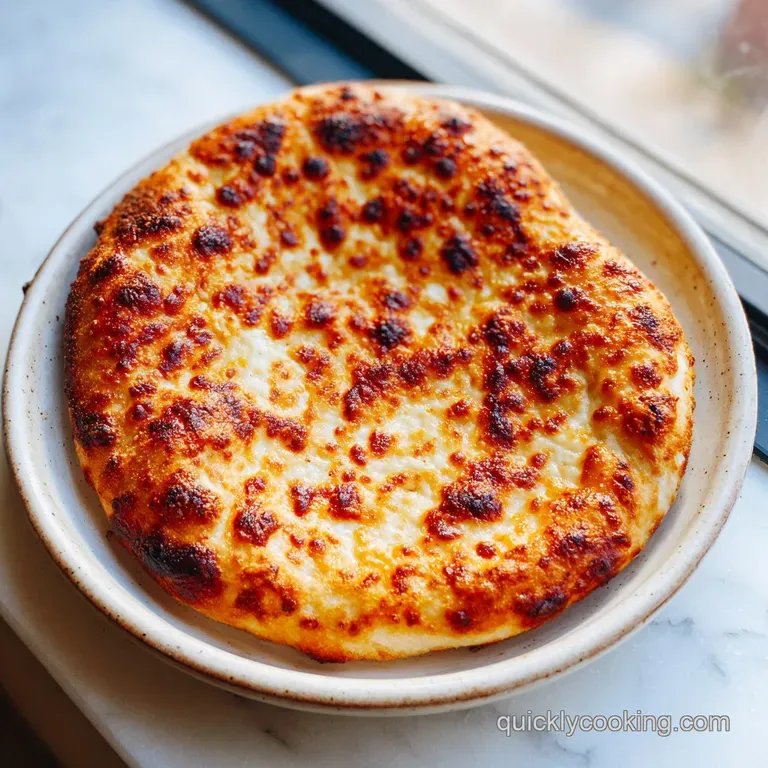
It was a humbling moment in my kitchen, but it taught me that this specific style isn't about brute force; it is about respecting the bounce and the air inside the gluten. When you pull a fresh tray out and see those characteristic charred "leopard spots" on a crust that yields with a distinct shatter, you'll know exactly why we obsess over these specific ratios.
We are aiming for that specific sensory experience: the smell of scorched flour, the sound of a crisp base, and a crumb that feels silky and light rather than dense. This recipe streamlines the process so you can get that wood fired vibe using a standard home oven or a simple stovetop to broiler method.
It is the most efficient route to a professional grade slice without needing a degree in fermentation or a three day window of patience.
Core Techniques for Better Crust
Hydration Ratio: This recipe sits at 65% hydration, which is the sweet spot for home cooks. It provides enough moisture to create steam the engine that puffs up the crust without making the dough so sticky that it becomes unmanageable for beginners.
Gluten Alignment: By using specific folding techniques rather than aggressive kneading, we organize the proteins into a strong, elastic web. This allows the dough to stretch thin enough to see through (the windowpane effect) without tearing, ensuring the center stays light.
Thermal Shock: Achieving a crisp bottom requires hitting the dough with intense heat immediately. Since home ovens lack the 900°F punch of a volcanic stone oven, we rely on preheating our surfaces for at least 45 minutes to store as much energy as possible.
| Method | Time | Texture | Best For |
|---|---|---|---|
| Standard Oven | 8-12 mins | Chewy and golden | Consistent, easy results |
| Stovetop + Broiler | 4-6 mins | Charred and airy | Mimicking a wood fired oven |
| Pizza Stone | 5-7 mins | Very crisp bottom | Artisan style enthusiasts |
This comparison shows that even without fancy gear, you can pivot your method based on the equipment you have. For those who love a bit of a projects after finishing their main course, the same focus on dough structure applies to my Homemade Cinnamon Rolls recipe, which uses a similarly enriched base for a completely different result.
High Efficiency Recipe Specs
| Ingredient | Science Role | Pro Secret |
|---|---|---|
| Tipo 00 Flour | Fine grind allows for high absorption | Sift it once to ensure no clumps for a silky texture |
| Filtered Water | Provides the medium for yeast activity | Use room temp water to keep fermentation speed consistent |
| Fine Sea Salt | Tightens the gluten and controls yeast | Add it last to prevent it from dehydrating the yeast early |
Understanding these components helps you troubleshoot on the fly. If your kitchen is particularly cold, your water can be slightly warmer (around 90°F) to kickstart the activity. If you are planning a full Italian themed dinner party, you might even consider prepping a Pumpkin Cheesecake Recipe for dessert, as the gingersnap crust provides a lovely textural contrast to the soft pizza dough you'll be serving earlier.
Gathering Budget Friendly Essentials
- 600g Italian Tipo 00 Flour: Why this? The fine powder texture creates a silky, extensible dough that stretches beautifully. (Sub: Unbleached Bread Flour for a chewier, heartier bite).
- 390g water: Why this? Filtered water ensures no chlorine interferes with the yeast's natural fermentation process. (Sub: Tap water, let it sit out for 1 hour).
- 18g fine sea salt: Why this? It enhances the wheat flavor while regulating the rate of fermentation. (Sub: Table salt, but use 15% less by weight).
- 2g instant yeast: Why this? It dissolves quickly and acts fast, perfect for a high efficiency bake. (Sub: Active Dry Yeast, but bloom it in water first).
Essential Tools for Crispy Results
You don't need a thousand dollar oven to make great pizza, but a few basics help. A digital scale is non negotiable for this Neapolitan Pizza Dough; measuring flour by the cup is a recipe for a dry, heavy crust because flour settles differently every time.
I prefer using a heavy duty baking steel or a thick stone, but if you're on a budget, an upside down cast iron skillet works brilliantly.
A wooden or metal pizza peel makes the transfer to the heat much smoother. If you don't have one, a piece of parchment paper on the back of a cookie sheet is a classic "home cook hack" that never fails. Just be sure to trim the parchment so it doesn't singe under the broiler.
From Initial Mix to Plate
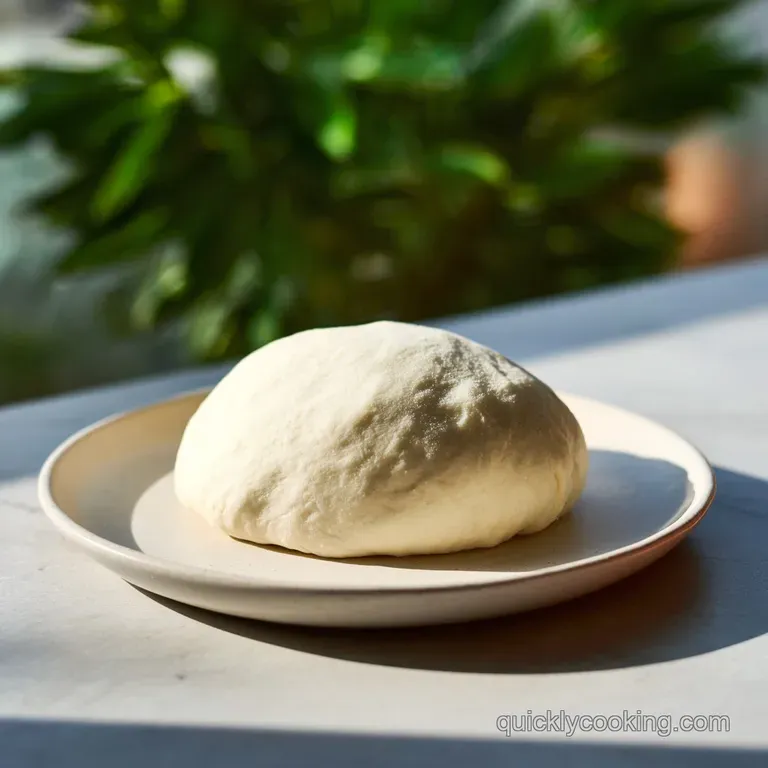
- Combine flour and water. Mix the 600g flour and 390g water in a large bowl until no dry streaks remain. Note: This starts the autolyse process, letting the flour hydrate naturally.
- Let the dough rest. Cover the bowl with a damp cloth for 5 minutes until the shaggy mass looks smoother.
- Add yeast and salt. Sprinkle the 2g yeast and 18g salt over the top and pinch them into the dough until fully incorporated and gritty feeling disappears.
- Perform first folds. Stretch the edge of the dough up and over the center, rotating the bowl until the dough feels bouncy and resists stretching.
- Bulk ferment the mass. Leave the dough in a warm spot for about 10 minutes until it slightly relaxes and feels airy.
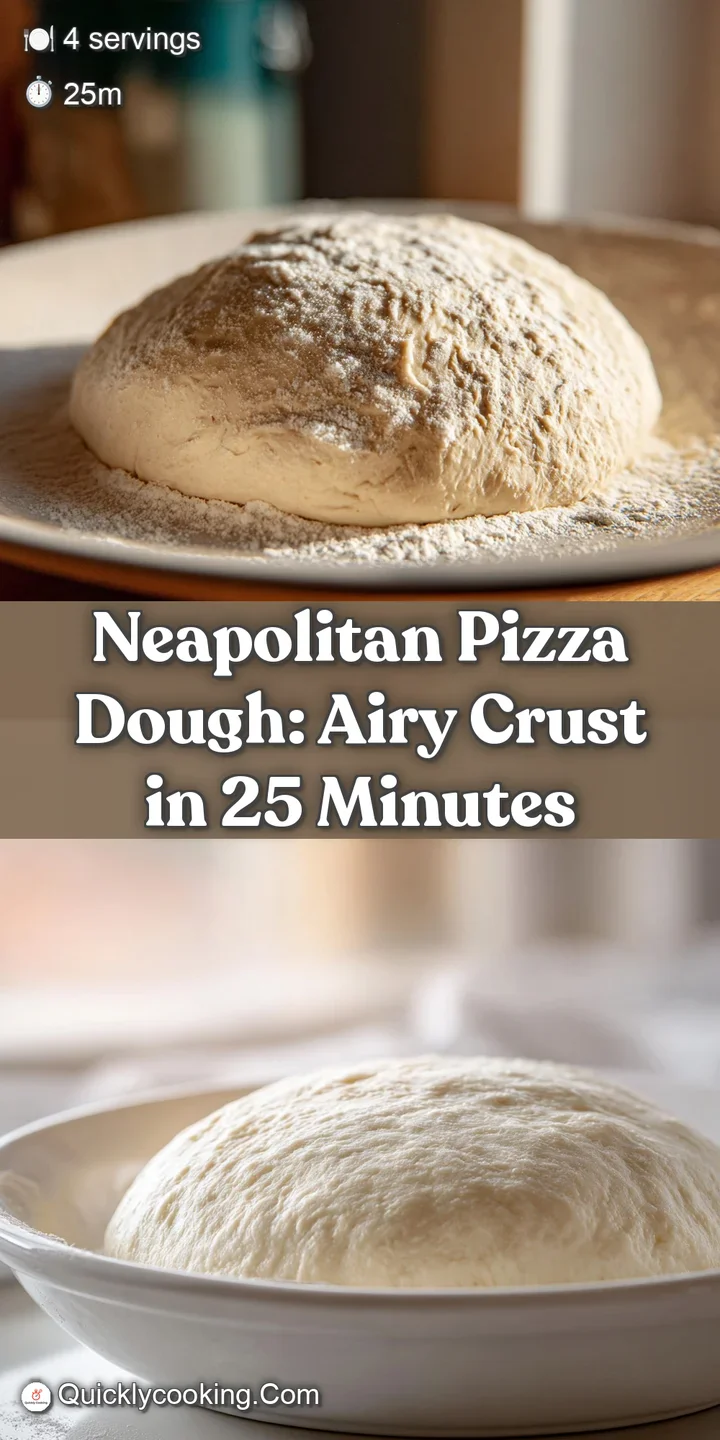
- Divide into portions. Cut the dough into 4 equal pieces (about 250g each) until you have four distinct rounds.
- Ball the dough. Tuck the edges under themselves to create surface tension until the top is smooth and tight.
- Final room proof. Let the balls sit on a floured tray, covered, for 5-10 minutes until they look slightly puffy.
- Stretch the base. Using your knuckles, gently move from the center outward until the dough is roughly 12 inches wide and translucent in spots.
- Bake at high heat. Slide the pizza onto your preheated surface and bake until the crust is charred and the cheese is bubbling.
Fixing Common Dough Mistakes
Dough Snapping Back Quickly
This usually happens because the gluten is too tight or the dough is still too cold. When you try to stretch it and it shrinks back like a rubber band, it's telling you it needs a break. Simply cover it back up and walk away for 10 minutes.
This allows the protein bonds to relax, making it much easier to pull into a thin circle without it fighting you.
Avoiding the Soggy Bottom
A wet, limp center is usually caused by two things: too many watery toppings (like fresh buffalo mozzarella that hasn't been drained) or an oven surface that wasn't hot enough. Always preheat your stone or steel for at least 45 minutes at your oven's highest setting.
If you're using wet toppings, pat them dry with a paper towel first to prevent "pizza soup."
| Problem | Root Cause | Solution |
|---|---|---|
| Large bubbles burning | Air trapped during shaping | Pop giant bubbles before the dough goes into the oven |
| Dough sticking to peel | Surface moisture or too little flour | Use a mix of flour and semolina on the peel for "ball bearing" effect |
| Tough, leathery crust | Over working or low hydration | Handle the dough gently and check your water measurements |
Common Mistakes Checklist
- ✓ Never use a rolling pin; it crushes the air bubbles you worked so hard to create.
- ✓ Don't use "cold" water from the fridge; it puts the yeast to sleep and slows everything down.
- ✓ Always weigh your ingredients; a 10g difference in flour can ruin the hydration balance.
- ✓ Preheat your oven for much longer than you think at least 45 minutes to 1 hour.
- ✓ Avoid over topping; Neapolitan style is about balance, not a mountain of meat.
Smarter Ingredient Swaps and Tweaks
Scaling this recipe is straightforward if you're feeding a crowd or just cooking for one. To scale down, you can halve all measurements, but I recommend beating the yeast into the water first to ensure it's evenly distributed when working with such small amounts.
To scale up for a party (making 8 or 12 pizzas), keep your salt and yeast to about 1.5x the original ratio to prevent the dough from over proofing too quickly in a large batch.
Using Standard Bread Flour
If you can't find Tipo 00, don't sweat it. High protein bread flour is a fantastic substitute. It has a higher gluten content, which means the crust will be slightly chewier and less "melt in-your mouth" than the Italian version, but it still produces a professional result.
Just add an extra tablespoon of water, as bread flour tends to be "thirstier" than 00.
| Original Ingredient | Substitute | Why It Works |
|---|---|---|
| Tipo 00 Flour | Unbleached Bread Flour | High protein provides great structure. Note: Result is slightly chewier. |
| Fine Sea Salt | Kosher Salt | Similar clean flavor profile. Note: Use 1.25x volume if measuring by spoons. |
| Instant Yeast | Fresh Yeast | Traditional flavor. Note: Use 3x the weight of instant yeast. |
If you are looking to save a few dollars, store brand unbleached flour works just as well as the expensive artisan bags, provided the protein content is around 11-12%. The technique is always more important than the brand name on the bag.
Freeze and Reheat for Speed
You can absolutely freeze this Neapolitan Pizza Dough. After the balls are formed and have sat for 5 minutes, lightly coat them in olive oil and place them in individual freezer bags. They will stay fresh for up to 3 months.
When you're ready to bake, move a bag to the fridge 24 hours ahead of time, then let it sit on the counter for 1 hour before stretching.
For reheating leftover pizza, stay away from the microwave it turns the crust into a soggy sponge. Instead, throw a slice into a dry skillet over medium heat for 2 minutes, then add a few drops of water to the pan (away from the pizza) and cover it with a lid.
The steam will melt the cheese while the pan re crisps the bottom to its original glory.
Serve with These Simple Pairings
The beauty of a Neapolitan base is its simplicity. A traditional Margherita only needs crushed San Marzano tomatoes, fresh mozzarella, a few basil leaves, and a drizzle of extra virgin olive oil.
If you want to get creative, try a "white" pizza with ricotta, garlic infused oil, and thinly sliced lemons it’s bright, fast, and always a hit at brunch.
Trust me on this: the simpler the toppings, the more the quality of your dough shines through. If you've followed the steps, you'll have a base that is flavorful enough to eat entirely on its own. Let's crack on and get that oven preheated the best pizza you've ever had is only 25 minutes away.
Very High in Sodium
1744 mg mg of sodium per serving (76% % of daily value)
American Heart Association recommends limiting sodium intake to about 2,300mg per day.
Tips to Reduce Sodium in Your Bread
-
Reduce Salt by Half-25%
Try reducing the amount of fine sea salt in the recipe from 18g to 9g. This simple change can significantly lower the sodium content without drastically altering the flavor profile. Monitor the taste and adjust accordingly in future batches.
-
Use Low-Sodium Sea Salt-15%
Switch to a low-sodium sea salt alternative. Some brands offer sea salt with reduced sodium content while still providing the desired flavor. Read the labels carefully to compare sodium levels.
-
Measure Salt Accurately-10%
Ensure you are accurately measuring the salt using measuring spoons or a kitchen scale. Over measuring salt is a common cause of high sodium content. Precise measurements are key to controlling sodium levels.
-
Enhance Flavor with Herbs
Experiment with herbs and spices like rosemary, thyme, garlic powder (sodium free), or black pepper to enhance the flavor of your bread. These additions can help compensate for the reduced salt and add complexity. Fresh herbs work best.
Recipe FAQs
Is it true that I must use Tipo 00 flour for authentic results?
No, but it is highly recommended. Tipo 00 flour's fine grind creates a silky, highly extensible dough that is key to the classic airy structure.
How to tell if the dough is sufficiently kneaded before proofing?
Stretch a small piece until it becomes thin and translucent without tearing. This "windowpane test" shows the gluten network is properly developed for maximum oven spring.
Can I substitute instant yeast with active dry yeast in this recipe?
Yes, but you must bloom the active dry yeast first. Mix the active dry yeast with a small amount of the recipe's water (around 105°F) and let it sit until foamy before adding it to the dry ingredients.
How to properly stretch the dough without destroying the internal air pockets?
Use your knuckles and fingertips to gently press and spread the dough from the center out. Avoid using a rolling pin, as this crushes the gas, leading to a dense crust; if you enjoyed mastering dough handling here, see how we adapt that skill for our gluten-free Bao recipe.
Why is my dough snapping back quickly when I try to stretch it?
The gluten structure is too tight and needs to relax. Cover the dough immediately and allow it to rest for an additional 10 minutes before attempting to stretch it again.
Is using a pizza stone superior to a baking steel for home ovens?
A baking steel is generally superior due to its higher thermal mass. Steel transfers heat more quickly to the dough base, helping achieve a better "oven spring" and crisp bottom faster than stone.
How many days in advance can I cold ferment the dough balls?
You can safely ferment the dough balls for up to 3 days in the refrigerator. This slow, cold rise deepens the flavor complexity; for another dessert that benefits from slow flavor development, try our Spiced Pumpkin Truffles recipe.
Neapolitan Pizza Dough Quick Artisan
Ingredients:
Instructions:
Nutrition Facts:
| Calories | 548 kcal |
|---|---|
| Protein | 18g |
| Fat | 1.5g |
| Carbs | 110g |
| Fiber | 3.8g |
| Sugar | 0.5g |
| Sodium | 1744mg |
