One Pot Creamy Garlic Pasta: Silky and Savory
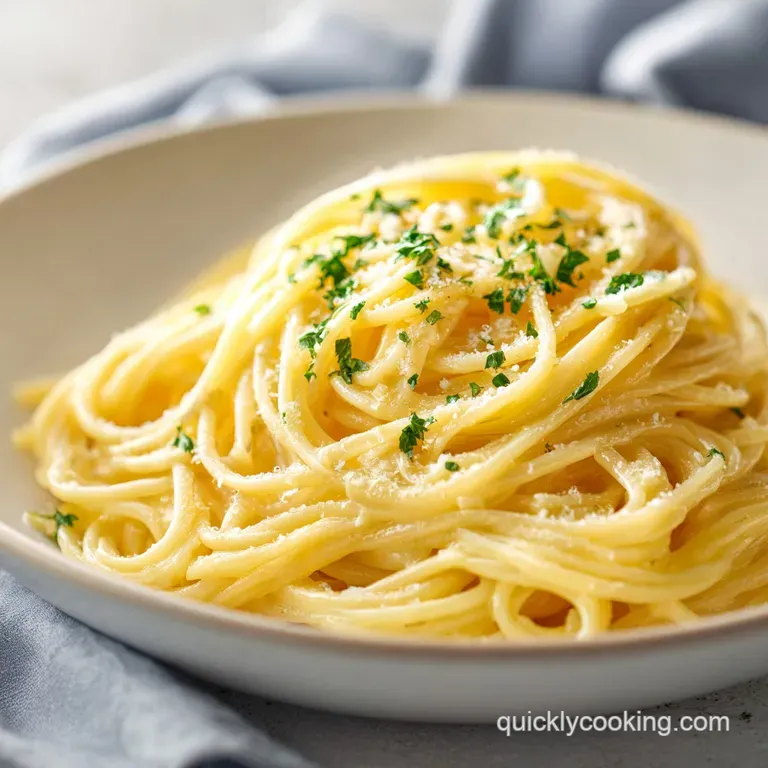
- Time: Active 5 minutes, Passive 15 minutes, Total 20 minutes
- Flavor/Texture Hook: Silky, garlic forward, and velvety
- Perfect for: High efficiency weeknight dinners or budget conscious meal prep
- How to Actually Nail This One Pot Creamy Garlic Pasta
- Vital Recipe Specs for Busy Weeknight Dinner Success
- The Building Blocks for a Silky Restaurant Style Sauce
- Simple Kitchen Equipment Needed for Efficient One Pot Cooking
- Step-by-Step Instructions for a Perfectly Glossy Finish
- How to Fix Common Problems and Salvage Your Sauce
- Creative Twists and Swaps for Smart Budget Cooking
- Scaling for Large Groups or Small Households
- Freezing and Reheating Guide to Keep Pasta Fresh
- Serving Suggestions to Turn Pasta Into a Full Meal
- Very High in Sodium
- Recipe FAQs
- 📝 Recipe Card
How to Actually Nail This One Pot Creamy Garlic Pasta
The first time I tried making a "one pot" dish, I expected a soggy, starchy mess. I was hovering over the stove, watching the broth bubble, convinced the noodles would turn into glue. But then, something clicked. As the liquid reduced, it didn't just disappear, it transformed.
The aroma of eight cloves of garlic hitting that warm butter and olive oil filled my kitchen, smelling less like a quick meal and more like a high end bistro. That specific sizzle, where the garlic turns translucent rather than brown, is the secret to the entire dish.
We've all been there, trying to boil a massive pot of water just to drain away all that precious, starchy liquid. It's a waste of time and energy. This recipe is my manifesto for the busy home cook who wants massive flavor without the mountain of dishes.
We aren't just cooking pasta here; we are building a sauce from the ground up using the very water the noodles live in. It's about efficiency, speed, and knowing exactly when to pull the pan off the heat so the cream doesn't break.
The hero of this show is undoubtedly the garlic, but not just any garlic. We are using a "slow bloom" technique. Most people toss garlic into a scorching hot pan and watch it burn in ten seconds. We start in a cold skillet.
This allows the oils to gently coax the flavor out of the cloves without any of that bitter, acrid aftertaste. When you see those tiny bubbles forming around the minced pieces and smell that sweet, pungent scent, you'll know you've nailed the foundation of this one pot creamy garlic pasta.
Vital Recipe Specs for Busy Weeknight Dinner Success
When we talk about speed, we mean it. This recipe is designed to get you from "I'm hungry" to "this is incredible" in exactly 20 minutes. I've timed it. The prep is minimal, the cook is focused, and the results are consistent. We aren't doing anything fancy, just using smart ratios.
Starch Concentration: By using exactly 4 cups (950ml) of broth for 1 lb (450g) of fettuccine, we ensure the noodles are perfectly al dente just as the liquid hits that 75% reduction mark.
Fat Integration: The combination of butter and olive oil provides a higher smoke point and a richer flavor profile than using either one alone, ensuring the garlic stays golden and sweet.
Emulsion Control: Adding the heavy cream at room temperature prevents the thermal shock that often causes dairy based sauces to "split" or look oily in the pan.
The Cheese Factor: Freshly grated Parmesan contains no cellulose (the stuff they put in pre shredded bags to keep it from clumping), allowing it to melt into the sauce instantly for a velvety finish.
| Method | Time | Texture | Best For |
|---|---|---|---|
| One Pot Stovetop | 20 minutes | Silky and starch rich | Maximum flavor with minimal cleanup |
| Traditional Two Pot | 30 minutes | Light and clean | When you want a very thin, watery sauce |
| Instant Pot | 15 minutes | Soft and uniform | Total "set it and forget it" convenience |
Starting the garlic in a cold pan is a tiny trick that pays huge dividends. It’s the difference between a sauce that tastes like "burnt spice" and one that tastes like "sweet, roasted luxury." If you've ever had a sauce turn out bitter, it's almost always because the garlic got too dark too fast.
The Building Blocks for a Silky Restaurant Style Sauce
The ingredients here are humble, but their roles are structural. We aren't just adding things for taste; we're adding them for the physics of the sauce. The chicken broth provides the savory depth, the pasta provides the starch (our natural thickener), and the cream provides the body. For another take on this flavor profile, you might want to look at my Creamy Garlic Pasta which uses a slightly different liquid to starch ratio.
| Ingredient | Science Role | Pro Secret |
|---|---|---|
| Fettuccine (450g) | Starch Provider | Don't rinse it! The surface starch is what creates the creamy sauce. |
| Chicken Broth (950ml) | Flavor Substrate | Use low sodium so you can control the final seasoning perfectly. |
| Parmesan (1 cup) | Emulsifier & Salt | Grate it yourself on a microplane for the fastest, smoothest melt. |
The choice of fettuccine is intentional. The wide, flat surface area of the noodle is designed to catch and hold onto the sauce. Thinner noodles like angel hair can get lost in the cream, while thicker ones like rigatoni might not release enough starch in the short cooking window to thicken the broth effectively.
For the Pasta Base
- 1 lb (450g) dry fettuccine: This provides the structure and the essential thickening starch.
- 4 cups (950ml) low sodium chicken broth: This is our cooking medium. Using broth instead of water infuses the pasta with flavor from the inside out.
- 1/2 tsp sea salt: Just enough to enhance the wheat flavor of the noodles.
For the Creamy Emulsion
- 2 tbsp unsalted butter: Adds a rich, nutty base and helps the garlic bloom.
- 1 tbsp extra virgin olive oil: Keeps the butter from browning too quickly and adds a peppery finish.
- 8 cloves garlic, minced: The soul of the dish. Don't skimp; the slow bloom keeps it from being overwhelming.
- 1 cup heavy cream: Use room temperature to ensure it blends smoothly without curdling.
- 1 cup freshly grated Parmesan cheese: The ultimate savory binder.
Simple Kitchen Equipment Needed for Efficient One Pot Cooking
Efficiency starts with the right tools. For this dish, you want a wide, deep skillet or a Dutch oven. A standard small saucepan won't work because the pasta needs room to submerge, and we need a large surface area for the liquid to evaporate at the right speed.
I usually reach for a 12 inch stainless steel skillet or my trusty 5 quart Dutch oven.
You'll also need a solid pair of tongs. Since we're stirring frequently to prevent the starch from sticking to the bottom of the pan, tongs allow you to lift and rotate the fettuccine strands without breaking them. A microplane or a fine box grater is also non negotiable for the cheese.
If the cheese pieces are too large, they won't melt fast enough, and you'll end up with clumps of rubbery protein instead of a smooth sauce.
Finally, have a small bowl ready for your minced garlic and parsley. Because this recipe moves fast once the broth starts boiling, you don't want to be chopping while the pasta is overcooking. Professional chefs call this "mise en place," but I just call it "not stressing out in the kitchen."
step-by-step Instructions for a Perfectly Glossy Finish
1. Bloom the Aromatics
Place the 2 tbsp butter, 1 tbsp olive oil, and 8 cloves of minced garlic into a cold skillet. Turn the heat to medium and sauté for 2 to 3 minutes until the garlic is translucent and aromatic. Using this slow bloom method ensures the garlic infuses the fat without burning.
Add the 1/2 tsp red pepper flakes in the last 30 seconds for a gentle heat.
2. The Liquid Foundation
Pour the 4 cups of chicken broth and 1/2 tsp sea salt into the skillet. Crank the heat up to high and bring the mixture to a rolling boil. You want to see big, active bubbles before the pasta goes in.
3. Submerge and Simmer
Add the 1 lb of dry fettuccine to the boiling liquid. Use your tongs to press the noodles down until they are fully submerged. If they're too long for the pan, wait 30 seconds for the submerged ends to soften, then gently nudge the rest into the liquid.
4. The Reduction Phase
Reduce the heat to medium low and simmer for 8 to 10 minutes. You must stir frequently, especially in the first few minutes, to prevent the noodles from clumping together. Cook until the liquid has reduced by approximately 75% and the remaining broth looks cloudy and thick.
5. Incorporate the Dairy
Take the pan off the direct heat. This is a critical checkpoint to prevent curdling. Pour in the 1 cup of room temperature heavy cream and stir vigorously. The residual heat from the pasta will start to thicken the cream.
6. The Cheese Melt
Sprinkle in the 1 cup of freshly grated Parmesan and 1/4 tsp black pepper. Continue to stir off the heat for 1 to 2 minutes until the sauce emulsifies into a smooth, velvety coating that clings to the noodles.
7. Final Flourish
Taste the sauce. The Parmesan and broth add significant salt, but you might want a pinch more. Toss in the 1/4 cup of chopped fresh Italian parsley.
8. Serve Immediately
Plate the pasta while it’s still piping hot. As it sits, the starch will continue to absorb the moisture, so serving it right away ensures the best texture.
How to Fix Common Problems and Salvage Your Sauce
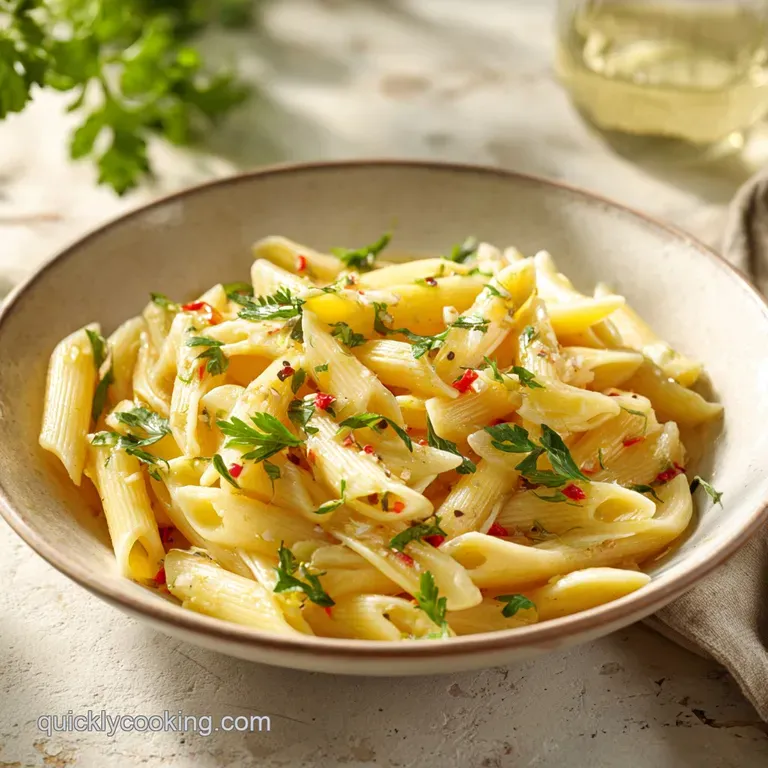
Even with a simple recipe, things can go sideways. The most common issue with one pot pasta is the texture of the sauce. If you find your liquid is disappearing too fast before the noodles are tender, your heat is likely too high. Simply add another splash of broth or warm water to keep the cooking going.
On the flip side, if the noodles are done but the pan is still a soup, turn the heat up for sixty seconds of aggressive boiling to flash evaporate the excess water.
Why Your Sauce Broke or Clumped
A "broken" sauce looks oily or grainy. This happens when the fat separates from the liquid, usually due to extreme heat or using pre shredded cheese. If this happens, don't panic. Add a tablespoon of very hot pasta water (if you have any left) or a splash of warm cream and whisk like your life depends on it.
The extra moisture and agitation can sometimes pull the emulsion back together.
| Problem | Root Cause | Solution |
|---|---|---|
| Gummy Noodles | Not enough stirring | Stir every 60 seconds to break up starch pockets. |
| Bland Flavor | Low quality broth | Add a squeeze of lemon juice or extra Parmesan at the end. |
| Oily Sauce | Heat was too high when adding dairy | Remove from heat entirely before stirring in cheese and cream. |
If you are looking for a way to bulk this up, my Garlic Shrimp with Rice uses a similar aromatic base that pairs beautifully with these troubleshooting tips.
Common Mistakes Checklist
- ✓ Never use cold cream directly from the fridge; let it sit on the counter for 15 minutes.
- ✓ Avoid pre shredded cheese at all costs; the anti clumping agents will ruin your emulsion.
- ✓ Don't walk away from the stove; one pot pasta requires active stirring to stay smooth.
- ✓ Check your pasta "doneness" at the 8 minute mark; different brands cook at different speeds.
- ✓ Use a wide enough pan; if the pasta is crammed in, it will cook unevenly.
Creative Twists and Swaps for Smart Budget Cooking
This recipe is incredibly flexible. If you don't have fettuccine, linguine or spaghetti work just as well. The key is maintaining that liquid to pasta ratio. If you're on a tight budget, you can swap the heavy cream for whole milk mixed with a teaspoon of cornstarch, though the result will be slightly less decadent.
| Original Ingredient | Substitute | Why It Works |
|---|---|---|
| Chicken Broth | Vegetable Broth | Same volume, makes the dish vegetarian friendly. |
| Heavy Cream | Full fat Greek Yogurt | Adds a tangy creaminess. Note: Add off the heat to prevent curdling. |
| Parmesan | Pecorino Romano | Hard sheep's milk cheese that adds a saltier, funkier punch. |
For a protein heavy version, toss in some leftover rotisserie chicken or sautéed shrimp at the very end. If you want a vegetable twist, stir in two handfuls of baby spinach during the last minute of simmering; the steam from the pasta will wilt it perfectly without needing a separate pan.
Scaling for Large Groups or Small Households
Scaling a one pot meal is a bit more scientific than a traditional recipe. If you want to cut this in half for a solo dinner, use a smaller pan (like an 8 inch skillet) and reduce the liquid and pasta proportionally.
The cook time will stay roughly the same, but keep an eye on the evaporation rate, as smaller pans can sometimes dry out faster.
When doubling the recipe for a crowd, you'll need a very large pot or a wide braiser. Don't just double the salt and red pepper flakes immediately; start with 1.5 times the amount and adjust at the end. Spices can become overwhelming when doubled.
Also, be aware that a larger volume of liquid takes longer to reach a boil, so your total time might increase by 5 to 7 minutes.
If you find yourself with leftovers, remember that pasta continues to absorb liquid as it cools. When you go to reheat it, you'll likely need to add a splash of milk or water to loosen the sauce back into its original silky state.
Freezing and Reheating Guide to Keep Pasta Fresh
I'll be honest: creamy pasta is always best eaten immediately. However, life happens. You can store leftovers in an airtight container in the fridge for up to 3 days. To reheat, I recommend the stovetop over the microwave. Place the pasta in a small pan with a splash of milk or broth over medium low heat.
Cover it for a minute to let the steam penetrate the noodles, then stir gently until the sauce becomes glossy again.
Freezing this dish is possible, but not ideal. The cream and cheese can sometimes separate during the thawing process, leading to a grainy texture. If you must freeze it, do so in individual portions.
To revive it, thaw it completely in the fridge overnight and reheat it slowly on the stove with a bit of extra cream to help re emulsify the fats.
Zero Waste Tips
Don't toss those parsley stems! Chop them finely and sauté them right along with the garlic for extra herbal depth. If you have a Parmesan rind left over, throw it into the broth while the pasta simmers. It adds an incredible umami boost that you can't get from the grated cheese alone.
Just remember to fish it out before serving!
Serving Suggestions to Turn Pasta Into a Full Meal
While this one pot creamy garlic pasta is a powerhouse on its own, it loves a good sidekick. A simple arugula salad with a lemon vinaigrette is the perfect acidic counterpoint to the rich, heavy sauce. The bitterness of the greens cuts through the cream and refreshes your palate between bites.
If you want to go the classic comfort route, you can't go wrong with crusty garlic bread. Since the oven isn't being used for the pasta, it's the perfect time to toast some baguette slices with more butter and herbs.
For a more balanced plate, roasted broccoli or charred asparagus adds a nice crunch and a pop of color that makes the whole meal feel more complete.
I also love serving this with a crisp white wine, like a Pinot Grigio or a Sauvignon Blanc. The bright acidity in the wine mimics the role of the lemon juice, lifting the flavors of the garlic and parmesan and making the whole experience feel a little more like a celebration and a little less like a "quick Tuesday night dinner." Regardless of how you serve it, the goal is the same: maximum flavor with minimum effort.
Trust me, once you master the one pot method, you'll find it hard to go back to the old way. Let's get cooking!
Very High in Sodium
1125 mg 1125 mg of sodium per serving (49% 49% of daily value)
The American Heart Association recommends limiting sodium intake to no more than 2,300mg per day, with an ideal limit of 1,500mg per day for most adults.
Tips to Reduce Sodium
-
Swap Broth-30%
Replace the 4 cups of low-sodium chicken broth with homemade unsalted broth or a no-salt added vegetable broth. This is the biggest sodium contributor.
-
Omit Added Salt-25%
Completely omit the 1/2 tsp of sea salt. The Parmesan cheese already adds significant saltiness to the dish.
-
Reduce Cheese-15%
Cut the amount of freshly grated Parmesan cheese by half to 1/2 cup. Parmesan is naturally high in sodium.
-
Boost Aromatics
Increase the amount of garlic to 10-12 cloves and add more red pepper flakes. This will enhance flavor without adding sodium.
-
Fresh Herbs
Use the fresh Italian parsley as is. Fresh herbs are a great way to add flavor and aroma without any sodium.
Recipe FAQs
Is it true I must boil the pasta separately to get the right texture?
No, this is a common misconception. Cooking the pasta directly in the chicken broth allows the starch to release into the liquid, creating a naturally thickened, velvety sauce that clings to the noodles.
How to prevent the garlic from burning during the initial saute?
Start with a cold skillet using the slow bloom method. Placing the butter, olive oil, and minced garlic in the pan before turning the heat to medium ensures the garlic warms gradually, becoming translucent and aromatic without reaching a bitter, burnt state.
How to ensure the sauce becomes thick and creamy rather than watery?
Simmer until the liquid reduces by approximately 75%. Stir frequently to encourage the release of starch, which transforms the broth into a thick base before you stir in the heavy cream and Parmesan cheese.
How to achieve a perfectly smooth emulsion?
Stir the heavy cream and Parmesan off the high heat for 1 2 minutes. If you enjoyed mastering this creamy emulsion, you can apply similar logic to our hearty tortellini soup to achieve balanced, silky broth textures.
Can I use pre-grated cheese for this recipe?
No, stick with freshly grated Parmesan. Pre-grated varieties contain anti caking agents that prevent the cheese from melting into a smooth, emulsified sauce, leading to a grainy texture instead.
How to fix pasta that is sticking to the bottom of the pan?
Stir frequently throughout the 8 10 minute simmering process. Because this is a one-pot method, active stirring is essential to prevent the dry pasta from bonding to the skillet base as the liquid evaporates.
Is it necessary to bring the heavy cream to room temperature before adding?
Yes, use room temperature cream to prevent the sauce from breaking. Adding cold cream to a hot, simmering pan can cause the sauce to separate or curdle, preventing that signature glossy finish.
One Pot Creamy Garlic Pasta
Ingredients:
Instructions:
Nutrition Facts:
| Calories | 796 kcal |
|---|---|
| Protein | 24 g |
| Fat | 37 g |
| Carbs | 88 g |
| Fiber | 3.2 g |
| Sugar | 2.1 g |
| Sodium | 1125 mg |
