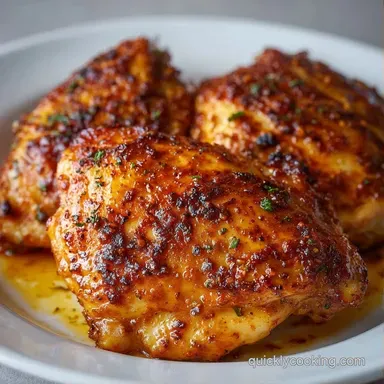
Pan Fried Chicken Thighs: Crispy and Golden
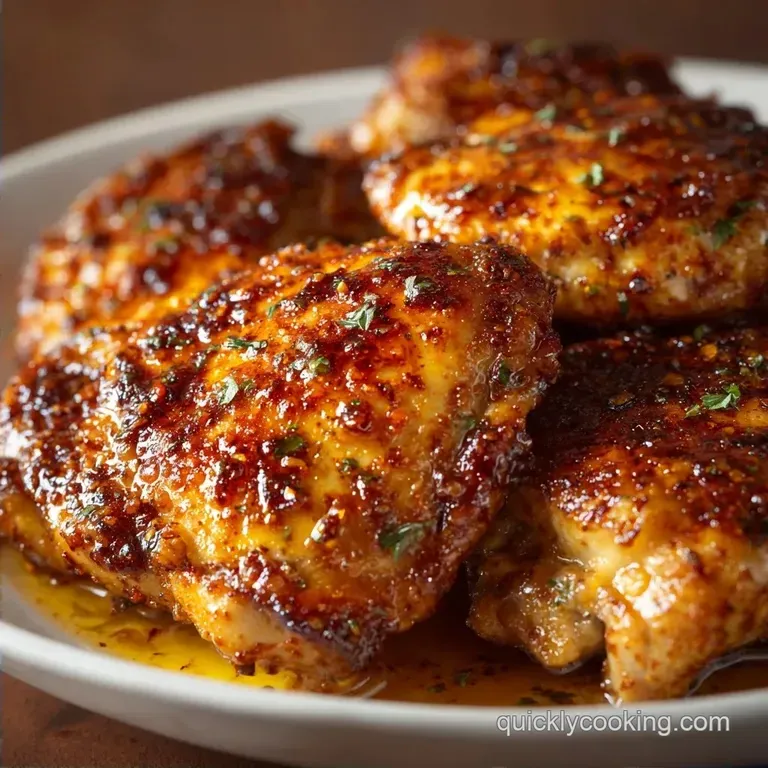
- Time: 5 min active + 15 min cook
- Flavor/Texture Hook: Deeply browned, crackling skin with aromatic garlic butter
- Perfect for: Fast weeknight dinners or high protein meal prep
Pan fried Chicken Thighs
There is nothing worse than biting into a piece of chicken and getting a rubbery, steamed skin instead of a crunch. It happens when you crowd the pan or put the meat in before the oil is hot enough, essentially boiling the chicken in its own juices.
I used to make that mistake constantly until I started treating the skin like a steak. The trick is removing every drop of moisture and letting the meat sit undisturbed.
You can expect a meal that feels like it came from a bistro but takes less than half an hour. These pan fried Chicken Thighs are all about efficiency and high heat.
Why This Method Works
- Dry Skin: Water on the surface creates steam, which blocks browning. Patting the meat bone dry allows the fat to render immediately.
- Cold Butter Basting: Adding butter at the end prevents it from burning while the foaming action pushes garlic and thyme flavors deep into the crust.
- The Rest: Letting the meat sit for 5 minutes stops the juices from running out the moment you slice into it.
| Method | Time | Texture | Best For |
|---|---|---|---|
| Stovetop | 25 min | Hard crunch | Fast results |
| Oven | 45 min | Even render | Large batches |
Ingredient Deep Dive
| Ingredient | What It Does | Best Swap |
|---|---|---|
| Avocado Oil | High heat base | Grapeseed oil |
| Unsalted Butter | Flavor and browning | Salted butter (reduce salt) |
| Garlic Powder | Base seasoning | Onion powder |
| Fresh Thyme | Aromatic finish | Dried thyme (use less) |
The Shopping List
- 4 (170g) bone in, skin on chicken thighs Why this? Bone in stays juicier during over high heat frying
- 1 tsp (6g) kosher salt
- ½ tsp (3g) cracked black pepper
- 1 tsp (3g) garlic powder
- ½ tsp (2g) smoked paprika
- 1 tbsp (15ml) avocado oil Why this? Won't smoke or burn at high temps
- 2 tbsp (28g) unsalted butter
- 3 cloves (9g) garlic, smashed
- 2 sprigs (4g) fresh thyme
Essential Kitchen Tools
You need a heavy bottomed skillet, preferably cast iron or stainless steel. These hold heat better than non stick pans, which helps keep the skin from sagging. A pair of sturdy tongs is a must for pressing the meat down.
If you have a wire rack, use it for the resting phase so the bottom of the skin doesn't get soggy from the plate's condensation.
Cooking Process Steps
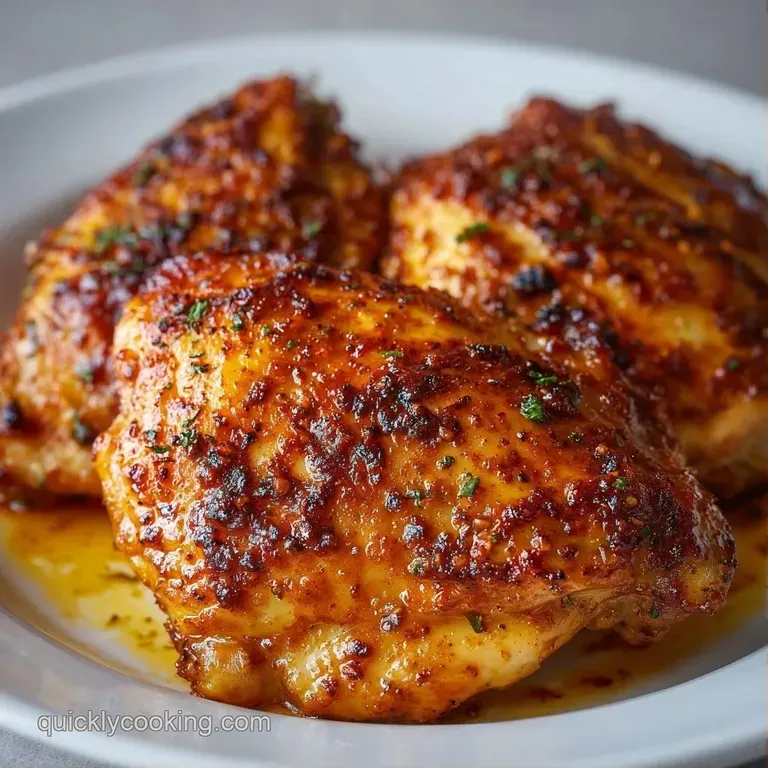
- Pat the chicken thighs bone dry with paper towels to remove surface moisture. Note: Even a little water prevents a good sear
- Season generously on both sides with salt, pepper, garlic powder, and paprika.
- Heat avocado oil in a heavy bottomed skillet over medium high heat until shimmering.
- Place thighs skin side down and press lightly with tongs.
- Fry without moving for 7–9 minutes until the skin is deep golden brown and releases easily.
- Flip the thighs to the flesh side and reduce heat to medium.
- Add unsalted butter, smashed garlic, and thyme to the pan.
- Spoon the foaming aromatic butter over the crispy skin for 2 minutes.
- Continue cooking for 5–7 minutes until the internal temperature reaches 165°F (74°C).
- Transfer the chicken to a plate or wire rack and let the meat rest for 5 minutes.
Tips and Pitfalls
If you're looking for a different way to get that crunch without the stovetop mess, you might try some air fryer chicken thighs. But for that butter basted finish, the pan is king.
Troubleshooting Common Issues
| Issue | Solution |
|---|---|
| Why Your Chicken Sticks | When you first put the meat in the pan, it bonds to the metal. If you try to flip it too early, the skin will tear. |
| Why the Skin Sags | Soggy skin usually comes from overcrowding the pan. If the thighs are touching, they trap steam between them. Give each piece at least an inch of space. |
| Why Meat Overcooks | Carry over cooking is real. If you pull the chicken at exactly 165°F, it's fine, but if you leave it in until it's 175°F, it will dry out during the rest. |
Adjusting the Batch
Scaling Down (2 Thighs): Use a smaller skillet to keep the oil depth consistent. Reduce the butter to 1 tbsp and garlic to 1 clove. The cooking time remains roughly the same, but the pan will heat up faster.
Scaling Up (8 Thighs): Work in batches. Trying to fry eight thighs at once will drop the pan temperature and result in steamed meat. Season all the meat first, then cook in two rounds. Only increase the salt and paprika by 1.5x, not double, to avoid over seasoning.
If you're making this for a larger group and want a more complex flavor profile, you could pivot toward a homemade butter chicken style sauce to pour over the finished meat.
Kitchen Myths
The "Sealing" Myth: Many people think searing "locks in" the juices. It doesn't. Searing creates flavor and texture on the outside, but moisture loss happens throughout the cooking process. The rest period is what actually keeps the juice inside.
The "Frequent Flip" Myth: Some suggest flipping every two minutes. For pan fried Chicken Thighs, this is a mistake. Frequent flipping prevents the skin from developing a hard, golden crust and increases the chance of the meat sticking.
Storage and Reheating
Keep leftovers in an airtight container in the fridge for 3 4 days. For the freezer, wrap them individually in foil and place them in a freezer bag for up to 3 months.
To reheat, avoid the microwave. It turns the skin into rubber. Instead, put them back in a skillet over medium heat for 3–5 minutes or in a 350°F (180°C) oven for 10 minutes. This helps the fat render again and restores the crunch.
Zero Waste Tip: Don't toss the bones if you use a mix of bone in and boneless. Toss the remaining bones and any leftover garlic/thyme stems into a pot with water and a carrot for a quick, rich chicken stock.
Best Serving Ideas
The Classic Comfort Pair: Serve these with a side of garlic mashed potatoes and steamed green beans. The rich butter sauce from the pan is a great addition to the potatoes.
The Light Contrast: Pair the rich, fatty chicken with a crisp arugula salad tossed in lemon vinaigrette. The acidity cuts through the butter and cleanses the palate.
The Grains Option: Place the chicken over a bed of fluffy quinoa or wild rice to soak up the aromatic butter remaining in the pan.
Recipe FAQs
How long should you pan fry chicken thighs?
About 12 16 minutes total. Fry skin side down for 7 9 minutes until golden, then flip and cook for 5 7 minutes until the internal temperature reaches 165°F.
How to cook chicken thighs in a pan?
Pat thighs bone dry and season with salt, pepper, garlic powder, and paprika. Sear skin side down in shimmering avocado oil for 7 9 minutes, then flip and baste with butter, garlic, and thyme for another 5 7 minutes.
Are chicken thighs okay for high cholesterol?
Yes, in moderation. While thighs contain more saturated fat than breasts, using a heart healthy fat like avocado oil for searing helps balance the profile.
Can I eat chicken thighs with IBS?
Yes, generally. Most of these ingredients are low-FODMAP, though those specifically sensitive to garlic should omit the smashed cloves and garlic powder.
How to cook skinless chicken thighs in a pan?
Reduce the initial searing time. Since there is no skin to render, sear for 5 6 minutes per side and omit the skin pressing step; if you want a different crunch, try air fryer thighs for a similar result.
Is it true that chicken thighs must be cooked until they are very dry to be safe?
No, this is a common misconception. Thighs remain juicy and perfectly safe as long as they reach an internal temperature of 165°F (74°C).
What can I do with leftover pan-fried chicken thighs?
Slice them for salads or sandwiches. Store them in an airtight container for 3 4 days and reheat in a skillet for 3 5 minutes to restore the crispy skin.
pan fried Chicken Thighs