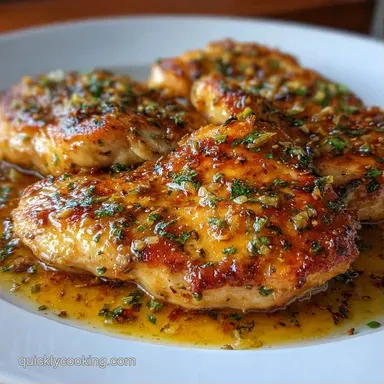
Saucy Chicken: 30-Minute Stove Top Recipe
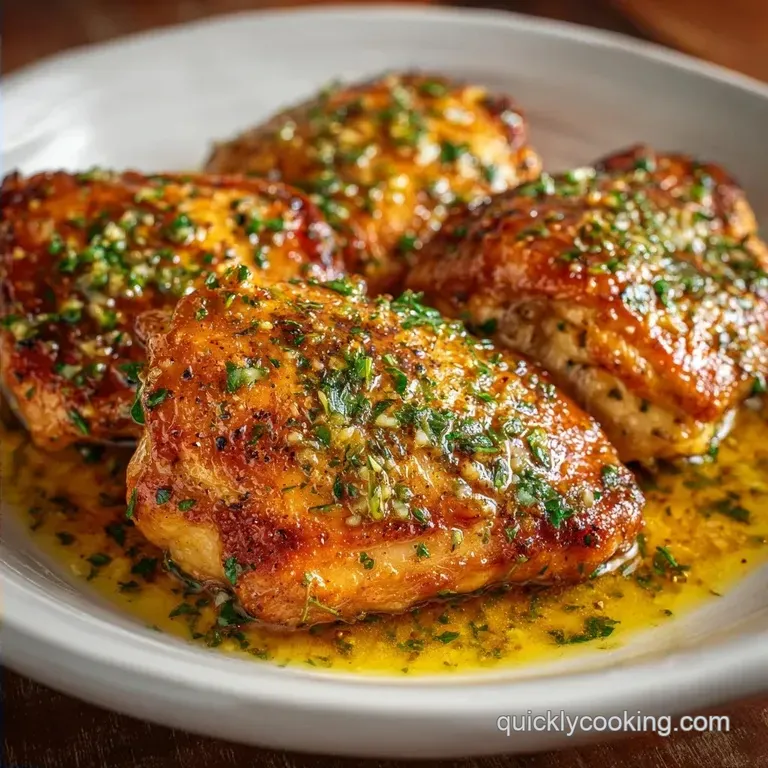
- Time: 10 min active + 20 min cook
- Flavor/Texture Hook: Garlic heavy cream with a glossy finish
- Perfect for: Weeknight dinners and beginner cooks
- Why Searing First Makes This Saucy Chicken
- Quick Details for Your Saucy Chicken
- What Each Ingredient Does
- Tools for Minimal Cleanup
- Making the Saucy Chicken
- Fixing Common Saucy Chicken Issues
- Different Ways to Enjoy Saucy Chicken
- Storage and Leftover Tips
- What to Serve with Saucy Chicken
- High in Sodium
- Recipe FAQs
- 📝 Recipe Card
Ever wonder why some pan sauces taste like they came from a restaurant while others just taste like warm cream? I used to just throw everything in the pan and hope for the best, but the results were always a bit bland and watery. Then I realized it's all about those brown bits stuck to the bottom of the skillet.
That crust on the chicken isn't just for looks, it's where the actual taste lives. Once you learn to scrape those bits back into the sauce, everything changes. This Saucy Chicken is my go to when I need something that feels fancy but takes almost no effort.
You can expect a dish that's rich and savory, with a hit of lemon to keep it from feeling too heavy. It's a fast process that uses one pan, which means you aren't spending your whole night scrubbing pots. Let's get into how to make this work every single time.
Why Searing First Makes This Saucy Chicken
Getting the heat right at the start is the most important part of the process. When the chicken hits the hot oil, it doesn't just cook, it browns. This creates a layer of flavor that blends into the sauce later.
The Pan Bits: Those brown deposits, called fond, are concentrated chicken flavor. When we add the cream, we scrape them up to enrich the sauce.
Internal Temp: We pull the chicken at 165°F to stop it from drying out. According to USDA FoodData, chicken thighs are more forgiving than breasts, but they still have a limit before they get tough.
If you're looking for other ways to use these thighs, my Butter Chicken recipe uses a similar searing start but takes the flavor in a completely different direction.
| Method | Time | Texture | Best For |
|---|---|---|---|
| Pan Sear | Fast | Crusty edges | High flavor |
| Poaching | Slow | Soft/Pale | low fat |
| Baking | Medium | Uniform | Large batches |
Quick Details for Your Saucy Chicken
Before we start, let's look at the basics. This recipe is designed for speed and minimal tools. You don't need a fancy kitchen to get a great result here.
The total time is 30 minutes. You'll spend 10 minutes prepping and 20 minutes at the stove. It's a high efficiency meal that doesn't sacrifice the quality of the sauce.
Right then, let's look at the gear. You only need one large skillet and a whisk. I prefer a stainless steel or cast iron pan because they handle high heat better than non stick, which helps the Saucy Chicken get that mahogany color.
What Each Ingredient Does
I don't believe in adding ingredients "just because." Everything here has a job to do in the pan.
| Ingredient | What It Does | Best Swap |
|---|---|---|
| Chicken Thighs | Provides rich, juicy protein | Chicken Breast (cook 3 mins less) |
| Heavy Cream | Creates the thick, creamy base | Half and Half (sauce will be thinner) |
| Parmesan | Adds salt and thickens the texture | Pecorino Romano (stronger tang) |
| Lemon Juice | Cuts through the fat | White Wine (more acidic) |
For the garlic, I always use fresh cloves. While garlic powder is great for the seasoning rub, fresh garlic sautéed in butter gives the Saucy Chicken a depth that powder can't touch.
| Fresh Garlic | Garlic Powder | Impact | Savings |
|---|---|---|---|
| Pungent/Sharp | Mellow/Uniform | Higher depth | 0 mins |
| Sautéed | Mixed in | Better aroma | 2 mins prep |
Tools for Minimal Cleanup
You don't need a kitchen full of gadgets for this. A simple setup keeps things moving fast.
- A 12 inch skillet (stainless steel is best)
- A whisk for the sauce
- Tongs for flipping the meat
- A meat thermometer to hit that 165°F mark
Trust me on the thermometer. Guessing when chicken is done is how you end up with rubbery meat , worse, undercooked chicken. It's the fastest way to ensure your Saucy Chicken is safe and juicy.
Making the Saucy Chicken
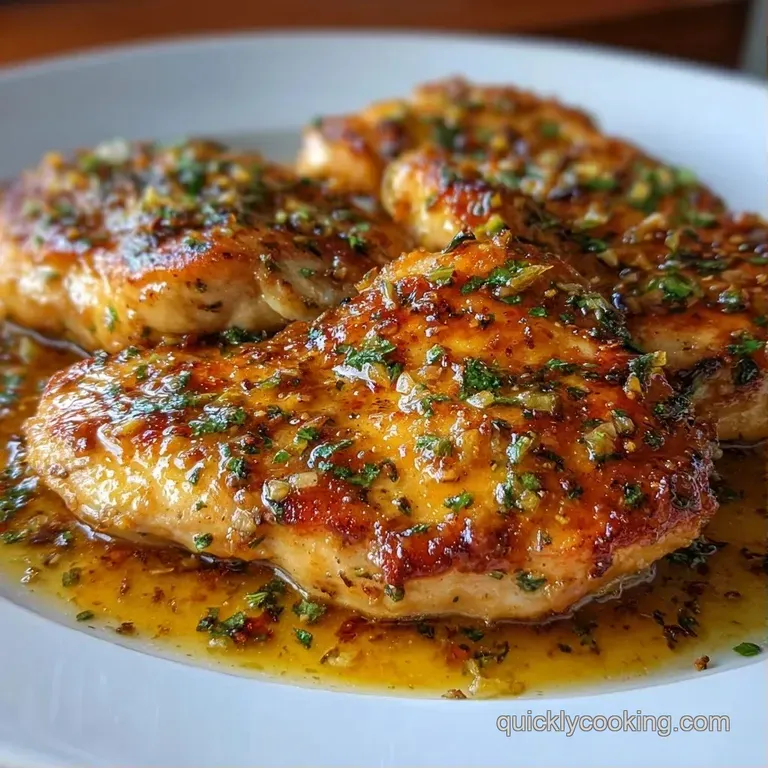
Let's crack on. Keep your ingredients measured out and ready to go so you aren't scrambling while the butter is foaming.
Searing for Flavor
- Pat the chicken dry with paper towels. Note: Wet meat steams instead of searing.
- Season both sides with salt, pepper, and garlic powder.
- Heat olive oil in a skillet over medium high heat.
- Add chicken and cook 5-7 minutes per side until a mahogany colored crust forms and the internal temp is 165°F.
- Remove chicken to a plate and let it rest.
Building the Flavor Base
- Reduce heat to medium.
- Add butter to the same skillet.
- Once foaming, stir in minced garlic and Italian seasoning.
- Sauté for 1 minute until the garlic smells fragrant.
Creating the Silkiness
- Pour in the heavy cream.
- Whisk constantly, scraping the bottom of the pan to deglaze.
- Simmer for 3 minutes until the liquid bubbles and reduces slightly.
- Stir in Parmesan cheese and lemon juice.
- Whisk until the sauce thickens into a glossy, velvety coat.
The Final Marriage
- Return the chicken and any juices to the skillet.
- Spoon the sauce over the meat.
- Simmer for 2 more minutes.
- Garnish with fresh parsley.
For a deeper dive on why we scrape those brown bits, Serious Eats has a great breakdown of the "fond" and how it builds flavor.
Fixing Common Saucy Chicken Issues
Even with a simple recipe, things can go sideways. Usually, it's just a matter of temperature.
The Sauce is Too Thin
If your sauce feels more like a soup than a coating, you likely didn't simmer the cream long enough or used a substitute for the heavy cream. You can fix this by simmering for another 2-3 minutes or adding an extra tablespoon of Parmesan.
The Garlic Burned
Garlic turns bitter the second it goes from golden to brown. If you see black specks, the garlic burned. You'll have to wipe the pan and start the sauce over, as that bitterness will bleed into the whole dish.
The Chicken is Sticking
Chicken sticks when the pan isn't hot enough or you try to flip it too early. If it's sticking, leave it alone for another minute. It will naturally release from the pan once the crust has formed.
| Problem | Root Cause | Solution |
|---|---|---|
| Sauce broke/separated | High heat | Lower heat and whisk in a splash of cream |
| Bland taste | Under seasoned | Add a pinch more salt or a squeeze of lemon |
| Rubbery meat | Overcooked | Pull chicken exactly at 165°F |
Different Ways to Enjoy Saucy Chicken
This recipe is a base. Once you have the technique down, you can tweak it to fit whatever you're craving.
The Spice Route: Add a teaspoon of red pepper flakes to the butter and garlic. This gives the Saucy Chicken a kick that balances the heavy cream.
The Mushroom Twist: Sauté sliced cremini mushrooms before adding the garlic. The earthy flavor pairs well with the Parmesan.
Dietary Swaps: If you need a lighter version, try using half and half instead of heavy cream. It won't be as thick, but it still tastes great. For a dairy-free version, coconut milk works, though it adds a tropical note that changes the vibe.
If you want something even more indulgent, you might like this Chicken Gnocchi Soup, which uses a similar creamy base but adds hearty dumplings.
Decision Shortcut: - If you want it tangier → add an extra teaspoon of lemon juice. - If you want it richer → add an extra tablespoon of butter. - If you want it herby → double the Italian seasoning.
Storage and Leftover Tips
Saucy Chicken keeps surprisingly well, but the sauce can thicken in the fridge.
Fridge: Store in an airtight container for up to 4 days. The sauce will likely turn into a thick paste as it cools, which is normal.
Freezer: I don't recommend freezing this. The cream and Parmesan can separate during the freezing and thawing process, leaving you with a grainy sauce.
Reheating: Don't use the microwave on high. Instead, put the chicken and sauce in a small pan over low heat. Add a tablespoon of water or milk to loosen the sauce back into a silky consistency.
Zero Waste: If you have leftover sauce but no chicken, toss it with some pasta or use it as a base for a creamy vegetable bake. If you used bone in thighs and saved the bones, simmer them with water and carrots for a quick stock.
What to Serve with Saucy Chicken
Since the sauce is the star here, you want sides that can either soak it up or cut through the richness.
The Carb Base: Pasta is the obvious choice. Fettuccine or linguine work best because the wide noodles hold onto the sauce. If you want something lower carb, steamed cauliflower or mashed turnips are great alternatives.
The Fresh Balance: A crisp green salad with a sharp vinaigrette is essential. The acidity of a lemon olive oil dressing cleanses the palate between bites of the rich Saucy Chicken.
The Veggie Side: Roasted asparagus or sautéed spinach adds a bit of color and nutrients to the plate. Just keep the seasoning simple so it doesn't clash with the garlic and Parmesan.
Right then, that's how you do it. This Saucy Chicken is all about efficiency and a few key techniques. Once you stop fearing the pan bits and start using them, your home cooking will feel a lot more intentional. Let me know how yours turns out!
High in Sodium
890 mg 890 mg of sodium per serving (39% 39% of daily value)
The American Heart Association recommends a daily limit of no more than 2,300 mg of sodium to reduce the risk of high blood pressure and heart disease.
Tips to Reduce Sodium
-
Eliminate Added Salt-30%
Remove the 1 tsp of salt entirely; the Parmesan and natural flavors of the chicken provide enough base seasoning.
-
Reduce Parmesan Cheese-15%
Reduce the grated Parmesan cheese by half or use a smaller amount of a lower sodium hard cheese alternative.
-
Boost Acidity-10%
Increase the fresh lemon juice to 2 tbsp to enhance the flavor profile, which tricks the palate into needing less salt.
-
Check Seasoning Blends-5%
Ensure the Italian seasoning is a salt free blend, or create your own using dried oregano, basil, and rosemary.
-
Use Aromatic Spices
Add smoked paprika or crushed red pepper to add depth and warmth to the cream sauce without adding any sodium.
Recipe FAQs
How long do you cook chicken thighs on the stove?
Cook for 5 7 minutes per side. This timing ensures a mahogany colored crust and an internal temperature of 165°F (74°C).
How to cook chicken thighs in a pan?
Sear in olive oil over medium high heat. Pat the meat dry and season with salt, pepper, and garlic powder before adding to the skillet.
What can I do with two pounds of boneless chicken thighs?
Prepare them with this creamy garlic sauce. Increase the ingredient measurements proportionally to accommodate the extra meat. This dish pairs perfectly with garlic knots.
What is the best way to cook skinless chicken thighs?
Pan-sear them to develop a deep crust. Using a skillet over medium high heat keeps the meat juicy while creating the flavor base needed for the Parmesan sauce.
How long do chicken thighs take to cook in a frying pan?
Allow 5 7 minutes per side. Use a meat thermometer to ensure the thickest part of the thigh reaches a safe internal temperature of 165°F (74°C).
What is the best way to barbecue boneless chicken thighs?
Use a skillet instead for this specific recipe. While grilling is great for BBQ, the velvety texture of the cream and Parmesan is best achieved by deglazing a pan.
How should I reheat leftover saucy chicken?
Warm in a small pan over low heat. Avoid using the microwave on high and add a tablespoon of water to return the sauce to its silky consistency.
Saucy Chicken Thighs