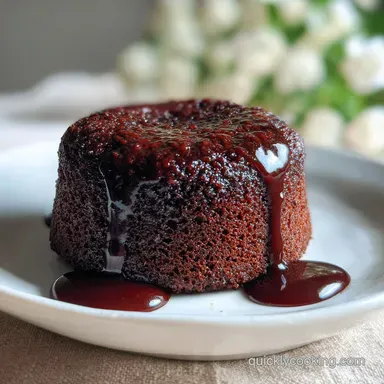
Small Chocolate Cake with Cocoa Powder

- Time: 20 min active + 25 min baking + 1 hour cooling + 15 min chilling
- Flavor & Texture: Deep cocoa flavor with a moist, tender crumb
- Perfect for: Small birthday celebrations or a cozy date night
Small Chocolate Cake
Ever wonder why most mini cakes feel more like dry cupcakes? It usually comes down to the fat ratio and the pan size. When you shrink a standard recipe, the edges often overcook before the center sets, leaving you with a cake that crumbles the moment you slice it.
This Small Chocolate Cake solves that by using oil instead of butter in the batter. This keeps the crumb tender even after it spends time in the fridge. It's a streamlined process that fits into one bowl, so you aren't scrubbing a mountain of dishes for a tiny dessert.
You can expect a dark, moist layer cake that feels substantial but doesn't leave you with a week of leftovers. It's the right size for a small celebration, and the frosting is thick enough to hold its shape without being overly sweet.
How It Comes Together
Oil-Based Fat: Oil stays liquid at room temperature, which means the cake doesn't harden as quickly as butter-based sponges.
Blooming the Cocoa: Adding hot water to the cocoa powder releases the flavor compounds, creating a deeper chocolate taste.
Recipe Specs
| Layer Style | Bake Time | Texture | Best For |
|---|---|---|---|
| Double Layer | 22-25 mins | Tall & Tender | Birthdays |
| Single Layer | 30-35 mins | Dense & Fudgy | Casual treats |
Ingredient Deep Dive
All-purpose flour provides the essential structure for the batter. Buttermilk adds a hint of tang and works with the baking soda to create lift. Including instant espresso powder enhances the chocolate's depth without making the cake taste of coffee.
Softened butter acts as the foundation for the frosting, while powdered sugar and cocoa powder add sweetness and body. A small amount of heavy cream or milk is used to refine the texture, allowing it to spread smoothly without damaging the cake.
Step-by-step Instructions

Phase 1: Prep
Heat the oven to 180°C (350°F). Grease two 6 inch round pans and line the bottoms with parchment circles.
In a medium bowl, whisk the flour, sugar, cocoa powder, baking soda, baking powder and salt until no cocoa streaks remain. Sift the cocoa first if it is clumpy.
Phase 2: Mixing the Batter
In a small bowl, stir the espresso powder into the hot water until dissolved. Add this to the dry ingredients and whisk until smooth. The batter will be thick and dark.
Add the buttermilk, vegetable oil, egg and vanilla. Whisk for about 1 minute, until glossy with no dry pockets. Stop as soon as the batter is uniform.
Phase 3: Baking
Divide the batter evenly between the two pans, about 250 g each. Smooth the tops with a spatula.
Bake for 22 to 25 minutes, rotating the pans halfway through if your oven bakes unevenly. The layers are done when the tops spring back lightly and a toothpick inserted in the center comes out with a few moist crumbs, not wet batter.
Phase 4: Cooling
Rest the layers in their pans for 10 minutes. Loosen the edges with a knife, turn them onto a wire rack, peel off the parchment and cool completely, about 1 hour.
Phase 5: Making the Chocolate Frosting
Beat the softened butter with a hand mixer on medium speed for 1 to 2 minutes, until smooth and creamy.
Sift the powdered sugar and cocoa powder into the bowl, add the salt and beat on low speed until combined.
Add the vanilla and milk, then beat on medium-high for 2 minutes. The frosting should be thick, smooth and spreadable. If it is too stiff, add milk 1 teaspoon at a time.
Phase 6: Assembly
Place one cooled layer top side down on a serving plate. Spread about 1/3 cup of frosting over the top. Set the second layer on top, top side up.
Spread a thin crumb coat over the sides and top. Refrigerate for 15 minutes.
Apply the remaining frosting, smooth the sides with an offset spatula and swirl the top. Slice and serve.
Troubleshooting Guide
If the Cake Is Dense or Gummy
This typically occurs when the batter is overmixed after the wet ingredients are added. Stop whisking as soon as the flour is incorporated. Overworking the batter creates too much gluten, which makes the cake tough.
If the Layers Sink in the Middle
A sunken center is often caused by outdated baking soda or opening the oven prematurely. Use fresh leavening agents and avoid peeking at the cake until at least 20 minutes have passed.
If the Frosting Is Too Soft
If the icing slides off the cake, the butter was likely too warm. Place the frosting bowl in the fridge for 10 minutes, then beat it again before applying.
| Problem | Root Cause | Solution |
|---|---|---|
| Gummy Texture | Overmixing the batter | Stop whisking once smooth |
| Sunken Middle | Outdated baking soda | Replace leaveners |
| Runny Frosting | Butter too warm | Chill for 10 mins then re-beat |
Variations and Swaps
For a different taste, stir in a teaspoon of orange zest. To achieve a more intricate look, apply the technique from this Homemade Marble Cake recipe by swirling in a bit of vanilla batter.
| Original Ingredient | Substitute | Why It Works |
|---|---|---|
| Buttermilk (80 ml) | Milk + 1 tsp lemon juice | Reproduces the acidity required for lift. Note: Let sit 5 mins first |
| Vegetable Oil (60 ml) | Melted Coconut Oil | Comparable fat levels. Note: Gives a faint coconut aroma |
| Whole Milk (45 ml) | Heavy Cream | Boosts the richness. Note: Creates a stiffer frosting |
Adjustment Guide
Use these measurements to scale the recipe size:
Half Batch (for 4 servings):
- Flour: 47.5 g
- Sugar: 50 g
- Cocoa: 12.5 g
- Egg: 25 g (whisk 1 egg and weigh out the amount)
- Liquids: 40 ml buttermilk / 40 ml hot water / 30 ml oil
Double Batch (for 16 servings):
- Flour: 190 g
- Sugar: 200 g
- Cocoa: 50 g
- Egg: 100 g (2 large eggs)
- Liquids: 160 ml buttermilk / 160 ml hot water / 120 ml oil
- Pan: Use four 6 inch pans or two 8 inch pans (add 5-10 mins to the bake time for 8 inch pans).
Storage and Freshness
Store the cake in an airtight plastic container in the fridge, where it will remain moist for up to 4 days. The use of oil prevents it from drying out as quickly as a traditional butter cake, although the frosting may develop a slight crust if it isn't covered.
This cake is freezer-friendly if you freeze the layers individually before frosting. Wrap the cooled layers tightly with plastic wrap and foil. Let them defrost at room temperature for 2 hours before adding the frosting.
There are virtually no scraps with this recipe, but any leftover frosting can be kept in a small jar in the refrigerator. It is excellent as a dip for fresh apple slices or strawberries.
Serving Suggestions
I enjoy this cake paired with a chilled glass of milk or a steaming cup of black coffee. The coffee's roastiness balances the sweet frosting perfectly.
To dress it up, garnish the top with a few fresh raspberries or sliced strawberries. The fruit's natural acidity offsets the rich cocoa. For an extra treat, serve each slice with a dollop of vanilla bean ice cream.
Recipe FAQs
What makes this chocolate cake moist?
Vegetable oil and buttermilk provide the moisture. The oil keeps the crumb tender and prevents it from drying out as quickly as butter cakes.
Can I use butter instead of oil?
Yes, you can substitute butter for the oil. This will create a richer flavor but a slightly denser texture.
Where should I store the finished cake?
Keep the cake in a sealed plastic tub in the refrigerator. It stays moist for up to 4 days.
Does this cake freeze well?
Yes, you can freeze the layers before frosting them. Wrap cooled layers in plastic wrap and foil, then thaw at room temperature for 2 hours.
Small Chocolate Cake for 8 Servings