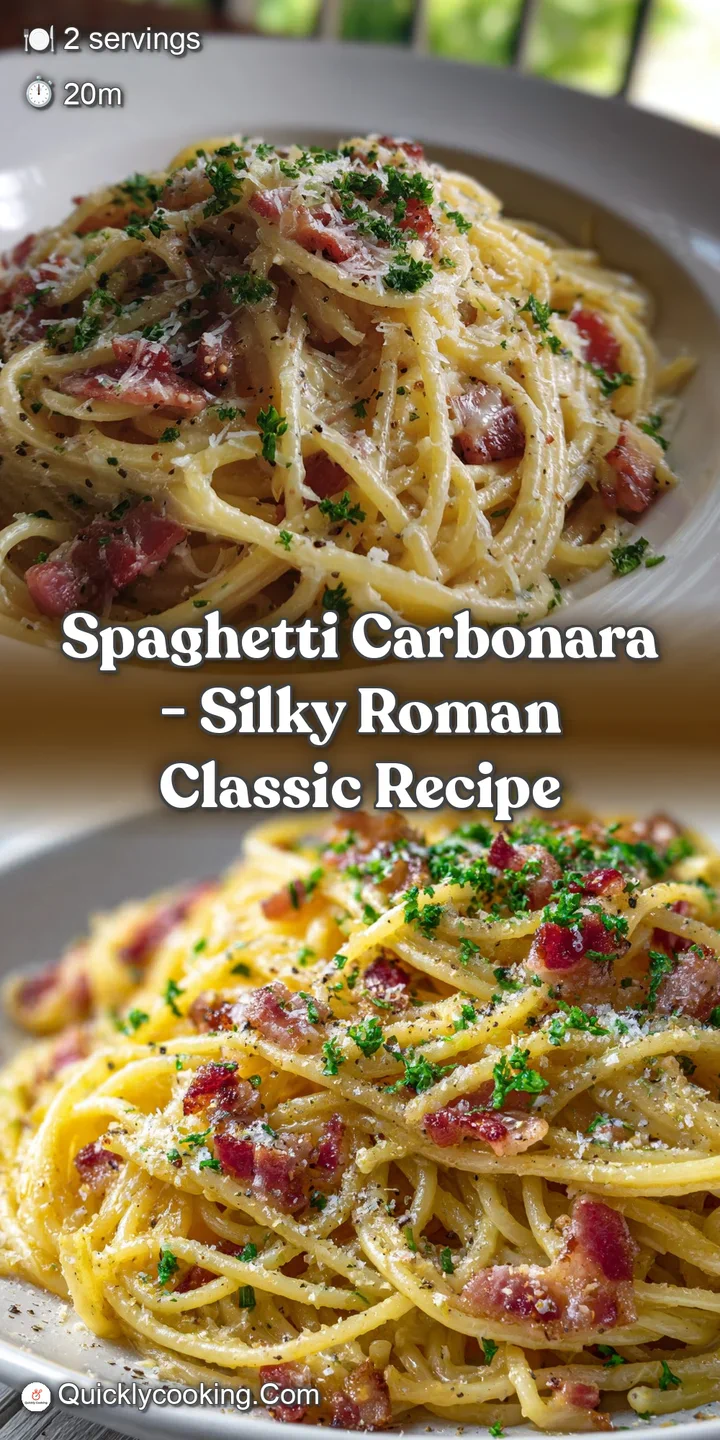
Spaghetti Carbonara: Silky Peppery Crema
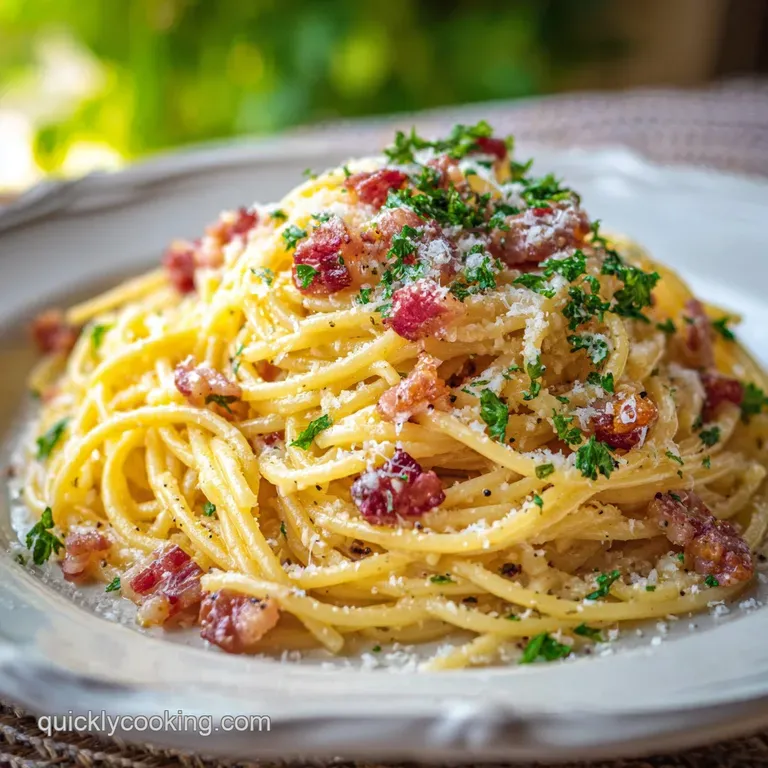
- Time: Active 15 mins, Passive 5 mins, Total 20 mins
- Flavor/Texture Hook: Silky, peppery crema with shatter crisp guanciale
- Perfect for: High efficiency weeknight dining or showing off technique
- Mastering the Silky Emulsion of Spaghetti Carbonara
- Essential Time Benchmarks for Efficient Carbonara Preparation
- Component Analysis for the Ultimate Pasta Experience
- The Essential Elements for a True Roman Classic
- Minimalist Tools for High Efficiency Pasta Execution
- A Three Step Timeline for Flawless Pasta
- Identifying the Friction Points and Solving Failures
- Creative Adaptations for Every Home Kitchen Pantry
- Ensuring Longevity and Minimizing Kitchen Waste
- Side Dish Pairings for a Balanced Italian Table
- Critical Level of Sodium
- Recipe FAQs
- 📝 Recipe Card
Mastering the Silky Emulsion of Spaghetti Carbonara
I still remember the first time I tried to make this dish in my tiny college apartment. I had the heat cranked way too high, dumped the eggs in, and ended up with what looked like a very sad breakfast stir fry. There was no gloss, no "crema," just dry noodles and clumps of sulfurous scrambled egg.
It was a disaster that stayed stuck to my skillet for three days, but it taught me the most important lesson in Italian cooking: heat is a tool, not just a setting.
Now, when I hear that specific sizzle of the guanciale batons hitting a cold pan and slowly weeping their golden fat, I know exactly what’s coming. The kitchen fills with that funky, cured aroma that only aged pork can provide, and I’ve got my eggs whisked and ready.
There is a specific rhythm to a great Spaghetti Carbonara a dance between the boiling pasta and the rendering pork that feels like clockwork once you nail the flow. It's about being fast, being precise, and knowing when to pull the pan off the fire.
Essential Time Benchmarks for Efficient Carbonara Preparation
Success depends on your ability to multitask without rushing. You want the pork to reach a state where the edges shatter between your teeth just as the pasta hits that perfect al dente bite.
If the pork is done too early, the fat solidifies; if the pasta is late, you lose the crucial heat needed to cook the eggs safely.
| Serving Size | Pasta & Pork Ratio | Recommended Pan | Cook Time |
|---|---|---|---|
| 1 Person | 100g Pasta / 50g Pork | 20cm Skillet | 12 minutes |
| 2 People | 200g Pasta / 100g Pork | 26cm Skillet | 15 minutes |
| 4 People | 400g Pasta / 200g Pork | 32cm Deep Skillet | 18 minutes |
The Thermodynamics of the Crema
The sauce forms through a process called mechanical emulsification, where the starch in the pasta water acts as a bridge between the rendering pork fat and the egg proteins. By using residual heat rather than direct flame, you thicken the eggs into a velvety coat without reaching the 70°C threshold where they begin to scramble.
- Fat Suspension: The Pecorino Romano contains proteins that stabilize the oil in-water emulsion.
- Starch Binding: Pasta water creates a "glue" that helps the sauce cling to the smooth surface of the noodles.
- Protein Tempering: Whisking the cheese into the eggs before adding heat creates a buffer that slows down coagulation.
- Residual Fusion: The heat of the pasta itself is the only cooking source needed for the egg yolks.
Component Analysis for the Ultimate Pasta Experience
| Ingredient | Science Role | Pro Secret |
|---|---|---|
| Egg Yolks | Primary Emulsifier | Use room temp yolks to prevent thermal shock when mixing. |
| Pecorino Romano | Flavor & Stabilizer | Grate it into a fine dust; large shreds won't melt into the sauce. |
| Guanciale | Fat & Umami | Start in a cold pan to render the most liquid fat possible. |
| Black Pepper | Aromatic Heat | Toast whole peppercorns in a dry pan before cracking them. |
The Essential Elements for a True Roman Classic
Choosing the right components is half the battle. If you use cheap, pre grated cheese, you’ll end up with a grainy mess because of the anti clumping agents they add to the tubs. Stick to the basics, but get the best versions of those basics you can find.
- 200g high-quality spaghetti: Look for bronze die extruded pasta; it has a rougher texture that grips the sauce.
- 2 liters water: You need enough space for the pasta to move, but not so much that the starch becomes too diluted.
- 1 tbsp sea salt: This is your only chance to season the pasta itself. Why this? Salt strengthens the gluten structure of the noodles during the boil.
- 100g guanciale: This cured pork jowl is the soul of the dish. Why this? It has a higher fat to meat ratio than pancetta, providing the sauce base.
- 3 large egg yolks: These provide the richness and the golden color.
- 1 large whole egg: The extra white provides just enough moisture to keep the sauce fluid.
- 60g freshly grated Pecorino Romano: A sharp, salty sheep's milk cheese. Why this? Its high fat content helps it melt into the egg mixture seamlessly.
- 2 tsp coarsely cracked black pepper: Don't use the pre ground stuff that tastes like dust.
| Original Ingredient | Substitute | Why It Works |
|---|---|---|
| Guanciale | Pancetta (unsmoked) | Similar cure profile. Note: Less fat, so you may need a teaspoon of olive oil. |
| Pecorino Romano | Parmesan (Parmigiano Reggiano) | Hard, salty cheese. Note: Less "funky" and sharp than Pecorino, but melts beautifully. |
| Spaghetti | Rigatoni | Large tubes catch the guanciale inside. Note: Requires a slightly longer cook time. |
Minimalist Tools for High Efficiency Pasta Execution
You don't need a kitchen full of gadgets for this. In fact, the more you clutter your space, the harder it is to hit your timing marks. A wide stainless steel or cast iron skillet is better than a non stick pan because it develops a better "fond" (the brown bits) from the pork.
You will also need a large pot for the pasta, a stainless steel bowl for whisking the eggs, and a microplane or fine grater. If you are looking for more streamlined cooking methods, you might find my one pot creamy recipe useful for nights when you want even fewer dishes.
A Three Step Timeline for Flawless Pasta
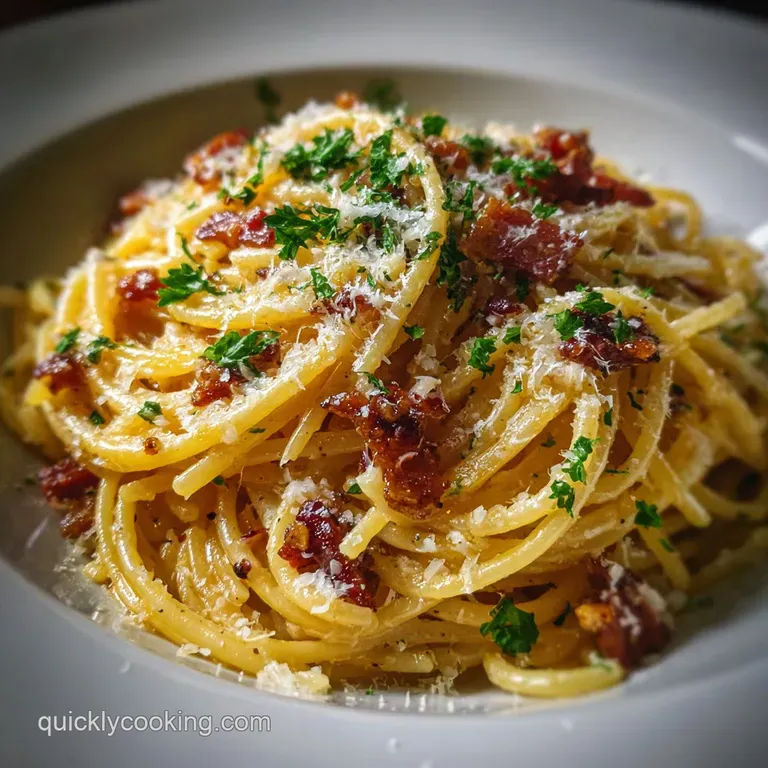
1. Rendering the Pork
Place your 100g guanciale batons into a cold skillet. Turn the heat to medium low. This slow start is non negotiable. As the pan warms, the fat will begin to liquefy, turning the meat translucent before it eventually turns golden and crisp.
This should take about 8-10 minutes, which is exactly how long it takes to boil your water.
2. Whisking the Crema
While the pork renders, combine the 3 yolks, 1 whole egg, and 60g Pecorino in a bowl. Add the 2 tsp of cracked pepper. Whisk until it forms a thick, pale yellow paste. Note: This paste is the foundation of your sauce; it should be thick enough to hold a trail from the whisk.
3. Achieving Al Dente
Drop the 200g spaghetti into the 2 liters of salted boiling water. Cook for 1 minute less than the package directions. You want the pasta to have a "bone" in the middle—a tiny white dot of uncooked starch because it will finish cooking in the pan with the pork fat.
4. Executing the Marriage
Using tongs, transfer the spaghetti directly from the water into the skillet with the crisp guanciale. Do not drain the pasta! That clinging water is liquid gold. Toss the noodles in the pork fat for 60 seconds over medium heat until the sizzle sounds slightly wet.
5. The Final Emulsion
Remove the skillet from the heat entirely. This is the moment of truth. Let the pan sit for 20 seconds so the temperature drops below the scrambling point. Pour in the egg and cheese mixture while tossing the pasta vigorously with tongs. Add 2-3 tablespoons of hot pasta water.
Keep moving everything until the sauce transforms into a glossy, pale gold coating that clings to every strand.
Identifying the Friction Points and Solving Failures
The most common fear is the "scrambled egg" scenario. If you see the eggs starting to form solid white clumps, you’ve moved too slowly or the pan was too hot. On the flip side, if the sauce is watery and sits at the bottom of the bowl, you haven't tossed it enough to trigger the emulsion.
Preventing Scrambled Egg Disasters
The secret to safety is a "buffer." If you're nervous about the heat of the pan, whisk a small ladle of hot pasta water into your egg and cheese bowl before adding the eggs to the pasta. This "tempers" the eggs, raising their temperature slowly so they don't freak out when they hit the hot noodles.
Balancing the Salt Profile
Pecorino and guanciale are both salt bombs. If you find the final dish too salty, reduce the sea salt in your pasta water next time. Remember, the water only needs to taste "seasoned," not like the Dead Sea.
| Problem | Root Cause | Solution |
|---|---|---|
| Sauce is thin/watery | Not enough pasta water or tossing | Add one more ladle of water and whisk vigorously with tongs for 30 seconds. |
| Clumpy, dry cheese | Cheese was too cold or coarsely grated | Use a microplane and ensure cheese is at room temp before mixing. |
| Grey/dull sauce | Burnt pepper or dirty pan | Wipe out any black charred bits from the pork before adding the pasta. |
Common Mistakes Checklist:
- ✓ Never use cold eggs; they lower the pan temp too fast and prevent a creamy bond.
- ✓ Stop the pasta boil 1-2 minutes early; the carryover heat in the pan is significant.
- ✓ Don't discard all the pasta water until the dish is plated and served.
- ✓ Always take the pan off the burner before adding the egg mixture.
- ✓ Use a metal bowl for the eggs if you want to sit it over the pasta steam to keep it warm.
Creative Adaptations for Every Home Kitchen Pantry
While purists will insist on the traditional four ingredient list, your kitchen should work for you. If you are looking for a high efficiency alternative for a busy Tuesday, my Fast Ground Beef recipe is another great way to get deep flavor in minimal time.
If you want a smokier finish, use Smoked Bacon: Bacon brings a totally different profile. It’s sweeter and smokier than guanciale. If using bacon, render it until very crispy to offset the softer texture of the meat.
If you want a vegetarian version, use Roasted Mushrooms: Sauté king oyster mushrooms in olive oil with plenty of salt and a drop of liquid smoke. The texture is surprisingly close to the pork, though you lose that specific animal fat mouthfeel.
Scaling Guidelines:Cutting in half: Use 1 yolk and 1/2 a whole egg (whisk and measure half). Use a very small saucepan to keep the heat concentrated. Doubling up: Work in two separate skillets.
If you crowd 400g of pasta into one standard pan, the temperature will drop too low, and the eggs will stay raw and runny instead of thickening.
Ensuring Longevity and Minimizing Kitchen Waste
Spaghetti Carbonara is a "live" dish it is at its absolute peak the second it leaves the pan. However, life happens.
- Storage: Keep leftovers in an airtight container in the fridge for up to 2 days. The sauce will thicken and "set" as it cools.
- Reheating: This is tricky. Do not microwave it, or you will definitely get scrambled eggs. Instead, put it in a pan with a splash of water or milk over very low heat. Stir constantly just until it's warm enough to eat.
- Zero Waste: Don't toss those leftover egg whites! Store them in a small jar in the fridge for your morning omelet or use them to make a quick batch of meringues. The rinds of the Pecorino cheese should be saved and tossed into your next vegetable soup or stock for a massive hit of umami.
Side Dish Pairings for a Balanced Italian Table
Because Carbonara is so incredibly rich and fat forward, you need something with high acidity or bitterness to reset your palate between bites. A simple arugula salad with a heavy squeeze of lemon and no oil is the classic choice.
The pepperiness of the greens mirrors the pepper in the pasta, while the lemon cuts right through the egg yolk richness.
Chef's Note: If you're hosting a dinner party, serve the Carbonara as a "primi" (first course) in smaller portions, followed by a light roasted white fish. It keeps the meal from feeling too heavy while still giving everyone that decadent pasta fix.
| Method | Time | Texture | Best For |
|---|---|---|---|
| Traditional Stovetop | 15 min | Silky & Creamy | The authentic experience |
| Oven Finish (Warm Bowl) | 18 min | Dense & Rich | Keeping it warm for guests |
There's a myth that you need "special skills" to pull this off, but it's really just about paying attention to the sizzle and the steam. Once you've felt that moment when the liquid water and the golden fat snap together into a cream, you'll never look at a jar of white sauce the same way again.
Trust your tongs, keep the pasta moving, and don't fear the pepper. Let's get cooking!
Critical Level of Sodium
1860 mg 1860 mg (81% 81% )
The American Heart Association recommends limiting sodium intake to no more than 2,300 mg per day for most adults. Aim for even less ideally, no more than 1,500 mg per day for additional heart health benefits.
Tips to Reduce Sodium in Your Carbonara:
-
Reduce Guanciale-25%
Guanciale is a significant sodium source. Reduce the amount from 100g to 50g, or substitute with pancetta, using a lower sodium option and adjusting the amount based on taste.
-
Lower Sodium Cheese-15%
Pecorino Romano is very high in sodium. Substitute half of it with a lower sodium cheese like Parmigiano Reggiano or Grana Padano.
-
Reduce Added Salt-15%
Eliminate the added salt when cooking the spaghetti. The guanciale and cheese already contribute substantial sodium to the dish.
-
Cook Pasta Wisely
While omitting salt in pasta water affects taste only a little, ensure you don't over salt the pasta. Rinsing the cooked pasta is NOT recommended since you will lose the starchiness that is needed for the sauce.
-
Enhance with Herbs & Spices
Use fresh herbs like parsley, thyme, or a pinch of red pepper flakes to enhance the flavor without adding sodium. Black pepper already works here!
Recipe FAQs
What is spaghetti alla carbonara?
It is a classic Roman pasta dish. It features spaghetti tossed in a creamy emulsion created from raw egg yolks, Pecorino Romano cheese, rendered guanciale fat, and black pepper.
What is carbonara sauce made of?
The base sauce is egg yolks, grated Pecorino Romano, and fat from rendered guanciale. Starchy pasta water is introduced off-heat to temper the eggs and create the necessary velvety emulsion.
What are the 5 ingredients in carbonara?
Traditionally, the five core components are spaghetti, guanciale, egg yolks, Pecorino Romano, and black pepper. Some recipes add one whole egg for extra moisture, making it six ingredients.
What's in a traditional spaghetti carbonara?
The authentic version relies exclusively on guanciale (cured pork jowl), Pecorino Romano cheese, eggs, black pepper, and spaghetti. Cream or milk should never be introduced to a true Carbonara preparation.
Is it true that I must use guanciale and not bacon or pancetta?
Yes, guanciale is essential for true flavor authenticity. Its higher fat content renders a unique, slightly funky liquid base that pancetta or bacon cannot replicate.
How to prevent the egg from scrambling when making the sauce?
Remove the pan completely from the heat source before adding the egg mixture. Toss vigorously using tongs while gradually incorporating hot starchy pasta water to temper the yolks slowly.
What is the role of the pasta water in carbonara?
The starchy water is crucial for emulsification. The starch acts as a binding agent, stabilizing the mix of fat and egg proteins so the sauce clings evenly to the noodles instead of separating.
Spaghetti Carbonara In 20 Minutes
Ingredients:
Instructions:
Nutrition Facts:
| Calories | 939 kcal |
|---|---|
| Protein | 30.8g |
| Fat | 55.2g |
| Carbs | 77.4g |
| Fiber | 3.1g |
| Sugar | 1.8g |
| Sodium | 1860mg |
