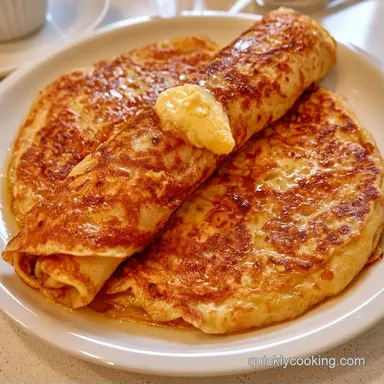
Authentic Swedish Pancakes: Lacy Edges
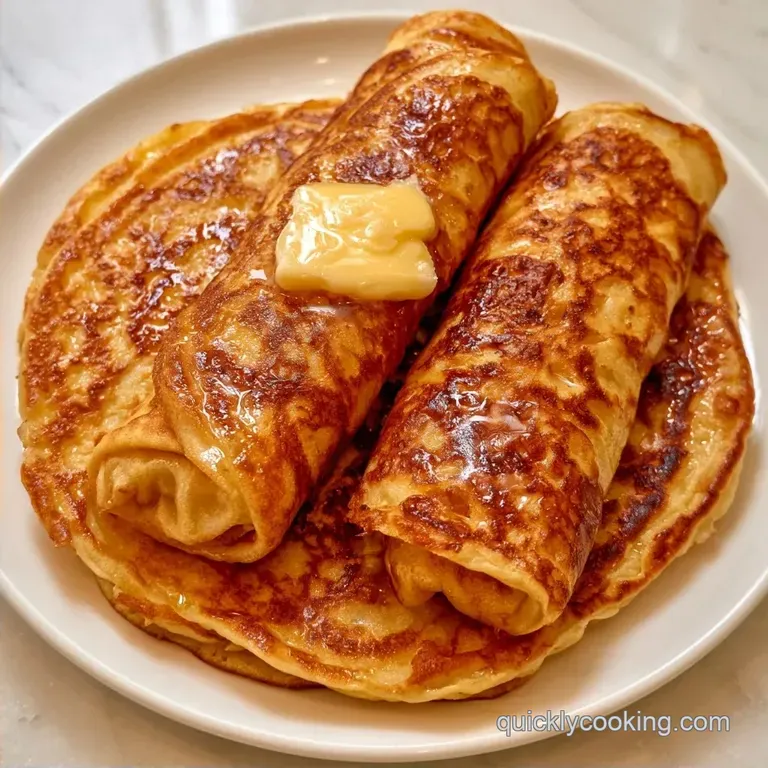
- Time: 5 min active + 10 min cooking
- Flavor/Texture Hook: Lacy, mahogany brown edges with a soft center
- Perfect for: Quick weekday breakfasts or a light dessert
- The Real Way to Make Swedish Pancakes
- Reasons This Version Works
- Quick Specs and Details
- The Ingredient Breakdown
- Tools for the Job
- The Pantry List
- The Step-by-Step Process
- Fixes for Common Issues
- Adjusting the Batch Size
- Plating and Serving Ideas
- Storing and Reheating Tips
- Different Flavor Ideas
- Recipe FAQs
- 📝 Recipe Card
The Real Way to Make Swedish Pancakes
That rubbery, thick texture is the worst. You've probably tried making thin pancakes before, only to end up with something that feels like a wet sponge or a piece of cardboard. It usually happens because the batter is too thick or the pan isn't hot enough to sear the edges quickly.
I used to struggle with the flip. One side would be burnt and the other raw, or the whole thing would just tear into shreds. The fix is all in the swirl and the temperature. When the butter foams just right, the batter glides.
This version of Swedish Pancakes stays light and flexible. You get those distinct, lacy edges that crackle slightly when you bite into them, while the middle stays soft. It's a fast process that doesn't require fancy equipment.
Reasons This Version Works
- The 5 Minute Rest: Letting the batter sit allows the flour to fully hydrate. This is the secret to a tender texture that doesn't feel chewy.
- Melted Butter Base: Adding fat directly to the batter prevents sticking and helps the pancake slide across the pan.
- Heat Control: Using medium heat ensures the milk solids brown before the pancake dries out.
Quick Specs and Details
Before we start, let's look at how this stacks up against other methods. Most people wonder if they can just bake these, but the stovetop is where the magic happens.
| Method | Time | Texture | Best For |
|---|---|---|---|
| Stovetop | 20 mins | Lacy edges, soft center | Traditional feel |
| Oven | 15 mins | Uniform, cake like | Large crowds |
The stovetop is the only way to get those mahogany brown spots. Baking them removes the contrast between the crispy rim and the tender middle.
The Ingredient Breakdown
Not every ingredient is just filler. Each one changes how the batter spreads and how the pancake browns.
| Component | Purpose | Substitute Notes |
|---|---|---|
| All purpose flour | Structure | Spelt flour works but makes it denser |
| Whole milk | Hydration & fat | Oat milk works; use full fat for richness |
| Eggs | Binding & lift | 1 egg + 1 tbsp flax meal for vegan ish |
| Unsalted butter | Flavor & release | Coconut oil works; adds a slight coconut taste |
Tools for the Job
No professional equipment is required; a simple home setup is all you need.
- 10 inch non-stick skillet (crucial for the swirl)
- Large mixing bowl or a blender (blenders are quicker)
- Whisk or immersion blender
- Thin spatula (silicone or metal)
The Pantry List
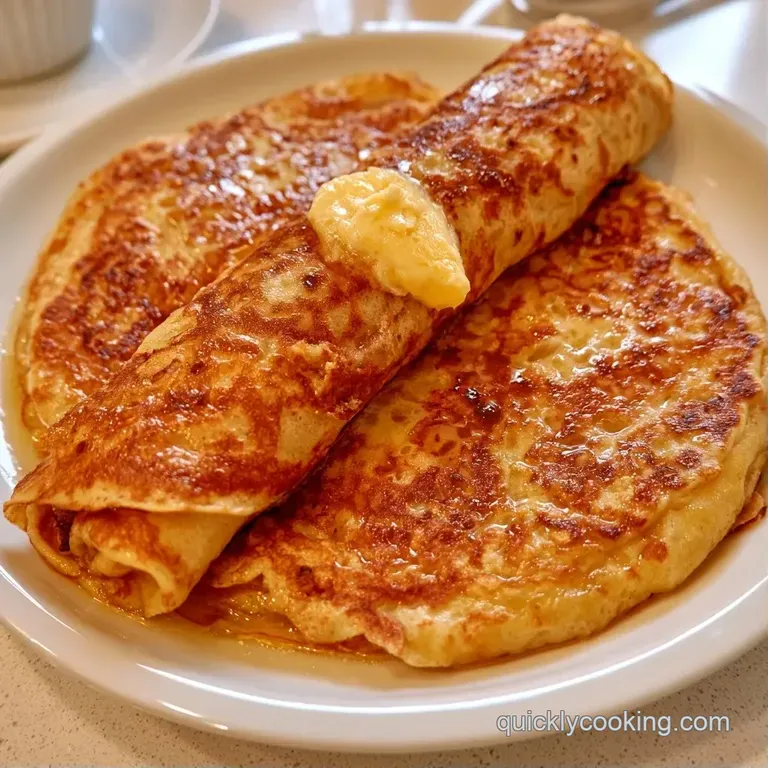
Stick to the basics. Make sure your eggs and milk are at room temperature so the melted butter doesn't clump as you mix.
- 2 cups (250g) all purpose flour Purpose: Standard protein for a flexible hold
- 2 cups (480ml) whole milk Purpose: Creates a silky batter consistency
- 2 large eggs Purpose: Provides the necessary structure
- 2 tbsp (30g) unsalted butter, melted Purpose: Prevents sticking from the inside
- 2 tbsp (25g) granulated sugar Purpose: Helps with the browning
- 1/2 tsp (3g) salt Purpose: Balances the sweetness
- 2 tbsp (30g) unsalted butter, divided (for frying)
- 1 fresh lemon, cut into wedges
- 1/4 cup (50g) granulated sugar (for sprinkling)
To keep costs down, you can substitute margarine for the butter. While it lacks the same nutty aroma, it still works well.
| Original Ingredient | Substitute | Why It Works |
|---|---|---|
| Whole Milk | 2% Milk | Lower fat, still liquid. Note: Slightly less rich |
| Unsalted Butter | Margarine | Similar fat content. Note: Lacks the dairy flavor |
| Granulated Sugar | Honey | Liquid sweetener. Note: Add 1 tsp less milk to compensate |
The step-by-step Process
Time to start. You are aiming for a consistency similar to heavy cream rather than a thick cake batter.
- Mix the flour, sugar, and salt together in a large bowl.
- Gradually whisk in the eggs and milk. Note: Pouring the milk in slowly helps avoid flour clumps.
- Stir in the melted butter.
- Allow the batter to rest for 5 minutes. Note: This waiting period ensures the Swedish Pancakes aren't rubbery.
- Set a 10 inch non stick skillet over medium heat. Add a small knob of butter and wait until it foams and smells nutty.
- Pour 1/4 cup (60ml) of batter into the center. Quickly swirl the pan in a circular motion to spread the batter thin.
- Cook for 60 90 seconds until the edges curl and turn mahogany brown.
- Carefully slide the spatula underneath the pancake and flip it quickly.
- Cook for another 30 60 seconds until golden spots appear.
- Serve while warm with a dusting of sugar and a squeeze of fresh lemon.
Fixes for Common Issues
Even the easiest recipes can run into trouble. Here is how to fix the most frequent problems.
Pancakes Tearing or Breaking
This usually occurs if you flip them too soon. Wait until the edges are fully opaque and begin lifting from the pan. If they are still breaking, your batter may be too thin. Stir in 1 tablespoon of flour and let it rest for another minute.
Batter is Too Thick
If the batter doesn't spread easily when you tilt the pan, it is too thick. Whisk in milk one tablespoon at a time until it flows freely. For a smoother texture, you can pass the batter through a fine mesh strainer before cooking.
Burnt Edges but Raw Center
The pan is too hot. Decrease the heat to medium low. The butter should foam, not brown instantly. If the pan overheats, remove it from the burner for 30 seconds to cool down before adding the next knob of butter.
Adjusting the Batch Size
Swedish Pancakes work well for meal prep. Avoid simply quadrupling the ingredients in a single bowl when cooking for a large group.
Scaling Down (Half Batch): Combine 1 cup flour and 1 cup milk. Because you cannot easily divide a whole egg, whisk one egg in a container and use half of the mixture. You can reduce cooking time by about 10%, as smaller amounts of batter often help the pan maintain a steadier temperature.
Scaling Up (Double Batch): Double the eggs, milk, and flour. However, only multiply the sugar and salt by 1.5x; adding too much sugar can cause the pancakes to brown too quickly and burn before they are fully cooked. Prepare the batter in stages to keep your counter space clear.
If you are mapping out your weekly meals, these light breakfasts are a great contrast to filling dinners such as my Mississippi Meatballs recipe.
| People | Batter Amount | Est. Time |
|---|---|---|
| 2 People | 2 cups flour | 20 mins |
| 4 People | 4 cups flour | 35 mins |
| 6 People | 6 cups flour | 50 mins |
Plating and Serving Ideas
The traditional way is a simple squeeze of lemon and sugar. But you can get creative.
The Classic Swedish Roll
Spread a thin layer of raspberry jam or lemon curd over the pancake. Roll it up tightly and dust with powdered sugar. It looks fancy but takes seconds.
The Gourmet Stack
Stack three pancakes and layer them with sliced strawberries and a dollop of Greek yogurt. This adds protein to the meal, making it a more balanced breakfast.
Decision Shortcut
- Extra tang? → fold in 1 tsp lemon zest to the batter
- Richer flavor? → swap 1/2 cup milk for heavy cream
- Savory vibe? → skip the sugar and add a pinch of black pepper
For those who love a savory meal, try these Beef Meatballs later in the day to balance the sweetness of your morning.
Storing and Reheating Tips
Keep your extra batter! It actually improves if left to sit in the refrigerator overnight.
Fridge & Freezer Keep extra pancakes in a sealed container, layering them with parchment paper. They'll remain fresh in the refrigerator for 3 days or in the freezer for up to 2 months. Ensure they have cooled entirely before stacking to avoid them sticking together.
The Perfect Reheat Skip the microwave to prevent a gummy texture. Instead, warm them in a dry skillet over medium heat for about 30 seconds on each side to restore those crisp edges.
Zero Waste If you're left with too little batter for a whole pancake, fry the remaining bits into "pancake chips." Cook until they are crunchy and use them to top a bowl of yogurt.
Different Flavor Ideas
After mastering the standard Swedish Pancake recipe, feel free to customize the base.
For a Richer Flavor
To enhance the depth of flavor, brown the butter first. Heat it in a pan until it reaches a golden hue and develops a nutty, toasted hazelnut aroma. This adds a sophisticated, gourmet quality to the pancakes.
Gluten-free Option
Opt for a gluten-free all-purpose flour substitute. Because these blends often absorb more moisture, you may need an additional tablespoon of milk. Additionally, allow the batter to sit for 10 minutes rather than 5 to make sure the flour is completely hydrated.
Vegan Alternative
Replace the eggs with a "flax egg" (combine 1 tbsp ground flaxseed with 3 tbsp water). For the best results, use soy milk and a plant based butter. While the browning might vary slightly, you'll still achieve a light texture.
Now you have everything needed to make truly authentic Swedish Pancakes. You'll get thin, buttery layers without any tearing or rubbery consistency. Heat up your skillet and start cooking.
Recipe FAQs
What is the difference between Swedish and American pancakes?
They are much thinner and lighter. American pancakes use leavening agents for fluffiness, while Swedish pancakes use a thin batter for a delicate, lace like texture.
How do these differ from crepes?
The batter includes sugar and melted butter. This results in a richer taste and a deep mahogany brown color that classic French crepes typically lack.
Which technique creates the thin shape?
Tilt the skillet in a circular motion immediately after pouring. This spreads the 1/4 cup of batter into a thin circle for even cooking.
Is it true that Swedish pancakes are just another name for crepes?
This one's false: While they look similar, the addition of sugar and the specific frying method create a distinct flavor profile and texture.
Can leftovers be reheated without getting gummy?
Warm them in a dry skillet over medium heat. Spend 30 seconds per side to restore the crisp edges and avoid the gummy texture caused by microwaves.
Swedish Pancakes