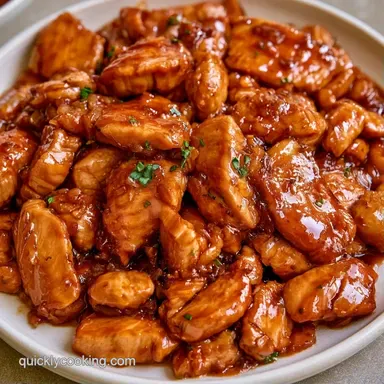
30Minute Low FODMAP Stir Fry in 25 Minutes
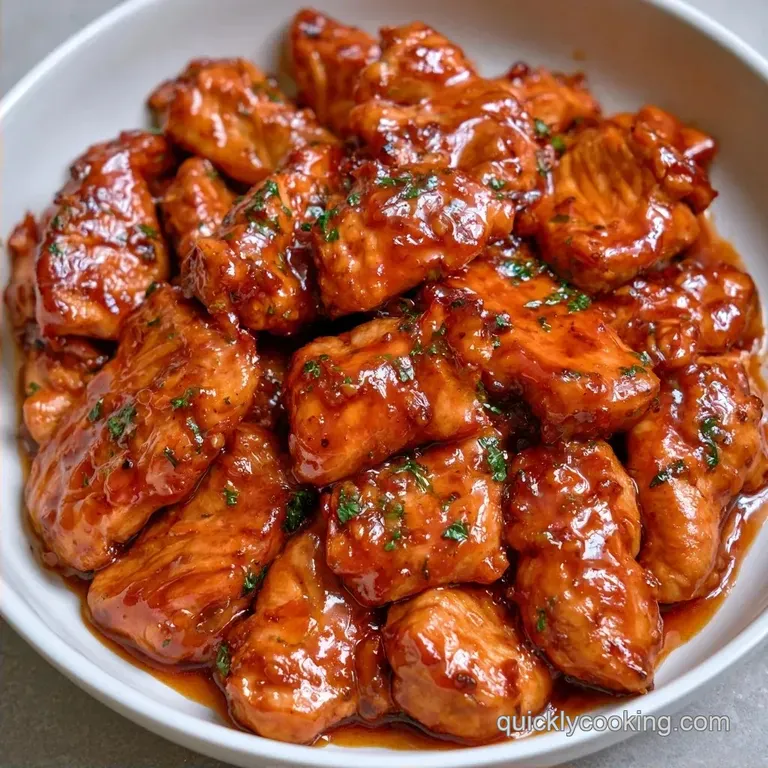
- Time: 15 min prep + 10 min cook
- Flavor/Texture Hook: Glossy mahogany glaze with a crisp vegetable snap
- Perfect for: Stressful weeknights or gut friendly meal prep
Nothing beats the aromatic, spicy scent of fresh ginger sizzling in a hot pan. For a long time, I assumed a low FODMAP diet meant sacrificing excitement in my meals particularly Asian style recipes and I really missed the rich, savory depth provided by onions and garlic.
Fortunately, you can achieve those flavors without the actual bulbs. The secret lies in garlic infused olive oil, which delivers the same fragrance and complexity without the fermentable carbohydrates that lead to bloating. It’s a game changer for those with an extra sensitive digestive system.
Efficiency is key for this 30Minute Low FODMAP Stir Fry. While the prep work takes longer than the actual cooking, the process moves quickly once the pan reaches temperature. The goal is a high heat sear that ensures the vegetables stay crisp rather than becoming mushy.
30Minute Low FODMAP Stir Fry
Infused Aromatics: Garlic infused oil provides the savory profile of garlic because the FODMAPs aren't oil soluble, meaning the flavor stays but the triggers go.
The Sear Sequence: Cooking the chicken first and removing it prevents the meat from overcooking while the vegetables soften.
Starch Slurry: Adding cornstarch directly to the cold sauce creates a smooth, glossy finish that clings to the ingredients rather than pooling at the bottom.
| Style | Prep Effort | Flavor Depth | Texture |
|---|---|---|---|
| Classic Stir Fry | Medium | High (Fresh Garlic/Onion) | Mixed |
| This Fast Version | Low | High (Infused Oil/Tamari) | Crisp & Consistent |
Why These Ingredients Work
| Ingredient | What It Does | Best Swap |
|---|---|---|
| Tamari | Provides salty, umami base | Coconut Aminos (slightly sweeter) |
| Maple Syrup | Balances salt with a hint of sweet | Brown rice syrup |
| Cornstarch | Thickens the sauce into a glaze | Arrowroot powder |
| Garlic Infused Oil | Adds savory depth without bloat | Ginger infused oil |
For the Low FODMAP Stir Fry Sauce
- 1/4 cup tamari Why this? gluten-free and rich in umami.
- 1 tbsp maple syrup Why this? Low FODMAP sweetener for balance.
- 1 tbsp rice vinegar Why this? Adds a necessary acidic brightness.
- 1 tsp fresh ginger, grated Why this? Adds a fresh, peppery zing.
- 1 tsp cornstarch Why this? Ensures the sauce sticks to the food.
For the Stir Fry Base
- 1 lb chicken breast, thinly sliced Why this? Lean protein that cooks quickly.
- 2 tbsp garlic infused olive oil Why this? Flavor without the digestive distress.
- 1 cup carrots, julienned Why this? Adds color and a sturdy crunch.
- 1 cup red bell pepper, thinly sliced Why this? Sweetness and vibrant color.
- 2 cups baby bok choy, chopped Why this? Mild flavor and great texture.
- 1/2 cup green parts of scallions, sliced Why this? The greens are low FODMAP.
Recipe Specs
This recipe is designed for a fast turnaround. Since we're working with thinly sliced protein and julienned vegetables, the actual cooking time is minimal.
- Active Prep Time:15 minutes
- Active Cook Time:10 minutes
- Total Time:25 minutes
- Yield: 4 servings
Right then, let's make sure your workspace is ready. Stir frying is a "mise en place" game. If you're chopping carrots while the chicken is already searing, you'll overcook the meat. Get everything in bowls first.
Equipment Needed
Any standard home kitchen will do for this recipe. The most critical tool is a wide pan, which gives the ingredients enough space to cook properly.
- Wok or Large Non-Stick Skillet: While a wok is ideal for spreading heat, a large skillet is an equally effective choice.
- Small Whisk or Fork: To mix the sauce until it's completely smooth.
- Sharp Chef's Knife: Vital for creating thin, even slices.
- Tongs or a Spatula: For efficient tossing and flipping.
Chef's Note: If you're working with a small pan, cook the chicken in two separate batches. Overcrowding the pan leads to steaming rather than browning, which means you'll miss out on that golden crust.
Bringing It Together
Preparing the Ingredients
In a small bowl, whisk together the tamari, maple syrup, rice vinegar, grated ginger, and cornstarch. Stir until the mixture is smooth and all cornstarch lumps have vanished. Cut your chicken and vegetables into uniform pieces; thinner slices will cook more quickly.
Searing the Meat
Heat 1 tbsp of garlic infused olive oil in a wok over medium high heat. Once the oil shimmers, arrange the chicken in a single layer. Sear for 2 minutes without moving the pieces to develop a brown crust, then stir fry for another 2-3 minutes until fully cooked.
Remove the chicken from the pan and set it aside on a plate.
Quick Frying the Vegetables
Add the remaining 1 tbsp of oil to the pan. Toss in the sliced red bell peppers and julienned carrots. Stir fry for 2 minutes until the colors are vibrant but the vegetables still have a snap.
Finishing the Glaze
Add the scallion greens and chopped baby bok choy. Toss constantly for 60-90 seconds until the greens just begin to wilt. Return the cooked chicken to the pan and pour the sauce over the mixture.
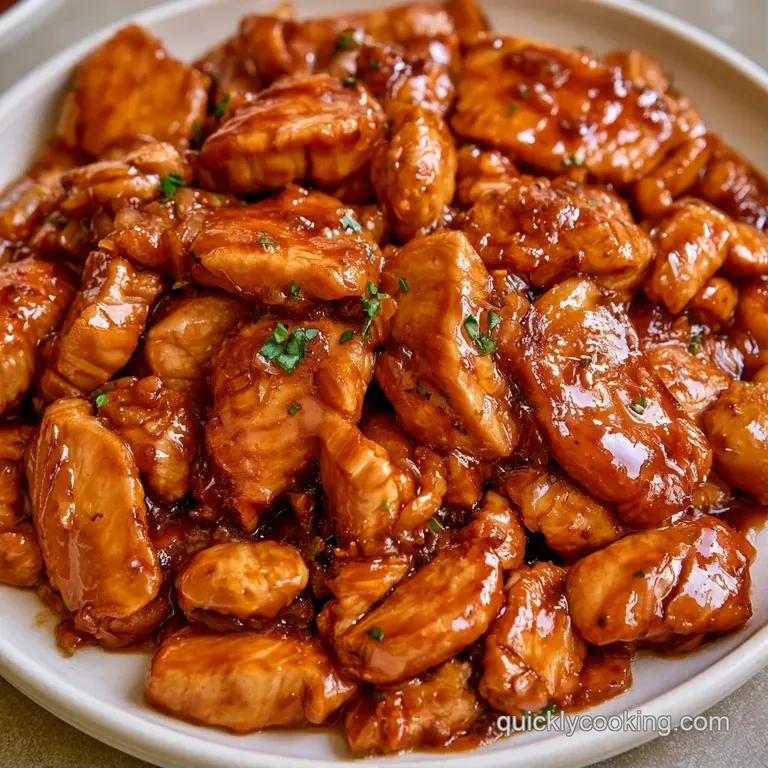
Stir fry for 1-2 minutes until the sauce bubbles and becomes a glossy, mahogany colored glaze.
What Can Go Wrong (and How to Fix It)
Preventing Vegetable Sogginess
The most common issue is "stewing." This happens when there's too much moisture in the pan or the heat is too low. The vegetables release water, and instead of searing, they boil. Keep the heat high and don't overload the pan.
Stopping Overcooked Meat
Chicken breast dries out in seconds. That's why we remove it from the pan before the vegetables go in. If you leave the chicken in for the whole 10 minutes, it will turn into rubber.
Avoiding a Broken Sauce
If your sauce looks watery or separates, it's usually because the cornstarch wasn't fully whisked in or the pan wasn't hot enough to activate the thickening agent. Give it another minute of bubbling.
| Problem | Root Cause | Solution |
|---|---|---|
| Veggies are mushy | Heat too low or overcooked | Increase heat; cook in smaller batches |
| Sauce is too thin | Cornstarch not activated | Stir fry 1 more minute on high heat |
| Chicken is dry | Cooked too long | Remove protein as soon as it's opaque |
Keeping It Fresh
Store leftovers in a sealed glass container in the cooler for up to 3 days. The vegetables will lose some of their crunch, but the flavor holds up well.
For reheating, avoid the microwave if you can. Put the stir fry back in a pan over medium heat with a splash of water or a teaspoon of oil. This helps revive the sauce and prevents the chicken from becoming tough.
As for zero waste, don't toss the ends of your carrots or the stems of the bell peppers. Keep a "scrap bag" in your freezer. Once it's full, simmer the scraps with water to make a basic vegetable stock for other meals.
What to Serve This With
This dish is quite light on its own, so pairing it with a hearty base makes it a full meal.
- White or Brown Rice: The classic choice. Rice absorbs the extra mahogany glaze perfectly.
- Quinoa: A great protein rich alternative that keeps the meal gluten-free.
- Rice Noodles: For a more traditional feel, toss in some cooked rice noodles right at the end.
If you're planning your week, this pairs well with other gut friendly options. For example, a Vegan Low FODMAP curry makes a great contrast for a second night of meal prep.
Creative Twists and Swaps
Feel free to customize this quick low FODMAP meal based on whatever ingredients are in your refrigerator.
Low FODMAP Beef Variation
Substitute the chicken with sirloin or flank steak. To keep the meat tender, be sure to slice against the grain. Since beef takes a bit longer to brown, give it one extra minute in the pan.
Low FODMAP Vegetarian Option
Use extra firm tofu instead of chicken. Press it for 15 minutes to remove excess moisture, then cube and sear until golden. For more plant based inspiration, you can visit my Stir Fry for 4 recipe.
Adding Some Heat
Since classic chili garlic sauce isn't an option, try a dash of red pepper flakes or a small amount of sriracha (always check the ingredients for garlic or onion powder).
| Goal | What to change |
|---|---|
| More Volume | Double the bok choy and carrots |
| Lower Sodium | Use "Reduced Sodium" Tamari |
| Different Protein | Swap chicken for shrimp (cook 2 mins total) |
Debunking Kitchen Myths
"Low FODMAP equals bland food." Not at all. By utilizing ginger and infused oils, we achieve the same savory profiles as garlic and onion. You get all the richness without the digestive distress.
"A wok is essential for stir frying." While they are excellent, any wide, flat bottomed pan capable of medium high heat works just as well. The secret is the surface area, not the pan's shape.
"Searing meat locks in the juices." That's a misconception. Searing develops a crust for better flavor and texture, though it doesn't trap moisture inside. However, that mahogany finish is what gives this 30Minute Low FODMAP Stir Fry its restaurant quality taste.
High in Sodium
1120 mg 1120 mg of sodium per serving (49% 49% of daily value)
The American Heart Association recommends a daily limit of 2,300mg of sodium to reduce the risk of high blood pressure and heart disease.
Tips to Reduce Sodium
-
Swap for Low-Sodium Tamari-30%
Replace the standard tamari with low-sodium tamari or coconut aminos to significantly cut the primary source of salt.
-
Dilute the Sauce-15%
Mix the tamari with a splash of water or unsalted vegetable broth to maintain volume while using less sauce.
-
Increase Acidity-10%
Add a squeeze of fresh lime or lemon juice; the acidity tricks your taste buds into perceiving more saltiness.
-
Boost Fresh Aromatics
Double the fresh ginger and scallions to add pungent, complex flavors that distract from the reduced salt levels.
Recipe FAQs
How to keep the chicken tender?
Remove the meat from the pan after it cooks through and set it aside.
Tip: slice the breast thinly to ensure it cooks quickly before drying out.
Do low FODMAP meals always taste bland?
Actually, no. Using garlic infused olive oil provides the savory depth without the digestive triggers.
Tip: freshly grated ginger adds a spicy kick that compensates for missing onion.
What creates the mahogany glaze?
Whisking cornstarch into the cold tamari and maple syrup mixture thickens the sauce upon heating.
Tip: ensure no lumps remain in the slurry before pouring it into the wok.
Can I swap the protein?
Use another thinly sliced protein of your choice.
Tip: if you enjoy the glazing principle here, see how it works in this glazed chicken.
Which vegetables stay crisp longest?
Carrots and red bell peppers maintain their snap when stir fried for only two minutes.
Tip: add the baby bok choy last since it wilts in under 90 seconds.
Is it a myth that soy sauce is required for this flavor?
Not true. Tamari provides the same savory profile while remaining low FODMAP.
Tip: check the label to ensure no honey is added to your tamari.
What is the secret to a professional sear?
Place the meat in a single layer and leave it untouched for two minutes.
Tip: use a wide wok or large skillet to avoid crowding the pan.
Should the sauce be boiled for a long time to thicken?
No, and here's why. The cornstarch activates almost instantly once it hits the hot pan and stir fries for 1-2 minutes.
Tip: stir constantly during the final stage to prevent the glaze from clumping.
30minute Low Fodmap Stir Fry