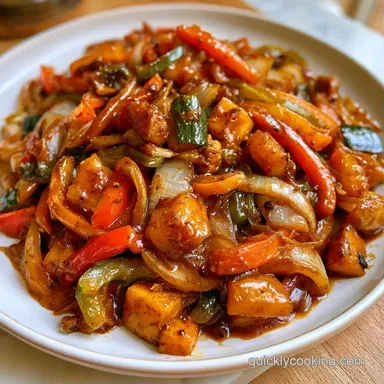
Low FODMAP Vegetable Stir Fry with Ginger Glaze
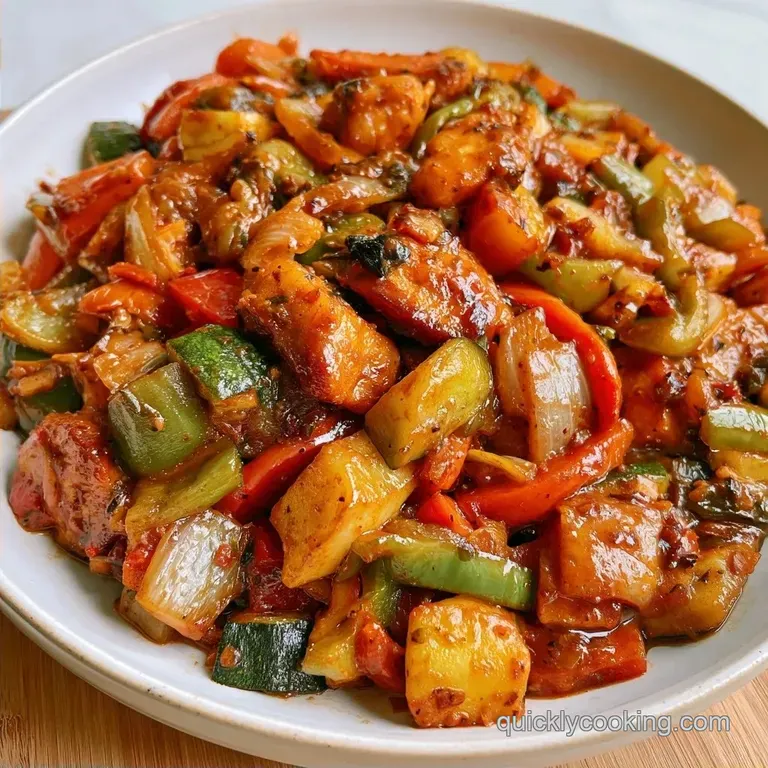
- Time: 15 mins prep | 10 mins cooking
- Key Appeal: Crisp-tender vegetables in a glossy ginger glaze
- Perfect for: Weeknight dinners, meal prep, beginners
- Fast Low FODMAP Vegetable Stir Fry
- How This Recipe Actually Works
- Essential Ingredients for Your Pan
- Simple Tools for Fast Cooking
- Gathering Your Essentials
- Step by Step Cooking Guide
- Fixing Common Stir Fry Issues
- Easy Swaps and Flavor Twists
- Adjusting the Portion Size
- Keeping Leftovers Fresh and Tasty
- Ways to Serve Your Dish
- Recipe FAQs
- 📝 Recipe Card
That signature sizzle means your wok is ready. For a long time, I assumed "healthy" stir fries had to be tasteless or steamed into a pulp. I spent far too many nights eating dull zucchini and limp carrots because I was afraid of overcooking them or using the wrong sauce.
Then I realized the issue wasn't the dietary restrictions, it was the temperature. When preparing a Low FODMAP Vegetable Stir Fry, you have to be bold with the heat. You want the vegetables to sear, not stew.
This recipe focuses on speed and simplicity. We are using a handful of tools and a few clever swaps to ensure the meal is gentle on the stomach while keeping the flavor bold. You'll end up with a rich, mahogany glaze and vegetables that maintain a satisfying snap.
Fast Low FODMAP Vegetable Stir Fry
Let's explore what's happening in the skillet. A common pitfall is overcrowding the pan, which drops the temperature and turns your meal into a soggy mess. By adding ingredients based on their density, you ensure the carrots become tender and the spinach is only just wilted.
The secret here is a high efficiency workflow. Since everything cooks in about 10 minutes once the oil is hot, there is no time for chopping on the fly. This meal demands "mise en place" have everything prepped in bowls before you turn on the heat.
Avoid the temptation to wing the order of the vegetables. Toss the spinach in with the carrots, and you'll have a puddle of green slime by the time the carrots are edible. Stick to the sequence: hard, medium, soft, and then the sauce.
How This Recipe Actually Works
High Smoke Point: Using avocado or grapeseed oil allows the pan to get hot enough to sear the vegetables without the oil burning.
Cornstarch Slurry: Mixing cornstarch with water and tamari creates a thick glaze that clings to the veggies instead of pooling at the bottom.
| Method | Time | Texture | Best For |
|---|---|---|---|
| Fast Sear | 10 mins | Crisp Tender | Busy weeknights |
| Classic Braise | 25 mins | Soft/Tender | Slow cooked sides |
Essential Ingredients for Your Pan
For the Low FODMAP Stir Fry Sauce
The sauce is where the flavor lives. Since we can't use garlic or onions, we lean heavily on fresh ginger and toasted sesame oil. The tamari provides the salt and depth, while maple syrup cuts through the saltiness with a hint of sweetness.
For the Vegetable Base
We're using a mix of colors and textures. Carrots provide the crunch, bell peppers add a slight sweetness, and zucchini gives a softer bite. The scallion greens are a great way to get that oniony flavor without the FODMAPs found in the white bulbs.
Simple Tools for Fast Cooking
You can easily achieve these results at home without professional equipment. While a large wok is ideal due to its curved sides for effortless stirring, a cast iron or heavy bottomed stainless steel skillet is a great alternative. The most important factor is using a pan with good heat retention.
For the sauce, a small whisk is highly recommended to prevent cornstarch clumps from appearing in your glaze. If you lack a whisk, a fork will do, though it takes a bit more effort to ensure the mixture is completely smooth.
Gathering Your Essentials
| Component | Purpose | Substitute Notes |
|---|---|---|
| Tamari | Salty base | Soy sauce (if not gluten-free) |
| Maple Syrup | Balance | Brown sugar (adds a deeper molasses taste) |
| Cornstarch | Thickener | Arrowroot powder (works similarly) |
| Grapeseed Oil | over High heat sear | Avocado oil (similar smoke point) |
- 1/2 cup (120ml) Tamari Why this? gluten-free saltiness and depth
- 1 tbsp (15ml) Maple syrup Why this? Natural sweetness without high FODMAPs
- 1 tbsp (15g) Fresh ginger, grated Why this? Sharp, clean heat
- 1 tsp (5ml) Toasted sesame oil Why this? Nutty aroma
- 1 tbsp (8g) Cornstarch Why this? Creates the glaze
- 2 tbsp (30ml) Water Why this? Thins the slurry
- 2 tbsp (30ml) Grapeseed or Avocado oil Why this? Doesn't smoke at high heat
- 2 medium (150g) Carrots, thinly sliced into rounds Why this? Sustains crunch
- 1 red bell pepper (150g), sliced into strips Why this? Vibrant color and sweetness
- 1 medium (150g) Zucchini, halved lengthwise and sliced Why this? Absorbs sauce well
- 2 cups (60g) Fresh baby spinach or bok choy leaves Why this? Quick wilt, adds nutrients
- 1/4 cup (15g) Scallion greens only, sliced Why this? Onion flavor, low FODMAP
Step by step Cooking Guide
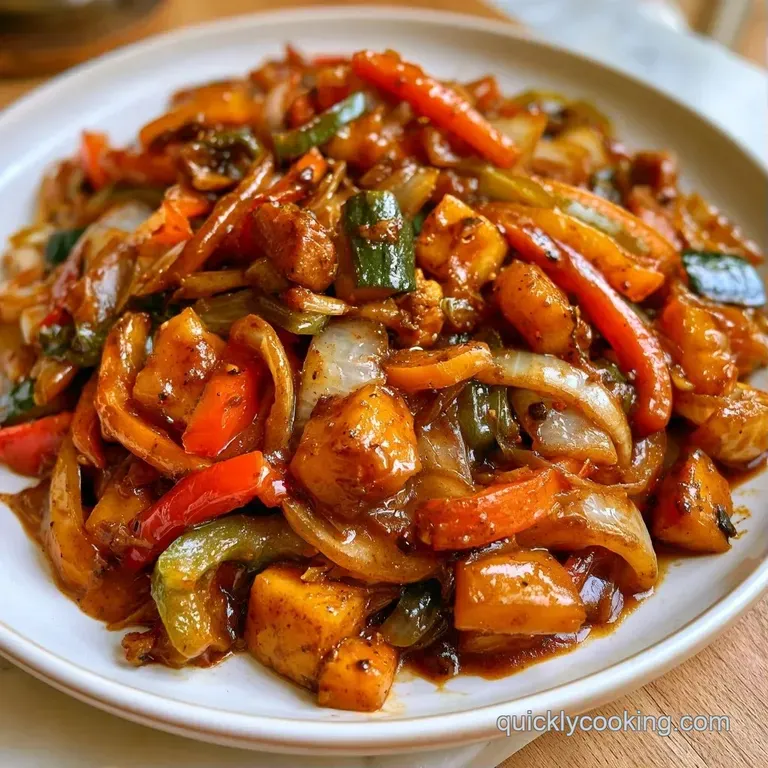
Phase 1: The Mise en Place
- In a small bowl, whisk together the tamari, maple syrup, grated ginger, sesame oil, cornstarch, and water until the mixture is smooth. Note: This ensures the sauce remains lump free.
- Organize your sliced vegetables by cooking order: carrots, bell peppers, zucchini, and lastly the greens. Note: Everything should be prepped before the pan gets hot.
Phase 2: The High Heat Sear
- Warm the grapeseed or avocado oil in a large wok or skillet over medium high heat until it is piping hot.
- Toss in the carrots and stir continuously for 2 minutes.
- Add the sliced zucchini and bell peppers, searing for 3-4 minutes until the edges are lightly browned.
- Mix in the scallion greens and cook for 30 seconds.
Phase 3: The Glaze and Finish
- Give the sauce another whisk to re-incorporate the cornstarch, then pour it directly over the vegetables.
- Stir constantly for 1-2 minutes as the sauce simmers and reduces into a velvety glaze.
- Fold in the bok choy or spinach leaves, removing the pan from the heat immediately once they have wilted.
Fixing Common Stir Fry Issues
When things go wrong with a stir fry, it's usually a temperature or volume issue. If your vegetables look pale and are swimming in water, you've accidentally steamed them. This happens when the pan isn't hot enough or you've put too many veggies in at once.
Another common issue is the sauce. If it stays watery, you might not have stirred the cornstarch enough or didn't let it bubble long enough. The cornstarch needs to hit a certain temperature to "activate" and thicken the liquid.
To Fix Watery Vegetables
Cook in batches. If you have a small pan, sear the carrots and peppers first, remove them, then do the zucchini. Combine them all at the end when adding the sauce.
To Prevent Burnt Sauce
Keep the vegetables moving. The sugar in the maple syrup can burn if it sits still on a hot pan for too long.
| Problem | Fix |
|---|---|
| Veggies are mushy | Increase heat; don't overcrowd pan |
| Sauce is too thin | Simmer for 1 more minute |
| Sauce is too thick | Stir in 1 tbsp water |
| Veggies are burnt | Reduce heat; add sauce sooner |
Easy Swaps and Flavor Twists
To transform this into a Low FODMAP chicken and vegetable stir fry, incorporate 1lb of diced chicken breast. Just brown the chicken first, set it aside, and stir it back in during the final glazing step.
For a nutty texture, toss in sliced almonds or toasted sesame seeds right before serving. If you prefer a spicy kick, whisk red pepper flakes into the sauce.
For something richer and completely different, you might enjoy a Creamy German Hunters Sauce for a non-FODMAP meal, but stick to light flavors for this stir fry.
Decision Shortcut:
- Extra tang? → Add 1 tsp lime juice at the end.
- More heat? → Add 1/2 tsp sriracha (check label for FODMAPs).
- Heartier base? → Serve over steamed jasmine rice or rice noodles.
Adjusting the Portion Size
When scaling down to a half portion, use a smaller skillet. Reduce the cooking time for the carrots by about 20% so they don't overcook. I find it's easier to whisk the full sauce and just use half, as measuring out 1/2 tbsp of cornstarch can be a pain.
For scaling up to 2x or 4x, do not simply quadruple the salt and spices. Increase the tamari and maple syrup to 1.5x first, then taste it. Liquids usually reduce slightly less in large batches, so you might need a bit more cornstarch to get the same thickness.
If you're prepping this in bulk for the week, it fits perfectly into an Dried Meal for 12 recipe setup for hikers or busy office workers. Just remember to cook the vegetables slightly less than usual, as reheating will finish the process.
Keeping Leftovers Fresh and Tasty
Place any leftovers in a glass container and keep them chilled for 3 days. While the vegetables will soften, the flavors actually deepen as the ginger and tamari soak in.
Avoid using the microwave to reheat. Instead, toss the leftovers back into a hot skillet for 2-3 minutes with a splash of water. This helps revive the sear and keeps the vegetables from becoming a soggy mass.
This dish doesn't freeze well. Once thawed, the zucchini and bell peppers lose their structure and become watery. It's best to prepare it fresh or consume it within 3 days.
For a zero waste approach, save your scallion roots. Rinse them and set them in a small glass of water on your windowsill. They'll regrow, giving you a permanent supply of greens for your next stir fry.
Ways to Serve Your Dish
To make a Low FODMAP vegetable stir fry, I recommend using thin rice noodles or gluten-free corn noodles. Let them soak in hot water for 5-10 minutes, then stir them into the pan during the final minute of glazing.
If you prefer a low-carb option, this dish is delicious served over steamed cauliflower florets or enjoyed simply as a side.
For a more substantial bowl, add a protein like shrimp or firm tofu. Since shrimp only need 2-3 minutes of cooking, add them just before the bell peppers. The result is a vibrant, satisfying meal that won't leave you feeling weighed down.
Recipe FAQs
Can stir fry trigger IBS?
This specific stir fry is designed to be IBS-friendly. It uses low FODMAP ingredients like tamari and carrots to prevent common triggers.
Which vegetables should I avoid in this recipe?
Avoid adding garlic, onions, or cauliflower to the mix. These high FODMAP vegetables can cause digestive distress for those on a restricted diet.
How to keep the vegetables crisp?
Sear vegetables over medium high heat for only 2-4 minutes. Removing the pan from heat immediately once the spinach wilts prevents overcooking.
Is it true that cornstarch is not low FODMAP?
Not true. Cornstarch is a low FODMAP thickener that creates a velvety glaze without adding trigger sugars.
Why do the vegetables need to be added in a specific order?
Harder vegetables like carrots take longer to soften than greens. Adding them first ensures everything finishes cooking at the same time.
What to do if the sauce remains thin?
Whisk the sauce again to ensure cornstarch isn't settled at the bottom. Stir constantly for another minute as the sauce bubbles to activate the thickening power.
Does tamari have to be the sauce base?
You can use other gluten-free soy alternatives if preferred. If you loved the savory sweet balance in this recipe, see how we use a similar flavor technique in our potsticker sauce.
Would this go well with rice?
Steamed white or brown rice is the traditional choice for this dish. It absorbs the tamari glaze and makes the meal more filling.
Low Fodmap Vegetable Stir Fry