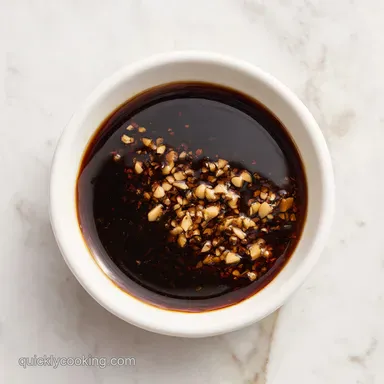
Potsticker Sauce: Zingy and Velvety
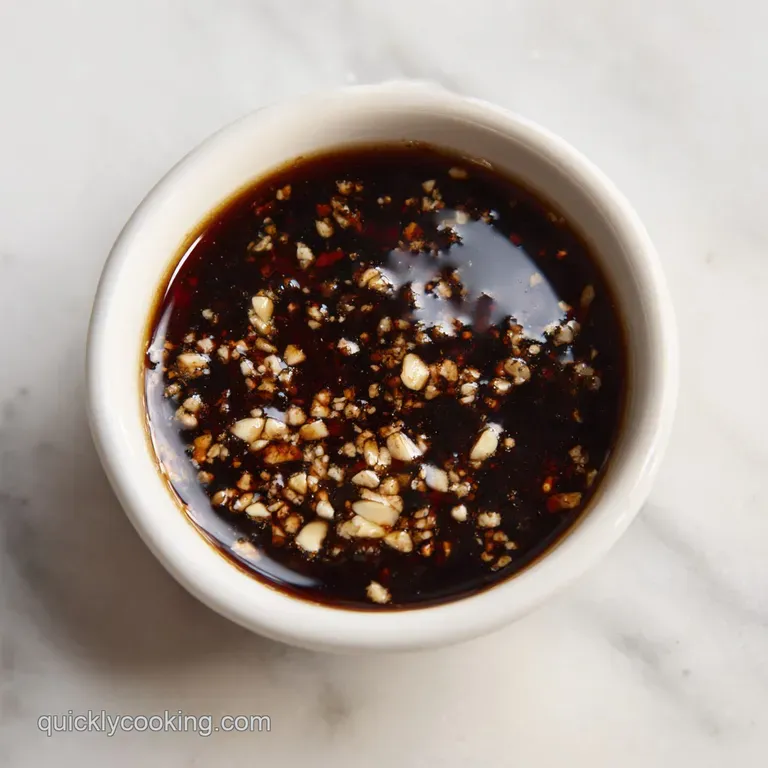
- Time: 5 min active + 0 min cooking = Total 5 minutes
- Flavor/Texture Hook: Sharp, zingy, and velvety with a nutty finish
- Perfect for: Weeknight appetizers, frozen dumpling hacks, or party platters
That sharp, nutty hit of toasted sesame oil hitting the air is the only warning you get before your kitchen smells like a professional dim sum house. I remember the first time I hosted a "dumpling night" for my friends.
I was so focused on the folds of the potstickers that I forgot the dip, so I just put out a bowl of plain soy sauce. It was a disaster. The dumplings were great, but the taste was one dimensional, salty, and honestly, kind of boring.
The real hero here is the soy sauce, which provides that deep, savory umami base. But on its own, soy sauce is just a salt bomb. When you add the right acidity and sweetness, it transforms from a condiment into a sauce.
I spent a few weekends trying different ratios of vinegar and honey to find that exact point where the sauce doesn't overpower the filling of the dumpling but enhances it.
You're going to love this potsticker sauce recipe because it doesn't require a stove or any fancy equipment. It's all about the assembly. We're aiming for a bright, punchy liquid that makes you want to keep dipping.
Whether you're using store-bought frozen gyoza or spending three hours folding your own, this is the only way to serve them.
Simple Potsticker Sauce Recipe
The secret to a great dip is contrast. Potstickers are usually fatty, salty, and have a chewy wrapper. To balance that, we need a sauce that is high in acidity and brightness. This potsticker sauce recipe achieves that by layering rice vinegar with fresh aromatics like ginger and garlic.
Most people make the mistake of over sweetening their Asian dipping sauces. If it's too sweet, it tastes like candy; if it's too salty, you can't taste the ginger. The key is the "golden ratio" of soy to vinegar. By keeping these in a specific proportion, we create a liquid that cleanses the palate between bites.
Since this is a budget smart approach, you don't need the most expensive organic soy sauce on the shelf. A standard, reliable brand works just fine. The real value comes from adding fresh garlic and ginger, which cost pennies but provide a massive jump in flavor. If you're looking for other ways to use bold, salty bases, you might enjoy the depth found in a Homemade Chili recipe, though the flavor profile is entirely different.
The Secret to Balance
To understand why this works, you have to look at how the flavors interact on your tongue. We aren't just mixing liquids; we're managing taste receptors.
- Acidic Cut: Rice vinegar breaks down the perceived heaviness of the fried oil in the potsticker wrapper.
- Umami Depth: Soy sauce provides the glutamates that create a savory "long" flavor in the mouth.
- Aromatic Punch: Raw garlic and ginger contain compounds that provide a sharp, spicy contrast to the mild dough.
- Fatty Finish: A tiny amount of toasted sesame oil coats the tongue, slowing down the absorption of the acid so the flavor lasts longer.
| Feature | Fresh Ginger/Garlic | Powdered/Jarred |
|---|---|---|
| Flavor | Sharp, zingy, bright | Muted, earthy, stale |
| Texture | Tiny bits for visual appeal | Grainy or smooth |
| Cost | Very low | Slightly higher per serving |
Quick Recipe Specs
This recipe is designed for speed. There is no simmering, no reducing, and no waiting. It is a raw assembly that relies on the quality of the ingredients.
According to Serious Eats, the balance of salt and acid is the most critical part of any dipping sauce. In this specific potsticker sauce recipe, we use a 4:2 ratio of soy to vinegar, which is the industry standard for a balanced Asian dip.
| Metric | Value |
|---|---|
| Active Time | 5 minutes |
| Cook Time | 0 minutes |
| Total Time | 5 minutes |
| Yield | 4 servings |
The Key Ingredients
When picking your ingredients, remember that we are going for high efficiency. You don't need a specialized pantry, just a few staples.
Component Analysis
| Ingredient | Science Role | Pro Secret |
|---|---|---|
| Soy Sauce | Primary Salt/Umami | Use a low sodium version if you're sensitive to salt. |
| Rice Vinegar | Acetic Acid (Tang) | Unseasoned is best; seasoned adds unwanted sugar. |
| Honey | Viscosity/Sweetness | Honey binds the oil and water better than sugar. |
| Sesame Oil | Aromatic Fat | Toasted version is mandatory for that "nutty" smell. |
Ingredients & Substitutes
- 1/4 cup soy sauce Why this? Provides the core salt and deep color.
- Substitute: Tamari (for gluten-free) or Coconut Aminos (less salty, slightly sweeter).
- 2 tbsp rice vinegar Why this? A mild acid that doesn't overpower the ginger.
- Substitute: Apple Cider Vinegar (similar tang, slightly fruitier).
- 1 tsp honey Why this? Balances the salt and adds a velvety texture.
- Substitute: Maple syrup or brown sugar (adjust quantity for sweetness).
- 1/2 tsp toasted sesame oil Why this? Adds the signature nutty aroma.
- Substitute: Peanut oil with a drop of liquid smoke (last resort).
- 1 clove garlic, finely minced Why this? Adds a sharp, spicy bite.
- Substitute: 1/4 tsp garlic powder (lacks the "zing").
- 1 tsp fresh ginger, grated Why this? Provides a fresh, peppery heat.
- Substitute: 1/4 tsp ground ginger (much more muted).
- 1 stalk green onion, thinly sliced Why this? Freshness and color contrast.
- Substitute: Chives or the white part of a scallion.
- 1/2 tsp toasted sesame seeds Why this? Adds a slight crunch and visual appeal.
- Substitute: Poppy seeds or omit entirely.
Necessary Kitchen Tools
You don't need a professional kitchen for this. A few basic items will do the trick.
- Small mixing bowl: Something you can easily whisk in.
- Small whisk or fork: To ensure the honey fully dissolves.
- Microplane or fine grater: Essential for the ginger so you don't get big, woody chunks.
- Chef's knife: To mince the garlic and slice the onions.
Chef's Note: If you don't have a grater for the ginger, mince it as finely as humanly possible. Large pieces of raw ginger can be overwhelming in a single bite.
Step-by-step Mixing
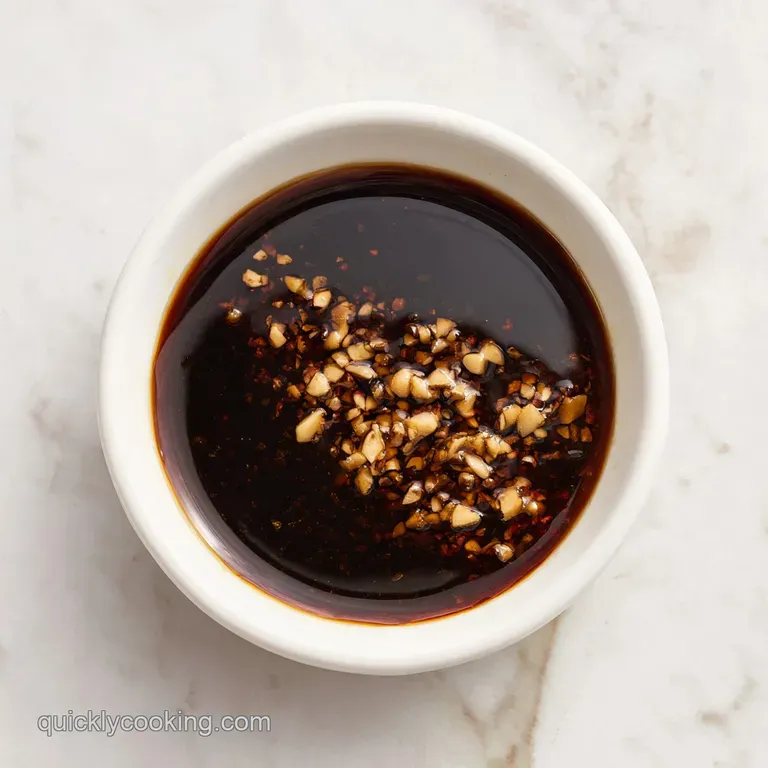
Follow these steps exactly to ensure the honey doesn't clump at the bottom.
- Pour 1/4 cup soy sauce, 2 tbsp rice vinegar, and 1 tsp honey into your bowl. Note: Do this first to create the liquid base.
- Whisk the liquids vigorously until the honey is completely dissolved and the liquid looks uniform.
- Add 1 clove of minced garlic and 1 tsp of grated ginger to the mix. Note: Using a microplane here makes the flavor distribute better.
- Fold in the thinly sliced green onion. Stir gently to avoid bruising the onion.
- Stir in 1/2 tsp toasted sesame oil. Note: Oil is added last to prevent it from separating too quickly.
- Sprinkle in 1/2 tsp toasted sesame seeds.
- Taste the sauce with a potsticker. Check for a sharp, zingy finish that cuts through the dough.
- Adjust the balance. If it's too salty, add another teaspoon of rice vinegar.
Fixing Common Mistakes
Even with a simple potsticker sauce recipe, things can go sideways. Usually, it's a matter of balance rather than a total failure.
Troubleshooting Common Issues
| Issue | Solution | |||
|---|---|---|---|---|
| Why Your Sauce Is Too Salty | This usually happens if you use a high sodium soy sauce or if your measurements are off. Salt is a powerful flavor enhancer, but too much of it masks the ginger and garlic. | |||
| Why Your Sauce Lacks "Zing" | If the sauce tastes flat, you're likely missing acid. The rice vinegar is what "wakes up" the other flavors. If it tastes like soy syrup, you need more vinegar. | |||
| Why Your Oil Is Floating | Since oil and water don't mix, the sesame oil will naturally float. This is normal. Just give it a quick stir right before serving.
Bold Flavor TwistsOnce you've mastered this basic potsticker sauce recipe, you can start playing with the flavor profiles. Depending on what you're serving, you might want to pivot the taste. Adding a Spicy KickIf you like heat, add 1 tsp of Sriracha or Chili Garlic Sauce. For a more authentic feel, use a pinch of red pepper flakes or a teaspoon of Gochujang (Korean chili paste). If you use Gochujang, you might need to reduce the honey slightly because the paste is naturally sweet. Creating a Sweet Soy GlazeWhile this is a dipping sauce, you can turn it into a glaze by adding a cornstarch slurry (1 tsp cornstarch mixed with 1 tsp water) and heating it in a pan for 2 minutes. This will make the sauce velvety and thick, perfect for drizzling over the top of the potstickers. Swapping for gluten-freeSimply replace the soy sauce with Tamari or coconut aminos. Tamari is the best choice here because it maintains the same salt level and umami depth as traditional soy sauce. This is a common tweak in many homemade dressing recipes, where salt balance is key. Freshness and StorageBecause this sauce contains raw garlic and ginger, it doesn't last forever, but it's surprisingly stable in the fridge. Storage Guidelines Keep the sauce in an airtight glass jar in the refrigerator for up to 7 days. The flavors actually deepen after 24 hours as the garlic and ginger infuse into the soy sauce. Always give the jar a good shake before pouring to redistribute the sesame oil and sesame seeds. Freezing and Reheating I don't recommend freezing this sauce. The fresh aromatics (garlic and onion) can lose their bright, sharp quality when frozen and thawed, leaving the sauce tasting dull. Since it takes only 5 minutes to make, it's better to whip up a fresh batch. Zero Waste Tips If you have a half used stalk of green onion, wrap it in a damp paper towel and store it in a container in the fridge to keep it crisp. For the ginger root, keep it in the freezer; it's actually easier to grate when frozen, and it stays fresh for months. Great Pairing IdeasThe beauty of this potsticker sauce recipe is its versatility. While designed for potstickers, it works for almost any fried or steamed Asian style appetizer. Classic Fried Appetizers Try this with fried wontons, spring rolls, or even crispy tofu cubes. The acid in the sauce cuts through the oil of the deep fryer perfectly. Steamed Options For steamed dumplings (shumai) or steamed buns (bao), this sauce provides a necessary punch of flavor that the steamed dough often lacks. Beyond Dumplings Believe it or not, this makes a great marinade for chicken or shrimp. Just double the recipe, marinate your protein for 30 minutes, and grill it. The honey will caramelize on the heat, creating a beautiful charred crust. Decision Shortcut
High in Sodium875 mg 875 mg of sodium per serving (38% 38% of daily value) The American Heart Association recommends a daily limit of 2,300mg of sodium to maintain heart health and reduce the risk of hypertension. Tips to Reduce Sodium
Estimated Reduction: Up to 60% less sodium
(approximately 350 mg per serving)
|
Recipe FAQs
What is potsticker dipping sauce made of?
A blend of soy sauce, rice vinegar, and honey. This base is combined with minced garlic, grated ginger, and sliced green onions, then finished with toasted sesame oil and seeds.
What's a good sauce to have with potstickers?
A savory tart balance of soy and rice vinegar. This acidity cuts through the richness of the fried dough; if you enjoyed this flavor balance, see how we manage richness in our creamy chicken gnocchi soup.
What is the best dipping sauce for dumplings?
A mixture of soy sauce, rice vinegar, and aromatics. The combination of pungent ginger and garlic provides a sharp contrast that enhances the filling of the dumpling.
What do most restaurants dip potstickers in?
A soy-based sauce enhanced with vinegar and sesame oil. These core ingredients create the classic salty, tangy, and nutty profile found in professional kitchens.
How to prevent the honey from clumping in the sauce?
Whisk the honey with the soy sauce and rice vinegar first. Stir vigorously until the honey is completely dissolved before folding in the garlic, ginger, and green onions.
Why is the sesame oil floating on top of the sauce?
This is a normal occurrence. Since oil and water do not mix, the sesame oil will naturally sit on the surface; simply stir the sauce right before dipping.
How to fix potsticker sauce that tastes too salty?
Add a small amount of rice vinegar. Increasing the acidity helps balance the sodium from the soy sauce and wakes up the flavors of the ginger and garlic.
Potsticker Sauce Recipe