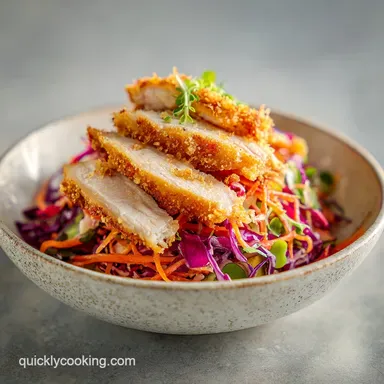
Asian Chicken Crunch Salad: Crispy and Fresh
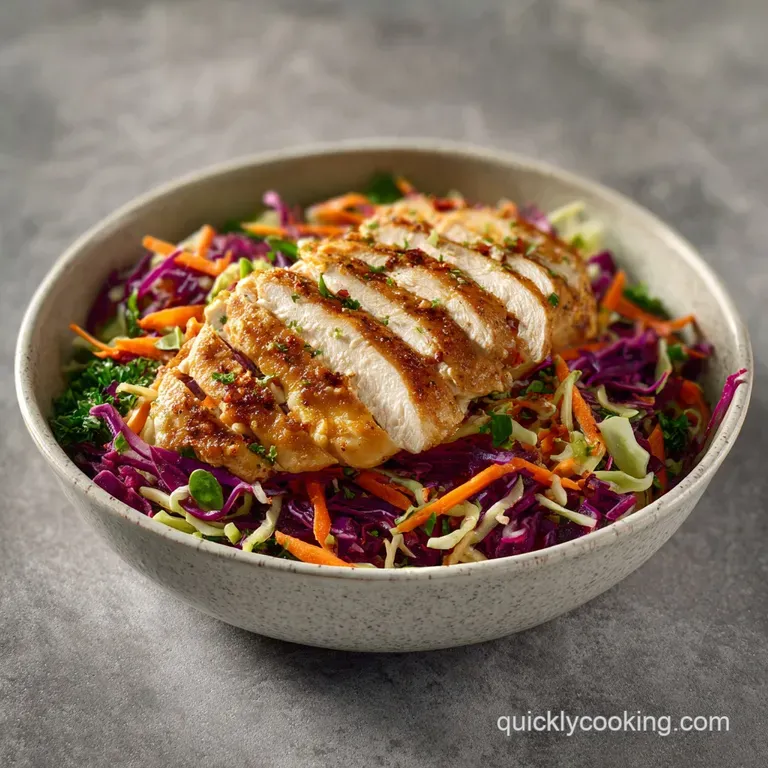
- Time: 15 min active + 15 min cook = Total 30 mins
- Flavor/Texture Hook: Shatter crisp noodles paired with velvety sesame dressing
- Perfect for: High speed weeknight dinners or healthy meal prep
- The Best asian chicken crunch salad chicken salad
- Secret Success Tips
- Recipe Specifications
- Essential Ingredient List
- Kitchen Tools Needed
- Cooking Step Guide
- Fixing Common Issues
- Troubleshooting Common Issues
- Smart Swaps and Options
- Traditional Salad Myths
- Storage and Waste Tips
- Serving Your Salad
- High in Sodium
- Recipe FAQs
- 📝 Recipe Card
The Best asian chicken crunch salad chicken salad
The first thing you'll notice is that crack. That specific, satisfying sound of crispy ramen noodles hitting a bowl of chilled cabbage. For me, this dish always brings back memories of those 90s potlucks where someone always brought a "Chinese Salad" that was more about the crunch than the actual origin.
It's a classic piece of American Chinese fusion, born from a desire to bring bold, savory flavors into a format that feels like a fresh garden salad.
But let's be real: most of those versions were just heaps of cabbage drowned in a sugary dressing. I wanted something that actually tasted like the ingredients, not just a sugar bomb.
This version of the asian chicken crunch salad chicken salad focuses on the umami, using fresh ginger and lime to cut through the richness of the toasted sesame oil. It's fast, it's bright, and it doesn't leave you feeling weighed down.
You can expect a dish that hits every taste bud. You've got the salt from the soy, the sweet from the honey, the tang from the lime, and that deep, toasted aroma that only sesame oil can provide.
It's the kind of meal that feels fancy enough for guests but is simple enough to whip up when you've only got 30 minutes before the kids start complaining they're hungry.
Secret Success Tips
Right then, let's talk about why this actually works. Most salads fail because they become a soggy mess the second the dressing hits the leaves. With this asian chicken crunch salad chicken salad, we're using "hard" vegetables like cabbage and carrots.
These have a much denser cellular structure than lettuce, meaning they can stand up to the acid in the dressing without collapsing immediately.
Water Displacement: Salt in the soy sauce draws moisture out of the vegetables. By adding the crunchiest bits last, we stop the noodles from absorbing that water and turning into mush.
Acid Balance: The combination of rice vinegar and lime juice creates a dual layer tartness. The vinegar provides a mellow, fermented base, while the lime adds a sharp, fresh top note that wakes up the ginger.
Fat Emulsification: Honey acts as a stabilizer between the oil and the vinegar. It helps the dressing cling to the cabbage rather than pooling at the bottom of the bowl. If you're looking for another way to use these flavors, my potsticker sauce recipe uses a similar balance of soy and vinegar for a great dipping experience.
Protein Searing: Slicing the chicken thinly isn't just about bite sized pieces. It increases the surface area, allowing the salt and pepper to create a better crust in the pan, which adds another layer of texture.
Since we're focusing on efficiency, it's helpful to know how different prep methods change the vibe. Some people love the "from scratch" feel, while others just want dinner on the table in 15 minutes.
| Feature | Fresh Chopped | store-bought Mix | Impact |
|---|---|---|---|
| Prep Time | 20-30 mins | 2 mins | Huge time saver |
| Texture | Varied, chunky | Uniform, thin | Bagged is more consistent |
| Cost | Cheaper per lb | Slightly pricier | Bagged costs a convenience premium |
| Freshness | Maximum | High (if bought daily) | Freshly cut stays crisp longer |
Recipe Specifications
To get the most out of this, you need to understand how the ingredients interact. This isn't just a list of stuff; it's a system of flavors. The goal is to create a "shatter" effect where the hard elements (almonds, noodles) contrast with the "snap" of the cabbage.
According to Serious Eats, the key to a great vinaigrette is the ratio of oil to acid, and here we're leaning slightly more toward the acid to keep the salad feeling light.
| Ingredient | Science Role | Pro Secret |
|---|---|---|
| Rice Vinegar | Protein tenderizer | Use "unseasoned" to control the sugar |
| Toasted Sesame Oil | Aromatic fat | Add at the end to preserve the scent |
| Honey | Viscosity agent | Warm it slightly if it's too thick to shake |
| Cabbage Mix | Structural base | Dry the cabbage thoroughly before dressing |
Essential Ingredient List
I've kept this budget friendly. You don't need expensive imports to make this taste authentic. Most of these are pantry staples.
- 450 g boneless skinless chicken breast, thinly sliced Why this? Lean protein that sears quickly
- 15 ml neutral oil (canola or vegetable) Why this? High smoke point for browning
- 3 g salt Why this? Essential for chicken seasoning
- 3 g black pepper Why this? Adds a subtle heat
- 560 g shredded cabbage mix (green and red cabbage) Why this? Provides the "snap" and color
- 130 g shredded carrots Why this? Adds natural sweetness
- 130 g thinly sliced red bell pepper Why this? Fresh, crisp contrast
- 60 g sliced green onions Why this? Pungent, fresh finish
- 60 g sliced almonds, toasted Why this? Earthy, buttery crunch
- 60 g crispy ramen noodles Why this? The signature "shatter" element
- 30 g fresh cilantro, chopped Why this? Bright, citrusy herb note
- 60 ml soy sauce Why this? Deep salty umami base
- 45 ml rice vinegar Why this? Mild acidity
- 30 ml honey Why this? Balances the salt/acid
- 15 ml toasted sesame oil Why this? Nutty, toasted aroma
- 15 g fresh ginger, grated Why this? Zesty, warm spice
- 5 g garlic, minced Why this? Pungent depth
- 15 ml lime juice Why this? Fresh, acidic lift
If you're missing something, don't sweat it. You can swap a few things without ruining the dish.
| Original Ingredient | Substitute | Why It Works |
|---|---|---|
| Ramen Noodles | Wonton strips | Similar crunch, slightly more "bready" |
| Honey | Maple syrup | Same viscosity. Note: Adds a distinct woody sweetness |
| Sliced Almonds | Toasted sesame seeds | Similar nuttiness, but smaller texture |
| Red Bell Pepper | Orange pepper | Same crunch, slightly sweeter flavor |
Kitchen Tools Needed
You don't need a professional kitchen for this. A few basic tools will do. I recommend a large stainless steel bowl because it stays cooler than plastic, which helps keep the cabbage crisp while you're tossing.
For the dressing, a mason jar is a total life saver. Shaking the dressing is infinitely faster than whisking, and it ensures the honey and sesame oil actually combine instead of separating.
For the chicken, a wide skillet is best. If the pan is too small, the chicken will crowd, the temperature will drop, and you'll end up steaming the meat instead of searing it. We want a golden brown crust, not grey, boiled chicken.
Cooking Step Guide
Let's crack on with the actual making of the asian chicken crunch salad chicken salad. Keep your ingredients prepped and ready (mise en place) so you can move fast.
- Heat the neutral oil in a skillet over medium high heat. Note: Wait until the oil shimmers to ensure a good sear.
- Add the thinly sliced chicken breast, seasoning with salt and pepper. Cook for 5-7 minutes, stirring occasionally, until the chicken is golden brown and cooked through.
- Remove the chicken from heat and let it rest for 5 minutes. Note: Resting keeps the juices inside the meat.
- In a large bowl, combine the shredded cabbage, carrots, bell peppers, and green onions. Toss until evenly distributed.
- Pour the soy sauce, rice vinegar, honey, sesame oil, grated ginger, minced garlic, and lime juice into a mason jar.
- Shake the jar vigorously for 30 seconds until the dressing is smooth and glossy.
- Drizzle the dressing over the vegetables and toss gently to coat.
- Top the salad with the rested chicken.
- Fold in the toasted almonds and crispy ramen noodles just before serving. Note: This prevents the noodles from getting soggy.
Fixing Common Issues
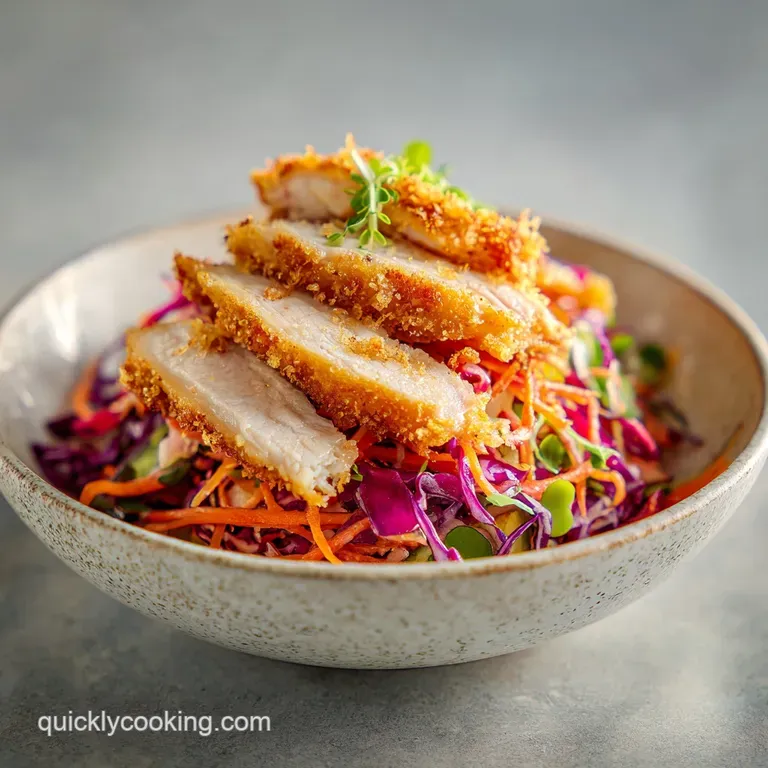
Even the best of us mess up. Usually, the problem with an asian chicken crunch salad chicken salad is either a texture issue or a flavor imbalance.
Troubleshooting Common Issues
| Issue | Solution |
|---|---|
| Why Your Salad Is Soggy | This usually happens if the noodles are added too early or if the cabbage was wet when you dressed it. Cabbage holds a lot of water, and if you've just washed it, that water mixes with the dressing an |
| Why The Dressing Is Too Salty | Depending on the brand of soy sauce, some are way saltier than others. If you've tasted your dressing and it's a salt bomb, you need more acid or sweetness to counteract it. A squeeze of extra lime or |
| Why The Chicken Is Tough | Overcooking chicken breast is easy. If you sear it for too long, it loses its velvety texture. Stick to the 5-7 minute window and always let it rest. |
Common Mistakes Checklist
- ✓ Did you dry the cabbage after washing?
- ✓ Did you let the chicken rest before adding it?
- ✓ Did you shake the dressing until fully emulsified?
- ✓ Did you add the ramen noodles as the very last step?
- ✓ Is the chicken sliced thinly for maximum browning?
Smart Swaps and Options
If you're cooking for a crowd or trying to hit certain macros, you can tweak this recipe. If you want a side dish to go with this, some crispy potato wedges add a great comforting contrast to the light salad.
Scaling Down (Half Batch) For a smaller portion, use a smaller skillet to keep the heat concentrated. Since the chicken amount is lower, it might cook in 4-5 minutes instead of 7.
For the dressing, beat one egg if you were using an egg based binder (not applicable here), but for this vinaigrette, just halve the measurements exactly.
Scaling Up (Double or Triple Batch) When making this for a party, don't just triple the salt and spices. Increase salt and ginger to 1.5x first, then taste. Liquids can be tripled, but I recommend working in batches for the chicken.
If you put 1kg of chicken in one pan, it will release too much moisture and you'll lose that golden brown sear.
If you're feeling adventurous with your protein, you can swap the chicken for shrimp or tofu. Just make sure you sear them separately first.
| Goal | Adjustment | Result |
|---|---|---|
| Low Carb | Replace ramen with slivered cabbage | Maintains crunch, removes gluten |
| Vegan | Tofu + Coconut Aminos | Similar umami, plant based |
| Extra Spicy | Add Sriracha to dressing | Adds a kick and creaminess |
Traditional Salad Myths
There are a few things people get wrong about these types of salads. Let's clear them up.
Myth: Searing chicken seals in the juices. Searing doesn't actually create a seal. Moisture loss happens throughout the cooking process. The sear is for flavor and texture, not for "locking" liquid inside. The resting period is what actually helps the juices redistribute.
Myth: Bagged cabbage is always worse than fresh. Not necessarily. high-quality pre shredded mixes are often processed quickly and kept in controlled environments. For an asian chicken crunch salad chicken salad, the difference in taste is minimal compared to the massive time saving.
Myth: You must use a specific brand of ramen. Any instant ramen works, as long as you discard the flavor packet. The goal is the fried texture of the noodle, not the brand name.
Storage and Waste Tips
This salad is a meal prep dream, but you have to be smart about how you store it. If you mix everything together and put it in the fridge, you'll have a bowl of mush by tomorrow morning.
Fridge Storage Store the dressed vegetables and the cooked chicken in one airtight container for up to 3 days. Keep the dressing in a separate jar if you haven't tossed the salad yet. Most importantly, store the almonds and ramen noodles in a separate dry container or Ziploc bag.
Only combine them at the moment of eating.
Freezing I don't recommend freezing the assembled salad. The cabbage will lose its structure and become translucent and limp. However, you can freeze the cooked chicken breasts if you've made a huge batch. Just thaw them in the fridge overnight before adding to a fresh salad.
Zero Waste Tips Don't throw away the ends of the cabbage or the carrot peels. Toss them into a "scrap bag" in your freezer. Once the bag is full, simmer the scraps with water and a bit of salt to make a basic vegetable stock.
Also, if you have leftover cilantro stems, chop them very finely and add them to the dressing they hold more flavor than the leaves.
Serving Your Salad
To really make this dish pop, presentation matters. I like to serve this in a wide, shallow bowl rather than a deep one. This prevents the heavier chicken and noodles from sinking to the bottom, ensuring every forkful has a bit of everything.
If you're serving this for a dinner party, put the dressed cabbage in a large platter, lay the sliced chicken across the top, and then sprinkle the ramen noodles and almonds over the center like a crown. Finish it with a handful of fresh cilantro and a final squeeze of lime for a professional look.
For those who like a bit more heat, serve a side of chili oil or a dollop of spicy mayo on the plate. It complements the sesame notes and adds a velvety richness to the crunch. This asian chicken crunch salad chicken salad is a high efficiency meal that doesn't compromise on taste, making it a staple for anyone who loves bold flavors but hates spending hours in the kitchen.
High in Sodium
1059 mg 1059 mg of sodium per serving (46% 46% of daily value)
The American Heart Association recommends a daily sodium limit of 2,300mg, with an ideal limit of 1,500mg for most adults to reduce the risk of cardiovascular disease.
Tips to Reduce Sodium in Your Chicken Salad
-
Swap Soy Sauce-30%
Replace regular soy sauce with low-sodium soy sauce or coconut aminos to significantly lower the salt content of the dressing.
-
Cut Added Salt-25%
Reduce or eliminate the 3g of added salt entirely, as the soy sauce and ramen noodles already contribute substantial sodium.
-
Alternative Crunch-15%
Substitute the crispy ramen noodles with extra toasted almonds or toasted sesame seeds to avoid processed sodium.
-
Boost Aromatics
Increase the amounts of fresh ginger, minced garlic, and lime juice to enhance the flavor profile without needing extra salt.
Recipe FAQs
Can I use only red cabbage instead of the mix?
Yes, that works. It will give the salad a deeper purple hue but provides the same structural crunch as the mixed cabbage.
Can I freeze the assembled salad?
No, do not freeze it. The fresh cabbage and bell peppers will lose their cellular structure and become mushy upon thawing.
Why is my salad soggy?
You likely added the ramen noodles too early. This happens when the noodles are mixed in before serving or if the cabbage was not dried after washing.
How to make the dressing smooth and glossy?
Shake all ingredients in a mason jar for 30 seconds. This vigorous action emulsifies the honey and oil into a stable, glossy consistency.
Is it true that I should mix the noodles and almonds in before storing the salad in the fridge?
No, this is a common misconception. Store these crunchy elements in a separate dry container and only fold them in at the moment of eating.
What should I do if the dressing tastes too salty?
Add more lime juice or honey. Increasing the acidity or sweetness balances out the sodium levels found in different soy sauce brands.
How to ensure the chicken remains tender?
Cook for 5 7 minutes over medium high heat. If you mastered the sensory doneness cues here, apply them to our chicken sandwich for perfect results.
Asian Chicken Crunch Salad