Chocolate Espresso Cake: Velvety & Rich
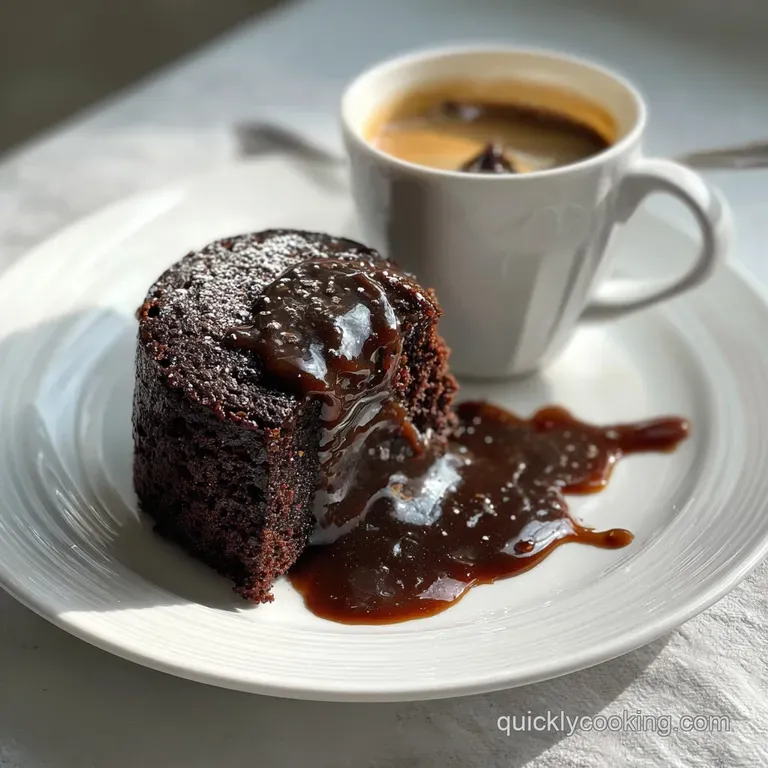
- Time: Active 20 minutes, Passive 35 minutes, Total 55 minutes
- Flavor/Texture Hook: Velvety, dark crumb with a silky ganache finish
- Perfect for: Last minute dinner parties or intense mid week cravings
- Making the Best Easy Chocolate Espresso Cake
- Fast Paced Timeline for Peak Results
- The Molecular Magic of Espresso
- Component Analysis for Ingredient Success
- Sourcing the Finest Cocoa Elements
- Essential Tools for Quick Execution
- Rapid Workflow for Seamless Baking
- Precision Checkpoints for Success
- Preventing Common Cocoa Baking Mistakes
- Creative Twists for Darker Mocha
- Best Methods for Lasting Freshness
- Flavor Pairings for Rich Slices
- Recipe FAQs
- 📝 Recipe Card
Making the Best Easy Chocolate Espresso Cake
The kitchen currently smells like a high end roastery collided with a chocolate shop, and I am not complaining. There is something about the way boiling water hits dark cocoa powder and espresso that changes the energy in the room.
It’s a sharp, earthy aroma that promises a much deeper flavor than your standard box mix, and it happens in seconds.
I first stumbled onto this specific method when I was in a massive rush to provide a dessert for a friend's housewarming. I didn't have time to wait for butter to soften or to carefully cream sugar for ten minutes.
I needed speed, efficiency, and a result that didn't taste "rushed." This Chocolate Espresso Cake was the result, and it has since become my absolute go to for any situation where I need to impress people with very little notice.
You’re going to love how the espresso doesn't make the cake taste like a latte, but instead makes the chocolate taste like a more intense version of itself. It's a clever bit of kitchen trickery.
We aren't making a coffee cake, we're making a chocolate cake that has been "turned up to eleven." Ready to get moving? Let’s crack on.
Fast Paced Timeline for Peak Results
Efficiency is the name of the game here. Because this is a one bowl liquid based batter, you don't need to stagger your ingredient additions as strictly as you would with a pound cake. The goal is to get the batter in the oven while the leavening agents are at their most active.
| Phase | Duration | Focus |
|---|---|---|
| Prep & Mix | 20 minutes | Sifting dry goods and blooming cocoa |
| Baking | 35 minutes | Heat management and doneness checks |
| Finishing | 10 minutes | Cooling and applying the warm ganache |
Comparing this to a traditional "classic" chocolate cake helps explain why we use this specific workflow. A classic cake often relies on air whipped into butter, which takes time and can be temperamental. Our version focuses on chemical leavening and hydration for a faster, more reliable result.
| Feature | Fast Method (This Recipe) | Classic Creaming Method |
|---|---|---|
| Fat Source | Neutral oil for instant moisture | Softened butter for airy structure |
| Mixing Style | Whisk by hand in one bowl | Stand mixer required for aeration |
| Texture | Silky, fudgy, and moist | Light, fluffy, and delicate |
The Molecular Magic of Espresso
Mechanism: Espresso contains specific acidic compounds that trigger an immediate reaction with baking soda, creating a rapid rise. It also contains polyphenols that synergize with cocoa solids, tricking our taste buds into perceiving the chocolate as richer and less sweet.
- The Bloom Effect: Adding boiling water to the cocoa powder dissolves lumps and releases trapped flavor oils, ensuring a velvety mouthfeel.
- Oil vs. Butter: Using oil instead of butter keeps the cake moist even when cold, as oil remains liquid at room temperature.
- Acid Base Balance: The combination of espresso and cocoa (both acidic) reacts with the baking soda to provide a massive lift without a long mix time.
The "Bloom" Technique for Depth
When you pour that boiling water over the cocoa and espresso, you're doing more than just mixing. You are literally cooking the starch granules in the cocoa. This prevents the cake from feeling "grainy" on the tongue.
It's a technique often used in professional bakeries to ensure a consistent, dark color throughout the sponge.
Oil Based Moisture Retention
Oil is 100% fat, whereas butter is about 80% fat and 20% water. By using oil, we ensure the crumb stays supple. If you've ever had a cake that turned into a brick in the fridge, it's likely because it was butter based.
This recipe stays soft for days, which is why it’s a favorite for meal prep or making ahead of time.
Beginner Friendly Science
Even if you aren't a "baker," this recipe is hard to mess up because it doesn't rely on delicate foam structures. As long as your leavening agents are fresh, the chemistry does the heavy lifting for you. It’s much more like a chemistry experiment than a fragile soufflé. This approach is quite similar to the stability found in a Homemade Marble Cake Recipe, where the focus is on a reliable, sturdy batter.
Component Analysis for Ingredient Success
| Ingredient | Science Role | Pro Secret |
|---|---|---|
| Dutch Processed Cocoa | Provides deep color and low acidity | Sift it first to avoid bitter "bombs" in the crumb |
| Baking Soda | Primary leavener for height | Ensure it's less than 6 months old for max sizzle |
| Instant Espresso | Flavor enhancer | Use powder, not granules, for instant dissolution |
| Neutral Oil | Provides consistent moisture | Grapeseed or Avocado oil offer the cleanest flavor |
Sourcing the Finest Cocoa Elements
To get that deep, dark look, you need to be specific about what goes into the bowl. Don't just grab the first tin of cocoa you see.
- 2 cups (250g) All purpose flour: Provides the structure.
- Substitute: gluten-free 1 to-1 blend. Why this? Keeps the cake from being too fragile.
- 2 cups (400g) Granulated sugar: Sweetness and moisture.
- Substitute: Brown sugar (packed). Why this? Adds a hint of molasses depth.
- ¾ cup (65g) Dutch processed cocoa powder: The flavor base.
- Substitute: Natural cocoa powder. Why this? Use natural if you want a lighter, zingier chocolate taste.
- 2 tsp Baking soda: The lift.
- Substitute: 6 tsp Baking powder (if soda is unavailable). Why this? Essential for the chemical rise.
- 1 tsp Baking powder: Secondary lift for a finer crumb.
- Substitute: Skip it and increase soda by 1/2 tsp. Why this? Ensures the cake doesn't collapse.
- 1 tsp Sea salt: Contrast.
- Substitute: Table salt (use 3/4 tsp). Why this? Makes the chocolate flavors "pop."
- 2 tbsp Instant espresso powder: The "secret" ingredient.
- Substitute: Very finely ground dark roast coffee. Why this? Bridges the gap between sweet and bitter.
- 1 cup (240ml) Whole milk: Fat and liquid.
- Substitute: Buttermilk. Why this? Adds a slight tang and more tenderness.
- ½ cup (120ml) Neutral oil: Keeps it moist.
- Substitute: Melted coconut oil. Why this? Adds a very subtle nutty aroma.
- 2 Large eggs: Binding agent.
- Substitute: 1/2 cup unsweetened applesauce. Why this? Rooms temp eggs emulsify much faster.
- 2 tsp Pure vanilla extract: Aromatic backbone.
- Substitute: Vanilla bean paste. Why this? Rounds out the sharp coffee notes.
- 1 cup (240ml) Boiling water: The blooming agent.
- Substitute: Freshly brewed hot coffee. Why this? Use coffee for an even more intense mocha hit.
Chef's Note: If you're out of milk, you can use water, but the crumb will be slightly less velvety. The milk fat is key for that "melt in-your mouth" texture we're chasing.
Essential Tools for Quick Execution
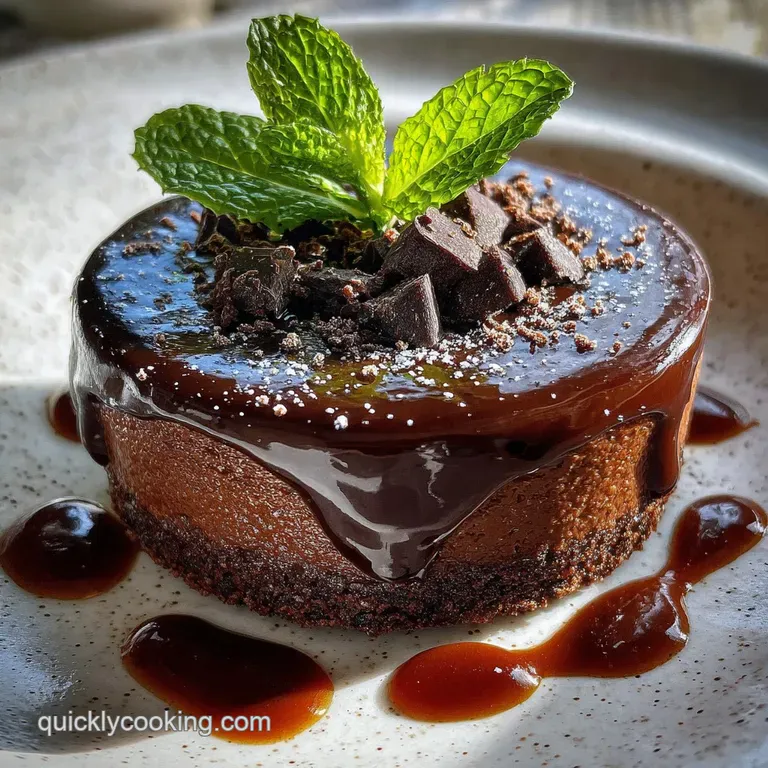
You don't need a pantry full of gadgets for this Chocolate Espresso Cake. In fact, using a stand mixer can actually overwork the gluten because the batter is so thin. Stick to the basics for the best texture.
- Two 9 inch round cake pans: Standard for this volume.
- Fine mesh sifter: Non negotiable for the cocoa and flour.
- Large balloon whisk: Better than a spoon for incorporating the liquids.
- Glass measuring jug: To handle the boiling water safely.
- Parchment paper: To ensure the cakes don't stick.
Rapid Workflow for Seamless Baking
Let's get into the flow. The key here is to have your "mise en place" (everything in its place) before you start the water boiling. Once that water is hot, the clock starts ticking.
Mixing the Dry Base
- Preheat your oven to 350°F. Grease your pans and line the bottoms with parchment circles.
- Sift the flour, sugar, cocoa, baking soda, and powder into a massive bowl. Note: Sifting prevents those tiny white flour clumps from appearing in your dark cake.
- Whisk in the sea salt and espresso powder until the mixture is a uniform, pale brown color.
Preparing the Velvet Batter
- Add the milk, oil, eggs, and vanilla to the dry center.
- Whisk vigorously until the batter is thick and smooth. It will look like a standard chocolate cake batter at this stage.
- Carefully pour in the boiling water. Note: Do this slowly to avoid splashing yourself with hot liquid.
- Whisk gently until the water is fully incorporated. The batter will be very thin and watery - don't panic, this is exactly what we want.
Precision Baking and Finishing
- Divide the batter evenly between the two prepared pans.
- Bake for 30 to 35 minutes. Cook until a toothpick comes out with just a few moist crumbs.
- Cool in the pans for 10 minutes, then transfer to a wire rack to cool completely.
Making the Silky Ganache
- Place chocolate chips and espresso powder in a small glass bowl.
- Heat the heavy cream in a small saucepan until it just begins to simmer (sizzle at the edges).
- Pour hot cream over the chips and let sit for 5 minutes.
- Whisk from the center outward until a glossy, velvety ganache forms. Pour over the cooled cake immediately.
Precision Checkpoints for Success
- Water Temperature: The water must be at a full rolling boil (212°F). If it's just warm, it won't bloom the cocoa properly.
- Internal Temp: If you have a probe thermometer, the cake is "done" at 205°F to 210°F.
- Ganache Resting: Let the ganache sit for exactly 5 minutes before whisking. This allows the heat to penetrate the center of the chocolate chips without breaking the emulsion.
Preventing Common Cocoa Baking Mistakes
Even a "simple" cake can have its off days. If things didn't go as planned, it usually comes down to one of these three factors.
Preventing Gummy Cake Texture
If your cake feels dense or gummy, you likely over mixed the batter after adding the flour. Once the flour hits the wet ingredients, gluten starts to form. In a thin batter like this, you want to whisk just until the lumps disappear. Over mixing leads to a rubbery sponge.
Fixing the Sinking Middle
A cake that looks great in the oven but collapses in the center usually suffered from "peeking." Opening the oven door in the first 20 minutes drops the temperature and interrupts the rise. Also, check your baking soda; if it's old, it won't have the strength to hold the structure up.
| Problem | Root Cause | Solution |
|---|---|---|
| Cake is dry/crumbly | Overbaked or too much flour | Measure flour by weight; check 5 mins early |
| Ganache is grainy | Cream was too hot / seized | Add a tsp of warm cream and whisk fast |
| Cake stuck to pan | No parchment or removed too hot | Always use parchment; wait 10 mins to flip |
Common Mistakes Checklist
- ✓ Always sift the cocoa powder; it's naturally clumpy and won't dissolve on its own.
- ✓ Use room temperature eggs and milk to ensure the oil emulsifies properly.
- ✓ Don't skip the salt; it's the only thing that balances the bitterness of the espresso.
- ✓ Tap the pans on the counter before baking to release large air bubbles.
- ✓ Ensure your oven is fully preheated for at least 20 minutes before the pans go in.
Creative Twists for Darker Mocha
If you want to move away from the "standard" version, there are a few ways to tweak the flavor profile without ruining the chemistry.
- For a Tangy Twist: Replace the whole milk with full fat Greek yogurt. The extra acid will make the cake rise even higher and give it a slight "sourdough" complexity. This is a great variation if you've already mastered our Small Chocolate Cake recipe and want more volume.
- gluten-free Baking Adjustments: Use a high-quality "cup for cup" blend. Since this batter is so liquid, GF flours actually hydrate very well here, avoiding the typical "gritty" gluten-free texture.
- Creating Ultra Dark Mocha: Use "Black Cocoa" (the kind used in Oreo cookies) for half of the cocoa measurement. It will result in a cake that is nearly pitch black and tastes like an intense dark chocolate bar.
Decision Shortcut
- If you want a fudgy, brownie like texture, bake for 30 minutes exactly and use 1/4 cup less flour.
- If you want a sturdy cake for layering, add an extra egg to the batter for more protein structure.
- If you want a boozy kick, replace 2 tablespoons of the boiling water with dark rum or coffee liqueur.
Best Methods for Lasting Freshness
Because of the oil and the espresso acidity, this cake actually stores better than most.
Storage: Keep the cake in an airtight container at room temperature for up to 4 days. If you've applied the ganache, it can stay out for 2 days, but after that, it should go into the fridge.
Freezing: This cake freezes beautifully. Wrap the unfrosted layers tightly in plastic wrap and then foil. They will stay fresh for up to 3 months. To thaw, leave them on the counter for 4 hours before frosting.
Zero Waste Tip: If you have leftover cake scraps from leveling the tops, don't toss them! Crumble them up and mix with a spoonful of leftover ganache to make "Chocolate Espresso Cake Pops." You can also dry the crumbs out in a low oven to use as a "soil" topping for chocolate mousse or pudding.
Flavor Pairings for Rich Slices
This cake is heavy, so you want pairings that provide either acidity or lightness to cut through the cocoa.
- Fresh Raspberries: The tartness of the berries is a classic foil for dark chocolate.
- Salted Caramel Drizzle: If the espresso makes it too "grown up" for you, a hit of caramel rounds it out.
- Cold Whipped Cream: A dollop of barely sweetened cream is better than ice cream here, as it doesn't mask the coffee notes.
- Orange Zest: Grate some fresh orange zest into the ganache for a "Jaffa" style mocha vibe.
This Chocolate Espresso Cake isn't just a dessert; it's a testament to the fact that efficiency doesn't have to sacrifice quality. By understanding how the ingredients interact specifically that beautiful bloom of coffee and cocoa you can create something that tastes like it took all day in under an hour.
Trust me on this one; once you see how much moisture the oil and boiling water provide, you’ll never go back to the old way. Right then, let’s get that kettle on!
Recipe FAQs
What does espresso do to chocolate cake?
It intensifies the chocolate flavor. Espresso doesn't make the cake taste like coffee, but rather makes the chocolate taste richer and more complex by harmonizing with cocoa solids.
What are the best chocolates for espresso cake?
Dutch processed cocoa powder is ideal. Its lower acidity and darker color contribute to a richer, deeper chocolate flavor and color compared to natural cocoa.
What is the 1234 cake rule?
There isn't a universal "1234 cake rule" in baking. This phrase might refer to a specific, less common recipe or a personal mnemonic, but it's not a standard baking principle like the creaming method or reverse creaming.
What is the secret ingredient in Portillo's chocolate cake?
While not officially disclosed, it's widely believed to be the use of espresso powder. Like in this recipe, espresso enhances and deepens the chocolate flavor without imparting a distinct coffee taste.
Can I use coffee instead of espresso powder?
Yes, but use very finely ground dark roast coffee. Brewed coffee can work in a pinch by substituting some of the boiling water, but espresso powder dissolves more easily and offers a more concentrated flavor boost.
How do I make my chocolate cake extra moist?
Use a neutral oil and ensure you don't overbake. Oil provides consistent moisture as it's liquid at room temperature, unlike butter. The "blooming" technique with boiling water in this recipe also helps create a tender, moist crumb.
Why is my chocolate cake dry?
This is usually due to overbaking or incorrect flour measurement. Measure flour by weight for accuracy, and check for doneness early. Overmixing after adding flour can also develop too much gluten, leading to a drier, tougher cake.
Chocolate Espresso Cake
Ingredients:
Instructions:
Nutrition Facts:
| Calories | 428 kcal |
|---|---|
| Protein | 5.7 g |
| Fat | 19.4 g |
| Carbs | 62.2 g |
| Fiber | 3.1 g |
| Sugar | 45.8 g |
| Sodium | 405 mg |
