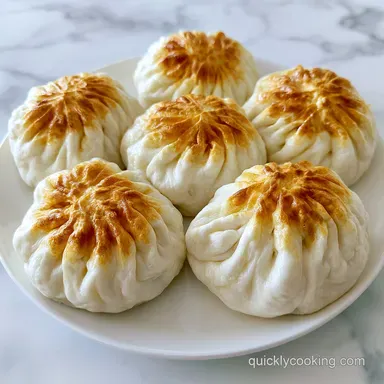
Old Fashioned Drop Dumplings: Failure-Proof
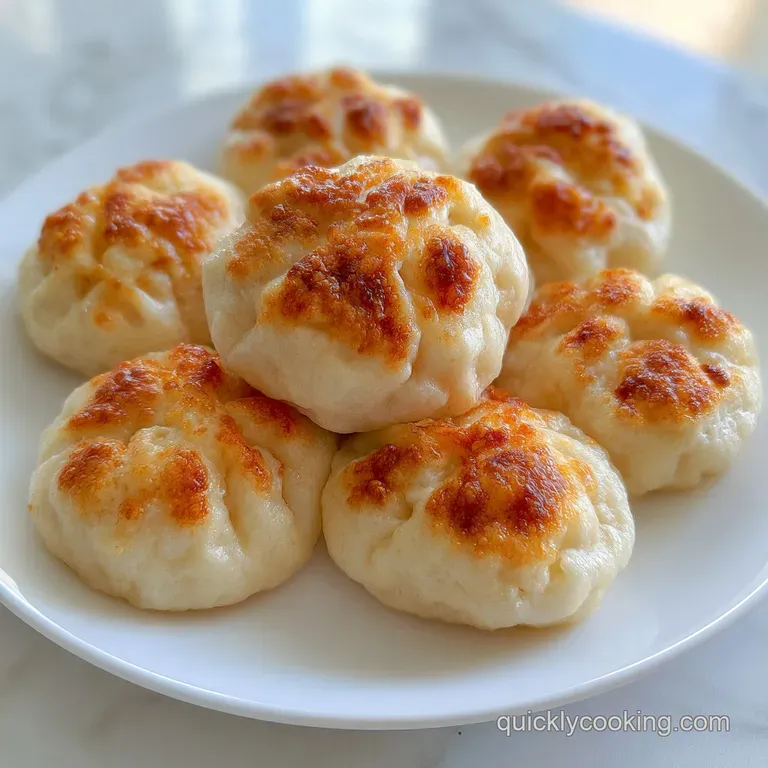
- Time: 5 min active + 15 min cook = Total 20 mins
- Flavor/Texture Hook: Velvety, cloud like tops with a tender, steamed bottom
- Perfect for: Weeknight comfort dinners or adding bulk to a thin soup
Easy Homemade Drop Dumplings
The second that lid hits the pot, the air fills with a heavy, buttery scent. I remember the first time I tried these, I kept lifting the lid every two minutes because I was terrified they weren't rising.
Every time I peeked, the steam escaped, and I ended up with these sad, dense little hockey pucks that barely floated.
It took me one ruined pot of stew to realize that steam is the only thing that matters here. Once I stopped messing with them, I got that shatter thin crust on top and a center that's basically a savory cloud.
You don't need a fancy mixer or a rolling pin for these Drop Dumplings. It's all about mixing just enough to combine the ingredients and then letting the heat do the heavy lifting. You're looking for a quick win that feels like it took hours, but actually takes about 20 minutes from start to finish.
The Secrets of the Rise
Steam Entrapment: The lid creates a pressurized environment, forcing moisture into the dough. This pushes the baking powder to react quickly, lifting the dough upward.
Minimal Gluten: Stirring only until the flour disappears prevents a tough texture. Over mixing creates a bread like chew instead of a tender crumble.
Fat Distribution: Melted butter coats the flour proteins, which interferes with gluten formation. This is what gives the interior that velvety feel.
Leavening Balance: The combination of baking powder and a beaten egg provides a double lift. According to King Arthur Baking, the right ratio of leavening to flour is critical for a consistent rise in steamed doughs.
| Feature | Fast Method | Classic Method |
|---|---|---|
| Prep Time | 5 minutes | 20-30 minutes |
| Texture | Pillowy/Light | Dense/Bready |
| Effort | Mix and Drop | Knead and Roll |
Decision Shortcut: If you want a lighter texture, use slightly more baking powder. If you want them heartier, add a tablespoon of melted butter. If your stew is too thin, simmer it for 5 mins before dropping the dough.
Component Analysis
| Ingredient | Science Role | Pro Secret |
|---|---|---|
| All Purpose Flour | Structural Base | Spoon and level for lightness |
| Baking Powder | Primary Lift | Use "aluminum free" for no metallic taste |
| Beaten Egg | Binder & Lift | Room temperature prevents butter clumping |
| Melted Butter | Tenderizer | Slightly cool before adding to avoid cooking egg |
The Building Blocks
Keep your tools simple. I use one large bowl and a sturdy spoon. No need to pull out the stand mixer for something this quick.
- 2 cups (250g) all purpose flour Why this? Balanced protein for structure and tenderness (Substitute: White whole wheat flour - Note: Heavier texture, more nutty flavor)
- 1 tbsp (12g) baking powder Why this? Provides the immediate lift needed for steaming (Substitute: 3 tsp baking soda + 1 tsp cream of tartar)
- 1 tsp (6g) kosher salt Why this? Enhances the buttery notes (Substitute: Table salt - Note: Reduce to 1/2 tsp)
- 1 tsp (4g) granulated sugar Why this? Helps with a slight golden color (Substitute: Honey - Note: Add 1 extra tsp of flour to balance moisture)
- 3/4 cup (180ml) whole milk Why this? Adds richness and fat for a velvety crumb (Substitute: Buttermilk - Note: Add 1/4 tsp baking soda to neutralize acid)
- 3 tbsp (42g) unsalted butter, melted and slightly cooled Why this? Essential for the "melt in-your mouth" feel (Substitute: Coconut oil - Note: Adds a slight tropical scent)
- 1 large (50g) egg, beaten Why this? Provides structure so they don't collapse (Substitute: Flax egg - Note: Denser result, less rise)
Tools for Fast Prep
You can get away with almost nothing here, which is why I love this recipe. If you have a bowl and a spoon, you're 90% there.
A tight fitting lid is the only non negotiable. If your pot has a loose lid, place a piece of foil or parchment paper over the top before putting the lid on. This locks in every bit of steam, which is the engine that drives these Drop Dumplings upward.
I usually use a medium sized cookie scoop or a tablespoon. This ensures every dumpling is the same size, meaning they all finish cooking at the exact same time. Using a random spoon often leads to some huge ones that stay raw in the middle and tiny ones that overcook.
Step by step Process
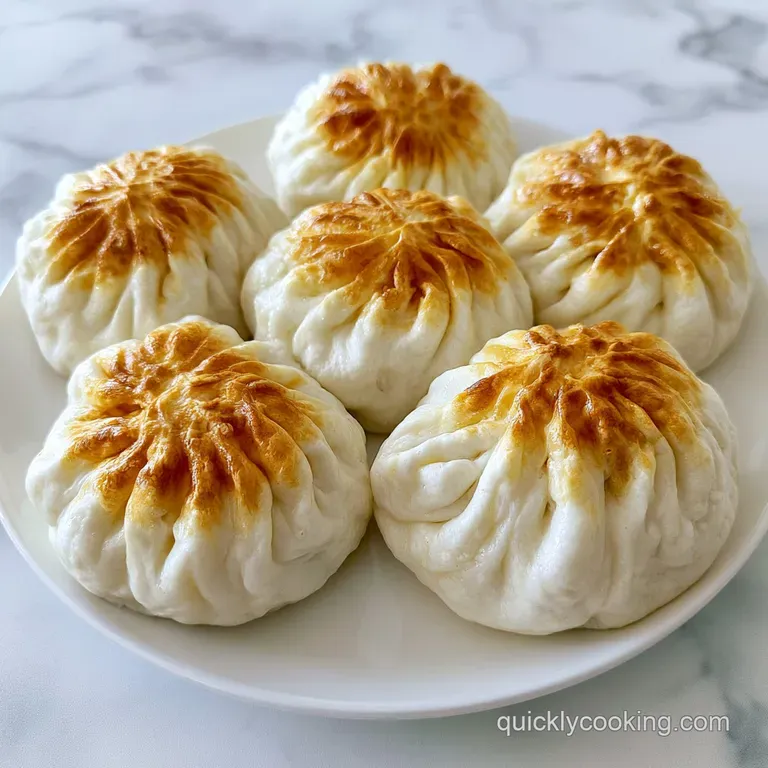
- Whisk together the flour, baking powder, salt, and sugar in a large bowl until perfectly combined. Note: Whisking aerates the flour for a lighter result.
- Create a well in the center of the dry ingredients and pour in the milk, melted butter, and beaten egg.
- Stir with a spoon or spatula just until the flour streaks disappear. Stop as soon as it's combined to keep the batter thick and slightly lumpy.
- Bring your soup or stew to a gentle simmer. Note: A rolling boil will break the dumplings apart.
- Drop rounded tablespoons of dough onto the surface of the liquid, spacing them about an inch apart.
- Cover the pot with a tight fitting lid immediately.
- Simmer on low medium heat for 12-15 minutes.
- Keep the lid closed until the tops feel springy and the centers are set.
- Remove from heat and let sit for 2 minutes before serving.
Fixing Common Dough Issues
The most frustrating thing is when your dough sinks or turns into a gummy mess. Usually, this comes down to temperature or timing. If the liquid isn't simmering, the dumplings won't "set" on the surface and will just dissolve into the soup.
Why Your Dough Sinks
If the liquid is too thin or the batter is too wet, the dumplings will slide under the surface. This usually happens if you over stir the dough, breaking the air bubbles that provide buoyancy.
Gummy Centers
This is almost always caused by "the peek." Lifting the lid lets the heat drop instantly. Because the centers are the last to cook, that sudden temperature drop stops the cooking process before the starch can gelatinize.
Underdone Middles
If the heat is too high, the bottoms burn while the tops stay raw. Keep it at a gentle simmer.
| Problem | Root Cause | Solution |
|---|---|---|
| Flat Dumplings | Over mixing gluten | Stir only until streaks vanish |
| Gummy Center | Lifting the lid | Keep lid sealed for full 15 mins |
| Disintegrating | Liquid too thin | Reduce stew by 10% before dropping |
Common Mistakes Checklist:
- ✓ Did I avoid over mixing the batter?
- ✓ Is the lid tight fitting?
- ✓ Did I resist the urge to peek for 15 minutes?
- ✓ Is the stew at a gentle simmer, not a boil?
- ✓ Are the dumplings spaced an inch apart?
Adjusting Your Batch Size
When you're scaling these Drop Dumplings, you can't just multiply everything linearly if you're using the same pot. The surface area of your pot determines how many dumplings you can fit without them merging into one giant bread loaf.
Scaling Down (Half Batch): Use a smaller saucepan. I've found that reducing the cook time by about 2-3 minutes works best for smaller batches since there's less mass to heat up. If the recipe calls for one egg, beat it in a cup first and use exactly half.
Scaling Up (Double Batch): Don't double the salt or baking powder fully - go to 1.5x first, then taste. If you're doing a massive pot, work in batches. Drop half, let them set for 5 minutes, then drop the rest.
This prevents the liquid temperature from crashing too hard when the cold dough hits.
For the liquids, you can usually reduce the milk by about 10% when doubling, as the larger mass of flour retains more moisture.
Common Cooking Myths
"You must roll the dough" Many people think a rolled dumpling is more traditional. While it creates a different shape, the "drop" method actually results in a lighter, more airy texture because you aren't compressing the dough with a rolling pin.
"Slow cookers are required" You'll see a lot of recipes saying these need 4 hours in a Crock Pot. That's not true. As long as you have a simmer and a tight lid, a stovetop pot works in 15 minutes.
"All purpose flour is too heavy" Some suggest cake flour for a lighter feel. While that works, it changes the flavor. Standard AP flour is the best balance for something that needs to hold up in a savory broth.
Storing Your Leftovers
These are best eaten immediately, but you can store them. Keep the dumplings and the stew together in an airtight container in the fridge for up to 3 days.
For freezing, I don't recommend freezing the cooked dumplings as they can become spongy. Instead, freeze the stew and the dumplings separately. When you're ready to eat, reheat the stew first, then gently place the frozen dumplings on top and cover for a few minutes.
Zero Waste Tip: If you have leftover dough, don't toss it. You can actually pan fry the remaining batter in a bit of butter like a savory pancake. It's a great way to use up the scraps and gives you a crispy contrast to the steamed version.
Best Pairing Ideas
Since these are essentially neutral, buttery pillows, they need something with a punch of flavor. I love them in a thick beef stew or a creamy chicken base. If you're looking for a different vibe, they pair surprisingly well with a Creamy German Hunters Sauce poured over pork chops.
For something lighter, try them in a Chicken Gnocchi Soup style broth. The dumplings act similarly to gnocchi but with a softer, more old-fashioned feel.
Honestly, any liquid that has a bit of salt and fat will work. Just make sure the base is thick enough to support the weight of the Drop Dumplings, or they'll just float around like lost islands in a thin soup. Trust me on this: the thicker the sauce, the better the bite.
Recipe FAQs
What's the secret to flavorful drop dumplings?
Avoid over mixing the batter. Stir only until flour streaks disappear to keep them light and fluffy. If you enjoyed mastering this texture control, see how the same principle works in our moist banana bread.
Can you use all-purpose flour for drop dumplings?
Yes, it is the recommended flour. All-purpose provides the ideal balance of structure and tenderness for this specific dough.
Are dumplings good for kidney patients?
No, they may not be suitable. The combination of whole milk, eggs, and flour contains phosphorus and potassium, which often require restriction in kidney diets.
Do you put eggs in drop dumplings?
Yes, one beaten egg is used. It acts as a binder and helps the dumplings rise and hold their shape during steaming.
How to prevent dumplings from becoming gummy?
Stir the batter just until combined. Stop as soon as flour streaks disappear, leaving the dough slightly lumpy to ensure a tender crumb.
Is it true you have to stir the batter until it's perfectly smooth?
No, this is a common misconception. Over mixing develops too much gluten, resulting in tough, rubbery dumplings instead of fluffy ones.
How to store and reheat leftover dumplings?
Store them in an airtight container in the fridge for up to 3 days. Reheat the stew first, then gently place the dumplings on top and cover.
Fluffy Drop Dumplings