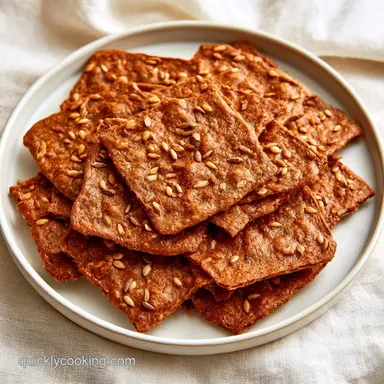
Traditional Swedish Rye Crispbread with Caraway
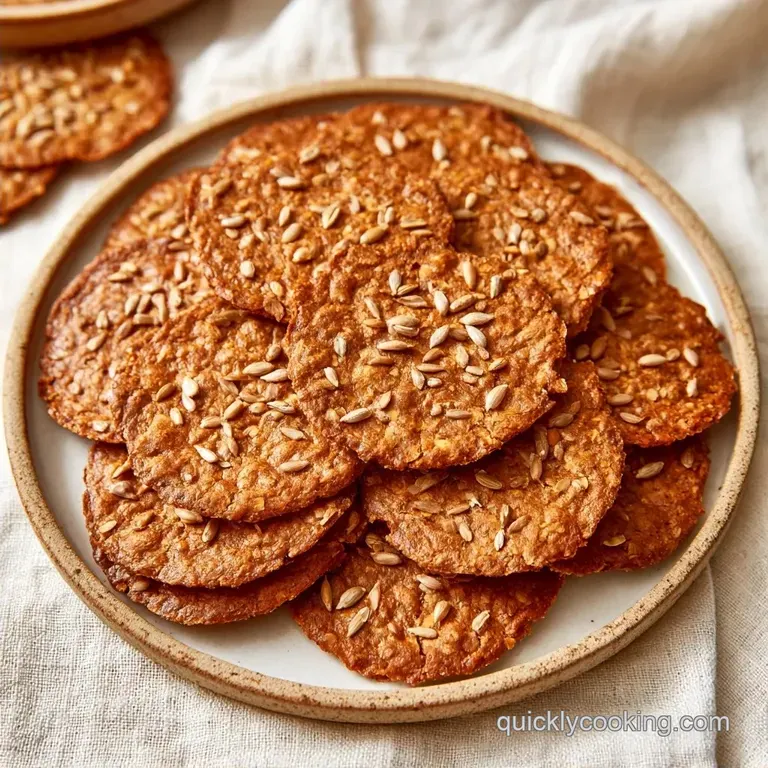
- Time: 20 minutes prep + 30 minutes baking
- Profile: Earthy, nutty, and shatter crisp
- Perfect for: Healthy snacking or a sturdy base for open faced sandwiches
Snap. That is the hallmark of a truly great Knäckebröd. If it bends or resembles a standard cracker, it isn't authentic. I grew up hearing how these were produced in enormous quantities across Sweden to survive the harsh, frozen winters when fresh grain was hard to find.
What began as survival fare evolved into a national treasure.
I'll admit, my earliest attempts were more like roofing tiles than bread. I tried to handle the rye as if it were wheat, and the results were so rigid I nearly broke a tooth. I eventually realized that rye is an entirely different animal; because it lacks the same gluten network, you can't force it.
You have to embrace its natural stickiness.
The secret to this Swedish Rye Crispbread is patience and an incredibly thin roll. Once you master the rolling technique, it becomes one of the most economical things in your repertoire costing just pennies per piece. The resulting deep, malty taste far surpasses anything you'll find in a store.
The Logic Behind the Crunch
The reason this recipe works comes down to how we handle the rye. Rye flour is thirsty, but it doesn't absorb water the way wheat does.
Rye Hydration: Letting the dough rest for 10 minutes stops it from feeling like glue. It gives the fibers time to soak up the water, making the dough easier to roll.
Surface Area: By rolling the disks paper thin, we maximize the area the oven heat can hit. This evaporates the moisture quickly, leaving behind a rigid, crisp structure.
| Version | Flavor Depth | Ingredient Cost | Texture |
|---|---|---|---|
| Homemade | High (fresh seeds) | Very Low | Shattering |
| store-bought | Mild/Bland | Medium | Hard/Uniform |
| Pre made Cracker | Salty/Processed | High | Sandy |
Recipe Specs
Before you start, keep these precision checkpoints in mind to ensure the snap is right. First, your oven must be exactly 350°F. Second, the disks need to be 1/8 inch thick, no thicker. Finally, bake for exactly 12-15 minutes. If you go over, they'll taste like burnt toast.
If you under bake, they'll be chewy.
Right then, let's look at the flow. You'll spend about 20 minutes mixing and rolling, and another 30 minutes across a couple of baking batches. It's a fast process once the oven is hot.
Ingredient Deep Dive
The best part of this recipe is its simplicity. You won't need any exotic ingredients just a few basic pantry staples.
| Component | Purpose | Substitute Notes |
|---|---|---|
| Whole Rye Flour | Earthy, nutty foundation | Spelt flour: More nutty, slightly softer snap |
| All Purpose Flour | Ensures structural stability | Oat flour: Denser, more fragile |
| Caraway Seeds | Authentic Scandinavian taste | Fennel seeds: Sweeter, anise like flavor |
| Baking Powder | Keeps the loaf from being too dense | Baking soda + acid: A similar alternative |
The Full List:
- 2 cups (240g) whole rye flour
- 1/2 cup (65g) all purpose flourPurpose: Adds just enough gluten to prevent the disk from falling apart.
- 1 tsp (6g) sea salt
- 1 tsp (5g) baking powder
- 1 tbsp (6g) caraway seedsPurpose: Creates that classic, savory Scandinavian flavor.
- 1 cup (240ml) warm water
- 2 tbsp (30ml) olive oilPurpose: Prevents the rye from becoming too brittle.
Basic Tools You'll Need
You don't need a professional bakery setup here. A large mixing bowl and a sturdy rolling pin do most of the work.
I highly recommend using parchment paper. Rye dough is notoriously sticky, and without it, you'll be scrubbing your baking sheet for an hour. If you have a pastry wheel, it makes scoring the disks much faster, but a simple kitchen knife works just as well.
Step by step Baking Guide
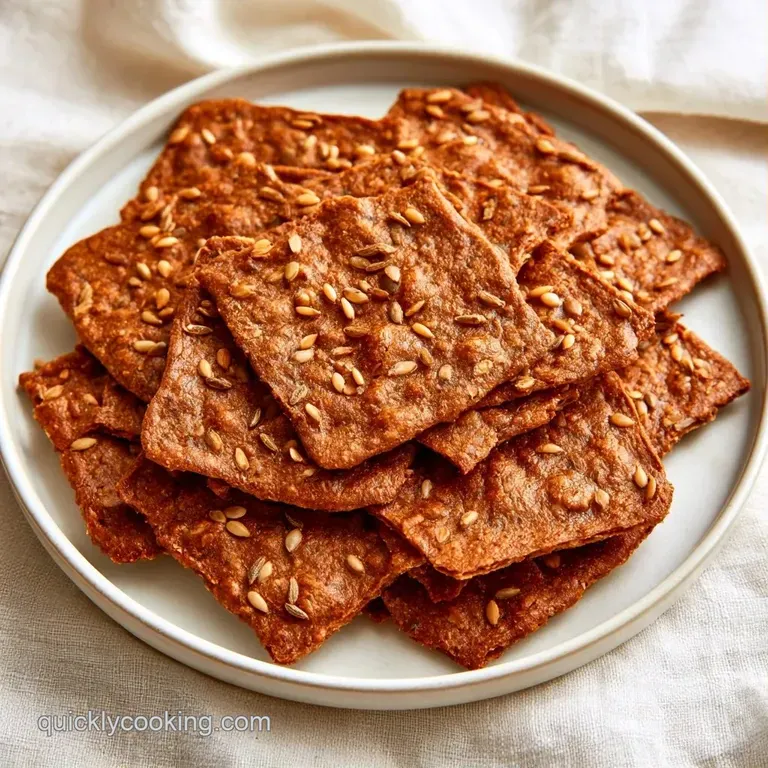
Here is the process. While the steps are simple, the rolling technique is key to a great result.
- In a large bowl, whisk together the rye flour, all-purpose flour, salt, baking powder, and caraway seeds.
- Add the warm water and olive oil, stirring until a sticky, cohesive dough forms. Note: Avoid overmixing to prevent a gummy texture.
- Allow the dough to rest for 10 minutes; this step is essential for the rye fibers to hydrate.
- Set your oven to 350°F (175°C).
- Divide the dough into 6 equal portions and roll them into balls.
- On a surface generously dusted with rye flour, roll each ball into a disk approximately 8 inches in diameter and 1/8 inch thick.
- Place these disks on a baking sheet lined with parchment paper.
- Use a pastry wheel or knife to score the disks into sixths or quarters, being careful not to cut all the way through.
- Lightly brush the tops with water to keep the caraway seeds from popping off while baking.
- Bake for 12-15 minutes until the edges turn golden and the center feels rigid.
Fixing Common Baking Issues
Even with a simple recipe, rye can be temperamental. If your Swedish Rye Crispbread isn't shattering, here is how to fix it.
Fixing a Chewy Center
If the middle of the bread feels flexible after 15 minutes, it was rolled too thick. Put them back in the oven for another 5 minutes. For the next batch, roll the dough thinner. It should almost be translucent.
Preventing Dough Stickiness
Rye is naturally stickier than wheat. If the dough is clinging to your rolling pin, stop fighting it and add more rye flour to your work surface. Avoid using too much all purpose flour for dusting, or you'll lose that earthy flavor.
Stopping the Cracks
If the disks crack during rolling, your dough might be too dry. Add a teaspoon of warm water at a time until the dough feels more pliable. Just remember, it should still be sticky, not smooth like a pizza dough.
Swaps and Flavor Ideas
After mastering the basic version, feel free to experiment with the seeds. I enjoy adding a dash of dried rosemary or smoked paprika for a contemporary flair. If you're looking for something heartier, try my Swedish rye bread recipe, which uses molasses for a softer, richer loaf.
Decision Shortcut:
- For a harder snap: roll to 1/16 inch instead of 1/8.
- For more nuttiness: toast the rye flour in a pan for 5 mins before mixing.
- For easier rolling: use a silicone baking mat instead of parchment.
You could also create a "seed mix" by swapping half the caraway seeds for sesame or poppy seeds. This shifts the flavor profile while keeping the ingredients budget friendly.
Keeping the Crunch Long Term
The best part about Swedish Rye Crispbread is how long it lasts. Because the moisture content is so low, it doesn't spoil quickly.
Store your crispbread in an airtight container or a large tin. They'll stay fresh at room temperature for about 3 weeks. If you live in a very humid area, I suggest keeping the container in a cool pantry.
You can also freeze them for up to 3 months, just toast them for 2 minutes before eating to bring back the snap.
For zero waste, don't throw away the broken pieces. Crush them up and use them as a gluten heavy breading for fish or chicken. They provide a much better crunch than standard breadcrumbs.
Toppings That Actually Taste Good
This is where you can get creative. In Sweden, these are rarely eaten plain. The most traditional way is a thick slab of salted butter and a slice of hard cheese.
If you're feeling fancy, try a layer of cream cheese, sliced cucumbers, and a sprinkle of dill. For a heartier meal, top them with smoked salmon and capers. This makes for a great light lunch that doesn't leave you feeling sluggish.
If you're serving this as part of a larger spread, it pairs great with Swedish oatmeal pancakes for a full traditional breakfast experience.
A few more ideas:
- Avocado, lemon juice, and red pepper flakes.
- Liver pâté with pickled red onions.
- Hummus, sliced radishes, and a drizzle of olive oil.
Debunking the Rye Myths: Some people think rye bread always needs a long fermentation or a sourdough starter. That's true for loaves, but not for crispbread. This version uses baking powder for a quick lift, which is why it's so fast to make.
Another myth is that "hard" means "overcooked." With Knäckebröd, hardness is the goal, as long as the color is golden brown and not black.
Recipe FAQs
What is Swedish style crispbread?
It is a thin, crunchy flatbread traditionally made with rye flour. The low moisture content allows it to stay fresh for a long time.
Are rye crispbreads healthy?
Yes, they are generally nutrient dense because of the high fiber in rye. This makes them a great alternative to refined white crackers.
Why do caraway seeds go into the dough?
Caraway seeds provide a distinct earthy flavor that balances the bitterness of the rye. They also help with digestion.
Is it true that Swedish and Norwegian crispbreads are identical?
Not true. While similar, Swedish versions often focus on a lighter, crispier snap, whereas Norwegian styles can vary more in grain density.
How to get the dough thin enough?
Roll each ball into a disk roughly 8 inches in diameter and 1/8 inch thick. Use plenty of rye flour on your surface to prevent sticking.
What toppings pair well with this bread?
Smoked salmon, cream cheese, or sliced cucumber work beautifully. For a complete meal, serve them alongside vegetarian Swedish meatballs.
Do you have to use a yeast starter for this bread?
Surprisingly, no. This recipe uses baking powder to achieve the lift, making it much faster than traditional sourdough rye.
Swedish Rye Crispbread