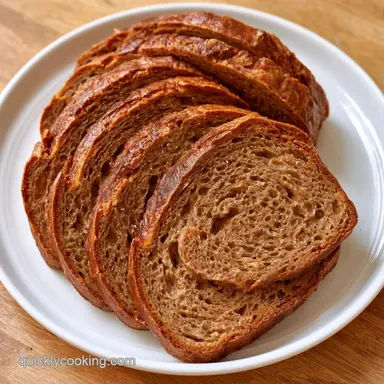
Homemade Swedish Rye Bread with Molasses
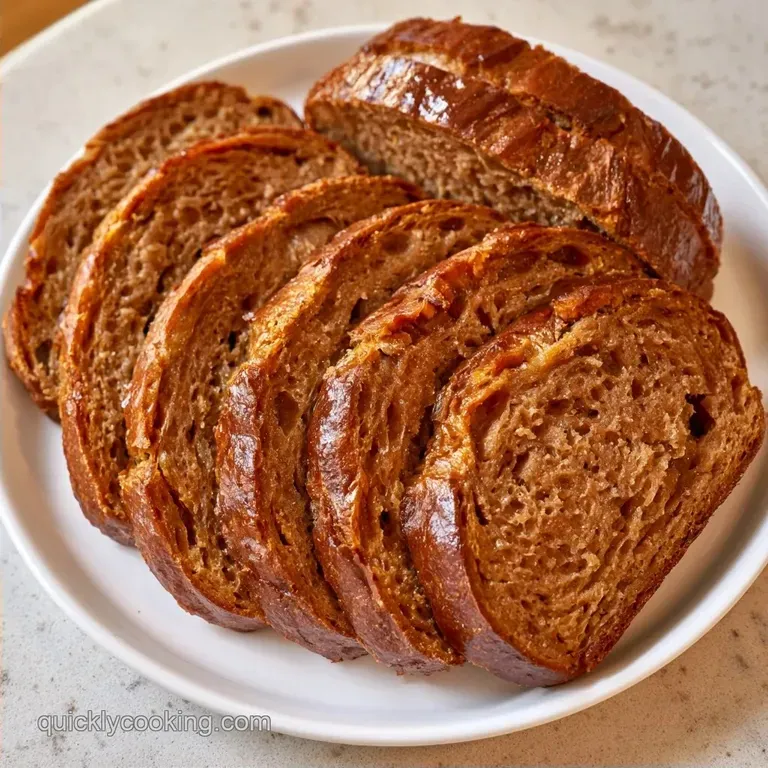
- Time: 30 min active + 3 hours 30 mins rising/baking
- Flavor/Texture Hook: Tangy, hearty, and slightly sweet with a chewy crumb
- Perfect for: Open faced sandwiches or a hearty breakfast
Making a Swedish Rye Bread Recipe
The smell of caraway seeds and molasses hitting a hot oven is honestly one of my favorite things. It fills the whole house with this warm, nostalgic aroma that reminds me of a Nordic bakery. I remember trying a 100% rye loaf a few years back, and it was basically a brick.
It was so dense I could have used it as a doorstop, which is not exactly what you want for breakfast.
That's why I shifted to this approach. By mixing the dark rye with a bit of high protein bread flour, you get a loaf that actually breathes. You still get that characteristic depth, but the bread feels lighter and easier to chew.
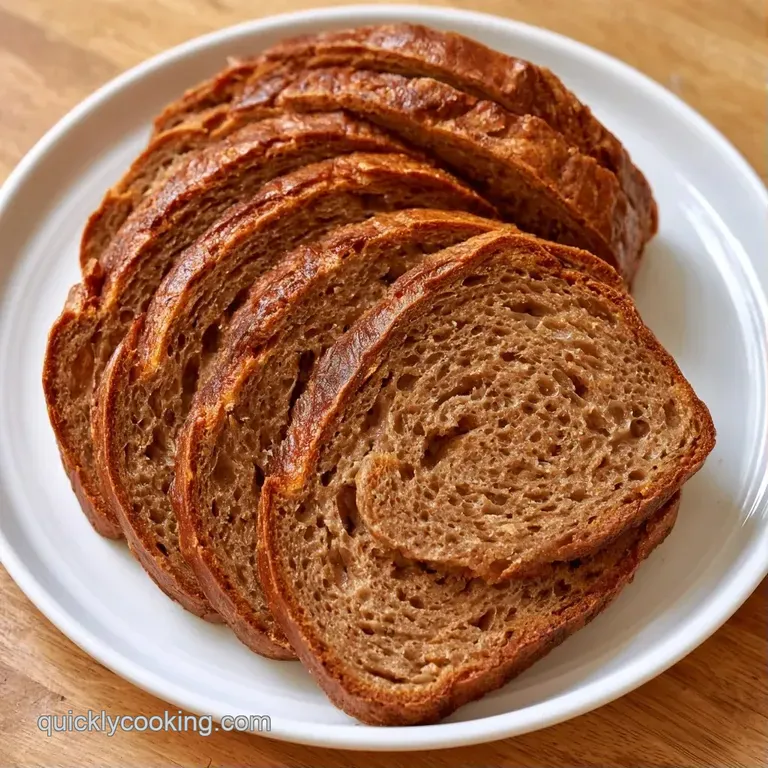
You can expect a dark, glossy crust and a crumb that stays moist for days. This Swedish Rye Bread Recipe isn't about fancy equipment, just a few simple ingredients and some patience while the dough does its thing.
Why This Blend Actually Works
The Bread Flour Scaffold: Rye lacks the gluten needed to trap air, so the bread flour provides the structure. This keeps the loaf from collapsing into a dense puck.
Molasses for Moisture: Molasses is a humectant, meaning it holds onto water. This ensures the bread stays soft instead of drying out like some store-bought versions. If you want something faster and more savory, my cheese bread recipe is a great alternative.
| Goal | What to change |
|---|---|
| Lighter Texture | Increase bread flour by 1/4 cup |
| Deeper Color | Add 1 tbsp extra molasses |
| Less Tang | Swap caraway for celery seeds |
Recipe Specs
This loaf is designed for efficiency and reliability. You don't need a professional kitchen, just a standard oven and a basic mixing bowl.
| Method | Time | Texture | Best For |
|---|---|---|---|
| Loaf Pan | 4 hours 30 mins | Uniform & Moist | Sandwiches |
| Free form | 4 hours 30 mins | Harder Crust | Rustic Boards |
Gathering Your Essentials
I prefer using a digital scale for the flour to avoid the "packing" problem that happens with measuring cups.
| Ingredient | Role | If You Don't Have It |
|---|---|---|
| Dark Rye Flour | Earthy base | Medium rye (will be lighter) |
| Bread Flour | Structure/Rise | All purpose (less lift) |
| Molasses | Color and sweetness | Honey or maple syrup |
| Caraway Seeds | Signature flavor | Fennel seeds |
Full Ingredient List:
- 2 cups (250g) dark rye flour
- 2 cups (260g) bread flour
- 2 ¼ tsp (7g) active dry yeast
- 1 cup (240ml) warm water
- ½ cup (115g) warm milk
- ¼ cup (60ml) molassesWhy this? Adds a rich, dark color and deep sweetness
- 3 tbsp (42g) unsalted butter, melted
- 2 tbsp (25g) brown sugar
- 1 ½ tsp (9g) salt
- 1 tsp (2g) caraway seeds
- 1 tbsp (15ml) water (for brushing)
- 1 tsp (2g) rolled oats (for topping)
| Original Ingredient | Substitute | Why It Works |
|---|---|---|
| Warm Milk | Warm Water + 1 tsp oil | Similar moisture. Note: Crust will be less golden |
| Molasses | Dark Brown Sugar | Sweetness is similar. Note: Lacks the characteristic depth |
| Caraway Seeds | Fennel Seeds | Similar anise like profile. Note: Slightly sweeter |
Required Kitchen Tools
You can get away with very little here. A stand mixer helps, but a wooden spoon and some elbow grease work just as well.
- 9x5 inch loaf pan
- Parchment paper
- Large mixing bowl
- Wooden spoon or dough hook
- Wire cooling rack
- Kitchen scale (optional but recommended)
Step by step Process
This Swedish Rye Bread Recipe utilizes a traditional yeast based method. Just ensure your liquids are warm rather than hot to avoid killing the yeast.
Phase 1: Activating and Mixing
- In a mixing bowl, stir together warm water, brown sugar, and yeast. Allow the mixture to stand for 5-10 minutes until it becomes foamy and bubbly.
- Mix in the warm milk, melted butter, and molasses until everything is well combined.
- Slowly incorporate the rye flour, bread flour, salt, and caraway seeds. Use a wooden spoon or a dough hook on low speed until a shaggy dough forms.
Phase 2: The First Rise
- Move the dough to a floured surface. Knead for roughly 5 minutes until the dough is tacky but no longer sticks to your fingers.
- Place the dough in a lightly greased bowl and cover with a damp cloth. Let it proof in a warm area for 1.5 to 2 hours until it has doubled in volume.
Phase 3: Shaping and Baking
- Gently deflate the dough to release air. Shape it into a loaf and transfer it to a 9x5 inch loaf pan lined with parchment paper.
- Brush the surface with 1 tbsp water and top with rolled oats.
- Bake at 350°F (180°C) for 1 hour until the internal temperature hits 190°F (88°C).
- Take the loaf out of the oven and allow it to cool completely on a wire rack. Note: Slicing too early can make the center feel gummy.
Chef's Tip: Place your butter in the freezer for 10 minutes before melting. This prevents it from overheating and ensures the fat is distributed evenly throughout the dough.
Fixing Common Issues
Rye can be temperamental because it doesn't behave like wheat. Here is how to handle the most frequent hiccups.
Managing Sticky Dough
Rye flour is naturally stickier than wheat flour. If you keep adding flour to stop the sticking, you'll end up with a brick. Use a lightly oiled bench scraper or just wet your hands slightly to handle the dough.
Fixing Flat Loaves
If your dough didn't rise, your yeast might be dead or your water was too hot. Check your yeast by seeing if it foams in the first step. If it doesn't bubble within 10 minutes, toss it and start over with fresh yeast.
Solving Gummy Crumbs
A gummy center usually means the bread was pulled out of the oven too soon. Rye holds a lot of moisture, so it needs that full hour of baking. Always use a thermometer to hit that 190°F mark before removing it from the heat.
Serving and Plating
This Swedish Rye Bread Recipe is best served slightly toasted. The heat brings out the molasses notes and makes the caraway seeds pop.
For a classic Scandinavian experience, try it as Smørrebrød. Toast a thick slice, spread a generous layer of salted butter, and top it with sliced cucumber, smoked salmon, and a squeeze of lemon. It's a great way to make a simple lunch feel like a meal.
Another way to serve it is with a sharp cheddar cheese and some apple slices. The sweetness of the rye pairs perfectly with the saltiness of the cheese.
Keeping Loaves Fresh
Because of the molasses and rye content, this bread lasts longer than a standard white loaf.
Room Temperature: Store in a linen cloth or a paper bag for up to 3 days. Avoid plastic bags, as they can trap too much moisture and make the crust soft.
Freezing for Longevity: Slice the loaf first, then freeze the slices in a freezer safe bag for up to 3 months. This makes it easy to pop a single slice into the toaster.
Reheating Tips: To get that fresh baked feel, sprinkle a few drops of water on a frozen slice and toast it. The steam rehydrates the crumb while the heat crisps the edges.
Adding New Twists
After you've mastered this Swedish Rye Bread, feel free to experiment with a few variations.
Seed Mix: Stir in 2 tbsp of pumpkin or sunflower seeds during the final mixing step to add protein and a satisfying crunch.
Honey Swap: Use honey instead of molasses if you prefer a floral, milder sweetness. The bread will be lighter in color, but the taste remains delicious. For a totally different style, check out this sourdough focaccia.
Savory Boost: Bump up the caraway seeds to 2 tsp and stir in a pinch of ground coriander. This makes for a fragrant, savory loaf that pairs perfectly with thick soups.
Now you're all set to bake a fantastic rye loaf. Just be sure to let it cool fully before slicing while it's tempting to start early, waiting ensures the internal texture is just right. Enjoy your baking!
Recipe FAQs
Is Swedish rye bread healthy?
It is a nutrient dense choice due to the dark rye flour. This grain provides more fiber and minerals than refined white flour.
Which flours work best for this bread?
A mix of dark rye and bread flour is ideal. The bread flour provides the gluten structure needed to keep the loaf from becoming too dense.
Why include caraway seeds in the dough?
Caraway seeds provide the signature earthy, anise like flavor. They balance the natural bitterness of the rye flour.
How to achieve the best rise?
Place the dough in a warm spot for 1.5 to 2 hours. Ensure the water and milk are warm but not hot to keep the yeast active.
Does rye bread always require a sourdough starter?
Actually, no. You can achieve a wonderful flavor and texture using active dry yeast as seen in this recipe.
What combinations taste best on rye?
Butter and strong cheeses or smoked fish are classic pairings. If you enjoy these savory profiles, see how the same salty rich balance works in our garlic knots.
Will a standard loaf pan work for this?
A 9x5 inch loaf pan is perfect for this recipe. Lining it with parchment paper prevents the dough from sticking during baking.
Swedish Rye Bread Recipe