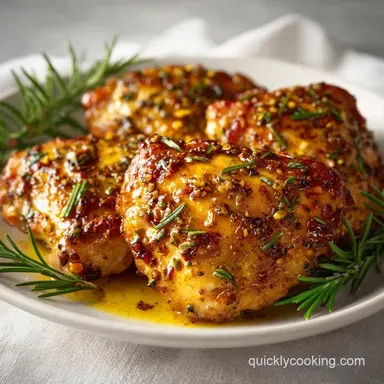
Garlic Herb Chicken Thighs: Crispy Roasted
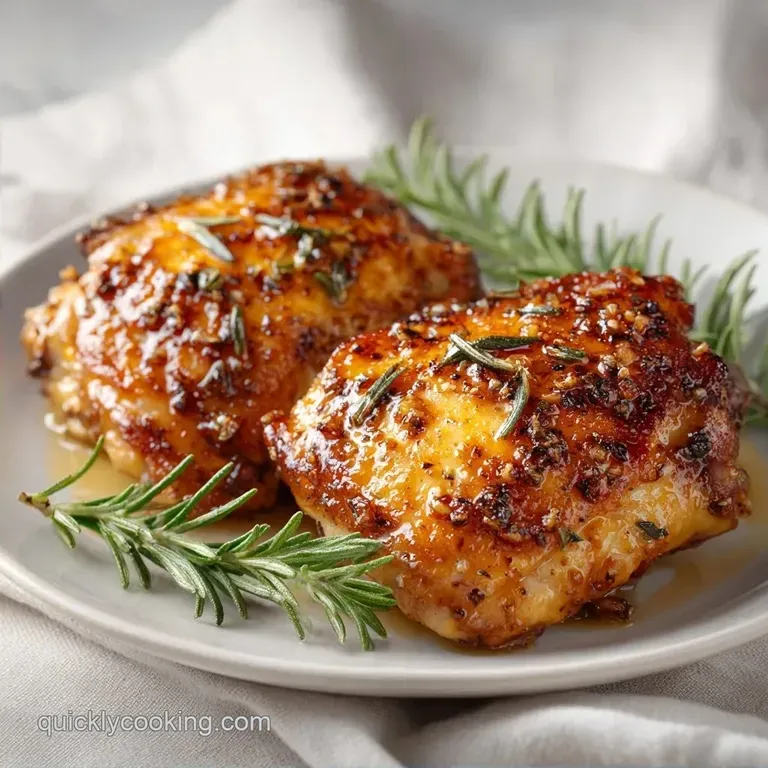
- Time: 10 min active + 45 min roasting
- Flavor/Texture Hook: Shatter crisp skin with a savory, herby interior
- Perfect for: Weeknight dinners or Budget-Friendly guest meals
That loud, rhythmic sizzle when you pull the tray out of the oven is the best part. I remember the first time I tried making a roast chicken for a group, and I skipped the drying step. The skin ended up rubbery, almost like a wet sponge, and the herbs just steamed instead of frying.
It was a disaster, but it taught me that moisture is the enemy of crispiness.
Now, I treat the skin like a canvas. Once you get the butter tucked right against the meat, the flavor infuses deep into the muscle while the skin fries in its own fat. You get this contrast where the outside is salty and crisp, but the inside is almost buttery.
This Garlic Herb Chicken is a staple in my house because it uses cheap cuts but tastes like something from a bistro. It's fast, efficient, and doesn't require you to hover over the stove for an hour.
How to Make Garlic Herb Chicken
The secret here is high heat and bone in thighs. If you use breasts, you'll likely end up with dry meat before the skin actually browns. Thighs are more forgiving, containing enough fat to stay juicy even when you push the oven to 400°F.
I've found that the timing of the garlic is what separates a good roast from a burnt one. By mixing it into the butter and placing it under the skin, the garlic protects the meat and flavors it without scorching in the direct heat of the oven.
Why the Roast Works
- Surface Dehydration: Patting the skin dry removes surface moisture, which allows the fat to render faster and the skin to shatter.
- Fat Insulation: Tucking butter under the skin creates a barrier that baste the meat from the outside in, preventing the protein from toughening.
- Collagen Breakdown: Cooking thighs to 175°F, rather than the standard 165°F for breasts, breaks down the connective tissue for a more velvety texture.
- Aromatic Infusion: Fat soluble flavors in rosemary and thyme bind to the butter, ensuring the herbs don't just burn on the surface but soak into the meat.
According to Serious Eats, chicken thighs are best when cooked to a higher internal temperature to ensure the dark meat is fully tender.
| Method | Time | Texture | Best For |
|---|---|---|---|
| Oven Roast | 45 mins | Deeply browned, juicy | Large batches, hands off |
| Stovetop | 30 mins | Seared bottom, softer top | Quick meals, small portions |
Component Analysis
The combination of fats and aromatics is what makes this dish stand out. I prefer using a mix of soft butter and fresh herbs to create a paste that sticks to the chicken.
| Ingredient | Science Role | Pro Secret |
|---|---|---|
| Unsalted Butter | Fat Medium | Soften to room temp for easier spreading |
| Fresh Garlic | Aromatic | Mince very fine to avoid "garlic chunks" |
| Fresh Herbs | Flavor Profile | Chop them just before using to keep oils active |
| Paprika | Color/Earthiness | Adds that mahogany glow without adding heat |
Required Kitchen Tools
You don't need a professional setup, but a few things make it faster. I always use a cast iron skillet because it holds heat better than a sheet pan, which helps the bottom of the thighs brown.
If you don't have cast iron, a rimmed baking sheet works fine. Just make sure you have a meat thermometer. Guessing when chicken is done is a gamble that usually ends in overcooked meat or a trip to the doctor.
Ingredient Deep Dive
For this Garlic Herb Chicken, I only use items that provide a high return on flavor. I stick to bone in, skin on thighs because they are significantly cheaper than fillets and taste way better.
For the Chicken 6 bone in, skin on chicken thighs (approx. 3 lbs) Why this? Bone keeps meat juicy; skin adds flavor. 1 tsp Kosher salt Why this? Larger grains are easier to control than table salt. 1/2 tsp cracked black pepper Why this? Coarse pepper adds a punchy bite.
For the Garlic Herb Compound 4 tbsp unsalted butter, softened Why this? Carriers the herb flavors into the meat. 4 cloves garlic, minced Why this? Fresh garlic is punchier than powdered. 1 tbsp fresh rosemary, finely chopped
Why this? Piney notes cut through the fat. 1 tbsp fresh thyme, finely chopped Why this? Earthy sweetness that pairs with garlic. 1 tbsp fresh parsley, minced Why this? Adds a bright, clean finish. 1/2 tsp paprika
Why this? Gives the skin a rich, dark color.
Budget Friendly Swaps
| Original Ingredient | Substitute | Why It Works |
|---|---|---|
| Fresh Herbs | Dried Herbs (1 tsp each) | Concentrated flavor. Note: Less vibrant color and aroma |
| Unsalted Butter | Ghee or Margarine | Similar fat content. Note: Ghee handles higher heat better |
| Bone in Thighs | Boneless Thighs | Same flavor profile. Note: Cooks faster, skin is less crispy |
Roasting step by step
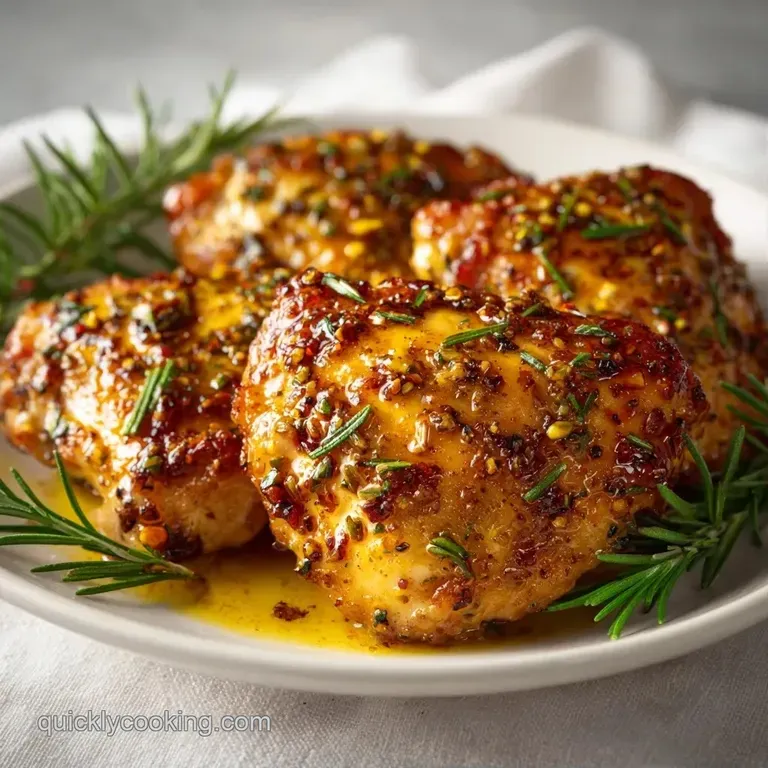
Let's crack on with the actual cooking. Keep your movements efficient and your workspace clean.
- Pat each chicken thigh aggressively dry with paper towels. Note: Any moisture left will steam the skin instead of crisping it.
- Season both sides generously with 1 tsp Kosher salt and 1/2 tsp cracked black pepper.
- In a small bowl, mash the softened butter, minced garlic, rosemary, thyme, parsley, and paprika into a uniform paste.
- Carefully lift the skin of each thigh and slide a teaspoon of the compound butter directly onto the meat.
- Rub the remaining butter over the skin of the chicken.
- Preheat oven to 400°F (200°C).
- Place thighs skin side up in a cast iron skillet or rimmed baking sheet, ensuring at least one inch of space between each piece.
- Roast for 35-45 minutes until the skin is deep mahogany brown.
- Check that the internal temperature of the thickest part reaches 175°F (79°C).
- Transfer the chicken to a plate and let it rest for 5-10 minutes until the juices stop running.
Chef's Note: If you're using a baking sheet and the skin isn't browning enough, turn on the broiler for the last 2 minutes. Just watch it like a hawk so it doesn't burn.
Fixing Common Mistakes
Most issues with Garlic Herb Chicken come down to temperature or moisture. If the meat is dry, you've likely overcooked it or used the wrong cut of meat.
Why Your Skin Is Soggy
This usually happens if the chicken was damp when it went into the oven. If the thighs are crowded together, they release steam that traps moisture under the skin.
Avoiding the Garlic Burn
Garlic burns quickly at 400°F. If you rub the garlic on top of the skin, it will turn bitter and black. Keeping it under the skin protects it.
The Temperature Trap
Many people pull chicken at 165°F. For thighs, this often leaves the meat feeling "rubbery." Pushing to 175°F renders the fat and softens the muscle.
| Problem | Root Cause | Solution |
|---|---|---|
| Skin is pale | Oven temp too low | Increase to 400°F or use broiler |
| Meat is dry | Overcooked | Use a thermometer; pull at 175°F |
| Garlic tastes bitter | Burnt on surface | Keep garlic under the skin |
Mistake Checklist
- ✓ Pat dry with paper towels (do not skip)
- ✓ Check that butter is softened, not melted
- ✓ Space thighs 1 inch apart on the pan
- ✓ Use a digital thermometer for the center
- ✓ Rest the meat for 5 mins before cutting
Recipe Adjustment Tips
If you're cooking for a crowd or just yourself, you can't just multiply everything blindly. Salt and spices don't always scale linearly.
Scaling Down (2-3 pieces) Use a smaller skillet to keep the juices concentrated. Reduce the roasting time by about 20%, as a smaller mass of meat heats up faster. If the recipe calls for an egg in a variation, beat one and use half.
Scaling Up (12+ pieces) Do not crowd the pan. If the thighs touch, they will steam. Work in batches or use two separate baking sheets. Only increase the salt and paprika to 1.5x, as too much salt can draw moisture out of the meat and prevent browning.
| Goal | Adjustment | Result |
|---|---|---|
| Extra Crispy | Air Fryer | 375°F for 20-25 mins |
| More Tender | Slow Cooker | 6 hours on Low (skin will be soft) |
| Leaner | Boneless | Reduce cook time to 25-30 mins |
Common Kitchen Myths
I've seen a lot of bad advice about roasting poultry. Let's clear some things up.
Searing locks in juices. This is simply not true. Searing adds flavor through browning, but it doesn't create a seal. Moisture loss happens regardless of whether you sear first or just roast.
Room temperature meat is a must. While some say you must let chicken sit out for 30 minutes, it's not strictly necessary for thighs. The high heat of the oven compensates quickly, and leaving meat out too long can be a safety risk.
Freezing and Reheating
This Garlic Herb Chicken stores remarkably well. Because thighs have more fat, they don't dry out as fast as breasts when reheated.
Storage Guidelines Keep leftovers in an airtight container in the fridge for up to 4 days. For the freezer, wrap individual thighs in foil and place them in a freezer bag for up to 3 months.
Reheating Tips Avoid the microwave if you want to keep the skin crisp. Put the thighs back in the oven at 350°F for about 10-15 minutes. This crisps the skin back up without overcooking the center.
Zero Waste Don't throw away the pan drippings. Pour them over mashed potatoes or use them to sauté spinach. If you have the bones left over, simmer them with an onion and carrot for a quick, rich stock.
Best Serving Pairings
Since this is a rich, buttery dish, you need something acidic or fresh to balance the plate. I love pairing this with my KFC Potato Wedges recipe because the potato starch soaks up the herb butter from the pan.
For a lighter option, a crisp arugula salad with lemon vinaigrette works well. The bitterness of the greens cuts right through the richness of the butter. If you're feeling fancy, serve these alongside some Garlic Knots to lean into that garlic theme.
Another great move is roasting carrots or asparagus on the same tray as the chicken. They'll cook in the rendered chicken fat, which adds a layer of flavor you just can't get with olive oil.
This Garlic Herb Chicken is a reminder that you don't need a dozen ingredients to make something that tastes professional. Just focus on the texture of the skin and the temperature of the meat, and you're golden. Trust the process, use the thermometer, and enjoy the crunch.
Recipe FAQs
How to make garlic herb chicken thighs?
Pat skin dry and season with salt and pepper. Mash butter with garlic, rosemary, thyme, parsley, and paprika, then tuck this paste under the skin before roasting at 400°F.
How to cook chicken thighs in the oven with bones?
Place thighs skin side up in a cast iron skillet or rimmed baking sheet. Ensure at least one inch of space between pieces and roast at 400°F (200°C) for 35-45 minutes.
How long do you cook baked chicken thighs?
Roast for 35-45 minutes. Pull them from the oven once the skin is deep mahogany brown and the internal temperature reaches 175°F (79°C).
Are chicken thighs good for diabetics?
Yes, they are an excellent protein source. They provide satiety without spiking blood sugar, though you should monitor the butter intake based on your specific dietary needs.
Can I eat chicken thighs with IBS?
Yes, generally. However, some people may find the garlic and herbs in this specific recipe triggering, so adjust the seasoning based on your personal triggers.
How to cook boneless and skinless chicken thighs in an oven?
Reduce the roasting time significantly. Because they lack the bone and skin protection, they cook much faster at 400°F; check for an internal temperature of 175°F sooner to avoid drying them out.
What are some great chicken thigh recipes?
Try a variety of flavor profiles. For a completely different taste, you might enjoy our homemade butter chicken which uses a rich, creamy sauce.
Garlic Herb Chicken 2