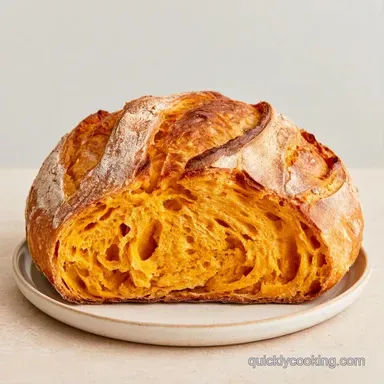
Noknead Pumpkin Sourdough with Pumpkin Puree
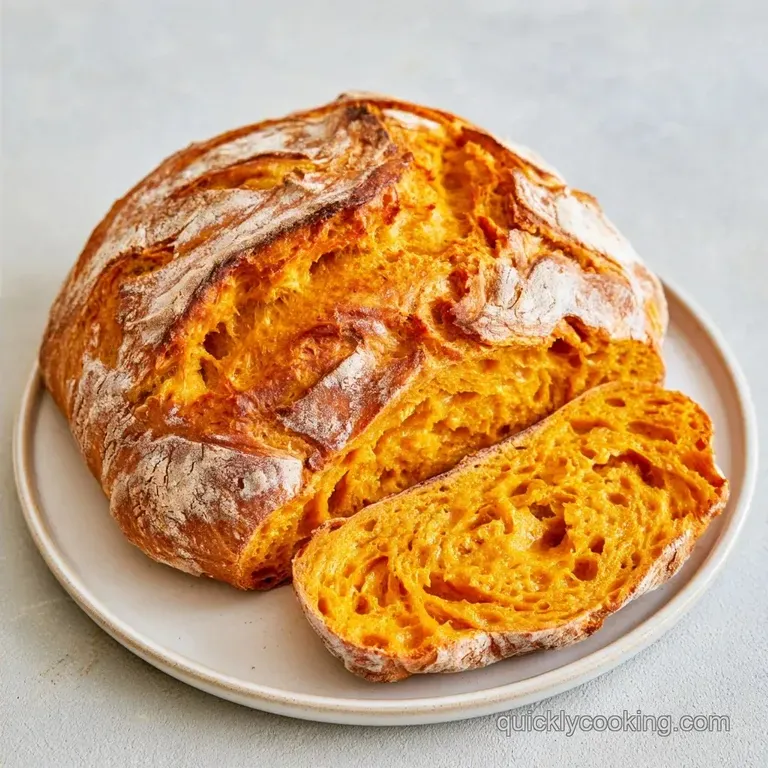
- Time: 15 min active + 23 hours 45 mins resting/baking
- Flavor/Texture Hook: Rich mahogany crust and a soft, spiced center
- Perfect for: An easy autumn brunch or sharing with neighbors
- NoKnead Pumpkin Sourdough for Autumn Baking
- Quick Recipe Specifications
- What Nobody Tells You
- Ingredient Deep Dive
- Essential Baking Tools
- Bringing It Together
- How to Fix Common Problems
- Flavor Variations to Try
- How to Store and Keep Fresh
- How to Serve and Enjoy
- Final Thoughts on Autumn Baking
- Recipe FAQs
- 📝 Recipe Card
NoKnead Pumpkin Sourdough for Autumn Baking
The smell of cinnamon and toasted yeast always hits me first. It's the smell that officially starts October in my house. But my first attempt at a pumpkin loaf was a disaster. I ended up with a center that felt like raw cake, a gummy mess that no amount of butter could save.
I had ignored how much extra moisture pumpkin adds to the dough.
The fix was simpler than I thought. By adjusting the flour ratio and leaning into a long, cold proof, I stopped the sogginess. This NoKnead Pumpkin Sourdough isn't about fighting the moisture, it's about using it to keep the bread fresh for days.
You can expect a loaf that looks professional but requires almost no actual work. We aren't doing intense kneading or complex stretch and folds here. Just a simple mix, a long nap for the dough, and a over high heat blast in the oven to get that shattering crust.
Quick Recipe Specifications
Here is the quick overview. Because this bread relies on slow fermentation, be mindful of the resting periods. The entire process spans 24 hours, though active prep takes only about 15 minutes.
For another use for your starter, try these pumpkin cinnamon rolls for a quicker, sugary treat. This particular recipe aims for a traditional sourdough zest paired with seasonal autumn spices.
Decision Shortcut:
- Extra tang? → Cold proof for 12 hours.
- Sweeter crust? → Brush with maple syrup before baking.
- More lift? → Use high protein bread flour.
What Nobody Tells You
The Hydration Secret: Pumpkin puree contains fiber that holds onto water, which keeps the crumb moist longer than plain water. This naturally extends the shelf life of the NoKnead Pumpkin Sourdough.
The Steam Effect: A Dutch oven traps the water releasing from the dough, creating a mini steam room. This allows the bread to expand fully before the crust sets.
This method is very similar to making Bread in Dutch Oven recipe, but we've stripped back the effort to make it truly no knead.
| Method | Time | Texture | Best For |
|---|---|---|---|
| Dutch Oven | 24 hrs | Thick, crispy crust | Artisan look |
| Open Oven | 24 hrs | Thinner, softer crust | Sandwiches |
Ingredient Deep Dive
We are keeping this budget friendly. You don't need fancy organic flours or expensive additives. Bread flour is the heavy lifter here because its higher protein content supports the weight of the pumpkin puree.
| Component | Purpose | Substitute Notes |
|---|---|---|
| Bread Flour | Provides structure | All purpose: Works, but loaf will be flatter |
| Pumpkin Puree | Moisture and color | Roasted squash: Similar results, slightly sweeter |
| Active Starter | Leavening and tang | Commercial yeast: Changes flavor, removes 20hr wait |
| Maple Syrup | Feeds yeast, browning | Honey: Works well, slightly floral taste |
For the Sourdough Base
The starter needs to be active. I always make sure mine is bubbling and has doubled in size within 4-6 hours of feeding. If it's sluggish, your NoKnead Pumpkin Sourdough will come out like a pancake.
For the Autumn Infusion
Cinnamon and ginger provide the warmth. I prefer ground ginger over powdered because it has a sharper bite that cuts through the sweetness of the maple syrup.
Essential Baking Tools
You don't need a professional bakery, but two things are non negotiable. A 5-6 quart Dutch oven is the gold standard here. It distributes heat evenly and manages the steam.
A digital scale is also a huge help. While I provide cup measurements, weighing your flour prevents the "too much flour" syndrome that leads to a dense, heavy loaf.
Precision Checkpoints: 1. Starter must double in 4-6 hours. 2. Oven must hit 450°F (230°C). 3. Lid stays on for exactly 20 minutes.
Bringing It Together
Phase 1: Mixing the Shaggy Dough
Whisk together 1 cup (225g) active sourdough starter, 1 cup (235ml) warm water, ½ cup (120g) pumpkin puree, and 1 tbsp (15ml) maple syrup until smooth. Stir in 1 tsp (2.6g) ground cinnamon and ½ tsp (1g) ground ginger.
Add 3 ½ cups (450g) bread flour and 2 tsp (12g) fine sea salt. Mix with a spatula until a rough, clumped dough forms and all the flour is incorporated. Note: The dough will be stickier than usual because of the pumpkin.
Phase 2: The No Knead Fermentation
Cover the bowl with a damp cloth or plastic wrap. Let it sit at room temperature for 8-12 hours. Wait until the dough has nearly doubled in size and you see small bubbles on the surface.
Phase 3: Shaping and Cold Proof
Gently transfer the dough to a floured surface. Fold the edges toward the center to create a round boule. Place the dough seam side up in a floured proofing basket or lined bowl. Refrigerate for 4-8 hours. Note: This cold step makes the dough easier to score.
Phase 4: The over High heat Bake
Preheat your oven and a 5-6 quart Dutch oven together to 450°F (230°C). Carefully flip the cold dough onto parchment paper and score the top with a deep slash. Lower the dough into the hot Dutch oven and cover with the lid.
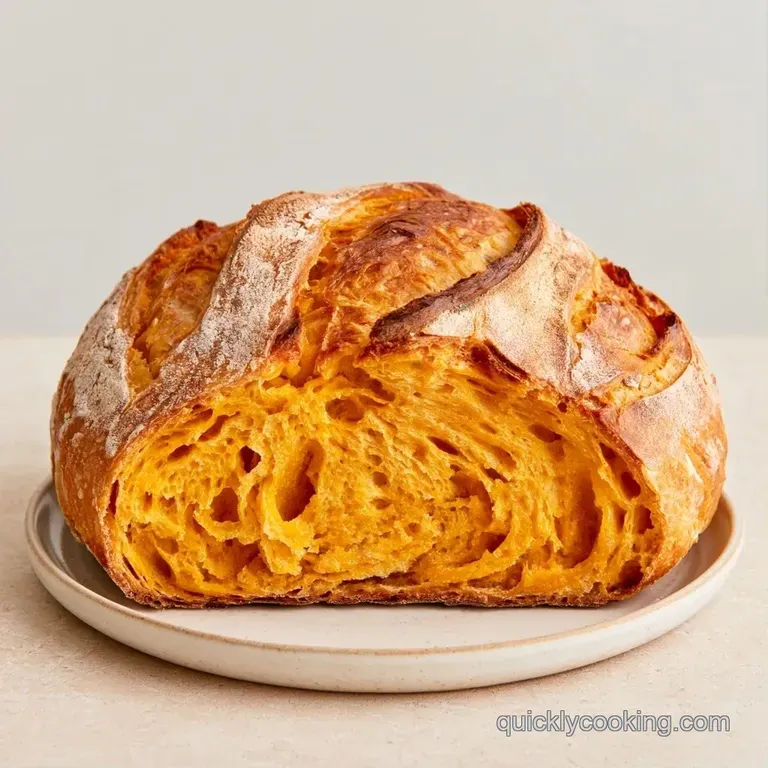
Bake covered for 20 minutes. Remove the lid and bake for another 20-25 minutes until the crust is deep mahogany brown and the bottom sounds hollow when tapped.
How to Fix Common Problems
If your NoKnead Pumpkin Sourdough failed to rise, the issue is typically the starter. Sourdough is a living culture; if it isn't peaking, your bread won't either. Always look for those bubbles before you start mixing.
A gummy interior is another frequent problem. This happens when you slice the bread while it's still hot. Steam is still finalizing the cooking process within the crumb; cutting too soon turns that steam into moisture, resulting in a sticky, undercooked texture.
To Prevent a Flat Loaf
Ensure your starter is active. If it doesn't double in 6 hours, feed it once more and wait. Since pumpkin adds extra weight, the yeast needs more strength to lift the dough.
To Avoid a Gummy Interior
Wait at least 2 hours before slicing. Serious Eats' research indicates that the internal structure of sourdough continues to set as it cools. Patience is the only way to avoid this.
To Manage Sticky Dough
Apply flour to your hands, not just the counter. Pumpkin dough is naturally wetter. If it's clinging to everything, a light dusting of flour on your palms is the best fix.
| Problem | Root Cause | Solution |
|---|---|---|
| Flat Loaf | Weak starter | Feed starter until it doubles in < 6 hours |
| Gummy Crumb | Slicing too soon | Cool completely (2+ hours) before cutting |
| Burnt Bottom | Oven too hot | Position a baking tray on the rack underneath the pot |
Flavor Variations to Try
After mastering the fundamental NoKnead Pumpkin Sourdough, feel free to experiment with mix-ins. I recommend incorporating them during the "shaggy dough" stage to ensure they are evenly distributed.
For a Nutty Crunch
Stir in ½ cup of toasted pepitas or chopped walnuts during the final mix. The saltiness of the nuts provides a wonderful balance to the maple syrup.
For a Savory Twist
Omit the cinnamon and maple syrup. Instead, mix in ½ tsp of smoked paprika and a handful of dried sage. This version pairs perfectly with a sharp cheddar cheese.
For a Whole Grain Profile
Swap 1 cup of bread flour for whole wheat flour. This creates a denser, more rustic loaf with a rich, earthy depth.
How to Store and Keep Fresh
Keep this bread in a paper bag at room temperature. Avoid plastic bags, as they trap moisture and will turn your mahogany crust soft and rubbery. It stays fresh for about 3-4 days.
For longer storage, slice the loaf first. Freeze the slices with parchment paper between them in a freezer bag. This prevents them from clumping together.
Zero Waste Tip: Don't toss your sourdough discard. You can mix it into pancake batter or use it to make crackers. Since this recipe uses a lot of starter, you'll likely have some left over.
To Restore Texture: Pop a frozen slice in the toaster or a hot skillet with a bit of butter. It brings back that same "just baked" crunch.
How to Serve and Enjoy
The best way to eat NoKnead Pumpkin Sourdough is toasted with salted butter. The butter melts into the spiced crumb, highlighting the cinnamon.
For a more substantial meal, try it as a base for avocado toast with a poached egg. The tang of the sourdough and the sweetness of the pumpkin create a great contrast with the creamy avocado.
If you have leftovers that have gone stale, turn them into pumpkin sourdough croutons. Cube the bread, toss with olive oil and garlic powder, and bake at 350°F for 10 minutes.
Final Thoughts on Autumn Baking
Preparing NoKnead Pumpkin Sourdough is one of the most peaceful parts of my autumn routine. This slow paced approach yields professional results without the stress of a demanding kneading schedule. Just be sure to honor the resting periods and allow the loaf to cool entirely.
By prioritizing hydration and using a Dutch oven to trap steam, you can bypass the common struggles of baking specialty breads at home. Keep your starter healthy, trust the method, and let your kitchen smell like a bakery all day long. For additional nutrition facts, visit USDA FoodData Central.
Recipe FAQs
Is it true that pumpkin puree ruins the structure of sourdough?
Actually, no. Pumpkin puree helps maintain a moist crumb and keeps the bread fresh for longer.
How long should pumpkin sourdough bulk ferment?
Let the dough rest at room temperature for 8 12 hours until it nearly doubles in size. This slow process develops the flavor and airy texture.
Is sourdough impossible to make without any kneading?
That's not correct. A long fermentation period allows the gluten to develop naturally. If you liked this high hydration approach, see how we apply it to our pumpkin spice sourdough.
Why does no-knead bread sometimes turn out gummy?
This usually happens when the loaf is sliced while still hot or underbaked. Wait until the bread is completely cool to ensure the internal structure sets.
What creates that deep mahogany crust?
Preheating the Dutch oven to 450°F and baking with the lid on creates a steam filled environment. This allows the crust to expand and caramelize before hardening.
Noknead Pumpkin Sourdough Bread