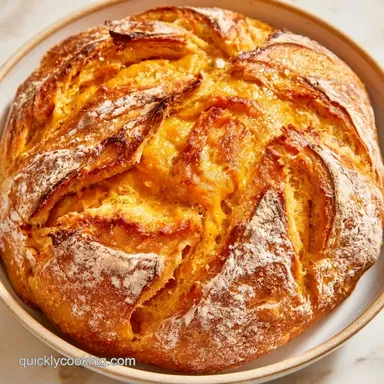
Dutch Oven Pumpkin Sourdough Bread
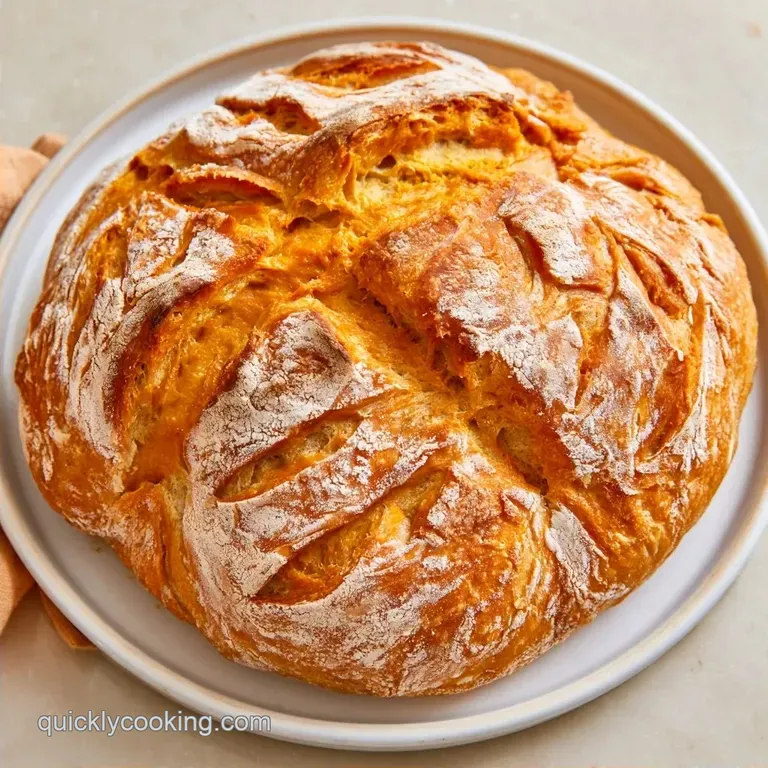
- Time: 240 min active + 24 hours resting
- Flavor/Texture Hook: Earthy tang with a shattering crust
- Perfect for: Weekend baking projects
The smell of toasted pumpkin seeds and fermented tang fills the kitchen. It is that specific autumn scent that makes a home feel cozy. I remember my first attempt at this was a total mess, mostly because I treated the pumpkin like a spice rather than a liquid.
The result was a dense, gummy brick that wouldn't slice. I had to rethink the hydration entirely to get a loaf that actually rises. This version fixes that by tweaking the water content to account for the puree.
You can expect a mahogany colored crust and a soft, orange tinted interior. This Pumpkin Sourdough Bread is a budget friendly way to bring bakery quality loaves into your house without spending a fortune on specialty flours.
Why the Texture Works
Puree Hydration: Pumpkin is mostly water. Reducing the added water prevents the dough from becoming a sticky soup that refuses to hold shape.
Cold Proofing: Letting the dough sit in the fridge overnight slows down the yeast. This builds a deeper flavor and makes the dough easier to score.
When baking Sourdough in Dutch Oven environments, the pot traps steam. This steam keeps the surface moist, allowing the bread to expand fully before the crust hardens. If you want a faster result, my pumpkin spice sourdough is a great alternative for those tight on time.
| Method | Time | Texture | Best For |
|---|---|---|---|
| Fast Yeast | 4 hours | Soft/Uniform | Weeknight meals |
| Sourdough | 28 hours | Open/Chewy | Flavor enthusiasts |
The Building Blocks
The pumpkin puree is the hero here. It adds a natural sweetness and a rich color that flour alone can't provide. Using a basic canned puree works well, but just make sure it is not "pumpkin pie filling" which contains sugar and spices.
| Component | Purpose | Substitute Notes |
|---|---|---|
| Bread Flour | Structure | AP flour works but yields a denser loaf |
| Pumpkin Puree | Color and Moisture | Roasted butternut squash puree adds a nuttier taste |
| Active Starter | Leavening | Use a fed starter for better rise |
| Rice Flour | Dusting | Cornmeal works but changes the crust texture |
Ingredient Details
- 1/2 cup (120g) active sourdough starter Why this? Provides the wild yeast for the rise
- 1 cup (235ml) warm water Why this? Activates the starter and hydrates flour
- 1/2 cup (125g) pumpkin puree Why this? Adds earthy flavor and moist crumb
- 4 cups (500g) bread flour Why this? High protein for better structure
- 2 tsp (12g) fine sea salt Why this? Controls yeast and adds flavor
- 2 tbsp (15g) rice flour Why this? Prevents dough from sticking to the basket
- 2 tbsp (20g) pumpkin seeds Why this? Adds a toasted, crunchy finish
Recipe Specs
This Pumpkin Sourdough Bread is designed for a single standard Dutch oven. I suggest weighing your flour to exactly 500g for the best results, as cups can vary wildly.
- Dough Temperature
- 75°F (24°C) during bulk fermentation.
- Internal Temperature
- 208°F (98°C) when finished.
- Flour Weight
- Exactly 500g for consistency.
Decision Shortcut: Extra tang? → extend cold proof 12 hours. Softer crust? → brush with butter post bake. Nuttier flavor? → toast seeds before adding.
Essential Tools
You don't need a professional bakery setup, but a heavy pot is non negotiable. A cast iron Dutch oven is the standard because it holds heat consistently.
I use a digital scale for everything. It is the only way to ensure your hydration stays balanced. You will also need a banneton or a bowl lined with a tea towel for the final proof.
A sharp razor or a serrated knife is needed for scoring. This controls where the bread expands so it doesn't burst at the bottom.
Step by step Process
Phase 1: The Initial Mix and Autolyse
- Whisk the active sourdough starter, warm water, and pumpkin puree in a large glass bowl until smooth and velvety. Note: Ensure no lumps of puree remain
- Mix in the bread flour and salt. Stir by hand or a sturdy spoon until no dry flour remains.
- Cover the dough with a damp cloth. Let it rest for 45 minutes to allow the flour to hydrate fully.
Phase 2: Strength Building
- Perform a set of stretch and folds. Pull one side of the dough up and fold it over the center, rotating the bowl four times.
- Repeat these folds every 30 minutes for 2 hours. The dough will transform from a shaggy mass into a smooth, elastic ball.
Phase 3: Bulk Fermentation and Cold Proof
- Let the dough rise at room temperature until it grows by about 50%.
- Shape the dough into a tight round on a floured surface. Place it in a rice flour dusted basket.
- Chill the Pumpkin Sourdough Bread in the fridge for 12 to 24 hours. Note: This develops the flavor
Phase 4: The Dutch Oven Bake
- Preheat the oven and Dutch oven to 450°F (230°C) for 45 minutes.
- Carefully flip the dough into the hot pot and top with pumpkin seeds.
- Bake 20 minutes with the lid on, then 20 minutes with the lid off until the crust is deep mahogany.
Fixing Common Dough Issues
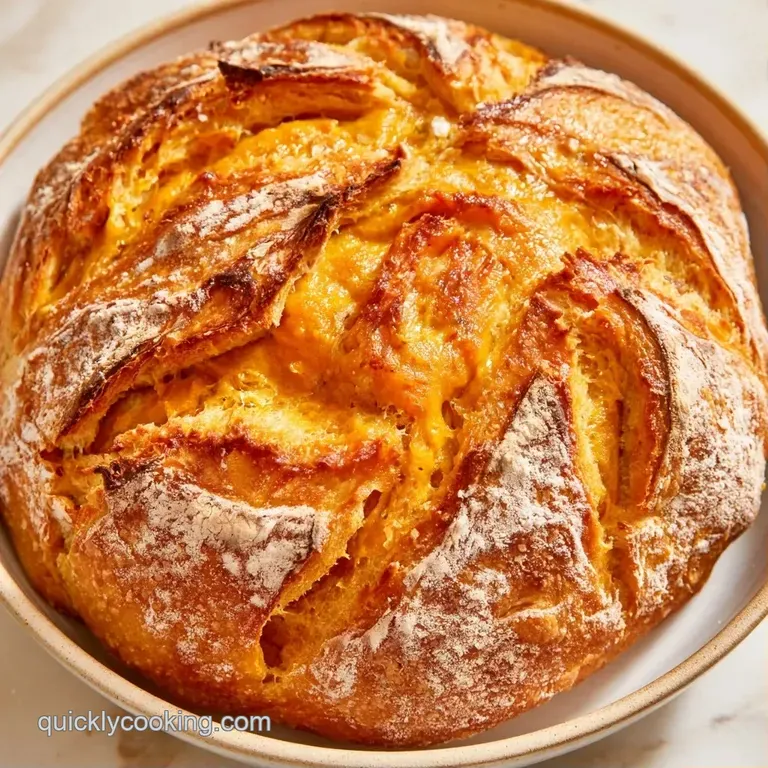
Dealing with Oven Pumpkin Sourdough can be tricky because of the pumpkin's weight. If the dough feels too slack, you might have over hydrated it or the room is too warm.
For a flat loaf, the issue is usually a lack of tension during shaping. You have to pull the surface of the dough tight so it expands upward rather than outward.
If the interior feels gummy, you likely pulled it out too early. Use a thermometer to check the center; it must hit 208°F.
| Problem | Fix |
|---|---|
| Flat Loaf | Tighten shaping and check starter activity |
| Gummy Crumb | Increase bake time or check internal temp |
| Too Sticky | Use more rice flour for dusting |
Adjusting Your Batch Size
If you want to make a smaller loaf, cut the recipe in half. Use a smaller 3 quart pot and reduce the bake time by about 10 minutes. For the egg or starter, just weigh it out to get exactly half.
When doubling the Pumpkin Sourdough Bread, do not double the salt. Use 1.5x the salt to avoid an overly salty taste. Work in batches if your mixing bowl is too small, as over mixing a giant mass of dough can lead to uneven fermentation.
For larger bakes, lower the oven temp by 25°F to ensure the center cooks through before the crust burns.
Common Baking Misconceptions
Many people think you need a professional steam oven for a good crust. This is not true. A Dutch oven creates its own steam environment that mimics a professional deck oven.
Some believe that store-bought pumpkin puree is inferior to homemade. While homemade is great, canned puree is consistent and often more concentrated, which actually helps with the structural integrity of this recipe.
Another myth is that sourdough must be sour. By shortening the cold proof, you can make a milder, sweeter loaf.
Storage and Waste Tips
Keep the loaf at room temperature on a wire rack for 2 days. To keep it fresh longer, store it in a brown paper bag. Avoid plastic bags, as they soften the crust and make it chewy.
For long term storage, slice the bread and freeze it with parchment paper between slices. Toast them directly from the freezer for a quick breakfast.
Don't throw away your leftover starter. I love using it for pumpkin banana bread or simple sourdough pancakes on Tuesday mornings.
Serving Your Loaf
This bread is delicious when cut into thick slices and toasted with salted butter. Its vibrant orange color makes a stunning presentation on a wooden board.
For an upscale breakfast, top a toasted piece with ricotta cheese and a drizzle of honey. The sourdough's tang perfectly balances the creamy cheese.
When serving for dinner, it pairs wonderfully with a spicy squash soup or a robust beef stew. The sturdy crust is ideal for dipping into these hearty liquids.
Ways to Change Flavors
Adapt this Pumpkin Sourdough Bread to suit your taste. For a sweeter loaf, stir 2 tablespoons of maple syrup into the initial liquid mixture.
If you prefer a savory twist, fold in 1/2 cup of shredded sharp cheddar and some chopped rosemary during the second round of stretch and folds.
To achieve a more rustic texture, replace 1 cup of bread flour with rye or whole wheat flour. This results in a denser crumb but adds a rich, earthy flavor that pairs beautifully with the pumpkin.
Recipe FAQs
How do I incorporate the pumpkin puree?
Whisk it with the active sourdough starter and warm water until smooth. This ensures a velvety base before you mix in the flour and salt.
Does pumpkin puree make sourdough unhealthy?
Actually, no. It adds essential vitamins and fiber, making the bread more nutrient dense without compromising its health benefits.
Will adding pumpkin change the texture?
Yes, it produces a softer crumb. The moisture keeps the loaf tender, similar to the hydration balance used in pumpkin cinnamon rolls.
Is a Dutch oven recommended for baking?
Yes, for a professional crust. The pot traps steam, allowing the bread to expand fully before the crust hardens.
Pumpkin Sourdough Bread 2