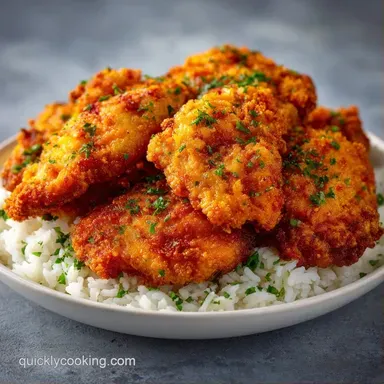
Chicken and Rice: One-Pot and Fluffy
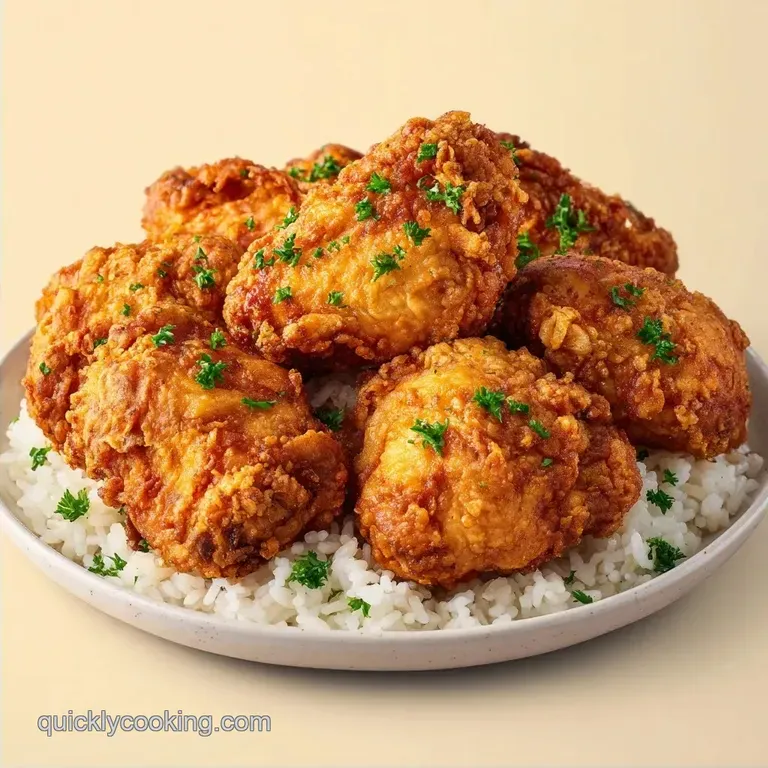
- Time: 10 min active + 30 min cook
- Flavor/Texture Hook: Mahogany seared skin with velvety, savory rice
- Perfect for: High efficiency weeknight dinners
One Pot Chicken and Rice
The sound of skin hitting hot olive oil is the only way to start this. That aggressive sizzle tells you exactly when the pan is ready, and if you wait until the skin turns a deep, dark mahogany, you've already won half the battle.
I used to just boil everything together, but the result was always a sad, grey mess that tasted like wet cardboard.
The real hero here is the long grain white rice. Most people treat rice as a filler, but when you toast it in chicken fat, it transforms. It takes on a nutty, popcorn like aroma that absorbs the broth without turning into mush.
If you use short grain or sushi rice, you'll end up with a sticky porridge, which is fine for some, but not for this specific dish.
This recipe is all about a tight flow. We sear, we sauté, we simmer, and then we walk away. You get a complete meal with a skin that practically shatters and rice that's infused with everything that dripped off the chicken during the cook.
It's the kind of meal that makes your whole house smell like a Sunday roast but only takes a fraction of the effort.
Why This Method Works
Fat Infusion: Searing the thighs first leaves behind rendered schmaltz, which we use to toast the rice and sauté the aromatics. This ensures every single grain of rice is coated in chicken flavor.
Starch Control: Rinsing the rice removes excess surface starch. This prevents the "gluey" texture and keeps the grains separate and fluffy.
The Steam Seal: By using a tight lid and not lifting it for 20 minutes, we create a pressurized environment. This cooks the chicken through while the rice absorbs the liquid perfectly.
Carryover Heat: Letting the pot rest off the heat allows the moisture to redistribute. This prevents the bottom from sticking and ensures the rice is fully tender.
| Method | Time | Texture | Best For |
|---|---|---|---|
| Fast (One Pot) | 40 mins | Fluffy & Integrated | Busy weeknights |
| Classic (Separate) | 60 mins | Clean & Distinct | Formal plating |
Component Analysis
| Ingredient | Science Role | Pro Secret |
|---|---|---|
| Long Grain Rice | Structural Base | Toast for 2 mins to lock in shape |
| Chicken Broth | Hydration/Flavor | Use low sodium to control salt |
| Bone in Thighs | Fat & Depth | Skin on is mandatory for the crust |
| Unsalted Butter | Finishing Emulsion | Stir in at the end for a glossy finish |
Ingredients
- 2 lbs bone in, skin on chicken thighs Why this? Bone in meat stays juicy and adds flavor.
- 1.5 cups long grain white rice, rinsed Why this? Holds its shape during simmering.
- 2.75 cups low sodium chicken broth Why this? Provides a savory liquid base.
- 2 tbsp olive oil Why this? High smoke point for searing.
- 1 medium onion, finely diced Why this? Builds the aromatic foundation.
- 3 cloves garlic, minced Why this? Adds sharp, savory depth.
- 1 tsp dried oregano Why this? Earthy balance to the paprika.
- 1 tsp paprika Why this? Gives the skin a rich color.
- 1 tsp salt Why this? Essential for protein denaturation.
- 0.5 tsp black pepper Why this? Subtle heat.
- 1 tbsp unsalted butter Why this? Adds a velvety mouthfeel.
| Original Ingredient | Substitute | Why It Works |
|---|---|---|
| Long Grain Rice | Basmati Rice | Similar structure. Note: Slightly nuttier flavor |
| Chicken Broth | Turkey Broth | Nearly identical flavor profile |
| Olive Oil | Avocado Oil | Higher smoke point. Note: Neutral taste |
| Dried Oregano | Dried Thyme | Similar earthy notes, slightly more lemon like |
Detailed Cooking Steps
- 1. Prep Flow
- Chop onion/garlic and season chicken.
- 2. Cooking Flow
- Sear meat, sauté aromatics, toast rice, simmer.
- 3. Finish
- Rest for 5 minutes before serving.
- Pat the chicken thighs dry with paper towels. Season both sides generously with salt, pepper, and paprika. Note: Dry skin is the only way to get a sear.
- Heat olive oil in a 5 quart Dutch oven over medium high heat. Place chicken skin side down and sear for 5-7 minutes until deep mahogany colored and released from the pan.
- Flip the chicken and sear the other side for 3 minutes, then remove chicken to a plate.
- Lower heat to medium. In the remaining chicken fat, sauté the diced onion for 3-4 minutes until translucent.
- Stir in the minced garlic and oregano, cooking for 60 seconds until fragrant.
- Add the rinsed rice to the pot and stir constantly for 2 minutes until grains look slightly translucent at the edges.
- Pour in the chicken broth, scraping the bottom of the pot with a wooden spoon to release the browned bits.
- Nestle the seared chicken thighs on top of the rice, skin side up.
- Bring to a boil, then immediately reduce heat to low. Cover with a tight lid and simmer for 20 minutes without lifting the lid.
- Remove the pot from the heat and let it rest covered for 5 minutes to finish cooking via residual heat. Stir in the butter just before serving.
Fixing Common Issues
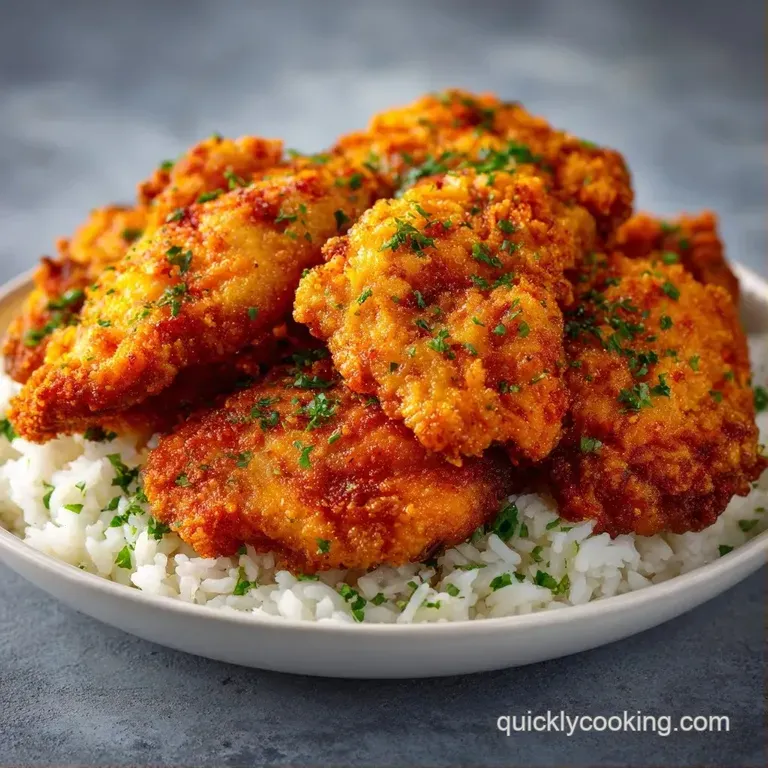
Troubleshooting Common Issues
| Issue | Solution |
|---|---|
| Why Your Rice Is Mushy | This usually happens because of too much liquid or using a medium grain rice. If the rice is too wet, the starch breaks down and creates a porridge like consistency. |
| Why Your Rice Is Crunchy | Lifting the lid is the biggest culprit. Every time you peek, steam escapes and the temperature drops, meaning the rice doesn't have enough hydration to soften. Trust the timer. |
| Why Your Chicken Is Pale | If the chicken doesn't brown, the pan wasn't hot enough or the skin was damp. You need to hear that loud sizzle the moment the meat hits the oil to get that mahogany crust. |
Common Mistakes Checklist
- ✓ Did you pat the chicken skin completely dry?
- ✓ Did you rinse the rice until the water was clear?
- ✓ Did you toast the rice for at least 2 minutes?
- ✓ Did you keep the lid closed for the full 20 minutes?
- ✓ Did you let the pot rest off the heat before serving?
Creative Flavor Twists
If you want to switch things up, this base is incredibly flexible. You can add diced carrots and peas during the onion sauté phase to make a One Pot Chicken and Rice and Veggies version. For a more modern take, stir in a handful of spinach and a squeeze of lemon at the very end.
For those who love bolder, creamier flavors, you might enjoy a homemade butter chicken instead, which uses a similar chicken and starch pairing but with a rich tomato cream sauce.
If you're feeling fancy, swap the chicken broth for a mix of broth and a splash of white wine. The acidity cuts through the fat of the thighs and makes the whole dish feel a bit lighter.
Adjusting the Portion Size
Scaling Down (Half Recipe) Use a smaller 2 or 3 quart pot. Reduce the cooking time by about 20% (check the rice at 15 minutes). If the recipe calls for a partial egg (not in this one, but for others), beat it first and measure by tablespoon.
Scaling Up (Double Recipe) Don't just double the spices; increase salt and oregano to 1.5x first, then taste. Increase liquids by only 90% (about 5 cups instead of 5.5) as larger pots retain more steam.
Work in batches for the searing phase so you don't crowd the pan and steam the meat instead of browning it.
Kitchen Myths Debunked
The Searing Myth: Many people believe searing the chicken "seals in the juices." This is false. Searing actually causes some moisture loss, but it creates a complex flavor profile through browning that boiling simply can't match.
The Rinsing Myth: Some say rinsing rice ruins the texture. In reality, for long grain white rice, rinsing is the only way to avoid a gummy, sticky mess. It's a non negotiable step for a professional result.
Storing and Waste Reduction
Storage Guidelines Store leftovers in an airtight container in the fridge for up to 4 days. The rice will absorb more moisture over time, so it may seem denser when cold. To reheat, add a tablespoon of water or broth and cover it tightly in the microwave to steam the grains back to life.
Freezing This dish freezes surprisingly well. Store in portions for up to 3 months. Thaw in the fridge overnight before reheating in the oven at 350°F (180°C) for 15-20 minutes.
Zero Waste Tips Don't toss the leftover bones or the brown bits at the bottom of the pot. If you have extra chicken carcasses, simmer them with onion scraps and carrot peels to make a homemade stock. You can also use the leftover pot juices as a base for a creamy chicken gnocchi soup the next day.
Best Side Pairings
Since this Chicken and Rice is a complete meal, keep the sides light and acidic to balance the richness of the chicken thighs. A simple arugula salad with a lemon vinaigrette or some quick pickled cucumbers works wonders.
If you have kids or a crowd, roasted broccoli or sautéed kale adds a nice pop of color and a bit of bitterness to cut through the savory rice. Avoid serving this with more heavy starches like mashed potatoes; it's already a carb heavy dish, so stick to greens.
Recipe FAQs
Can you cook raw chicken and rice together at the same time?
Yes, provided the chicken is seared first. Searing ensures the meat is browned and safe, while the rice simmers underneath during the final 20 minutes of cooking.
What are some common mistakes in chicken and rice?
Lifting the lid too often. This allows steam to escape, which often results in crunchy, undercooked rice. Another mistake is using damp skin, which prevents the chicken from achieving a deep mahogany color.
How to cook chicken thighs in a pan?
Heat olive oil over medium high heat. Place thighs skin side down and sear for 5-7 minutes until browned and released from the pan, then flip and sear the other side for 3 minutes.
How to bake chicken thighs in the oven?
Preheat your oven to 425°F. Season thighs with salt, pepper, and paprika, then bake until the internal temperature reaches a safe 165°F.
Is it true that you should stir the rice while it simmers?
No, this is a common misconception. Stirring during the simmering stage releases too much starch, which creates a mushy, porridge like consistency.
What can I do with two pounds of boneless chicken thighs?
Use them for a faster version of this one-pot meal. Because they lack bones, they cook more quickly and pair excellently with a savory hunters sauce on the side.
What is the best way to cook skinless chicken thighs?
Sear them quickly on high heat. Without skin to protect the meat, a fast sear prevents the chicken from drying out before it is fully cooked through.
One Pot Chicken And Rice