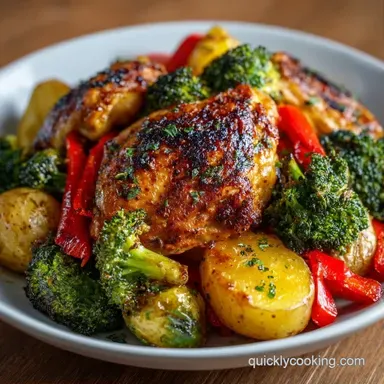
Italian Chicken: Sheet Pan with Veggies
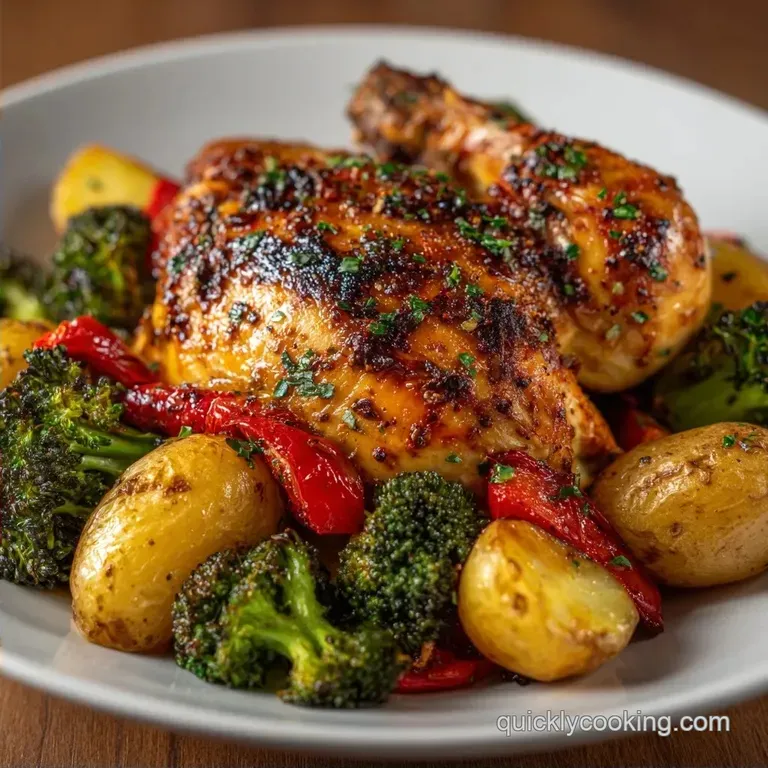
- Time: 10 min active + 30 min cooking
- Flavor/Texture Hook: Tangy glaze with shatter crisp broccoli and velvety potatoes
- Perfect for: Busy weeknights, meal prep, or feeding a picky family
The smell of roasting garlic and balsamic vinegar hitting a hot pan is enough to make anyone hungry. I remember a Tuesday night a few years back when I had exactly 45 minutes before the kids had to be at practice.
I didn't want to spend an hour scrubbing pots, but I was tired of the same old bland rotations. I threw everything onto one sheet of parchment paper, slid it in the oven, and for once, dinner was actually ready before the chaos started.
The beauty here is the contrast. You get the deep, savory notes from the chicken thighs and the bright, slightly charred edges of the broccoli. It's the kind of meal that feels like you put in way more effort than you actually did.
If you're looking for a dinner that doesn't require you to stand over a stove for an hour, this is it. This version of Italian Chicken keeps the meat juicy while making sure the vegetables don't turn into mush. We'll focus on the right spacing and temperature to get those golden edges.
Easy Sheet Pan Italian Chicken
The secret to a great pan roast is managing how moisture escapes. If you crowd the pan, the vegetables steam instead of roast, and you end up with a soggy mess. By keeping the pieces in a single layer, the hot air circulates around the chicken and produce, creating a sear that mimics a stovetop pan but with half the work.
Most people think they need a fancy marinade for this, but a simple mix of oil and acid does all the heavy lifting. The balsamic vinegar breaks down the surface proteins, allowing the dried herbs to stick and toast in the oven. It's a fast paced way to get big flavor without waiting hours for a soak.
Since we're using a high temperature, the edges of the carrots and peppers get those little burnt bits that taste like candy. This is where the real flavor lives. To make this a full feast, you can serve it with a side of homemade Caesar dressing for a fresh, creamy contrast to the roasted flavors.
The Secret to Better Roasting
Acid Fat Balance: Balsamic vinegar cuts through the olive oil, preventing the dish from feeling greasy while tenderizing the meat.
Surface Area: Cutting chicken into 2 inch chunks increases the space for the marinade to cling and the heat to penetrate quickly.
Starch Gelatinization: The potatoes absorb the chicken juices and oil, turning the outside crispy and the inside fluffy.
Airflow Logic: High heat (400°F) evaporates surface moisture rapidly, which is the only way to get a roast rather than a steam.
| Method | Time | Texture | Best For |
|---|---|---|---|
| Oven Roast | 30 mins | Charred & Tender | Hands off cooking |
| Stovetop | 20 mins | Seared & Juicy | Immediate results |
| Slow Cooker | 6 hrs | Shredded & Soft | Meal prep/Set and forget |
Component Analysis
| Ingredient | Science Role | Pro Secret |
|---|---|---|
| Balsamic Vinegar | pH Lowering | Adds a dark, caramelized color to the potatoes |
| Olive Oil | Heat Conductor | Prevents the dried herbs from burning too fast |
| Chicken Thighs | Fat Buffer | Keeps the dish moist even if overcooked by 2-3 mins |
| Italian Seasoning | Aromatic Base | Rub it between your palms before adding to release oils |
The Pantry List
- 1.5 lbs boneless, skinless chicken thighs, cut into 2 inch chunks Why this? Thighs stay juicy at 400°F; breasts often dry out. (Substitute: Chicken breast, but reduce cook time by 5 mins)
- 1 lb baby gold potatoes, quartered Why this? Gold potatoes hold their shape better than Russets. (Substitute: Red potatoes)
- 2 cups broccoli florets Why this? Absorbs the glaze perfectly. (Substitute: Cauliflower)
- 1 large red bell pepper, chopped into 1 inch pieces Why this? Adds sweetness and color. (Substitute: Orange pepper)
- 1 cup carrots, sliced into coins Why this? Adds an earthy sweetness. (Substitute: Parsnips)
- 1/3 cup extra virgin olive oil Why this? High smoke point for roasting. (Substitute: Avocado oil)
- 2 tbsp balsamic vinegar Why this? Essential for the tang and color. (Substitute: Red wine vinegar)
- 1 tbsp dried Italian seasoning Why this? Quick blend of oregano, basil, and thyme. (Substitute: Dried oregano + basil)
- 1 tsp garlic powder Why this? Even coating without burning bits of fresh garlic. (Substitute: Onion powder)
- 1/2 tsp paprika Why this? For a deep red, roasted look. (Substitute: Smoked paprika for woodsy flavor)
- 1 tsp kosher salt Why this? Coarser grains are easier to control. (Substitute: Sea salt)
- 1/2 tsp cracked black pepper Why this? Adds a subtle heat. (Substitute: White pepper)
Must Have Kitchen Tools
You don't need a professional kitchen for this, but a few things make it faster. A large rimmed baking sheet is non negotiable; if the sides are too low, the oil and juices will leak into your oven and cause smoke.
Parchment paper is your best friend here, as it prevents the balsamic glaze from gluing your food to the pan.
I also recommend a large mixing bowl. Tossing everything together in the bowl ensures every single potato quarter and chicken chunk is coated. If you try to drizzle the oil on the pan, you'll end up with some pieces that are dry and others that are swimming in oil.
Finally, grab a pair of metal tongs for the halfway flip.
Step-by-step Cooking Guide
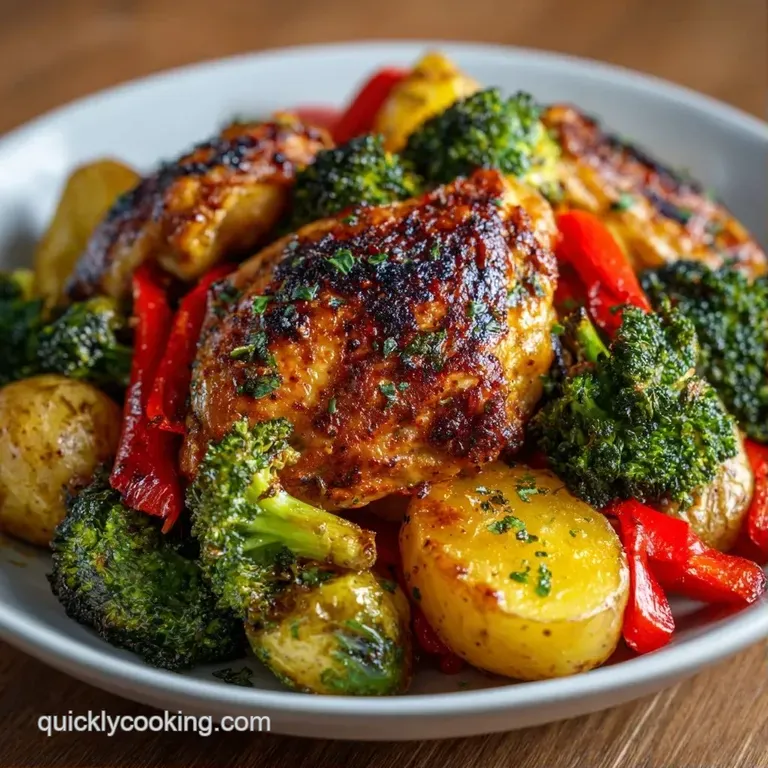
- Preheat your oven to 400°F (200°C). Line your large rimmed baking sheet with parchment paper Note: This prevents sticking and makes cleanup a 10 second job.
- In a large mixing bowl, whisk together the olive oil, balsamic vinegar, dried Italian seasoning, garlic powder, paprika, kosher salt, and black pepper.
- Add the chicken chunks, quartered potatoes, broccoli florets, chopped red bell pepper, and sliced carrots to the bowl.
- Toss the mixture thoroughly until every piece is glossy and evenly coated in the marinade.
- Spread the mixture across the baking sheet in a single layer. Ensure the chicken pieces aren't overlapping Note: Overlapping creates steam pockets, which ruins the sear.
- Roast for 15 minutes until you smell the garlic toasting and the edges of the broccoli start to brown.
- Use tongs to flip the chicken and toss the vegetables. This ensures an even roast on all sides.
- Roast for another 10–15 minutes until the potatoes are golden brown and the chicken reaches an internal temperature of 165°F (74°C).
- Remove the pan from the oven. Let everything rest for 5 minutes Note: This allows the juices to redistribute so the chicken stays velvety.
Fixing Common Cooking Errors
If you find your vegetables are too soft, you're likely overcrowding the pan. When the food is packed too tightly, the moisture has nowhere to go, and the food boils in its own juices. Use two pans if you're doubling the recipe.
Another common issue is the chicken drying out. While thighs are forgiving, they can still overcook if your oven runs hot. Always use a meat thermometer to hit that 165°F mark exactly.
Why Your Vegetables Are Soggy
This usually happens because of too much moisture or too little space. If you wash your broccoli and don't dry it completely, that water enters the oil and prevents browning.
| Problem | Root Cause | Solution |
|---|---|---|
| Soggy Veggies | Overcrowded pan | Use two baking sheets |
| Dry Chicken | Overcooked | Pull at 160°F and let carryover heat finish |
| Burnt Herbs | Oven too hot | Check oven temp with a thermometer |
Quick Checklist for Success:
- ✓ Pat all vegetables dry after washing.
- ✓ Ensure no chicken pieces are touching.
- ✓ Flip the food exactly halfway through.
- ✓ Rest the meat for 5 minutes before serving.
Easy Flavor Tweaks
You can easily pivot this Italian Chicken to suit whatever you have in the fridge. If you want something a bit more "Tuscan," swap the red pepper for sun dried tomatoes and add a handful of kalamata olives during the last 10 minutes of roasting.
For those watching their carbs, just swap the baby gold potatoes for cauliflower florets or extra carrots. The balsamic glaze works just as well on those. If you like a kick, add 1/2 tsp of red pepper flakes to the marinade.
If you're feeling fancy, sprinkle some freshly grated Parmesan cheese over the pan during the last 3 minutes of cooking. It creates a salty, crispy crust that pairs brilliantly with the vinegar.
Scaling Your Meal
When you need to feed a crowd, don't just put more food on one pan. If you double the ingredients, use two separate baking sheets. If you pile it all on one, you'll lose that roasted texture and get a stew instead.
For a double batch, I only increase the salt and spices to 1.5x the original amount. Over seasoning often happens when people just multiply everything by two; the flavors concentrate as they roast, so a bit less is usually better.
If you're cooking for just yourself, a half portion works great. Reduce the roasting time by about 20%, and use a smaller sheet pan so the oil doesn't spread too thin and burn. Beat one egg and use half if you decide to add a breading, though this recipe doesn't require one.
| Scale | Pan Setup | Time Adjustment | Spice Adjustment |
|---|---|---|---|
| Half (1/2) | Small Sheet | Reduce 20% | Half all |
| Double (2x) | 2 Large Sheets | Same time | 1.5x spices |
| Triple (3x) | 3 Large Sheets | Same time | 1.5x spices |
Kitchen Myths
Searing meat does not "lock in" the juices. This is a common misconception. Moisture loss happens regardless of whether you sear the meat first. The browning you see is actually about flavor and texture, not about keeping the chicken moist.
Another myth is that you need to marinate chicken for hours to get flavor. With a high acid marinade like balsamic, the surface penetration happens quickly. For a sheet pan meal, 10 minutes of tossing in a bowl is plenty to get a great result.
Keep and Reuse Tips
You can store leftovers in an airtight container in the fridge for 3 to 4 days. When reheating, I avoid the microwave if possible. Instead, pop the leftovers back in the oven at 350°F for 10 minutes. This brings back the crispness to the potatoes and broccoli.
For freezing, this dish lasts about 3 months. Let it cool completely before freezing to avoid ice crystals. Thaw it in the fridge overnight before reheating in the oven.
To avoid waste, don't throw away the broccoli stems. Peel the tough outer skin, slice the centers into coins, and toss them right in with the carrots. They have a wonderful, sweet crunch that's often better than the florets themselves.
Best Side Dish Pairings
Since the Italian Chicken is a complete meal with protein and veg, you only need something to soak up the extra balsamic glaze. I highly recommend serving this with some Sourdough Discard Garlic Knots. The buttery, garlicky bread is the perfect companion to the tang of the roast.
If you want something lighter, a simple arugula salad with a squeeze of lemon does the trick. The bitterness of the greens cuts through the richness of the chicken thighs. You could also serve it over a bed of quinoa or farro for extra heartiness.
This meal is all about efficiency. By keeping the ingredients simple and the method fast, you get a dinner that tastes like a Sunday feast on a Tuesday schedule. Just remember the spacing rule, keep your oven hot, and you'll have a winner every time.
Recipe FAQs
How to bake chicken thighs in the oven?
Preheat the oven to 400°F (200°C) and use a parchment lined baking sheet. Roast the seasoned chicken and vegetables for 25 30 minutes, flipping the pieces halfway through for an even sear.
What is the best way to cook skinless chicken thighs?
Roast them on a sheet pan with vegetables for maximum flavor and easy cleanup. This method allows the chicken to stay juicy while the baby gold potatoes and carrots caramelize in the balsamic marinade.
How to cook boneless and skinless chicken thighs in an oven?
Toss 2 inch chunks in a mixture of olive oil, balsamic vinegar, and Italian seasonings. Spread them in a single layer at 400°F and roast until the internal temperature reaches 165°F (74°C).
What can I do with two pounds of boneless chicken thighs?
Scale up the marinade proportions and roast them as a large batch meal. This recipe is easily adaptable for larger quantities to provide several days of high protein leftovers.
How to barbecue chicken thighs in the oven?
Simulate a grill by roasting at 400°F on a rimmed baking sheet. The combination of paprika and balsamic vinegar creates a deep, charred flavor similar to outdoor barbecuing.
How to cook chicken thighs in a pan?
Sear them over medium high heat until golden brown. While pan-searing works for the meat, roasting on a sheet pan is more efficient when cooking the chicken and vegetables together.
What are some great chicken thigh recipes?
Combine thighs with balsamic vinegar, garlic powder, and baby gold potatoes for a hearty Italian roast. This dish pairs perfectly with a side of toasted sourdough focaccia.
Sheet Pan Italian Chicken