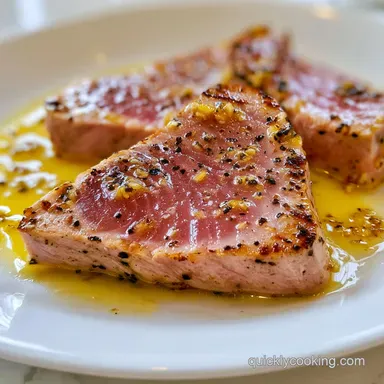
Amazing Garlic Butter Ahi Tuna: Pan-Seared
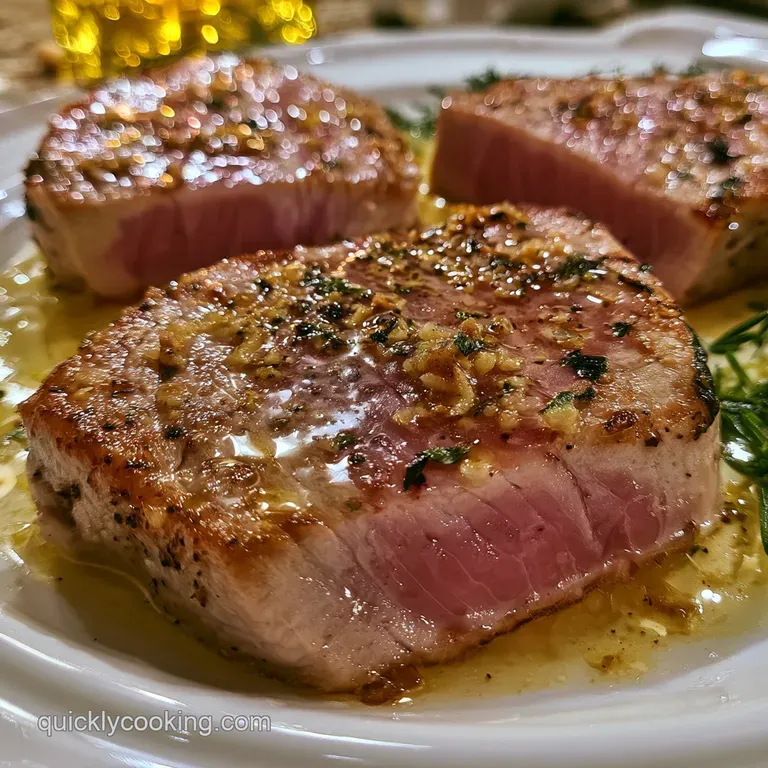
- Time: 5 min active + 15 min resting + 6 min cook = Total 26 mins
- Flavor/Texture Hook: Shatter crisp brown crust with a velvety, buttery center
- Perfect for: Fast date nights or budget conscious gourmet dinners
The sound of a cast iron skillet hitting that critical heat point is unmistakable, a sharp hiss that tells you the sear is about to happen. I remember the first time I tried this, thinking I could just throw the tuna in a cold pan with butter.
It didn't sear, it steamed, and I ended up with a grey, rubbery piece of fish that looked more like a pencil eraser than a luxury dinner.
Ahi tuna, specifically yellowfin or bigeye, is a staple in Pacific cultures, especially in Hawaii where the tradition of raw poke dominates. But there is a beautiful middle ground where the fresh catch tradition meets French butter basting. This fusion transforms a simple piece of fish into something rich and decadent.
You can expect a dish that hits every note, from the zing of fresh lemon to the pungent warmth of garlic. This amazing garlic butter ahi tuna is all about speed and temperature control, giving you a high end result in a fraction of the time.
Amazing Garlic Butter Ahi Tuna
Let's talk about how we get that restaurant quality finish. When you're working with expensive protein like ahi, the goal is to minimize the time it spends on the heat to avoid overcooking the center. We want a thin, dark crust on the outside and a cool, red center.
This recipe relies on a "fast and loud" approach. We use a high smoke point oil for the initial sear to create that crunch, and then we drop the heat to introduce the butter. If we added butter at the start, it would burn and taste bitter before the tuna even got a color.
The magic happens in the final 60 seconds. Basting is just a fancy way of saying "spooning melted fat over the food." This ensures every millimeter of the tuna is coated in garlic and lemon, while the butter acts as a heat conductor, finishing the edges of the fish without drying out the middle.
How This Technique Works
I've always wondered why some home cooked steaks feel "boiled" while others feel "roasted." It comes down to a few simple rules of heat.
Surface Dryness: Water is the enemy of the sear. When the tuna is wet, the pan has to evaporate that moisture before it can brown the meat, which leads to overcooking.
The Butter Buffer: Adding butter at the end protects the garlic from burning. The milk solids in the butter foam up, creating a gentle environment for the garlic to infuse into the oil.
Carryover Heat: The tuna keeps cooking for a few minutes after it leaves the pan. By pulling it off while the center is still very rare, the residual heat brings it to a perfect medium rare.
Oil Smoke Point: Using a neutral oil allows the pan to reach 400°F or higher without smoking excessively, which is essential for that shatter crisp exterior.
| Method | Time | Texture | Best For |
|---|---|---|---|
| Pan Seared (Fast) | 6 mins | Crisp crust, rare center | Weeknight meals |
| Grilled (Classic) | 12 mins | Smoky, firmer texture | Summer BBQ |
| Oven Baked | 15 mins | Uniform, softer edge | Large crowds |
Component Analysis
I like to look at ingredients not just as food, but as tools. Every part of this dish serves a specific purpose to keep the cost down and the flavor high.
| Ingredient | Science Role | Pro Secret |
|---|---|---|
| Ahi Tuna | Main Protein | Pat dry twice for better crust |
| Unsalted Butter | Flavor Carrier | Use chilled butter for a slower melt |
| Garlic | Aromatics | Mince just before using to keep oils active |
| Lemon Juice | Acid Balance | Cuts through the heavy butter fat |
Smart Grocery List
Since ahi can be pricey, I've focused on budget smart choices. You don't need the most expensive "sushi grade" cut if you are searing it, just make sure it's fresh and firm. For more tips on handling fish, Serious Eats has great guides on sourcing seafood.
- 4 ahi tuna steaks, 1 inch thick (1.5 lbs / 680g) Why this? 1 inch thickness allows for a sear without overcooking the center
- 1 tbsp neutral oil Why this? Grapeseed or canola can handle high heat without burning
- 1 tsp kosher salt Why this? Coarse grains draw moisture out for a better crust
- 1/2 tsp cracked black pepper Why this? Coarse pepper doesn't burn as fast as fine powder
- 4 tbsp unsalted butter Why this? Unsalted lets you control the sodium levels
- 4 cloves garlic, minced Why this? Fresh garlic provides a punchy, sharp flavor
- 1 tbsp fresh lemon juice Why this? Fresh juice is more vibrant than bottled
- 1 tbsp fresh parsley, finely chopped Why this? Adds a clean, herbaceous finish
If you're on a tight budget, you can swap the neutral oil for whatever you have in the pantry, but avoid extra virgin olive oil as it smokes too early. For the butter, a high-quality margarine works in a pinch, though you'll lose some of that velvety mouthfeel.
| Original Ingredient | Substitute | Why It Works |
|---|---|---|
| Ahi Tuna | Swordfish | Similar density. Note: Firmer texture and milder taste |
| Unsalted Butter | Ghee | Higher smoke point. Note: Lacks the milky sweetness of butter |
| Fresh Parsley | Dried Oregano | Earthy flavor. Note: Use 1/3 amount; less fresh "pop" |
| Fresh Lemon | Rice Vinegar | Same acidity. Note: Adds a subtle sweetness |
Right then, let's get into the gear. You don't need a professional kitchen, but one specific tool makes a huge difference here.
The Right Gear
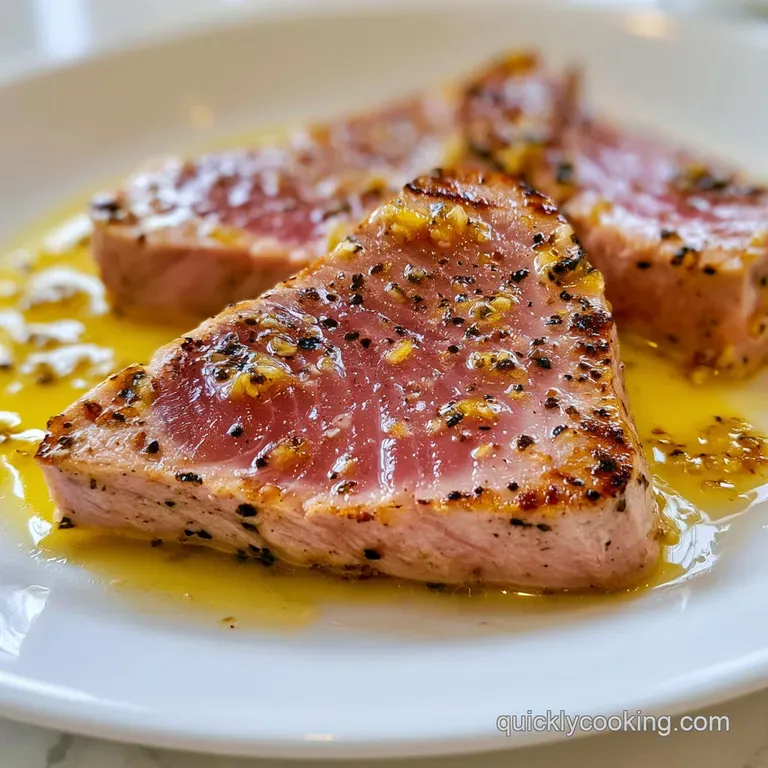
A cast iron skillet is the gold standard for this recipe. Because it holds heat so well, the temperature doesn't drop when you drop the cold fish in. If you don't have one, a heavy stainless steel pan is your next best bet.
Avoid non stick pans for the sear, as they can't handle the high heat required for that dark crust.
You'll also want a large spoon for the basting process. A deep spoon allows you to scoop up more of that foaming garlic butter and pour it over the steaks. For the tuna, a good set of paper towels is actually your most important tool - if the fish is damp, you'll never get that amazing garlic butter ahi tuna crust we're after.
Step-by-step Cooking Guide
Let's crack on with the actual cooking. Remember, speed is everything once the fish hits the pan.
Phase 1: The Prep
- Remove tuna steaks from the refrigerator 15 minutes before cooking. Note: This prevents the center from staying ice cold while the outside burns
- Pat every side of the steaks completely dry with paper towels. Note: Dry fish = better sear
- Season the tuna steaks generously with salt and black pepper on all sides, including the edges.
Phase 2: The over High heat Sear
- Place a cast iron skillet over high heat with neutral oil until the oil begins to shimmer and just barely smoke.
- Carefully lay the tuna steaks in the pan. Sear for 1.5 to 2 minutes per side for rare, or 3 minutes per side for medium rare, until a deep brown crust forms.
Phase 3: The Garlic Butter Finish
- Reduce heat to medium. Add the unsalted butter and minced garlic to the pan.
- Once the butter foams, stir in the fresh lemon juice.
- Tilt the pan and use a large spoon to continuously pour the bubbling garlic butter over the tuna steaks for 60 seconds.
- Remove from heat and garnish with freshly chopped parsley.
Pro Tips and Pitfalls
The biggest mistake I see people make is overcrowding the pan. If you put too many steaks in at once, the temperature drops and the tuna starts to leak juices, which leads to steaming instead of searing. Work in batches if you have to.
Another common issue is the garlic. Garlic burns in a heartbeat at high temperatures. That's why we reduce the heat to medium before adding it. If the butter starts to turn dark brown too quickly, pull the pan off the heat for 10 seconds to cool it down.
Grey Tuna Fix
If your fish looks grey and unappealing, you likely didn't get the pan hot enough or the fish was too wet. Next time, use more paper towels and wait for the oil to shimmer.
Burning Garlic Fix
Burnt garlic tastes bitter and ruins the whole dish. To avoid this, always add the butter first to act as a buffer, then the garlic.
Overcooking the Tuna
Tuna goes from "perfect" to "canned" in about 30 seconds. Use a timer and don't be afraid to pull it off the heat while it still looks a bit underdone.
| Problem | Root Cause | Solution |
|---|---|---|
| Tuna sticking to pan | Pan not hot enough | Wait for oil to shimmer before adding fish |
| Bitter taste | Burnt garlic | Lower heat before adding butter and garlic |
| Rubbery texture | Overcooked | Reduce sear time by 30 seconds per side |
- ✓ Pat fish completely dry
- ✓ Use high smoke point oil
- ✓ Don't move the fish during the first 90 seconds
- ✓ Use a timer for precision
- ✓ Let the steaks rest for 2 minutes before serving
Flavor Variations
If you're feeling adventurous, you can easily tweak this amazing garlic butter ahi tuna to fit your mood. For a spicy kick, add a pinch of cayenne pepper or red chili flakes to the butter baste. If you want a more "Asian fusion" vibe, swap the lemon juice for a splash of soy sauce and a drop of toasted sesame oil.
When scaling this recipe, keep it simple. If you're doubling the batch, don't double the garlic and salt - start with 1.5x and taste as you go. For the butter, you can double it, but be careful with the pan size. You need room for the butter to foam and bubble without overflowing.
If you find you've made too much tuna, you can use the leftovers for a fast tuna melt the next day. Just be careful not to overcook it again in the pan.
Storage and Zero Waste
Ahi tuna is best eaten fresh, but if you have leftovers, store them in an airtight container in the fridge for up to 2 days. I don't recommend freezing cooked tuna, as the texture becomes mealy and dry.
When reheating, use a over low heat pan with a tiny bit of butter just to warm it through - don't try to re sear it or you'll overcook the center.
To keep things zero waste, don't throw away the lemon rinds. Grate the zest into a salad or a pasta dish. Those garlic skins can be tossed into a freezer bag with other veggie scraps to make a homemade stock later.
Even the leftover garlic butter in the pan is gold - pour it over some steamed asparagus or sautéed spinach for an instant side dish.
Best Pairing Ideas
Since this dish is rich and buttery, you need something to cut through that fat. A crisp arugula salad with a balsamic vinaigrette or some blanched snap peas are great options. If you want something heartier, a side of fluffy jasmine rice or quinoa works well.
For those who love bread with their meal, my garlic knots recipe is a fantastic pairing. The sourdough tang and the extra garlic mirror the flavors of the tuna, making the whole meal feel cohesive.
If you're looking for a low carb power plate, serve the tuna over a bed of sautéed kale and roasted cauliflower. The earthiness of the greens balances the richness of the butter, and you get a meal that's high in protein and healthy fats without any filler.
Recipe FAQs
What are the common mistakes in garlic butter?
Burning the minced garlic. Garlic turns bitter quickly at high temperatures, so always reduce your pan heat to medium before adding the butter and garlic.
How do I cook ahi tuna steak for a professional sear?
Sear on high heat in shimmering neutral oil. Cook for 1.5 to 2 minutes per side for rare or 3 minutes per side for medium rare until a deep brown crust forms.
What should ahi tuna be seasoned with?
Kosher salt and cracked black pepper. Season all sides and edges generously to ensure the flavor penetrates the thick cut of the fish.
How do I make the garlic butter sauce?
Melt unsalted butter and minced garlic over medium heat. Stir in fresh lemon juice once the butter foams, then spoon the mixture over the tuna for 60 seconds.
Is it true I should cook the tuna straight from the refrigerator?
No, this is a common misconception. Remove the steaks 15 minutes before cooking to take the chill off, which prevents the center from staying too cold.
Why didn't my tuna develop a deep brown crust?
The surface was likely too wet. Pat every side of the steaks completely dry with paper towels before seasoning to prevent the fish from steaming in the pan.
What is the best way to serve this tuna?
Pair it with a crispy side dish. If you enjoyed mastering the high heat searing technique here, see how the same principle creates a golden exterior in these potato wedges.
Garlic Butter Ahi Tuna